Optimizing Your Credit Score for 2026: Achieving a 750+ FICO Score in 6 Months
In today’s financial landscape, a strong credit score is more than just a number; it’s a powerful tool that unlocks doors to better interest rates, favorable loan terms, and a wider range of financial opportunities. As we look ahead to 2026, setting a goal to achieve a 750+ FICO score within the next six months is not only ambitious but entirely achievable with the right strategies. This comprehensive guide will walk you through a detailed, month-by-month plan to optimize credit score, equipping you with the knowledge and actionable steps needed to significantly improve your financial standing.
A FICO score of 750 or higher places you squarely in the ‘very good’ to ‘exceptional’ credit range, signaling to lenders that you are a reliable borrower. This coveted status can lead to substantial savings on mortgages, auto loans, and personal loans, not to mention easier approvals for credit cards with premium rewards. Whether you’re starting from a lower score or simply aiming to fine-tune an already decent one, understanding the mechanics of credit and implementing disciplined habits are key. Our focus here is to provide a clear roadmap to optimize credit score, emphasizing practical steps that yield tangible results in a relatively short timeframe.
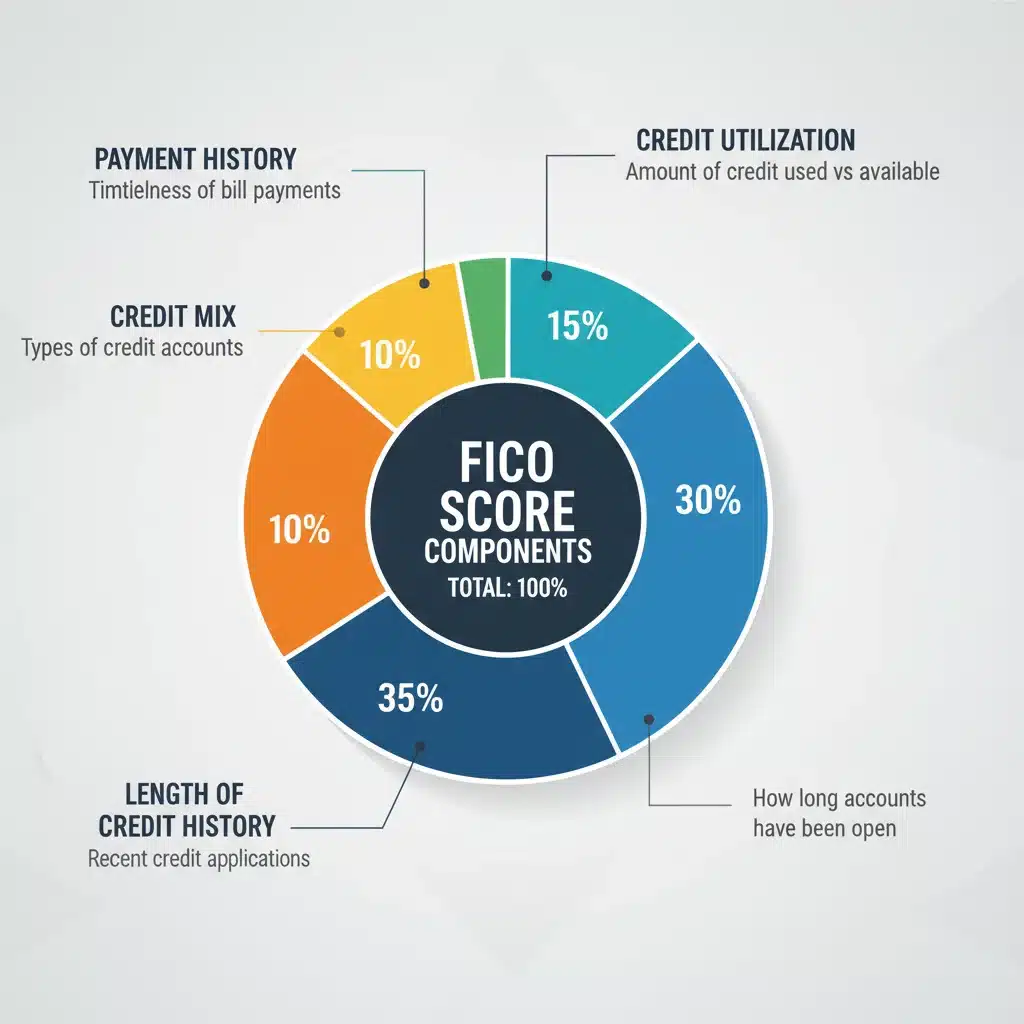
The journey to optimize credit score begins with a thorough understanding of what influences it. FICO scores are calculated based on five main categories: payment history (35%), amounts owed (30%), length of credit history (15%), new credit (10%), and credit mix (10%). Each of these components plays a crucial role, and by strategically addressing each one, you can systematically boost your score. This article will delve into each of these factors, providing specific advice for each month of your six-month plan. By the end of this guide, you will have a clear, actionable strategy to optimize credit score and achieve that 750+ FICO goal by 2026.
Month 1: Assess and Strategize – Laying the Foundation to Optimize Credit Score
The first step in any successful credit optimization journey is to understand your starting point. This month is dedicated to a thorough assessment of your current credit situation and formulating a strategic plan. To truly optimize credit score, you need accurate data.
Actionable Steps for Month 1:
- Obtain Your Credit Reports: Request free copies of your credit reports from all three major credit bureaus (Experian, Equifax, and TransUnion) via AnnualCreditReport.com. These reports are your detailed financial history and are crucial for identifying areas to optimize credit score.
- Review for Errors: Scrutinize each report for inaccuracies. This includes incorrect personal information, accounts you don’t recognize, duplicate accounts, or incorrect payment statuses. Even minor errors can negatively impact your score.
- Dispute Inaccuracies: If you find any errors, dispute them immediately with the relevant credit bureau and the creditor. Provide documentation to support your claim. This process can take time, so starting early is vital. Correcting errors is a direct way to optimize credit score.
- Understand Your Current FICO Score: Many banks and credit card companies offer free FICO score access. If not, consider a reputable service. Knowing your exact score helps you track progress and identify which FICO factors are weighing you down.
- Identify Problem Areas: Based on your reports and score, pinpoint the specific areas that need the most attention. Is it high credit utilization? A history of late payments? A thin credit file? Understanding these issues is paramount to optimize credit score effectively.
- Set a Realistic Budget: Create a detailed budget to ensure you can make all future payments on time. This forms the backbone of responsible financial behavior, which is essential to optimize credit score.
By the end of Month 1, you should have a clear picture of your credit health, a list of any necessary disputes, and a foundational understanding of where to focus your efforts to optimize credit score. This initial assessment is arguably the most critical step, as it guides all subsequent actions.
Month 2: Tackle Payment History and Credit Utilization – The Cornerstones of a High FICO Score
With 65% of your FICO score tied to payment history and credit utilization, these two factors demand immediate and consistent attention. This month focuses on establishing impeccable payment habits and strategically reducing your credit utilization to optimize credit score significantly.
Actionable Steps for Month 2:
- Prioritize On-Time Payments: If you have any outstanding late payments, resolve them immediately. Moving forward, commit to making all payments on time, every time. Set up automatic payments or calendar reminders for all your bills. Payment history is the single largest factor in your FICO score, so consistent on-time payments are crucial to optimize credit score.
- Reduce Credit Card Balances: Focus on paying down your credit card balances. Aim for a credit utilization ratio (the amount of credit you’re using compared to your total available credit) of under 30% across all your cards, and ideally under 10% for optimal results. For example, if you have a card with a $10,000 limit, try to keep your balance below $3,000, and ideally below $1,000. This is a powerful way to optimize credit score quickly.
- The ‘Snowball’ or ‘Avalanche’ Method: If you have multiple credit card debts, choose a debt repayment strategy. The ‘debt snowball’ method focuses on paying off the smallest balance first, while the ‘debt avalanche’ method prioritizes debts with the highest interest rates. Both are effective for reducing debt and improving your utilization, thereby helping to optimize credit score.
- Consider a Balance Transfer Card (with caution): If you have high-interest debt, a 0% APR balance transfer card could provide a temporary reprieve, allowing you to pay down debt faster without accruing interest. However, be mindful of transfer fees and ensure you can pay off the balance before the promotional period ends. This move should only be considered if you are disciplined enough to avoid accumulating new debt, otherwise, it could hinder your efforts to optimize credit score.
- Request Credit Limit Increases (Strategically): If you have a good payment history with a particular credit card issuer, consider requesting a credit limit increase. This can lower your credit utilization ratio without paying down debt, assuming you don’t increase your spending. Be aware that some requests might involve a hard inquiry, which could temporarily ding your score. This strategy can be effective to optimize credit score if used wisely.
By the end of Month 2, you should see a noticeable improvement in your credit utilization and be firmly on track with consistent on-time payments. These foundational changes are critical for anyone looking to optimize credit score and build a robust financial profile.

Month 3: Nurturing Your Credit History and Managing New Credit Applications
Month 3 shifts focus to the length of your credit history and how new credit applications impact your score. While these factors have a smaller percentage weight than payment history and utilization, they are still vital for a strong FICO score. Understanding how to manage these aspects is crucial to optimize credit score effectively.
Actionable Steps for Month 3:
- Maintain Older Accounts: The length of your credit history (15% of your FICO score) benefits from keeping older accounts open and active, even if you don’t use them frequently. Closing old accounts, especially those with a long history, can shorten your average account age and negatively impact your score. This is a common mistake people make when trying to optimize credit score.
- Avoid Unnecessary New Credit Applications: Each time you apply for new credit (a credit card, loan, etc.), a ‘hard inquiry’ appears on your credit report, which can temporarily lower your score by a few points. Try to limit new applications, especially if you’re actively trying to optimize credit score. Only apply for credit when absolutely necessary.
- Consider a Secured Credit Card (if rebuilding): If your credit history is thin or you’re rebuilding after past issues, a secured credit card can be an excellent tool. You put down a deposit, which becomes your credit limit, and use it like a regular credit card. This helps build positive payment history without much risk. This is a proven method to optimize credit score for those with limited credit.
- Become an Authorized User (with caution): If a trusted family member with excellent credit is willing, becoming an authorized user on their credit card can allow their positive payment history to reflect on your report. However, ensure they have a spotless record and low utilization, as their mistakes could also impact you. This can be a quick way to optimize credit score but requires trust.
- Monitor Your Credit Regularly: Continue to monitor your credit reports and scores. Services that offer free credit monitoring can alert you to new accounts opened in your name or significant changes, helping you stay on top of your credit health and quickly identify anything that might hinder your efforts to optimize credit score.
By the end of Month 3, you should be actively managing your credit history, being mindful of new credit applications, and potentially establishing new, positive credit lines if needed. These steps ensure a steady, upward trajectory as you continue to optimize credit score.
Month 4: Diversify Your Credit Mix and Address Negative Items
Credit mix, while only 10% of your FICO score, demonstrates your ability to manage different types of credit (revolving accounts like credit cards and installment loans like mortgages or auto loans). This month focuses on strategically diversifying your credit and proactively addressing any remaining negative items that might be dragging your score down. This is an important step to truly optimize credit score.
Actionable Steps for Month 4:
- Review Your Credit Mix: Look at your current credit accounts. Do you only have credit cards? Or do you have a mix of credit cards and installment loans? A healthy mix shows lenders you can handle various types of credit responsibly. This can help to optimize credit score.
- Consider a Small Installment Loan: If you only have revolving credit, a small personal loan (which is an installment loan) can help diversify your mix. Ensure the payments are affordable and that you can pay it back on time. Avoid taking on debt you don’t need, but if a small loan fits your budget, it can be a good strategy to optimize credit score.
- Continue to Dispute Errors: Follow up on any disputes initiated in Month 1. Be persistent, and if necessary, send certified letters. Every corrected error helps to optimize credit score.
- Negotiate Pay-for-Delete (for collections/charge-offs): If you have old collection accounts or charge-offs, consider negotiating a ‘pay-for-delete’ agreement with the collection agency. In this scenario, you agree to pay a portion or all of the debt in exchange for the derogatory mark being removed from your credit report. Get this agreement in writing before making any payments. This can significantly optimize credit score if successful.
- Goodwill Letters: For isolated late payments, especially if you have an otherwise stellar record, consider sending a ‘goodwill letter’ to the creditor. Explain the circumstances of the late payment and politely ask if they would consider removing it from your report as a gesture of goodwill. While not guaranteed, it’s worth a try to optimize credit score.
By the end of Month 4, you should have a more diversified credit portfolio and be actively working to mitigate the impact of any remaining negative items. These efforts contribute significantly to your overall goal to optimize credit score.
Month 5: Sustained Monitoring and Advanced Strategies to Optimize Credit Score
As you approach the final stretch, Month 5 is about maintaining the positive habits you’ve built and exploring advanced strategies to push your score even higher. Consistency is key here; the habits you’ve formed are now crucial for long-term credit health and continued efforts to optimize credit score.
Actionable Steps for Month 5:
- Maintain Low Credit Utilization: Continue to keep your credit card balances as low as possible, ideally below 10%. Consider making multiple payments throughout the month, especially if you use your cards frequently, to ensure your reported balance is low when creditors report to bureaus. This continuous effort is vital to optimize credit score.
- Pay Attention to Credit Report Dates: Be aware of when your creditors report to the credit bureaus. If you know a creditor reports on the 15th of the month, ensure your balance is paid down significantly before that date to reflect a lower utilization. This small trick can help optimize credit score.
- Review All Accounts for Activity: Regularly check all your credit accounts for any unauthorized activity. Identity theft can devastate your credit score, so vigilance is paramount. Early detection is critical if you want to optimize credit score without unexpected setbacks.
- Consider a Credit Builder Loan: If you still have a thin credit file or need to demonstrate responsible installment loan payments, a credit builder loan could be an option. These loans typically place the loan amount into a savings account while you make payments, and you receive the funds once the loan is paid off. This is another effective tool to optimize credit score.
- Educate Yourself Further: Continue to read reputable financial blogs, articles, and books on credit management. The more you understand about how credit works, the better equipped you’ll be to make informed decisions and further optimize credit score.
By the end of Month 5, your credit habits should be solidified, and you’ll be implementing more nuanced strategies to ensure your FICO score continues its upward climb. Sustained effort is what truly helps to optimize credit score over time.
Month 6: Final Review and Long-Term Credit Health – Achieving 750+ FICO
You’ve reached the final month of your 6-month journey! This month is dedicated to a final review of your progress and establishing habits for long-term credit health. By now, you should be very close to, or have already surpassed, your 750+ FICO goal. The focus now is on cementing these gains and ensuring continued financial success. This is the culmination of your efforts to optimize credit score.
Actionable Steps for Month 6:
- Re-check All Credit Reports and Scores: Obtain updated credit reports and FICO scores from all three bureaus. Compare them to your initial reports from Month 1. Celebrate your progress! Verify that all disputes have been resolved and that your reports accurately reflect your positive financial behavior. This final check confirms your success in the journey to optimize credit score.
- Confirm Low Credit Utilization: Ensure your credit utilization remains well below 30%, ideally under 10%. This continuous practice is crucial for maintaining a high score.
- Continue On-Time Payments: Reiterate your commitment to never missing a payment. This is the most critical habit for long-term credit health.
- Strategize for Future Financial Goals: With a 750+ FICO score, you’re in an excellent position to pursue major financial goals like buying a home, purchasing a car, or refinancing existing loans. Research competitive rates and understand how your improved credit score can now benefit you.
- Maintain a Healthy Credit Mix: Continue to manage your mix of revolving and installment credit responsibly. Avoid opening too many new accounts at once, as this can still trigger hard inquiries and temporarily lower your score.
- Become a Credit Mentor: Share your knowledge and success with others! Helping friends and family improve their credit can reinforce your own understanding and commitment to good financial practices.
Congratulations! By diligently following this 6-month plan, you have successfully taken significant steps to optimize credit score and achieve a 750+ FICO score by 2026. This achievement is a testament to your discipline and commitment to financial well-being. Remember, credit health is an ongoing process, not a one-time fix. Continue to apply these principles, and your excellent credit will serve as a powerful asset for years to come.
The Long-Term Benefits of a 750+ FICO Score
Achieving a 750+ FICO score is not just about bragging rights; it translates into tangible financial advantages that can save you thousands of dollars over your lifetime. When you optimize credit score to this level, you gain access to the most favorable terms and conditions available in the market.
Key Benefits:
- Lower Interest Rates: This is perhaps the most significant benefit. Whether it’s a mortgage, an auto loan, or a personal loan, a high FICO score qualifies you for the lowest available interest rates. Even a fraction of a percentage point difference can save you tens of thousands of dollars on a mortgage over its lifetime. For instance, a $300,000 mortgage at 7% interest costs significantly more than one at 6% over 30 years. This direct financial saving is a powerful incentive to optimize credit score.
- Easier Loan and Credit Card Approvals: Lenders see you as a low-risk borrower, making it much easier to get approved for loans and credit cards. This gives you more flexibility and options when you need financing.
- Better Credit Card Rewards: Premium credit cards with lucrative rewards programs (cash back, travel points, sign-up bonuses) often require excellent credit. A 750+ FICO score opens the door to these exclusive benefits.
- Lower Insurance Premiums: In many states, insurance companies use credit-based insurance scores to determine premiums for auto and home insurance. A higher credit score can lead to lower premiums, saving you money on essential coverage.
- Favorable Rental Terms: Landlords often check credit scores when evaluating rental applications. A high score can give you an edge in competitive rental markets, potentially leading to lower security deposits or easier approval.
- Easier Utility Hookups: Utility companies may waive security deposits for customers with excellent credit, saving you upfront costs when setting up new services.
- Increased Negotiating Power: Your strong credit profile gives you more leverage when negotiating terms with lenders or service providers. You can confidently ask for better deals, knowing you’re a desirable customer.
By making the commitment to optimize credit score, you’re investing in your financial future and setting yourself up for a lifetime of financial advantage. The effort put in over these six months will pay dividends for many years to come, offering peace of mind and greater financial freedom.
Conclusion: Your Path to Financial Empowerment Through Credit Optimization
Embarking on a journey to optimize credit score and achieve a 750+ FICO score in six months is a significant undertaking, but as this guide demonstrates, it is entirely within reach. By systematically addressing the core components of your FICO score – payment history, credit utilization, length of credit history, new credit, and credit mix – you can transform your financial standing and unlock a wealth of opportunities.
Remember that consistency, discipline, and continuous monitoring are the pillars of long-term credit health. The habits you’ve built over these six months – making on-time payments, keeping utilization low, and responsibly managing your credit accounts – are not just temporary fixes but fundamental practices for sustained financial success. As you move forward into 2026 and beyond, continue to review your credit reports, stay informed about credit best practices, and remain proactive in managing your financial well-being.
A 750+ FICO score is more than just a number; it’s a testament to your financial responsibility and a gateway to achieving your most ambitious financial goals. From securing better interest rates on major loans to accessing exclusive credit card rewards, the benefits are profound and lasting. Take control of your financial destiny, optimize credit score, and enjoy the freedom and opportunities that come with excellent credit. Your journey to financial empowerment starts now, and with this plan, you are well-equipped to succeed.