Student Loan Forgiveness 2026: Key Updates for US Borrowers

Student Loan Debt Forgiveness Updates for 2026: What US Borrowers Need to Know Within 3 Months
The landscape of student loan debt in the United States is constantly shifting, and for millions of borrowers, the prospect of student loan forgiveness offers a beacon of hope. As we approach 2026, it’s crucial for US borrowers to be aware of the latest updates, potential policy changes, and what steps they need to take in the coming months to position themselves for relief. This comprehensive guide will delve into the current state of student loan forgiveness, explore anticipated changes, and provide actionable advice for navigating this complex terrain.
Understanding the intricacies of student loan forgiveness programs can be daunting. From federal initiatives to state-specific programs and institutional relief, the options are varied and often come with strict eligibility requirements. Our goal is to demystify these processes, offering clarity and guidance as you plan for the future of your student loan debt.
The next three months are particularly critical. With legislative sessions, policy reviews, and potential new program rollouts, staying informed is not just recommended, it’s essential. Missing a deadline or misunderstanding an eligibility criterion could mean missing out on significant financial relief. This article is designed to be your go-to resource for understanding the latest in student loan forgiveness 2026.
The Current State of Student Loan Forgiveness Programs
Before we look ahead to 2026, it’s important to understand the existing framework of student loan forgiveness programs. These programs have been instrumental in providing relief to various groups of borrowers, each with specific criteria and benefits. Familiarity with these programs is the first step in determining your potential eligibility for future relief.
Public Service Loan Forgiveness (PSLF)
The Public Service Loan Forgiveness (PSLF) program remains a cornerstone of federal student loan relief. Designed for individuals working in public service – including government organizations (federal, state, local, or tribal) and non-profit organizations – PSLF offers forgiveness of the remaining balance on Direct Loans after 120 qualifying monthly payments. These payments must be made under a qualifying income-driven repayment (IDR) plan while working full-time for a qualifying employer.
Crucially, recent temporary changes under the PSLF Waiver and the IDR Account Adjustment have made it easier for many borrowers to qualify for PSLF, often by allowing previously ineligible payments to count towards the 120-payment requirement. While these waivers have specific end dates, their impact will continue to be felt as more borrowers achieve forgiveness. Borrowers should regularly check their payment counts and ensure their employment is certified annually.
Income-Driven Repayment (IDR) Plans and Forgiveness
Income-Driven Repayment (IDR) plans are another vital pathway to student loan forgiveness. These plans – including SAVE, PAYE, IBR, and ICR – cap your monthly loan payments at an amount intended to be affordable based on your income and family size. After 20 or 25 years of qualifying payments (depending on the plan and when you borrowed), any remaining loan balance is forgiven. The new SAVE plan, in particular, has introduced more generous terms, including lower monthly payments for many and a faster path to forgiveness for some borrowers with smaller original loan balances.
The IDR Account Adjustment is a significant development here. This one-time adjustment aims to correct past administrative errors and ensure that borrowers receive proper credit for payments made under various plans, potentially leading to earlier forgiveness for many. This adjustment is expected to be fully implemented by 2024, but its effects will continue to manifest in 2025 and 2026 as more borrowers reach their forgiveness milestones.
Teacher Loan Forgiveness (TLF)
For educators, the Teacher Loan Forgiveness (TLF) program provides an avenue for relief. Eligible full-time teachers who work for five complete and consecutive academic years in low-income schools or educational service agencies may qualify for forgiveness of up to $17,500 on their Direct Subsidized and Unsubsidized Loans and/or their Subsidized and Unsubsidized Federal Stafford Loans. It’s important to note that TLF and PSLF have different eligibility requirements and benefits, and borrowers generally cannot receive forgiveness for the same period of service under both programs.
Total and Permanent Disability (TPD) Discharge
Borrowers who are totally and permanently disabled may be eligible for a Total and Permanent Disability (TPD) discharge. This discharge eliminates the requirement to repay federal student loans. Eligibility can be established through documentation from the Department of Veterans Affairs (VA), the Social Security Administration (SSA), or a physician. The process involves an application and often a monitoring period, but it provides complete relief for those who qualify.
Borrower Defense to Repayment
The Borrower Defense to Repayment program offers forgiveness to students whose schools engaged in misconduct, such as making false promises or defrauding students. While this is not a broad forgiveness program, it provides a critical avenue for relief for those who were victims of predatory practices by educational institutions. Recent adjustments to this program have streamlined the application process and expanded eligibility for certain groups of borrowers.
Anticipated Student Loan Forgiveness Updates for 2026
Looking ahead, several factors could influence the landscape of student loan forgiveness in 2026. These include ongoing legislative debates, the full implementation of existing policies, and potential new executive actions. Staying abreast of these developments is key for US borrowers.
Potential Legislative Changes and New Programs
The political climate surrounding student loan debt is dynamic. While broad-based forgiveness has faced legal challenges, discussions continue regarding targeted relief programs or adjustments to existing ones. Lawmakers may propose new legislation aimed at expanding eligibility for current programs, creating new forgiveness pathways, or simplifying the application process. It’s essential to monitor news from Congress and the Department of Education for any emerging legislative proposals that could impact student loan forgiveness 2026.
One area of continuous debate is the possibility of further adjustments to IDR plans or PSLF. While the SAVE plan is relatively new, its performance and impact will be continuously evaluated, potentially leading to further refinements. Similarly, advocates for student loan reform may push for permanent changes to PSLF to make it more accessible and effective.
Full Implementation of SAVE Plan and IDR Account Adjustment
By 2026, the Student Loan Account Value Every (SAVE) plan and the IDR Account Adjustment will be more fully integrated and their long-term effects more apparent. The SAVE plan, with its lower monthly payments and interest subsidies, is expected to significantly reduce the burden for many borrowers. The IDR Account Adjustment will continue to process and update borrower accounts, leading to more instances of automatic forgiveness as borrowers reach their payment thresholds. Borrowers should ensure their contact information is up-to-date with their loan servicers to receive notifications about these adjustments.
Economic Factors and Their Influence
Broader economic conditions, such as inflation rates, employment levels, and the overall health of the economy, can also influence student loan policy. Periods of economic downturn or high inflation may increase pressure on policymakers to provide further relief to struggling borrowers. Conversely, a strong economy might lead to less emphasis on broad forgiveness initiatives. These macro-economic factors are always in play when discussing federal financial aid policies.

What US Borrowers Need to Do Within the Next 3 Months
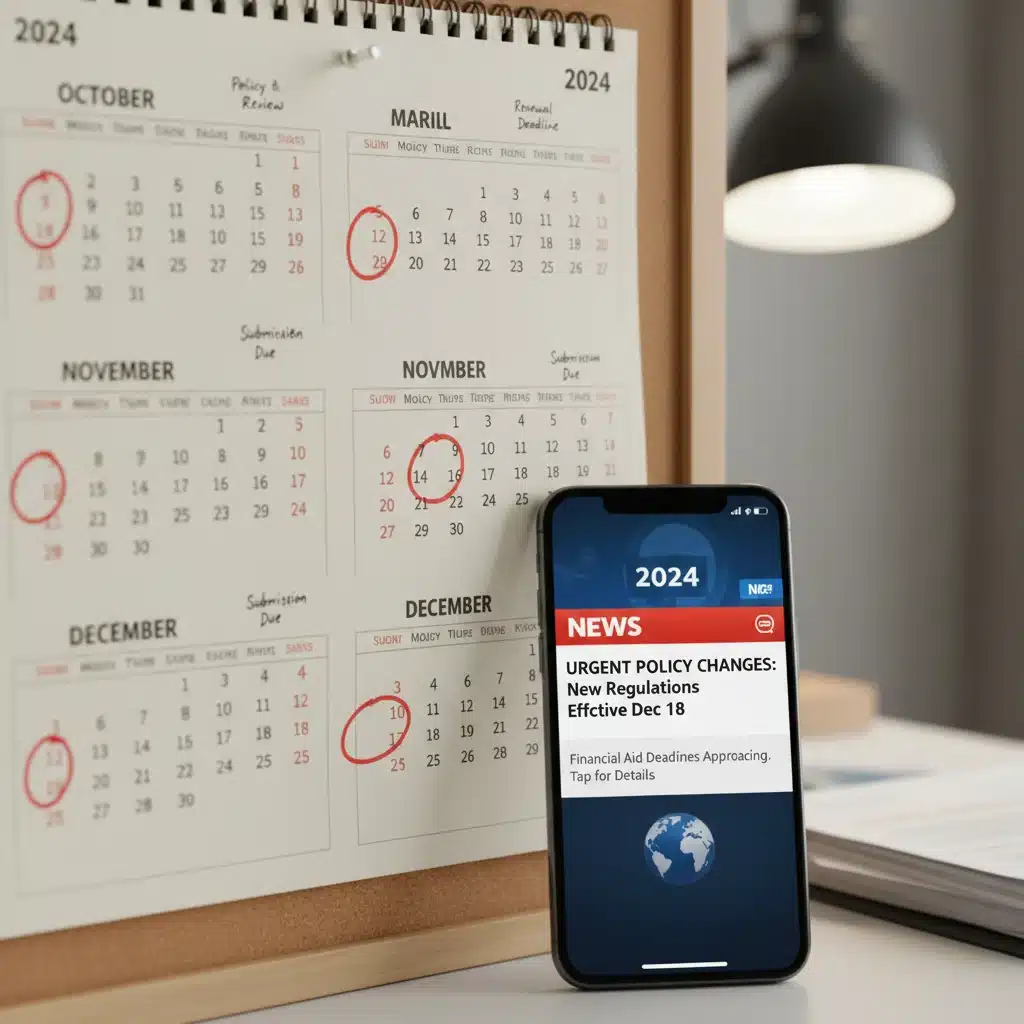
The next three months are a critical window for action. Proactive engagement can ensure you are well-positioned for any student loan forgiveness 2026 opportunities. Here’s a breakdown of essential steps:
1. Review Your Loan Details and History
The first and most crucial step is to gain a complete understanding of your student loans. Log in to your StudentAid.gov account to access your full loan history. This includes:
- Loan Types: Identify whether you have federal Direct Loans, FFEL Program loans, or Perkins Loans. This is critical because most federal forgiveness programs apply only to Direct Loans. If you have other federal loan types, you may need to consolidate them into a Direct Consolidation Loan to become eligible for PSLF or IDR forgiveness.
- Loan Balances and Interest Rates: Understand the total amount you owe and the interest rates on each loan.
- Payment History: Review your payment history carefully. The IDR Account Adjustment is designed to correct past errors, but it’s always wise to have your own records.
- Loan Servicer: Know who your current loan servicer is (e.g., MOHELA, Nelnet, Aidvantage). This is who you’ll communicate with for most inquiries and applications.
Any discrepancies in your loan history should be addressed immediately with your loan servicer.
2. Understand Your Current Repayment Plan and Explore IDR Options
Ensure you are on the most beneficial repayment plan for your circumstances. If you are not already on an Income-Driven Repayment (IDR) plan, investigate whether one, particularly the new SAVE plan, would lower your monthly payments and provide a pathway to forgiveness. You can use the Loan Simulator tool on StudentAid.gov to compare different repayment plans and estimate your monthly payments and potential forgiveness amounts.
- Apply for or Recertify an IDR Plan: If you’re not on an IDR plan, apply now. If you are, ensure you recertify your income and family size annually, even if your servicer tells you to wait. Missing recertification can lead to higher payments and stalled progress towards forgiveness.
- Consider the SAVE Plan: The SAVE plan offers significant benefits, including lower monthly payments for many and an interest subsidy that prevents your balance from growing as long as you make your required payments. Understand if this plan is right for you.
3. Certify Employment for PSLF (If Applicable)
If you work for a government agency or a qualifying non-profit organization, you must certify your employment for PSLF. This is not a one-time step; it should be done annually or whenever you change employers. Even if you haven’t yet made 120 payments, certifying your employment regularly ensures that your qualifying payments are being tracked correctly.
- Use the PSLF Help Tool: StudentAid.gov provides a PSLF Help Tool that guides you through the process of generating your PSLF form.
- Submit Forms Promptly: Send your completed and signed PSLF forms to MOHELA (the PSLF servicer) as soon as possible.
4. Consolidate FFEL or Perkins Loans (If Necessary)
Many older federal student loans, such as Federal Family Education Loan (FFEL) Program loans or Federal Perkins Loans, are not directly eligible for PSLF or the most beneficial IDR plans unless they are consolidated into a Direct Consolidation Loan. If you have these loan types, consider consolidation now. The IDR Account Adjustment will credit past payments on consolidated loans, making this an opportune time to consolidate if you haven’t already.
- Understand the Implications: Consolidation can reset your payment count for PSLF unless you do it before the IDR Account Adjustment fully processes, which will credit past payments towards the new consolidated loan. Research this carefully or consult a trusted advisor.
5. Stay Informed and Monitor Official Sources
The most critical action you can take is to stay continuously informed. Bookmark official government websites, subscribe to email updates from the Department of Education and your loan servicer, and regularly check reputable news sources for updates on student loan forgiveness 2026. Avoid relying on unofficial channels for critical information.
- StudentAid.gov: This is the definitive source for federal student loan information.
- Department of Education Press Releases: Monitor official announcements for policy changes.
- Your Loan Servicer’s Communications: Read all emails and letters from your servicer carefully, as they often contain important updates specific to your account.
6. Prepare for Tax Implications of Forgiveness
While most federal student loan forgiveness is currently tax-free under the American Rescue Plan Act of 2021 (a provision set to expire at the end of 2025 unless extended), some types of forgiveness, particularly those under IDR plans after 20 or 25 years, can be considered taxable income by the IRS. It’s crucial to understand the potential tax implications of any forgiveness you may receive, especially as we move closer to 2026.
- Consult a Tax Professional: Seek advice from a qualified tax advisor to understand how potential forgiveness might affect your tax situation.
- Stay Updated on Tax Law: Monitor legislative discussions regarding the taxability of student loan forgiveness, as this could change.
Common Pitfalls to Avoid
Navigating student loan forgiveness can be tricky. Be aware of these common mistakes that borrowers often make:
- Ignoring Communications: Do not ignore emails or letters from your loan servicer or the Department of Education. They often contain vital information about your loans or program eligibility.
- Falling for Scams: Be wary of companies promising quick or guaranteed student loan forgiveness for a fee. Official forgiveness programs do not require payment for application assistance. All legitimate processes go through your loan servicer or StudentAid.gov.
- Not Certifying Employment for PSLF: Many eligible public servants miss out on PSLF because they don’t certify their employment regularly.
- Missing IDR Recertification Deadlines: Forgetting to recertify your income and family size annually for IDR plans can lead to capitalized interest and higher payments.
- Assuming Ineligibility: Don’t assume you’re not eligible for a program without checking. Criteria can change, and you might qualify for something you previously didn’t.
Preparing for the Future: Beyond 2026
While our focus is on student loan forgiveness 2026 and the immediate three months, it’s also important to think long-term. The student loan landscape will continue to evolve, and persistent advocacy for borrowers’ rights and relief will shape future policies.
Advocacy and Policy Evolution
Borrower advocacy groups play a crucial role in pushing for more comprehensive and accessible student loan relief. Staying engaged with these organizations, understanding their legislative priorities, and participating in public discourse can help shape the future of student loan policy. The political will for addressing student debt will continue to be a significant factor in what new programs or adjustments emerge.
Financial Planning and Debt Management
Regardless of forgiveness prospects, sound financial planning and debt management remain paramount. This includes:
- Budgeting: Create and stick to a realistic budget that accounts for your loan payments and other expenses.
- Emergency Fund: Build an emergency fund to cover unexpected expenses, reducing the likelihood of falling behind on payments.
- Exploring Other Options: If federal programs don’t fully meet your needs, explore state-specific programs, employer-sponsored repayment assistance, or even refinancing (with careful consideration of losing federal protections if you refinance federal loans into private ones).
Conclusion: Take Action Now for Student Loan Forgiveness 2026
The promise of student loan forgiveness 2026 is real for many US borrowers, but it requires proactive engagement and informed decision-making. The next three months are a crucial period to review your loans, understand your eligibility for existing programs like PSLF and IDR, and take necessary steps like consolidating loans or certifying employment. By staying informed, utilizing official resources, and acting decisively, you can significantly improve your chances of securing the student loan relief you deserve.
Remember, the information presented here is a guide, and individual circumstances vary. Always consult with your loan servicer, the Department of Education, or a trusted financial advisor for personalized advice. Your financial future is worth the effort of staying on top of these critical updates.