US Renewable Investment Surges: Q1 2026 Sees 25% Jump
US Renewable Investment Surges: Q1 2026 Sees 25% Jump
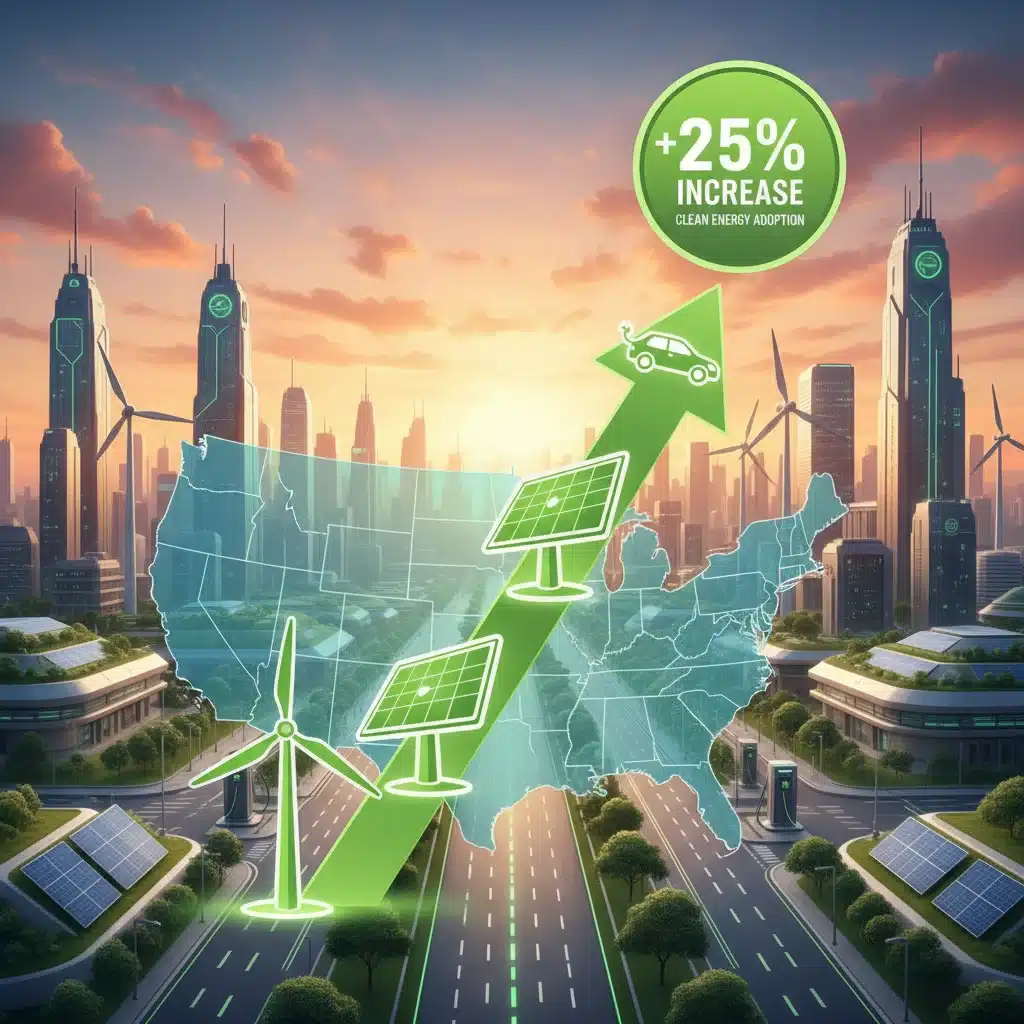
The first quarter of 2026 has marked a pivotal moment in the United States’ journey towards a sustainable energy future. Recent reports indicate an unprecedented 25% surge in US Renewable Investment, signaling a robust acceleration in the nation’s commitment to clean energy. This significant increase reflects not only a growing environmental consciousness but also a strategic economic shift, positioning the U.S. as a global leader in the renewable energy sector.
This article delves into the factors driving this remarkable growth, explores the implications for the economy and environment, and examines the future outlook for US Renewable Investment. We will analyze the specific sectors that have seen the most significant boosts, the policy frameworks supporting this expansion, and the technological innovations making these advancements possible. Understanding this surge is crucial for investors, policymakers, and citizens alike, as it paints a clear picture of a rapidly evolving energy landscape.
The Driving Forces Behind the 25% Surge in US Renewable Investment
Several interconnected factors have contributed to the impressive 25% increase in US Renewable Investment during Q1 2026. These drivers span technological advancements, supportive government policies, increasing corporate demand for sustainability, and evolving consumer preferences.
Technological Innovation and Cost Reductions
One of the most significant catalysts has been the continuous innovation in renewable energy technologies. Solar photovoltaic (PV) panels and wind turbine technologies have become remarkably more efficient and cost-effective. The per-unit cost of electricity generated from these sources has decreased dramatically over the past decade, making them increasingly competitive with traditional fossil fuels. Advanced battery storage solutions, smart grid technologies, and artificial intelligence-driven energy management systems are also playing a crucial role, enhancing the reliability and integration of renewable energy into the national grid. This technological leap has made US Renewable Investment not just an environmental imperative but also a sound economic decision.
Supportive Government Policies and Incentives
Government policies have been instrumental in fostering this growth. The Biden administration’s continued emphasis on climate action and clean energy initiatives, including tax credits, grants, and favorable regulatory frameworks, has provided a stable and predictable environment for investors. The Inflation Reduction Act (IRA), for instance, has extended and expanded tax credits for various renewable energy projects, manufacturing, and clean energy technologies, creating a powerful incentive for both domestic and international investment. State-level initiatives, such as Renewable Portfolio Standards (RPS) and various rebate programs, have further bolstered the attractiveness of US Renewable Investment.
Increasing Corporate and Consumer Demand
The demand side of the equation is equally compelling. A growing number of corporations are committing to ambitious sustainability goals, including achieving 100% renewable energy sourcing. This corporate push is driven by brand reputation, investor pressure, and a desire to mitigate climate risks. Consumers, too, are increasingly favoring products and services from companies with strong environmental credentials, creating a market pull for renewable energy. This confluence of corporate responsibility and consumer preference is creating a virtuous cycle, fueling further US Renewable Investment.
Energy Security and Geopolitical Considerations
The global geopolitical landscape has also underscored the importance of energy independence and security. Reducing reliance on volatile fossil fuel markets by investing in domestic renewable sources offers significant strategic advantages. This aspect has added another layer of urgency and justification for accelerating US Renewable Investment, transforming it from a purely environmental agenda into a critical national security imperative.
Sector-Specific Growth in US Renewable Investment
The 25% surge in US Renewable Investment in Q1 2026 is not uniformly distributed across all renewable sectors. While most areas have seen positive growth, certain segments have experienced particularly rapid expansion, attracting the lion’s share of new capital.
Solar Power Continues to Dominate
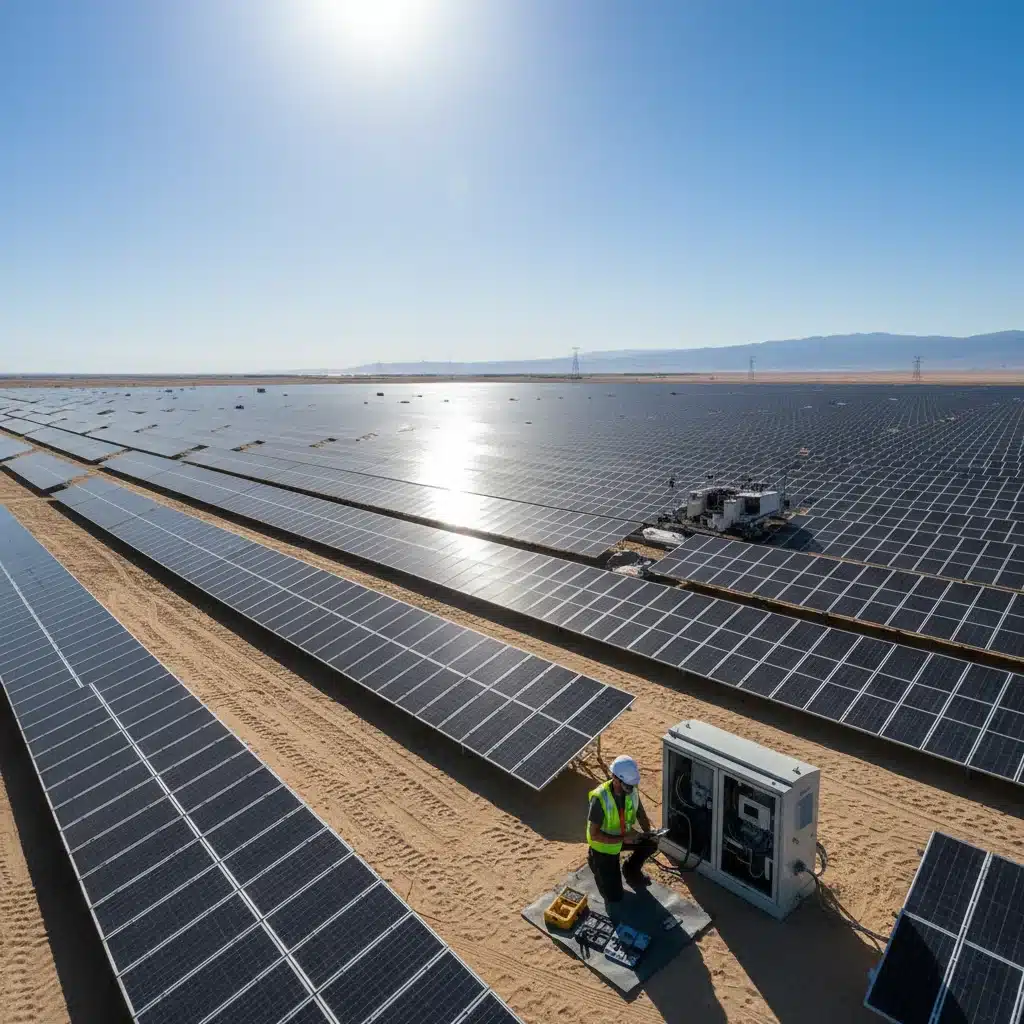
Solar energy remains the frontrunner in renewable energy deployment and investment. The continued decline in solar panel costs, coupled with advancements in efficiency and energy storage, has made solar power an incredibly attractive option for utility-scale projects, commercial installations, and residential rooftop systems. Q1 2026 saw substantial investment in new solar farms, particularly in sun-rich states like California, Texas, and Arizona. Innovations in bifacial panels and agrivoltaics (combining solar power generation with agriculture) are opening up new avenues for growth and making solar an even more versatile energy source.
Wind Energy: Offshore and Onshore Expansion
Wind energy, both onshore and increasingly offshore, has also seen significant capital injection. Large-scale onshore wind projects continue to be developed in windy regions across the Midwest and Great Plains. However, a notable trend in Q1 2026 has been the accelerating investment in offshore wind farms, particularly along the East Coast. These projects, while more capital-intensive, offer higher capacity factors and access to stronger, more consistent winds, making them crucial for meeting urban energy demands. Policy support and technological improvements in turbine size and installation techniques are driving this offshore boom in US Renewable Investment.
Battery Storage and Grid Modernization
While not a generation source itself, battery energy storage systems are integral to the widespread adoption of intermittent renewables like solar and wind. Investment in grid-scale battery storage solutions has surged, enabling better grid stability, peak shaving, and the integration of higher percentages of renewable energy. This sector is critical for ensuring the reliability of the future energy system and is attracting substantial US Renewable Investment, including in manufacturing and research and development.
Emerging Technologies: Geothermal and Green Hydrogen
Beyond solar and wind, emerging technologies like advanced geothermal systems and green hydrogen production are also beginning to attract more significant investment. While still smaller in scale compared to solar and wind, the Q1 2026 figures show a growing interest in these areas, driven by their potential for baseload power and decarbonizing hard-to-abate sectors. Research and development funding, alongside pilot projects, indicates a long-term strategic view on diversifying the US Renewable Investment portfolio.
Economic and Environmental Implications of the Investment Surge
The substantial increase in US Renewable Investment carries profound implications for both the national economy and the environment, creating a ripple effect across various sectors.
Job Creation and Economic Growth
The renewable energy sector is a significant job creator. The 25% investment surge translates directly into thousands of new jobs in manufacturing, installation, operations, maintenance, and research and development. These are often high-skilled, well-paying jobs that contribute to local economies, particularly in regions transitioning away from traditional fossil fuel industries. Furthermore, the development of domestic renewable energy infrastructure reduces the need for energy imports, keeping capital within the country and bolstering economic resilience. The supply chain for renewable energy components also stimulates growth in related industries, from raw materials to advanced electronics.
Reduced Carbon Emissions and Improved Air Quality
Environmentally, the benefits are clear. Increased deployment of renewable energy sources directly displaces electricity generated from fossil fuels, leading to a significant reduction in greenhouse gas emissions. This is crucial for meeting climate targets and mitigating the impacts of climate change. Beyond carbon, a shift to renewables also means a decrease in air pollutants like sulfur dioxide, nitrogen oxides, and particulate matter, leading to improved air quality and associated public health benefits. This positive environmental impact is a core driver for US Renewable Investment.
Energy Independence and Stability
From a strategic perspective, greater reliance on domestic renewable sources enhances energy independence and security. It insulates the U.S. from the volatility of international fossil fuel markets and geopolitical tensions that can disrupt supply chains and cause price spikes. A diversified energy mix, heavily weighted towards renewables, provides greater stability and predictability for consumers and businesses alike, fostering a more resilient national infrastructure.
Innovation and Global Competitiveness
The robust US Renewable Investment environment encourages further innovation. Companies are incentivized to develop new technologies, improve existing ones, and find more efficient ways to deploy renewable energy. This drive for innovation not only strengthens the domestic industry but also positions the U.S. as a leader in global clean energy technologies, offering export opportunities and enhancing its competitive edge in the international market.
Challenges and Opportunities for Future Growth
While the 25% surge in US Renewable Investment is highly encouraging, the path forward is not without its challenges. Addressing these obstacles effectively will be crucial for sustaining and accelerating the momentum.
Grid Modernization and Intermittency
One of the primary challenges is modernizing the existing electricity grid to effectively integrate a higher proportion of intermittent renewable sources like solar and wind. This requires significant investment in transmission infrastructure, smart grid technologies, and advanced energy storage solutions. Ensuring grid stability and reliability as the energy mix shifts is paramount. Opportunities lie in innovative grid management systems, microgrids, and further development of long-duration energy storage technologies.

Supply Chain Resilience and Domestic Manufacturing
The global supply chain for renewable energy components, particularly for solar panels and batteries, faces challenges related to concentration in certain regions. Building a more resilient and localized supply chain, including increasing domestic manufacturing capabilities, is a key opportunity for the U.S. This not only creates more jobs but also reduces vulnerability to geopolitical risks and trade disruptions. Policies aimed at incentivizing domestic production are critical in this regard, further strengthening US Renewable Investment.
Permitting and Siting Issues
The process for permitting and siting large-scale renewable energy projects can be complex and time-consuming, often leading to delays. Streamlining these processes while ensuring environmental protection and community engagement is a significant challenge. Opportunities exist in developing more efficient regulatory frameworks, fostering community support through benefit-sharing models, and leveraging advanced mapping and data analytics for optimal site selection.
Workforce Development
As the renewable energy sector expands rapidly, there is a growing need for a skilled workforce. Training and education programs must be scaled up to meet the demand for engineers, technicians, installers, and other specialists required for the design, construction, operation, and maintenance of renewable energy infrastructure. Investing in workforce development is an investment in the long-term success of US Renewable Investment.
Policy Consistency and Long-Term Vision
Maintaining consistent policy support and a clear long-term vision is essential for continued investor confidence. Policy uncertainty can deter investment, while a stable and predictable regulatory environment encourages sustained growth. Bipartisan consensus on clean energy goals would further solidify the foundation for future US Renewable Investment.
The Future Outlook for US Renewable Investment
The 25% surge in Q1 2026 sets a strong precedent for the future of US Renewable Investment. This momentum is likely to continue, driven by ongoing technological advancements, sustained policy support, and increasing market demand. The U.S. is on a trajectory to significantly increase its renewable energy capacity, moving closer to its climate goals and establishing a more sustainable and resilient energy system.
Projections suggest that renewable energy will continue to be the fastest-growing source of electricity generation in the U.S., with solar and wind leading the charge. Innovations in grid technology, energy storage, and smart energy management will be critical enablers. Furthermore, the integration of artificial intelligence and machine learning into energy systems will optimize performance, predict demand, and enhance efficiency across the board.
The investment landscape is also diversifying, with increasing capital flowing into areas like green hydrogen, carbon capture technologies, and advanced nuclear power, which complement traditional renewables in the broader decarbonization effort. This holistic approach to energy transition ensures that the U.S. is not only investing in established technologies but also fostering the next generation of clean energy solutions.
Ultimately, the sustained growth in US Renewable Investment is more than just an economic trend; it represents a fundamental shift in how the nation powers itself. It’s a commitment to a healthier planet, a more robust economy, and a more secure energy future for generations to come. The significant strides made in early 2026 are a clear indicator that the United States is firmly on the path to becoming a global clean energy superpower.