DOE Boosts Renewable Energy: New Initiatives & 10% Production Increase
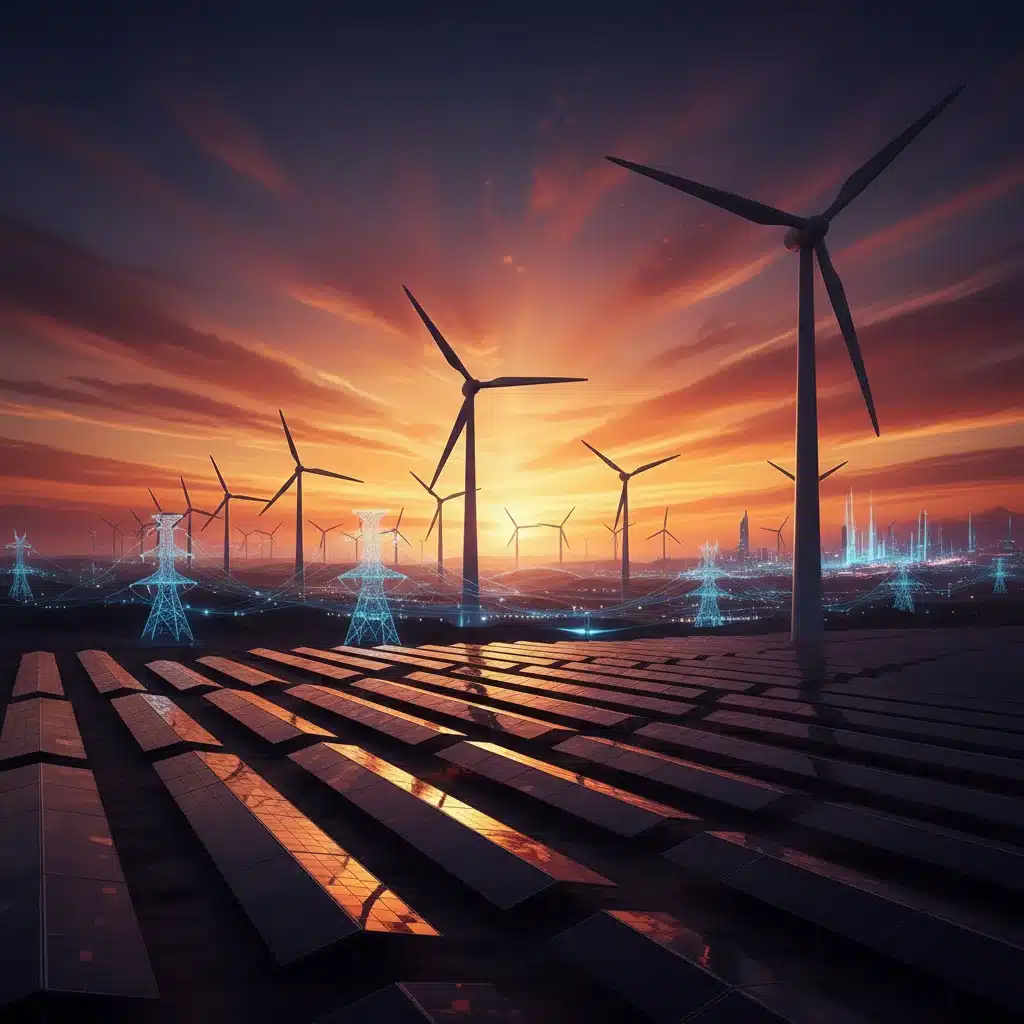
Recent Updates: Department of Energy Announces New Initiatives to Boost Renewable Energy Production by 10% This Year
The global shift towards sustainable energy sources has never been more urgent. As climate change continues to pose significant threats and energy demands escalate, the need for robust, reliable, and renewable energy solutions becomes paramount. In a landmark announcement, the Department of Energy (DOE) has unveiled a series of ambitious new initiatives designed to accelerate the nation’s transition to clean energy, with a specific target: to boost DOE renewable energy production by an impressive 10% within the current year. This bold objective underscores a deepened commitment to environmental stewardship, economic growth, and energy independence.
This article delves into the specifics of these groundbreaking initiatives, exploring the strategic pillars that underpin the DOE’s plan, the innovative technologies poised to drive this growth, and the anticipated impact on the energy landscape, the economy, and the everyday lives of citizens. We will examine the comprehensive approach being taken by the DOE, from significant investments in research and development to policy adjustments aimed at fostering a more conducive environment for renewable energy deployment. The 10% increase target is not just a number; it represents a concerted effort to harness the full potential of solar, wind, geothermal, and other renewable sources, pushing the boundaries of what is achievable in the pursuit of a greener future.
Understanding the DOE’s Ambitious 10% Target for Renewable Energy
The Department of Energy’s commitment to increasing renewable energy production by 10% this year is a significant statement of intent. This target is not merely an aspirational goal but is backed by concrete plans and substantial investments. To fully appreciate the magnitude of this undertaking, it’s essential to understand the current landscape of renewable energy, the challenges it faces, and how the DOE plans to overcome them.
Currently, renewable energy sources contribute a substantial, but still growing, portion of the nation’s electricity. While progress has been made, accelerating this growth requires a multi-faceted approach. The 10% increase target means adding a significant amount of new clean energy capacity to the grid in a relatively short period. This will necessitate a combination of expanding existing renewable facilities, bringing new projects online, and enhancing the efficiency and reliability of the overall energy infrastructure. The DOE’s strategy focuses on several key areas:
- Accelerated Deployment: Streamlining permitting processes and providing incentives for rapid construction of solar, wind, and geothermal projects.
- Technological Innovation: Investing in research and development to improve the efficiency and reduce the cost of renewable energy technologies and storage solutions.
- Grid Modernization: Upgrading the national electricity grid to better integrate intermittent renewable sources and enhance resilience.
- Workforce Development: Training a skilled workforce to design, build, operate, and maintain the new renewable energy infrastructure.
- Policy and Regulatory Support: Implementing policies that create a stable and predictable environment for renewable energy investment.
Achieving this 10% boost in DOE renewable energy production will have far-reaching implications, not only for environmental sustainability but also for energy security and economic prosperity. It represents a critical step towards achieving the nation’s long-term climate goals and positioning the country as a leader in the global clean energy transition.
Key Initiatives Driving the Renewable Energy Surge
The Department of Energy’s strategy to achieve a 10% increase in renewable energy production is built upon several interconnected initiatives, each designed to address specific aspects of the clean energy ecosystem. These initiatives span technological advancements, infrastructure development, and policy frameworks, demonstrating a holistic approach to energy transformation.
Investing in Advanced Solar Technologies
Solar power remains a cornerstone of the renewable energy portfolio. The DOE is launching new funding opportunities and research programs aimed at pushing the boundaries of solar technology. This includes:
- Perovskite Solar Cells: Significant investment in the research and development of perovskite solar cells, which offer the potential for higher efficiency and lower manufacturing costs compared to traditional silicon-based panels. These next-generation cells could revolutionize solar energy production, making it more accessible and cost-effective.
- Concentrated Solar Power (CSP) with Storage: Funding projects that combine concentrated solar power with advanced thermal energy storage systems. This allows CSP plants to generate electricity even when the sun isn’t shining, providing a reliable, dispatchable source of renewable power that can complement intermittent sources like photovoltaic solar.
- Community Solar Programs: Expanding initiatives that make solar energy more accessible to underserved communities and households that cannot install rooftop solar. This includes financing mechanisms and technical assistance to facilitate the deployment of community-owned or subscribed solar projects, ensuring equitable access to clean energy benefits.
These investments are expected to not only increase solar capacity but also drive down costs further, making solar power an even more competitive energy source. The focus on both utility-scale and distributed solar projects ensures a broad impact across the energy sector.
Expanding Wind Energy Capacity Onshore and Offshore
Wind energy is another critical component of the DOE’s plan. The initiatives here target both onshore and offshore wind resources, recognizing their distinct advantages and challenges:
- Advanced Turbine Technologies: Research and development into larger, more efficient wind turbines, including those designed for lower wind speed regions, thereby expanding the geographic reach of viable wind power. This also includes innovations in materials science to create lighter, stronger, and more durable blades, reducing maintenance costs and extending operational lifespans.
- Offshore Wind Development: Significant funding and regulatory support for offshore wind projects. This includes streamlining the permitting process, investing in port infrastructure upgrades, and supporting the development of a domestic supply chain for offshore wind components. Offshore wind offers immense potential due to higher and more consistent wind speeds, particularly along coastal regions.
- Grid Integration Solutions: Developing advanced forecasting models and grid management techniques to seamlessly integrate large-scale wind power into the existing electricity grid, minimizing curtailment and maximizing energy delivery. This involves leveraging AI and machine learning to predict wind patterns and optimize energy dispatch.
These efforts aim to unlock vast wind resources, particularly in areas previously considered uneconomical, and solidify wind power’s role in achieving the 10% increase in DOE renewable energy production.
Advancements in Geothermal and Hydropower
While solar and wind often dominate headlines, the DOE is also making significant strides in other renewable sectors:
- Enhanced Geothermal Systems (EGS): Increased funding for EGS research, which aims to extract heat from deeper, hotter rock formations that are not traditionally viable for geothermal energy. EGS has the potential to provide a constant, baseload renewable energy source across a much wider geographic area.
- Hydropower Modernization: Investments in upgrading existing hydropower facilities with more efficient turbines and advanced operational controls. This includes exploring pumped-hydro storage solutions to enhance grid flexibility and energy storage capabilities, utilizing existing hydropower infrastructure for a new purpose.
- Marine Energy Technologies: Continued support for nascent marine energy technologies, such as wave and tidal power, through pilot projects and research grants. While still in early stages, these technologies hold long-term promise for diverse renewable energy portfolios.
Diversifying the renewable energy portfolio beyond just solar and wind strengthens the overall energy system and leverages unique regional resources.
The Role of Grid Modernization and Energy Storage
Achieving a 10% increase in DOE renewable energy production is not just about generating more clean power; it’s also about effectively integrating that power into a robust and reliable grid. Modernizing the national electricity grid and deploying advanced energy storage solutions are critical enablers for this transition.

Building a Smarter, More Resilient Grid
The current grid infrastructure, largely built for centralized fossil fuel generation, struggles to efficiently handle the variable nature of many renewable sources. The DOE’s initiatives include significant investment in:
- Smart Grid Technologies: Deployment of advanced sensors, digital controls, and communication systems across the grid. These technologies enable real-time monitoring, fault detection, and automated responses, making the grid more efficient, resilient, and capable of integrating diverse energy sources.
- Transmission Infrastructure Expansion: Funding for new high-voltage transmission lines to connect remote renewable energy sites (e.g., large wind farms in the Midwest or solar farms in the Southwest) to major load centers. This also involves upgrading existing transmission corridors to increase capacity and reduce bottlenecks.
- Microgrids and Distributed Energy Resources (DERs): Supporting the development of microgrids and the integration of DERs like rooftop solar and battery storage. Microgrids can operate independently during grid outages, enhancing local energy resilience, while DERs empower consumers and reduce strain on centralized infrastructure.
- Cybersecurity Enhancements: Strengthening the cybersecurity of critical energy infrastructure to protect against potential threats, ensuring the reliability and continuity of energy supply in an increasingly digitized grid.
A modernized grid is essential for handling the influx of renewable energy, ensuring that the power generated can reliably reach consumers whenever and wherever it’s needed.
Breakthroughs in Energy Storage
Energy storage is the lynchpin for unlocking the full potential of intermittent renewables. The DOE is heavily investing in a range of storage technologies:
- Advanced Battery Technologies: Beyond lithium-ion, the DOE is funding research into next-generation battery chemistries such as solid-state batteries, flow batteries, and zinc-based batteries. These innovations aim to provide safer, cheaper, and longer-duration storage solutions for both grid-scale and residential applications.
- Long-Duration Storage: A particular focus is on storage technologies that can provide power for 10 hours or more, crucial for balancing the grid over longer periods when renewable generation is low. This includes mechanical storage (e.g., compressed air, liquid air), thermal storage, and even hydrogen-based storage systems.
- Hybrid Storage Systems: Encouraging the development of hybrid systems that combine different storage technologies to leverage their respective strengths, optimizing performance and cost-effectiveness for various grid services.
- Manufacturing and Supply Chain: Efforts to onshore and strengthen the domestic manufacturing of energy storage components, reducing reliance on foreign supply chains and boosting economic resilience.
These storage advancements will allow renewable energy to be stored when plentiful and dispatched when demand is high or generation is low, effectively transforming variable renewable power into a reliable, 24/7 energy source, crucial for the 10% increase in DOE renewable energy.
Economic and Environmental Impacts of the DOE’s Initiatives
The Department of Energy’s ambitious goal to boost renewable energy production by 10% is not just an environmental imperative; it’s also a powerful driver for economic growth and national security. The ripple effects of this commitment will be felt across various sectors, creating a more sustainable and prosperous future.
Job Creation and Economic Growth
The expansion of the renewable energy sector is a proven job creator. The DOE’s initiatives are expected to:
- Direct Job Growth: Generate thousands of new jobs in manufacturing, installation, operations, and maintenance across the solar, wind, geothermal, and energy storage industries. These jobs range from highly skilled engineers and researchers to construction workers and technicians.
- Indirect and Induced Jobs: Stimulate job growth in supporting industries, such as transportation, finance, and professional services, as the renewable energy supply chain expands. Local economies will benefit from increased investment and spending.
- Domestic Manufacturing Boost: Encourage the development and expansion of domestic manufacturing capabilities for renewable energy components, reducing reliance on imports and creating robust supply chains within the country. This will lead to greater economic resilience and security.
- Rural Economic Development: Many renewable energy projects, particularly wind and utility-scale solar, are located in rural areas, providing new revenue streams for landowners through leases and creating sustainable economic opportunities for rural communities.
This economic stimulus will be critical in driving post-pandemic recovery and building a resilient economy based on future-proof industries. The investment in DOE renewable energy is an investment in American jobs and innovation.
Environmental Benefits and Climate Action
The primary environmental benefit of increasing renewable energy production is the significant reduction in greenhouse gas emissions. A 10% boost in clean energy will lead to:
- Reduced Carbon Footprint: A substantial decrease in carbon dioxide and other greenhouse gas emissions from electricity generation, directly contributing to national and international climate goals. This is crucial for mitigating the impacts of climate change.
- Improved Air Quality: Lower emissions of conventional air pollutants like sulfur dioxide, nitrogen oxides, and particulate matter, which are typically associated with fossil fuel combustion. This will lead to improved public health outcomes, particularly in communities historically impacted by pollution.
- Water Conservation: Many renewable energy technologies, especially solar PV and wind, consume significantly less water than traditional thermoelectric power plants, contributing to water conservation efforts in water-stressed regions.
- Sustainable Resource Management: Moving away from finite fossil fuels towards inexhaustible renewable resources ensures a more sustainable energy future for generations to come, reducing environmental degradation associated with resource extraction.
These environmental benefits are not abstract; they translate into healthier communities, more stable ecosystems, and a more sustainable planet for all.
Enhanced Energy Security and Stability
Diversifying the energy mix with more renewable sources enhances national energy security by:
- Reduced Volatility: Lessening dependence on volatile global fossil fuel markets, insulating consumers from price spikes and supply disruptions. Renewable energy sources, once built, have predictable operating costs primarily driven by fuel (sun, wind) that is free.
- Decentralized Generation: Promoting more distributed energy generation, which can make the grid more resilient to large-scale outages caused by natural disasters or cyberattacks. Localized power production reduces reliance on long transmission lines.
- Domestic Resource Utilization: Harnessing abundant domestic renewable resources, such as sunshine, wind, and geothermal heat, strengthens energy independence and reduces geopolitical vulnerabilities associated with energy imports.
The 10% increase in DOE renewable energy production is a strategic move towards a more secure and stable energy future for the nation.

Challenges and the Path Forward for Renewable Energy
While the Department of Energy’s initiatives present a clear and ambitious path towards a 10% increase in renewable energy production, the journey is not without its challenges. Addressing these obstacles effectively will be crucial for the successful realization of this goal and for the long-term sustainability of the clean energy transition.
Overcoming Integration Hurdles
One of the primary challenges lies in the seamless integration of large quantities of variable renewable energy into the existing grid infrastructure. The intermittent nature of solar and wind power requires sophisticated solutions to maintain grid stability and reliability:
- Grid Flexibility: Developing advanced grid management systems that can quickly adapt to fluctuations in renewable generation and demand. This includes real-time data analytics, artificial intelligence for forecasting, and automated response mechanisms to balance supply and demand.
- Transmission Expansion: The need for new transmission lines often faces significant permitting challenges, local opposition, and high capital costs. Overcoming these requires collaborative efforts between federal, state, and local governments, as well as private sector investment and innovative financing models.
- Ancillary Services: Ensuring that the grid has sufficient ancillary services (e.g., frequency regulation, voltage support) to maintain stability as synchronous generators (like fossil fuel plants) are retired and replaced by inverter-based renewables. This may involve new market mechanisms and technological solutions.
The DOE is actively working on these integration issues through its grid modernization programs and by fostering collaboration among utilities, regulators, and technology developers.
Supply Chain and Workforce Development
The rapid expansion of renewable energy capacity will place significant demands on the supply chain and the availability of a skilled workforce:
- Critical Materials: Securing a stable and ethical supply of critical minerals and materials required for renewable energy technologies (e.g., rare earth elements for wind turbines, lithium for batteries). This involves diversifying sourcing, promoting recycling, and investing in domestic extraction and processing capabilities.
- Manufacturing Capacity: Scaling up domestic manufacturing capabilities for solar panels, wind turbine components, battery cells, and other essential equipment to reduce reliance on foreign suppliers and create American jobs.
- Skilled Labor Shortages: Addressing the potential shortage of trained professionals, including engineers, technicians, electricians, and construction workers, required to design, build, install, and maintain renewable energy projects. The DOE is investing in educational programs, apprenticeships, and vocational training to build a robust clean energy workforce.
Proactive measures in these areas are vital to prevent bottlenecks and ensure the sustained growth of DOE renewable energy.
Policy and Regulatory Landscape
A consistent and supportive policy and regulatory environment is fundamental for attracting the necessary private investment and accelerating deployment:
- Permitting Streamlining: While ensuring environmental protection, streamlining the permitting processes for large-scale renewable energy projects can significantly reduce development timelines and costs.
- Incentives and Tax Credits: Maintaining and, where necessary, expanding federal and state incentives, such as tax credits and grants, to make renewable energy projects financially attractive and competitive with traditional energy sources.
- Market Design: Evolving electricity market designs to appropriately value the benefits of renewable energy, such as their environmental attributes, fuel price stability, and grid services, ensuring fair compensation and promoting further investment.
Collaboration between government, industry, and environmental groups will be key to navigating these policy challenges and fostering an environment conducive to renewable energy growth.
The Future of DOE Renewable Energy
The Department of Energy’s commitment to boosting renewable energy production by 10% this year marks a pivotal moment in the nation’s energy transition. This ambitious goal is not merely a short-term target but a foundational step towards a more sustainable, secure, and prosperous energy future. The initiatives outlined, spanning advanced technological research, infrastructure modernization, and strategic policy frameworks, demonstrate a comprehensive and determined approach to harnessing the full potential of clean energy.
The anticipated impacts are far-reaching. Environmentally, a significant reduction in greenhouse gas emissions and improved air quality will contribute directly to mitigating climate change and enhancing public health. Economically, the growth of the renewable energy sector promises robust job creation, stimulates domestic manufacturing, and fosters innovation, positioning the nation as a leader in the global clean energy economy. Furthermore, by diversifying our energy portfolio and reducing reliance on volatile fossil fuel markets, these initiatives will bolster national energy security and resilience.
While challenges remain, particularly in grid integration, supply chain development, and workforce training, the DOE’s proactive strategies are designed to address these head-on. Continued investment in research and development, coupled with supportive policies and collaborative efforts across all sectors, will be essential to overcome these hurdles and ensure the sustained growth of renewable energy.
The 10% increase in DOE renewable energy production this year is more than just a metric; it’s a testament to a collective vision for a cleaner, more sustainable world. It signifies a clear commitment to leveraging innovation and strategic planning to build an energy system that not only meets the demands of today but also safeguards the planet for future generations. The journey towards a fully decarbonized energy system is complex, but with these bold steps, the Department of Energy is setting a powerful precedent for progress and inspiring a global movement towards a cleaner, brighter future.