US Government Announces $50 Billion Investment in Renewable Energy by 2026
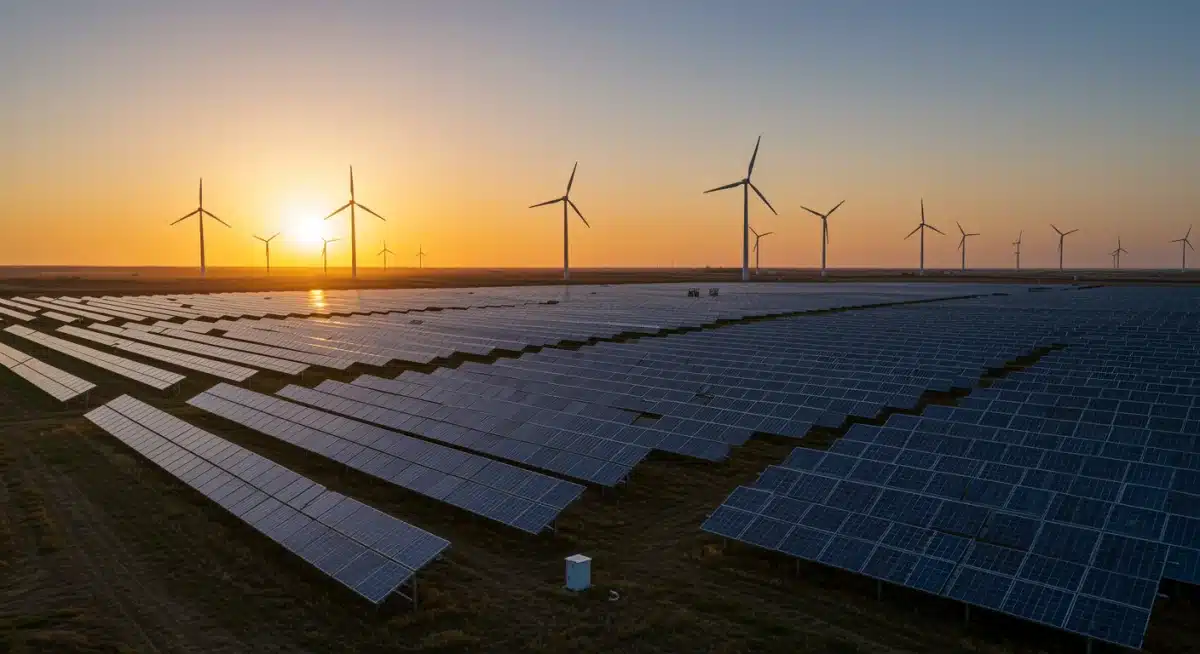
The US government has announced a substantial $50 billion investment in renewable energy projects by 2026, a strategic initiative designed to bolster clean energy infrastructure and accelerate the transition to a sustainable economy.
The recent announcement by the US government to commit $50 billion in renewable energy projects by 2026 marks a significant turning point in the nation’s energy policy and climate strategy. This ambitious investment aims to catalyze a greener future, fostering innovation, creating jobs, and reducing the country’s carbon footprint.
The Vision Behind the $50 Billion Investment
The US government’s commitment of $50 billion towards renewable energy projects by 2026 is not merely a financial allocation; it represents a bold strategic vision for the nation’s energy landscape. This substantial investment underscores a profound shift towards sustainable practices and a recognition of the urgent need to address climate change head-on while fostering economic growth.
This initiative is designed to accelerate the deployment of clean energy technologies across various sectors, from utility-scale solar farms to advanced battery storage solutions. The overarching goal is to enhance energy independence, reduce reliance on fossil fuels, and position the United States as a global leader in renewable energy innovation and implementation.
Driving Economic Growth and Job Creation
One of the primary motivations behind this massive investment is its potential to spur significant economic growth. The development and expansion of renewable energy infrastructure will create a multitude of new jobs across various industries.
- Manufacturing: Increased demand for solar panels, wind turbine components, and battery cells will boost domestic manufacturing.
- Construction: Building new renewable energy facilities, transmission lines, and smart grids will require a skilled workforce.
- Research & Development: Innovation in clean energy technologies will necessitate more scientists, engineers, and researchers.
- Operations & Maintenance: Long-term jobs will be created for the ongoing operation and maintenance of renewable energy assets.
The economic benefits are expected to extend beyond direct job creation, stimulating local economies and promoting regional development in areas where these projects are implemented. This holistic approach aims to ensure that the transition to clean energy is not only environmentally sound but also economically advantageous for American communities.
The vision is clear: to build a resilient, sustainable, and prosperous future powered by clean energy. This investment is a foundational step in realizing that vision, setting the stage for transformative changes across the energy sector and beyond.
Key Areas of Investment and Technological Focus
The $50 billion investment strategy is meticulously designed to target critical areas within the renewable energy sector, ensuring a broad and impactful transformation. This targeted approach seeks to maximize efficiency, accelerate deployment, and foster innovation across various clean energy technologies.
A significant portion of the funding will be directed towards proven technologies like solar and wind power, which are already cost-effective and scalable. However, the investment also emphasizes emerging technologies that hold immense potential for future energy security and environmental sustainability.
Advancing Solar and Wind Power Capabilities
Solar and wind energy remain cornerstones of the renewable energy transition. The investment will focus on expanding utility-scale solar farms and onshore and offshore wind installations. This includes funding for:
- Development of new large-scale solar photovoltaic projects in sun-rich regions.
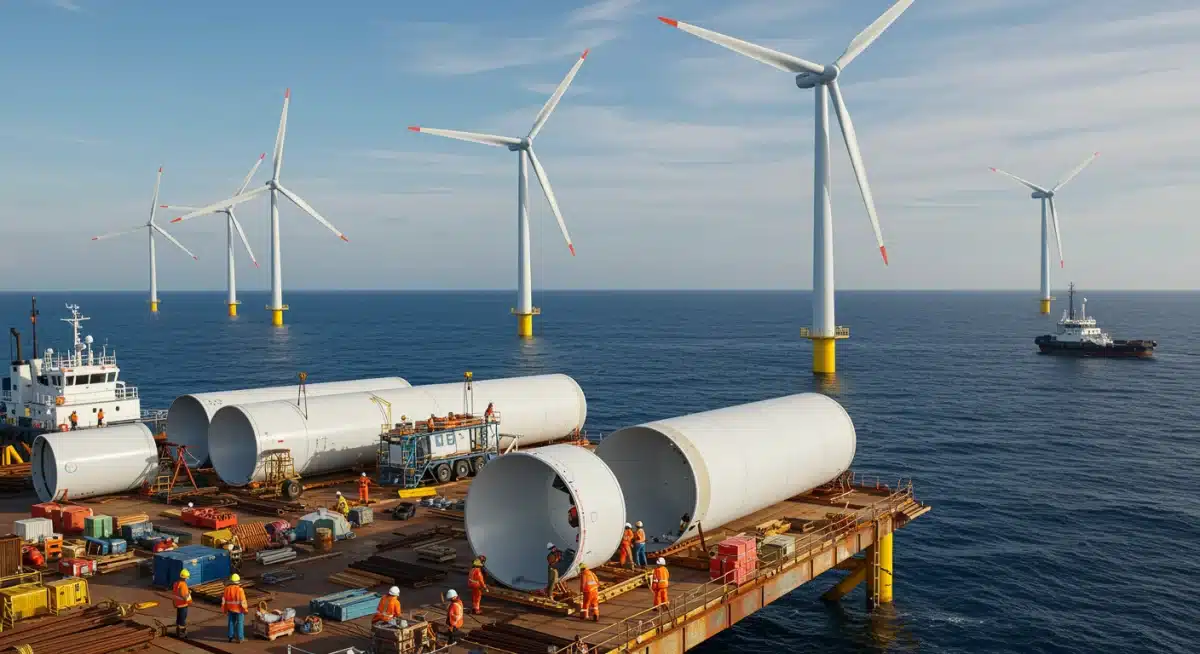
- Expansion of offshore wind capacity along coastal areas, leveraging strong and consistent winds.
- Improvements in grid integration to handle increased intermittent renewable energy sources reliably.
These efforts aim to significantly boost the nation’s renewable electricity generation capacity, moving closer to a grid powered predominantly by clean sources. The objective is not just to add capacity but to build robust and resilient infrastructure that can withstand future challenges.
Innovating in Energy Storage and Grid Modernization
Beyond generation, energy storage and grid modernization are crucial for a stable renewable energy system. The investment will support research, development, and deployment in these vital areas.
Advanced battery technologies, such as lithium-ion, solid-state, and flow batteries, will receive substantial funding to improve efficiency, reduce costs, and increase lifespan. Furthermore, the modernization of the national power grid is essential to accommodate the influx of renewable energy, enhance reliability, and create a more intelligent, responsive system. This includes investments in smart grid technologies, microgrids, and advanced transmission infrastructure.
These strategic investments are poised to revolutionize how the US generates, stores, and distributes energy, paving the way for a more sustainable and resilient future. The focus on both established and emerging technologies ensures a diversified and robust approach to achieving national clean energy goals.
Impact on Climate Change and Environmental Goals
The US government’s $50 billion investment in renewable energy projects by 2026 is a monumental step towards mitigating climate change and achieving ambitious environmental goals. This financial commitment directly addresses the urgent need to reduce greenhouse gas emissions and transition to a cleaner, more sustainable energy system.
By significantly expanding the deployment of renewable energy technologies, the nation aims to drastically cut its reliance on fossil fuels, which are major contributors to global warming. This shift will have far-reaching positive impacts on air quality, public health, and the overall ecological balance.
Reducing Carbon Emissions and Air Pollution
One of the most immediate and tangible benefits of this investment will be the substantial reduction in carbon dioxide emissions. As more electricity is generated from solar, wind, and other renewable sources, the amount of CO2 released into the atmosphere from burning coal and natural gas will decrease proportionally.
Beyond carbon, renewable energy sources produce virtually no criteria pollutants, such as sulfur dioxide, nitrogen oxides, and particulate matter, which are harmful to human health and contribute to smog and acid rain. Cleaner air will lead to improved respiratory health, fewer environmental diseases, and a better quality of life for communities across the nation, particularly those historically overburdened by pollution.
This commitment aligns with international efforts to limit global temperature rise and demonstrates the US’s renewed dedication to climate leadership. The ripple effect of these reductions will contribute to a healthier planet for current and future generations.
Fostering Biodiversity and Ecosystem Protection
The transition to renewable energy also offers significant opportunities for biodiversity conservation and ecosystem protection. By reducing the need for extractive industries like mining and drilling for fossil fuels, the pressure on natural habitats and sensitive ecosystems can be alleviated.
Furthermore, the development of renewable energy infrastructure can be planned and executed with ecological considerations in mind, such as minimizing land footprint, protecting migratory bird routes for wind farms, and utilizing degraded lands for solar installations. This holistic approach ensures that while we generate clean energy, we also safeguard the natural resources that are vital for planetary health.
The $50 billion investment is therefore not just about energy; it is about a comprehensive environmental strategy that addresses climate change, improves public health, and protects the planet’s invaluable biodiversity, securing a more sustainable future for all.
Economic Implications and Job Creation Forecasts
The US government’s significant investment of $50 billion in renewable energy projects by 2026 is poised to be a powerful engine for economic growth and job creation across the nation. This financial injection is expected to generate a substantial number of employment opportunities, ranging from highly skilled technical roles to manufacturing and construction jobs.
Beyond direct employment, the investment will stimulate demand for goods and services in ancillary industries, creating a multiplier effect throughout the economy. This economic revitalization will be particularly impactful in communities that have historically relied on fossil fuel industries, offering new pathways for prosperity and sustainable development.
New Employment Opportunities in Green Sectors
The renewable energy sector is a burgeoning field, and this investment will significantly accelerate its expansion. Forecasts indicate a surge in demand for various professions:
- Engineers and Scientists: For research, development, and design of new technologies and projects.
- Skilled Tradespeople: Electricians, welders, pipefitters, and construction workers for installation and maintenance.
- Manufacturing Workers: Producing solar panels, wind turbine components, batteries, and other necessary equipment.
- Project Managers and Technicians: Overseeing project execution and ensuring operational efficiency.
These jobs are not only numerous but also often offer competitive wages and benefits, contributing to a stronger middle class. The focus on domestic production and installation ensures that these economic benefits largely remain within the United States, bolstering national economic resilience.
Boosting Local Economies and Innovation
The localized nature of many renewable energy projects means that the economic benefits will be distributed across various regions, including rural and underserved areas. This can lead to:
- Increased Local Tax Revenues: From new businesses and property taxes on energy installations.
- Community Development: Through infrastructure improvements and enhanced local services.
- Technological Innovation Hubs: Encouraging the growth of clean energy research and development clusters.
The investment will also foster a more competitive and innovative environment, pushing companies to develop more efficient, cheaper, and reliable clean energy solutions. This continuous cycle of innovation will further drive down costs and accelerate the transition to a fully sustainable energy system, creating long-term economic advantages for the US.
Ultimately, the $50 billion investment is a strategic move that intertwines environmental stewardship with robust economic development, promising a future where sustainability and prosperity go hand in hand.
Challenges and Opportunities in Implementation
While the US government’s $50 billion investment in renewable energy projects by 2026 presents an unparalleled opportunity, its successful implementation will inevitably encounter a range of challenges. Navigating these hurdles effectively will be crucial to realizing the full potential of this ambitious initiative and ensuring a smooth transition to a cleaner energy future.
The scale and complexity of transforming a nation’s energy infrastructure require careful planning, coordination, and adaptability. Addressing potential obstacles proactively will allow the government and private sector to capitalize on the vast opportunities that this investment unlocks.
Overcoming Infrastructure and Grid Modernization Hurdles
One of the most significant challenges lies in modernizing the existing energy grid to accommodate a higher penetration of renewable energy sources. The current grid was largely designed for centralized fossil fuel power plants, not decentralized renewable generation.
- Transmission Expansion: Building new transmission lines to connect remote renewable energy sites to population centers.
- Grid Stability: Ensuring grid stability and reliability with intermittent renewable sources, requiring advanced control systems and energy storage.
- Permitting and Siting: Streamlining the complex permitting processes for new projects while balancing environmental and community concerns.
These infrastructure challenges require substantial investment, technological innovation, and collaborative efforts between federal, state, and local entities. The opportunity here lies in creating a truly smart, resilient, and interconnected grid that can withstand future disruptions and efficiently manage diverse energy inputs.
Addressing Supply Chain and Workforce Development Gaps
Another critical area of focus will be securing a robust domestic supply chain for renewable energy components and developing a skilled workforce to build and maintain these projects. Reliance on foreign supply chains can introduce vulnerabilities and economic risks.
The opportunity is to invest in domestic manufacturing capabilities, creating jobs and fostering local expertise. Simultaneously, comprehensive workforce development programs are essential to train a new generation of workers with the skills needed for the green economy. This includes:
- Vocational Training: For technicians, installers, and maintenance personnel.
- Higher Education Programs: For engineers, researchers, and policy experts.
- Retraining Initiatives: To transition workers from traditional energy sectors into renewable energy roles.
By proactively addressing these challenges, the US can transform them into opportunities, building a stronger, more self-reliant, and sustainable energy future that benefits all citizens.
Policy Framework and Regulatory Support
The success of the US government’s $50 billion investment in renewable energy projects by 2026 hinges significantly on a robust policy framework and consistent regulatory support. Financial commitments alone are not enough; a stable and predictable regulatory environment is essential to attract private investment, streamline project development, and ensure long-term sustainability.
The government’s role extends beyond funding to creating the conditions under which renewable energy can thrive, fostering innovation, and removing unnecessary bureaucratic hurdles. This integrated approach ensures that the investment yields maximum impact and drives systemic change across the energy sector.
Incentives and Tax Credits for Renewable Energy
A cornerstone of the policy framework includes various incentives and tax credits designed to make renewable energy projects more financially attractive and competitive. These mechanisms help offset initial capital costs and reduce operational expenses, encouraging wider adoption.
- Investment Tax Credits (ITCs): Providing a percentage of project costs as a tax credit for solar, wind, and other clean energy installations.
- Production Tax Credits (PTCs): Offering payments based on the electricity produced by renewable energy facilities, often for a set period.
- Grants and Loans: Direct financial assistance for research, development, and deployment of innovative clean energy technologies.
These incentives play a crucial role in de-risking investments for developers and accelerating the pace of project deployment. They signal a long-term commitment from the government, providing certainty for businesses and investors in the renewable energy market.
Streamlining Permitting and Regulatory Processes
Efficient and predictable regulatory processes are vital for the timely execution of renewable energy projects. Unnecessary delays and complex permitting requirements can significantly increase costs and deter investment.
The government is working to streamline these processes at federal, state, and local levels, ensuring that environmental reviews are conducted efficiently without compromising ecological protection. This includes initiatives to:
- Expedite Environmental Reviews: While maintaining rigorous standards.
- Improve Interagency Coordination: To prevent redundant reviews and conflicting requirements.
- Provide Clear Guidance: To developers on compliance pathways and best practices.
By fostering a supportive regulatory environment, the US government aims to maximize the impact of its $50 billion investment, creating a vibrant and rapidly expanding renewable energy sector that benefits the economy, the environment, and future generations.
Future Outlook and Long-Term Sustainability Goals
The US government’s $50 billion investment in renewable energy projects by 2026 is not an endpoint but a critical catalyst for a more sustainable future. This substantial commitment sets the stage for achieving ambitious long-term sustainability goals, aiming to fundamentally reshape the nation’s energy infrastructure and environmental footprint for decades to come.
The future outlook involves a continued acceleration towards a net-zero economy, powered predominantly by clean and abundant renewable resources. This vision extends beyond mere energy production to encompass broader societal and economic transformations, ensuring resilience and prosperity.
Path Towards Energy Independence and Net-Zero Emissions
One of the primary long-term goals is to significantly enhance US energy independence. By developing robust domestic renewable energy sources, the nation can reduce its vulnerability to volatile global energy markets and geopolitical instabilities. This self-reliance contributes to national security and economic stability.
Simultaneously, the investment is a crucial step on the path to achieving net-zero greenhouse gas emissions. This involves not only decarbonizing the electricity sector but also extending clean energy solutions to transportation, industry, and buildings. The long-term strategy includes:
- Continued Renewable Energy Expansion: Beyond the initial 2026 target.
- Advanced Energy Storage: Developing next-generation solutions for grid stability and reliability.
- Carbon Capture and Storage (CCS): For hard-to-decarbonize industrial processes.
- Green Hydrogen Development: As a clean fuel for various applications.
These efforts are designed to create a comprehensive and integrated clean energy ecosystem that supports a fully decarbonized economy.
Building a Resilient and Equitable Green Economy
The long-term vision also emphasizes building a resilient and equitable green economy. This means ensuring that the benefits of the clean energy transition are shared broadly across all communities, particularly those that have been historically disadvantaged or disproportionately affected by pollution.
Resilience involves creating an energy system that is robust against climate impacts, cyber threats, and other disruptions. Equity requires:
- Inclusive Workforce Development: Providing training and job opportunities for diverse populations.
- Community Engagement: Ensuring local voices are heard in project planning and implementation.
- Access to Clean Energy: Making affordable renewable energy accessible to all households and businesses.
The $50 billion investment is a foundational element in constructing this future, laying the groundwork for a sustainable, prosperous, and just society where clean energy is the norm, not the exception.
| Key Point | Brief Description |
|---|---|
| Investment Scale | US government commits $50 billion to renewable energy projects by 2026. |
| Key Technologies | Focus on solar, wind, energy storage, and grid modernization. |
| Economic Impact | Forecasted job creation and economic growth in green sectors. |
| Environmental Goals | Aims for significant carbon emission reduction and climate change mitigation. |
Frequently Asked Questions About Renewable Energy Investment
The main goal is to significantly accelerate the deployment of renewable energy projects across the United States by 2026. This aims to reduce reliance on fossil fuels, combat climate change, create green jobs, and enhance national energy independence through sustainable solutions.
The investment will primarily focus on established and emerging technologies such as solar power, wind energy (both onshore and offshore), advanced energy storage solutions, and critical grid modernization projects. This diversified approach ensures broad impact and technological advancement.
This investment is expected to create hundreds of thousands of new jobs across various sectors, including manufacturing, construction, engineering, research, and operations and maintenance of renewable energy facilities. It aims to foster a robust green economy and provide new career pathways.
The environmental benefits include a substantial reduction in greenhouse gas emissions and air pollutants, contributing significantly to climate change mitigation. It also aims to improve air quality, protect natural ecosystems, and promote overall environmental sustainability across the nation.
Key challenges include modernizing the existing energy grid, expanding transmission infrastructure, streamlining complex permitting processes, and addressing potential supply chain issues. Workforce development and ensuring equitable distribution of benefits are also crucial for successful implementation.
Conclusion
The US government’s announcement of a $50 billion investment in renewable energy projects by 2026 marks a monumental commitment towards a sustainable and prosperous future. This strategic allocation of funds is poised to revolutionize the nation’s energy landscape, driving significant advancements in solar, wind, and energy storage technologies while simultaneously fostering robust economic growth and extensive job creation across various sectors. Beyond the immediate financial implications, this initiative underscores a profound dedication to mitigating climate change, reducing carbon emissions, and enhancing energy independence. While the path to implementation presents challenges such as grid modernization and supply chain resilience, the opportunities for innovation, environmental stewardship, and a more equitable green economy are immense. This investment is a pivotal step, setting a precedent for future clean energy policies and reinforcing the United States’ role as a leader in the global fight against climate change, aiming for a resilient and sustainable tomorrow.