Student Loan Repayment Strategies 2026: Maximizing SAVE Plan Benefits

As we step into 2026, the landscape of student loan repayment continues to evolve, bringing both challenges and unprecedented opportunities for borrowers. Among the most significant developments is the Saving on a Valuable Education (SAVE) Plan, a revolutionary income-driven repayment (IDR) option designed to make student loan payments more affordable and manageable. For millions of Americans grappling with student debt, understanding and maximizing the SAVE Plan Benefits in 2026 is not just an option, but a critical strategy for achieving financial stability and peace of mind. This comprehensive guide will delve deep into the intricacies of the SAVE Plan, offering actionable insights and expert strategies to ensure you leverage its full potential.
The student loan crisis has been a persistent concern for decades, impacting economic mobility and delaying major life milestones for countless individuals. Recognizing this, the U.S. Department of Education has introduced and refined programs like the SAVE Plan to provide a much-needed lifeline. Unlike previous IDR plans, the SAVE Plan offers more generous terms, including a significant reduction in monthly payments for many borrowers and an enhanced interest subsidy. These features make the SAVE Plan Benefits particularly attractive, especially for those with lower incomes or higher loan balances.
Navigating the world of student loans can often feel like traversing a complex maze. With various repayment plans, eligibility criteria, and administrative hurdles, it’s easy to feel overwhelmed. This article aims to demystify the SAVE Plan, breaking down its core components, outlining who stands to benefit the most, and providing a step-by-step approach to enrolling and maintaining your eligibility. Whether you’re a recent graduate, a seasoned professional, or someone who’s been in repayment for years, understanding the strategic advantages of the SAVE Plan in 2026 is paramount to optimizing your financial future.
Understanding the SAVE Plan: A Paradigm Shift in Student Loan Repayment
The SAVE Plan, which officially launched in various phases, represents a significant evolution from its predecessor, the Revised Pay As You Earn (REPAYE) Plan. Its primary goal is to ensure that borrowers are not burdened by unaffordable monthly payments, thereby reducing defaults and providing a clearer path to loan forgiveness. The core of the SAVE Plan Benefits lies in its calculation of discretionary income and its treatment of unpaid interest.
Key Features and How They Impact You
- Increased Income Exemption: One of the most impactful changes is how discretionary income is calculated. Under the SAVE Plan, the amount of income protected from repayment is increased from 150% to 225% of the federal poverty line. This means that a larger portion of your income is considered non-discretionary, leading to significantly lower (or even $0) monthly payments for many borrowers, especially those with lower incomes. For a single borrower, this could translate to thousands of dollars in protected income annually.
- Lower Monthly Payments: For undergraduate loans, monthly payments are set at 5% of your discretionary income, down from 10% under REPAYE. For graduate loans, it remains at 10%. Borrowers with both undergraduate and graduate loans will have a weighted average payment between 5% and 10%. This reduction is a cornerstone of the SAVE Plan Benefits, making payments more manageable and freeing up cash flow for other essential expenses.
- No Unpaid Interest Accumulation: This is arguably the most revolutionary feature. If your calculated monthly payment is less than the amount of interest that accrues each month, the government covers the remaining interest. This means your loan balance will not grow due to unpaid interest, a common and frustrating issue under previous IDR plans. This provision directly addresses the "interest capitalization trap" that often left borrowers feeling like they were making payments but getting nowhere.
- Shorter Path to Forgiveness for Smaller Balances: For borrowers with original principal balances of $12,000 or less, loan forgiveness can be achieved after just 10 years of payments. This is a significant reduction from the standard 20 or 25 years for other IDR plans. For every additional $1,000 borrowed above $12,000, one additional year is added to the repayment period, capped at 20 years for undergraduate loans and 25 years for graduate loans.
- Automatic Recertification Process: While not fully implemented for all borrowers yet, the plan aims for a more streamlined and potentially automatic recertification process for income and family size, reducing administrative burden and the risk of missing deadlines.
Who is Eligible for the SAVE Plan?
The SAVE Plan is available for most federal student loans, including Direct Subsidized Loans, Direct Unsubsidized Loans, Direct PLUS Loans made to students, and Direct Consolidation Loans that do not include Parent PLUS loans. If you have FFEL Program loans or Perkins Loans, you may need to consolidate them into a Direct Consolidation Loan to become eligible. Parent PLUS loans, whether held by a parent or consolidated by a parent, are generally not eligible for the SAVE Plan directly, but they can become eligible if consolidated into a Direct Consolidation Loan and then enrolled in an IDR plan like Income-Contingent Repayment (ICR), which can then be switched to SAVE. It’s crucial to check your specific loan types to determine eligibility.
Maximizing Your SAVE Plan Benefits in 2026: Key Strategies
Simply enrolling in the SAVE Plan is a great first step, but truly maximizing its advantages requires a strategic approach. Here are expert strategies to ensure you get the most out of the SAVE Plan Benefits in 2026.
Strategy 1: Understand Your Discretionary Income Calculation
Your monthly payment under the SAVE Plan is directly tied to your discretionary income. The higher the protected income threshold (225% of the federal poverty line), the lower your discretionary income, and consequently, your monthly payment. Be meticulous about reporting your income and family size accurately. Any changes in your financial situation, such as a decrease in income or an increase in family size (e.g., having a child), should be reported promptly, as they can significantly lower your payments.
Pro Tip: If your income has recently decreased, don’t wait for your annual recertification. You can request an income recalculation at any time due to a significant change in income or family size. This can immediately reduce your monthly payments.
Strategy 2: Leverage the Interest Subsidy to Prevent Balance Growth
The no-unpaid-interest accumulation feature is a game-changer. For many borrowers, especially those with low incomes, their monthly payment under SAVE might be less than the interest accruing. This benefit ensures that your loan balance doesn’t balloon over time. If your payment is $0, but you have $50 in monthly interest, the government covers that $50, preventing your balance from increasing. This is a powerful component of the SAVE Plan Benefits. Focus on making your required payments, knowing that your principal balance won’t be silently growing.
Strategy 3: Plan for Loan Forgiveness
While 20 or 25 years (or 10 years for smaller balances) might seem like a long time, planning for loan forgiveness from the outset is crucial. Every qualifying payment made under the SAVE Plan counts towards forgiveness. Keep meticulous records of your payments and ensure you recertify your income and family size annually to avoid any interruptions in your payment count. Remember, the shorter forgiveness timeline for smaller balances is a significant advantage – if your original loan balance was low, you could be debt-free much sooner.
Consider Public Service Loan Forgiveness (PSLF): If you work for a qualifying non-profit organization or government agency, your payments under the SAVE Plan also count towards PSLF. PSLF offers forgiveness after 120 qualifying payments (10 years) regardless of your loan balance. Combining the low payments of SAVE with the accelerated forgiveness of PSLF can be an incredibly powerful strategy.
Strategy 4: Consolidate Eligible Loans
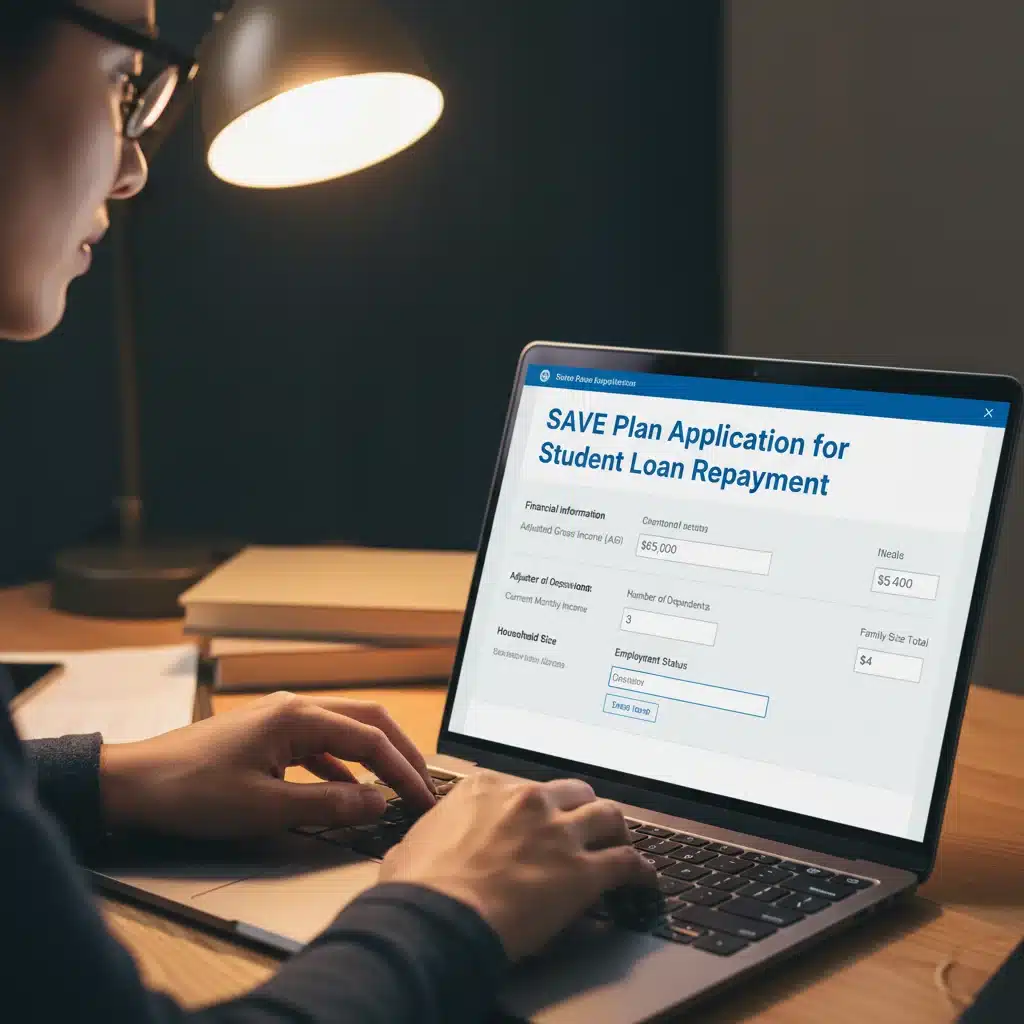
As mentioned, some older federal loan types (like FFEL or Perkins Loans) are not directly eligible for the SAVE Plan. Consolidating these loans into a Direct Consolidation Loan can make them eligible. This process combines multiple federal student loans into a single new loan with a single interest rate and one monthly payment. It’s an essential step for many borrowers to unlock the full SAVE Plan Benefits. Be aware that consolidation can sometimes reset your payment count for IDR forgiveness, so weigh the pros and cons carefully, especially if you’ve already made many payments under another IDR plan. However, recent adjustments allow for past payments on consolidated loans to count, so always verify the latest rules.
Strategy 5: Annual Recertification is Non-Negotiable
To maintain your eligibility and ensure your monthly payments accurately reflect your financial situation, you must recertify your income and family size annually. Missing this deadline can lead to your payments reverting to the standard 10-year plan amount, and any unpaid interest might capitalize (be added to your principal balance), negating one of the key SAVE Plan Benefits. Set reminders, mark your calendar, and ensure you submit all required documentation on time. The aim for automatic recertification is a future goal, but for 2026, manual recertification remains critical for most.
Strategy 6: Understand the Impact of Marriage and Taxes
If you are married, how you file your taxes can impact your SAVE Plan payments. If you file "Married Filing Separately," only your income is typically considered for your discretionary income calculation. If you file "Married Filing Jointly," both your and your spouse’s income are generally included. This can significantly affect your monthly payment. Analyze your tax filing status carefully with a tax professional to determine the most advantageous approach for maximizing your SAVE Plan Benefits.
Strategy 7: Stay Informed About Policy Changes
The student loan landscape is dynamic. New policies, adjustments to existing plans, and legislative changes can occur. Regularly check official sources like the U.S. Department of Education’s Federal Student Aid (FSA) website for the latest updates. Subscribing to newsletters from reputable financial aid organizations can also help you stay informed and adapt your strategy as needed to continue maximizing your SAVE Plan Benefits.
Comparing SAVE to Other Repayment Plans
While the SAVE Plan offers substantial advantages, it’s essential to understand how it stacks up against other repayment options. The best plan for you depends on your individual circumstances, income, loan types, and financial goals.
Standard Repayment Plan
This is the default plan, where you pay a fixed amount each month for up to 10 years. While it leads to the lowest total interest paid, the monthly payments can be very high, making it unaffordable for many. If you can afford the standard payment, it’s generally the fastest and cheapest way to pay off your loans. However, if affordability is an issue, the SAVE Plan Benefits offer a crucial alternative.
Graduated Repayment Plan
Payments start low and increase every two years, typically over 10 years. This can be helpful if you expect your income to rise over time, but you’ll pay more interest overall than under the Standard Plan. It doesn’t offer the interest subsidy or potential for $0 payments like SAVE.
Extended Repayment Plan
Offers lower monthly payments over a longer period (up to 25 years) for borrowers with more than $30,000 in federal loans. This plan results in significantly more interest paid over the life of the loan and does not offer income-driven payment calculations or interest subsidies, making the SAVE Plan Benefits often superior for those seeking lower payments and eventual forgiveness.
Other Income-Driven Repayment (IDR) Plans (IBR, PAYE, ICR)
These plans also base payments on your income and family size, with forgiveness after 20 or 25 years. However, the SAVE Plan generally offers more favorable terms due to its higher income exemption (225% vs. 150% of poverty line), lower payment percentage for undergraduate loans (5% vs. 10% or 15%), and critically, the interest subsidy that prevents balance growth. For most eligible borrowers, switching to SAVE will result in lower payments and better long-term outcomes compared to other IDR plans. It’s highly recommended to evaluate if your current IDR plan is still the best option compared to the enhanced SAVE Plan Benefits.
The Long-Term Impact of the SAVE Plan
The SAVE Plan Benefits extend far beyond just lower monthly payments. Its design aims to address fundamental issues within the student loan system, promoting financial well-being and economic stability for borrowers.
Reduced Financial Strain
By making payments more affordable, the SAVE Plan reduces the day-to-day financial stress associated with student debt. This can free up income for other essential needs, such as housing, food, and healthcare, or allow borrowers to save for retirement, make down payments on homes, or start families. This ripple effect can have a profound positive impact on individual and national economies.
Improved Credit Health
Consistent, on-time payments under the SAVE Plan can help improve a borrower’s credit score, opening doors to better rates on mortgages, car loans, and other forms of credit. Conversely, the plan helps prevent defaults, which can severely damage credit and have long-lasting negative consequences.
A Clearer Path to Debt-Free Living
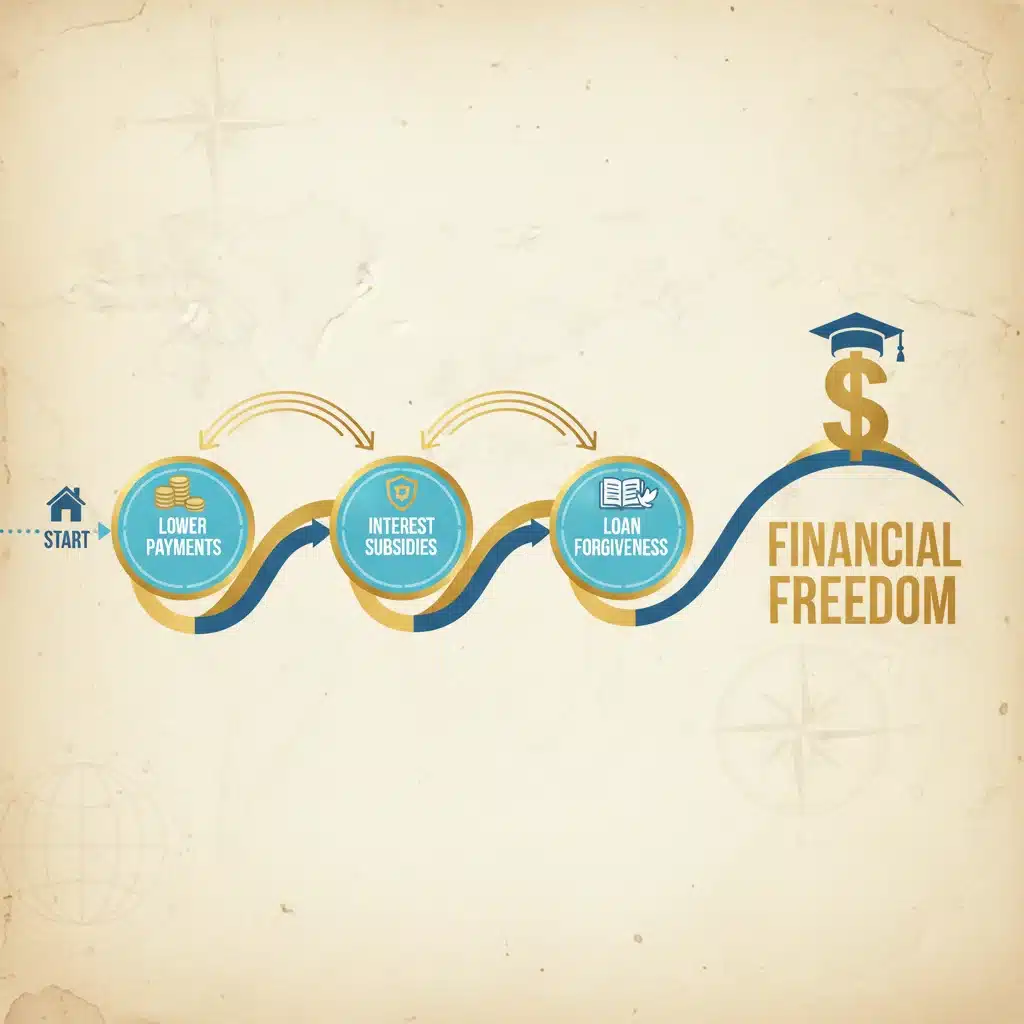
With defined forgiveness timelines and the prevention of interest capitalization, borrowers can see a clear end in sight for their student debt. This transparency and predictability are invaluable for financial planning and provide a psychological boost, knowing that their efforts are leading towards a debt-free future. The accelerated forgiveness for smaller balances is particularly beneficial for those who might have felt trapped by relatively small but persistent debt.
Addressing Systemic Inequities
The SAVE Plan is also designed to address some of the systemic inequities within the student loan system. Borrowers from lower-income backgrounds or those who attended programs that did not lead to high-paying jobs are often disproportionately affected by student debt. The SAVE Plan’s generous income exemption and interest subsidy provide a more equitable pathway to repayment for these vulnerable populations, ensuring that education remains an accessible path to opportunity rather than a source of lifelong burden.
Potential Challenges and How to Address Them
While the SAVE Plan Benefits are substantial, it’s important to be aware of potential challenges and how to mitigate them.
Administrative Hurdles
Despite efforts to streamline the process, dealing with student loan servicers can sometimes be challenging. Keep detailed records of all communications, payments, and submitted documents. If you encounter issues, don’t hesitate to escalate them or seek assistance from consumer protection agencies or non-profit organizations specializing in student loan advocacy.
Tax Implications of Forgiveness
Currently, under the American Rescue Plan, student loan forgiveness is tax-free at the federal level through 2025. What happens in 2026 and beyond is uncertain. It’s crucial to consult with a tax professional as you approach your forgiveness date to understand any potential state or federal tax liabilities on the forgiven amount. This foresight can help you plan and avoid any unwelcome surprises.
Staying on Top of Recertification
As highlighted, annual recertification is critical. Life changes, income fluctuations, and family size adjustments all need to be reported. Missing this can lead to higher payments and interest capitalization. Utilize calendar reminders, email alerts, and any tools provided by your loan servicer to stay organized.
Understanding Loan Types
The eligibility requirements for the SAVE Plan are specific to certain federal loan types. If you have a mix of federal and private loans, or older federal loans, you’ll need to understand how each is treated. Private student loans are not eligible for any federal IDR plan, including SAVE. If you have private loans, you’ll need to explore separate repayment strategies for those.
Conclusion: Embrace the SAVE Plan for a Brighter Financial Future
The year 2026 presents a pivotal moment for student loan borrowers, with the SAVE Plan offering the most borrower-friendly terms seen in years. By understanding its core features, strategically applying for enrollment, and diligently managing your account, you can unlock significant SAVE Plan Benefits that lead to lower monthly payments, prevent interest accumulation, and provide a clear, accelerated path to loan forgiveness.
Don’t let the complexity of student loan repayment deter you. Take the proactive steps outlined in this guide: assess your eligibility, consolidate if necessary, meticulously manage your income and family size reporting, and stay informed about policy changes. The SAVE Plan is more than just another repayment option; it’s a powerful tool designed to empower borrowers, reduce financial stress, and contribute to a more equitable and stable financial future. Embrace the opportunity it presents in 2026, and take control of your student loan journey today.
For official and up-to-date information, always refer to the U.S. Department of Education’s Federal Student Aid (FSA) website or consult with a trusted financial advisor specializing in student loans.