Future-Proofing Education: Adapting Curricula for Emerging Job Markets by 2027
Future-Proofing Education: Adapting Curricula for Emerging Job Markets by 2027
The landscape of work is undergoing an unprecedented transformation, driven by rapid technological advancements, globalization, and shifting societal values. As we hurtle towards 2027, the urgency to equip future generations with the skills needed to thrive in this evolving environment becomes paramount. This article delves into the critical imperative of future-proofing education by proactively adapting curricula to meet the demands of emerging job markets. We will explore the challenges, identify key competencies, and propose actionable strategies for educators, policymakers, and industry leaders to collaborate in shaping a resilient and future-ready workforce.
The Shifting Sands of Employment: What’s Changing by 2027?
The World Economic Forum’s Future of Jobs Report consistently highlights significant shifts in job roles and required skills. Automation, artificial intelligence (AI), machine learning, big data, and the Internet of Things (IoT) are not just buzzwords; they are reshaping entire industries. Traditional jobs are being augmented or replaced, while entirely new roles are emerging at an astonishing pace. By 2027, we can expect:
- Increased demand for digital and technological fluency: Proficiency in AI, data analytics, cybersecurity, and cloud computing will no longer be niche skills but foundational requirements across various sectors.
- Growth in green jobs: As the world grapples with climate change, roles in renewable energy, sustainable agriculture, and environmental conservation will see significant expansion.
- Emphasis on human-centric skills: While machines excel at repetitive tasks, uniquely human attributes like creativity, critical thinking, complex problem-solving, emotional intelligence, and communication will become even more valuable.
- The rise of the gig economy and flexible work models: Education must prepare individuals not just for traditional employment but also for entrepreneurial ventures and project-based work.
- Continuous learning as a necessity: The concept of a static career path is obsolete. Individuals will need to constantly upskill and reskill throughout their professional lives.
Understanding these trends is the first step in effectively planning for future-proofing education. Our educational systems, from K-12 to higher education, must evolve from being repositories of static knowledge to dynamic hubs for skill development and adaptive learning.
Key Competencies for Future-Proofing Education
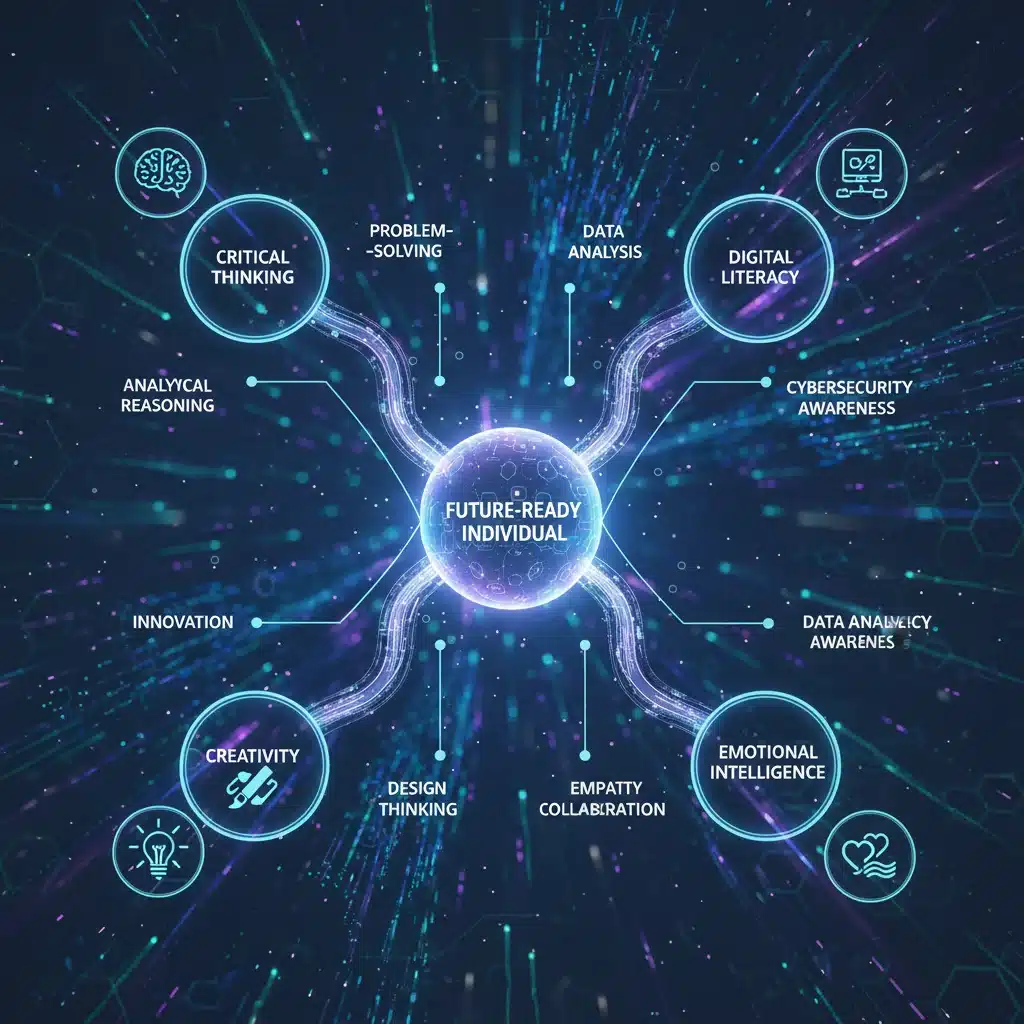
To truly future-proof education, curricula must move beyond rote memorization and focus on cultivating a blend of cognitive, socio-emotional, and technological skills. Here are some of the most crucial competencies:
1. Digital Literacy and Technological Proficiency
This goes beyond basic computer skills. It encompasses understanding algorithms, data interpretation, cybersecurity awareness, ethical AI use, and the ability to leverage various digital tools for problem-solving and innovation. Integrating coding, computational thinking, and data science fundamentals into early education is vital. Higher education must offer specialized tracks in emerging technologies while ensuring all graduates possess a baseline understanding of digital transformation.
2. Critical Thinking and Complex Problem-Solving
The ability to analyze information, evaluate arguments, identify root causes, and develop innovative solutions is timeless. In a world saturated with information, discerning truth from misinformation and tackling multifaceted global challenges requires highly developed critical thinking skills. Project-based learning, case studies, and real-world simulations are excellent pedagogical approaches to foster these abilities.
3. Creativity and Innovation
As AI handles routine tasks, human creativity becomes a premium. The capacity to generate new ideas, think outside the box, and develop novel approaches to problems will be indispensable. Educational environments should encourage experimentation, artistic expression, and interdisciplinary collaboration to nurture creative thinking.
4. Communication and Collaboration
Effective communication, both verbal and written, remains a cornerstone of success. Furthermore, the ability to work effectively in diverse teams, across cultures and geographies, is increasingly important. Global projects, team-based assignments, and presentations can help students hone these interpersonal skills.
5. Adaptability and Resilience
The future is uncertain, and individuals will need to navigate constant change, setbacks, and new challenges with a growth mindset. Fostering resilience, flexibility, and a willingness to learn from failures are crucial for long-term success. Curricula should incorporate opportunities for self-reflection, metacognition, and coping strategies.
6. Emotional Intelligence and Empathy
Understanding and managing one’s own emotions, as well as recognizing and influencing the emotions of others, is vital for leadership, teamwork, and customer service. As human interaction becomes more nuanced in a technologically advanced world, these skills will differentiate human workers from automated systems.
7. Ethical Reasoning and Digital Citizenship
With powerful technologies comes great responsibility. Education must instill a strong ethical compass, teaching students to consider the societal implications of their actions and innovations. Understanding digital rights, privacy, and responsible online behavior is essential for being a good global citizen.
Strategies for Adapting Curricula to Future Job Markets
Translating these competencies into effective educational practices requires a multi-pronged approach. Here are key strategies for future-proofing education:
1. Integrating Technology Across the Curriculum
Technology should not be treated as a separate subject but rather as an integral tool for learning across all disciplines. From using data analytics in history projects to simulating scientific experiments with virtual reality, technology can enhance engagement and prepare students for tech-driven workplaces. This includes:
- AI Literacy: Introducing concepts of AI, machine learning, and their applications and ethical implications at various educational levels.
- Coding and Computational Thinking: Embedding these skills into subjects beyond computer science, fostering problem-solving through logical sequences.
- Digital Collaboration Tools: Familiarizing students with platforms used in modern workplaces for remote collaboration and project management.
2. Emphasizing Project-Based and Experiential Learning
Moving away from traditional lecture-based models, project-based learning allows students to apply theoretical knowledge to real-world problems. Internships, apprenticeships, simulations, and community service projects provide invaluable hands-on experience, fostering critical thinking, collaboration, and practical skill development. This approach is central to future-proofing education by making learning relevant and applicable.
3. Fostering Interdisciplinary and Transdisciplinary Approaches
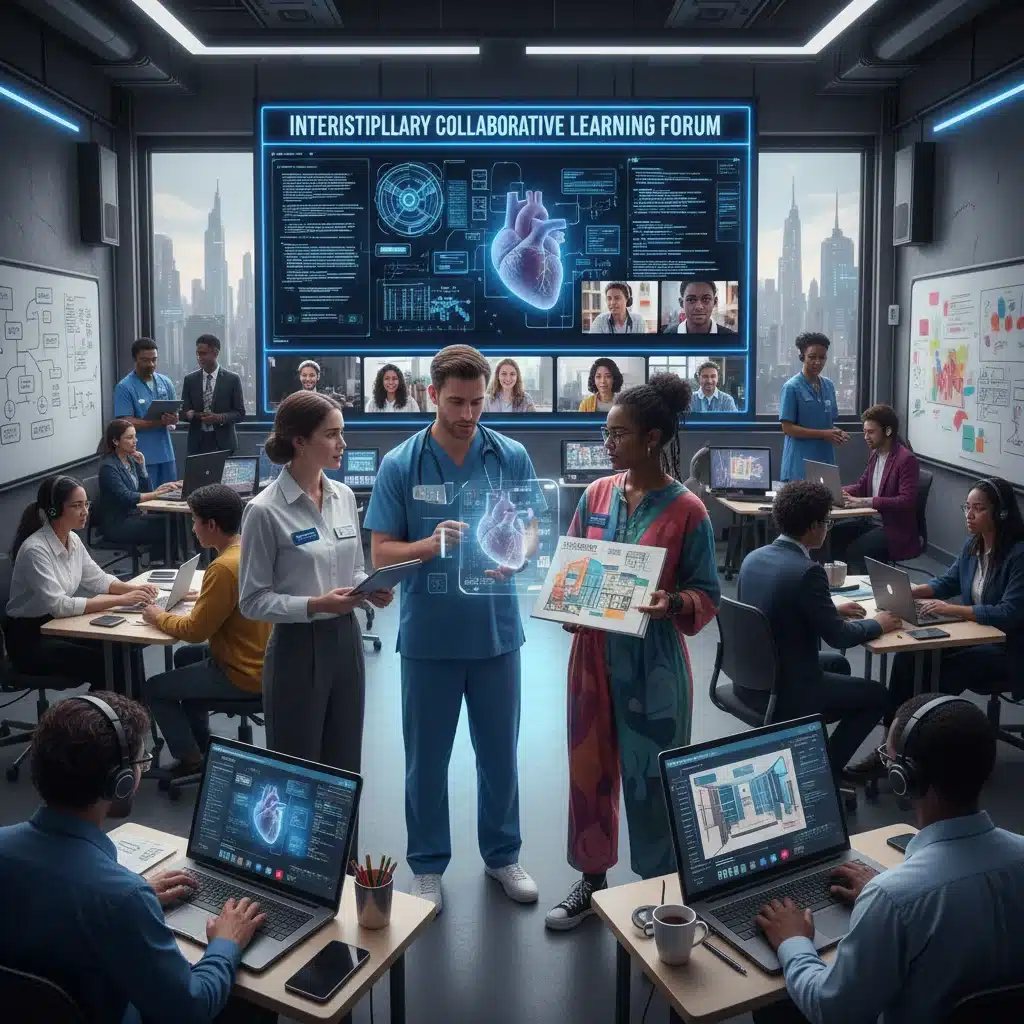
The complex problems of the future rarely fit neatly into single academic disciplines. Encouraging interdisciplinary studies – combining subjects like science and art, or engineering and ethics – helps students develop a holistic perspective and innovative solutions. Transdisciplinary approaches go even further, integrating knowledge from outside academia, such as industry experts and community leaders, into the learning process.
4. Promoting Personalized Learning Paths
Recognizing that each student has unique strengths, interests, and learning styles, personalized learning uses technology to adapt content and pace. This can involve adaptive learning platforms, individualized feedback, and choice in project topics, allowing students to delve deeper into areas that align with emerging career paths and personal passions. This flexibility is key to future-proofing education for diverse learners.
5. Cultivating a Culture of Lifelong Learning
The most important skill for the future is the ability to learn continuously. Educational institutions must instill a love for learning and equip students with metacognitive skills – knowing how to learn, unlearn, and relearn. This involves teaching research skills, self-directed learning strategies, and critical evaluation of information sources. Offering micro-credentials, bootcamps, and flexible online courses can support adult learners in upskkilling and reskilling.
6. Strengthening Industry-Academia Partnerships
Collaboration between educational institutions and industries is crucial for keeping curricula relevant. Industry partners can provide insights into emerging skill demands, offer internship opportunities, co-design courses, and provide guest lecturers. This ensures that what is taught in classrooms directly aligns with the needs of the job market, making graduates highly employable and helping to future-proof education.
7. Investing in Educator Professional Development
Teachers are at the forefront of educational transformation. They need continuous professional development to stay abreast of technological advancements, pedagogical innovations, and evolving job market demands. Equipping educators with the skills to teach AI literacy, facilitate project-based learning, and integrate new technologies is fundamental to successful curriculum adaptation.
Challenges and Considerations in Future-Proofing Education
While the need for adaptation is clear, implementing these changes is not without its hurdles:
- Resistance to Change: Traditional educational systems can be slow to adapt due to entrenched practices, bureaucratic structures, and a fear of the unknown.
- Funding and Resources: Implementing new technologies, training educators, and developing innovative curricula require significant financial investment.
- Equity and Access: Ensuring that all students, regardless of socioeconomic background or geographical location, have access to future-ready education is a major challenge. The digital divide must be addressed.
- Measuring Success: Traditional assessment methods may not adequately capture the development of 21st-century skills. New, more holistic assessment frameworks are needed.
- Speed of Change: The pace at which technology and job markets evolve often outstrips the ability of educational systems to respond. Agility and continuous review are essential.
Addressing these challenges requires concerted effort from all stakeholders – governments, educational institutions, parents, students, and industry. Policy frameworks must support innovation and provide the necessary resources to drive change effectively, ensuring our efforts to future-proof education are sustainable and equitable.
Case Studies: Exemplars of Future-Proofing Education
Several institutions and countries are already making strides in adapting their educational systems. For instance:
- Finland’s Phenomenon-Based Learning: Moving away from subject-specific teaching, Finland has embraced phenomenon-based learning, where students explore real-world phenomena (e.g., climate change, the European Union) from multiple disciplinary perspectives. This fosters critical thinking, collaboration, and interdisciplinary understanding, core tenets of future-proofing education.
- Singapore’s SkillsFuture Initiative: This national movement emphasizes lifelong learning and skills development for all citizens. It provides subsidies for courses, career guidance, and encourages individuals to continuously upgrade their skills to stay relevant in the job market.
- Leading Universities and Bootcamps: Many universities are launching interdisciplinary programs, AI ethics courses, and collaborating with tech companies for specialized certifications. Coding bootcamps and online learning platforms are also playing a crucial role in providing rapid reskilling opportunities for adults entering new tech fields.
These examples demonstrate that while the scale of transformation can be daunting, effective strategies are being developed and implemented globally. Learning from these pioneers can accelerate our collective journey towards robustly future-proofing education.
The Role of AI in Transforming Education by 2027
Artificial intelligence is not just a subject to be taught; it’s a tool that can revolutionize how we teach and learn. By 2027, AI is expected to play a more significant role in:
- Personalized Learning: AI-powered platforms can adapt content, pace, and difficulty to individual student needs, providing tailored learning experiences and identifying areas where students might struggle. This is a game-changer for future-proofing education by maximizing individual potential.
- Automated Grading and Feedback: AI can assist educators by automating the grading of objective assessments and providing instant, constructive feedback to students, freeing up teachers to focus on higher-order tasks like mentorship and creative instruction.
- Predictive Analytics: AI can analyze student data to identify those at risk of falling behind, allowing for early intervention and targeted support.
- Content Creation and Curation: AI tools can help generate personalized learning materials, summarize complex texts, and curate relevant resources for students and teachers.
- Virtual Tutors and Assistants: AI chatbots and virtual assistants can provide 24/7 support, answer questions, and guide students through challenging concepts.
However, the integration of AI must be thoughtful and ethical. We must ensure that AI tools augment human teaching, rather than replace it, and that data privacy and algorithmic bias are carefully considered. The goal is to leverage AI to enhance the effectiveness and reach of future-proofing education, not to create a dehumanized learning environment.
Conclusion: A Collective Responsibility to Future-Proof Education
The task of future-proofing education by adapting curricula for emerging job markets by 2027 is not merely an academic exercise; it is an urgent societal imperative. The economic prosperity, social cohesion, and individual well-being of future generations depend on our ability to equip them with the skills, mindset, and adaptability needed to navigate a world of constant change.
This requires a concerted, collaborative effort from all stakeholders: policymakers to create enabling frameworks, educators to innovate pedagogical approaches, industry leaders to provide insights and opportunities, and parents to support a growth mindset in their children. By focusing on digital literacy, critical thinking, creativity, adaptability, and emotional intelligence, and by embracing interdisciplinary, project-based, and technology-enhanced learning, we can build educational systems that are not just reactive but truly proactive.
The future of work is already here, and the time to transform education is now. Let us commit to building a learning ecosystem that empowers every individual to thrive in the dynamic, exciting, and challenging world of tomorrow, ensuring that our efforts to future-proofing education yield a resilient and innovative global workforce.