New Climate Legislation: Reshaping Energy Policy for the Next 5 Years

The global landscape is at a pivotal juncture, grappling with the undeniable realities of climate change. In response, a wave of new climate legislation has been enacted across various nations and international bodies, promising to fundamentally reshape energy policy over the next five years. This comprehensive legislation is not merely an incremental adjustment; it represents a paradigm shift designed to accelerate the transition to a sustainable, low-carbon future. Understanding its intricacies, implications, and opportunities is crucial for governments, industries, and individuals alike.
The urgency behind this legislative push is clear. Scientific consensus unequivocally points to human activity as the primary driver of global warming, necessitating immediate and decisive action. From record-breaking heatwaves and devastating floods to prolonged droughts and rising sea levels, the impacts of climate change are becoming increasingly apparent and costly. Against this backdrop, policymakers have been compelled to craft robust frameworks that not only mitigate future climate risks but also foster economic growth and technological innovation. This article delves deep into how this new climate legislation will transform energy policy, exploring its core tenets, projected impacts, and the path forward.
The Foundations of New Climate Legislation: Key Pillars and Objectives
At its heart, the new climate legislation is built upon several foundational pillars, each designed to steer economies away from fossil fuel dependence and towards cleaner energy sources. These pillars often include:
- Emissions Reduction Targets: Central to virtually all new climate legislation are ambitious, legally binding targets for reducing greenhouse gas emissions. These targets often align with international agreements like the Paris Agreement, aiming to limit global warming to well below 2 degrees Celsius, preferably to 1.5 degrees Celsius, compared to pre-industrial levels. The mechanisms for achieving these targets vary but typically involve a combination of regulatory mandates, carbon pricing schemes, and incentives for clean technologies. The push to reduce emissions directly impacts the energy sector by demanding a rapid decrease in the use of high-carbon fuels.
- Promotion of Renewable Energy: A cornerstone of the new climate legislation is the aggressive promotion and incentivization of renewable energy sources such as solar, wind, hydropower, and geothermal. This includes significant investments in research and development, tax credits, subsidies, and streamlined permitting processes for renewable energy projects. The objective is to make renewable energy competitive, if not superior, to traditional fossil fuels, thereby accelerating its adoption across residential, commercial, and industrial sectors. This focus on renewable energy will dramatically alter the energy mix.
- Energy Efficiency Standards: Improving energy efficiency across all sectors is another critical component. New climate legislation often introduces stricter building codes, appliance efficiency standards, and industrial process optimizations. These measures aim to reduce overall energy demand, thereby lessening the burden on energy supply systems and further decreasing emissions. By making homes, businesses, and transportation more energy efficient, the overall carbon footprint is significantly reduced.
- Investment in Green Technologies and Infrastructure: Beyond direct renewable energy deployment, the legislation earmarks substantial funds for developing and deploying other green technologies, such as carbon capture, utilization, and storage (CCUS), advanced battery storage solutions, smart grids, and electric vehicle (EV) infrastructure. These investments are crucial for creating a comprehensive clean energy ecosystem that can support a fully decarbonized economy. The strategic deployment of this infrastructure is key to the success of the new climate legislation.
- Just Transition Mechanisms: Recognizing that the shift away from fossil fuels will impact workers and communities reliant on these industries, many legislative packages include provisions for a ‘just transition.’ This involves funding for retraining programs, economic diversification initiatives, and social safety nets to support those affected by the energy transition. Ensuring a fair and equitable transition is vital for political and social in-buy for new climate legislation.
These pillars collectively form a robust framework designed to tackle climate change head-on. The cumulative effect of this new climate legislation is expected to catalyze profound changes in how energy is produced, distributed, and consumed globally.
Impact on Fossil Fuels: A Phased Decline
The most immediate and profound impact of the new climate legislation will be on the fossil fuel industry. While a complete cessation of fossil fuel use within five years is unrealistic, the legislation sets the stage for a significant and phased decline. This will manifest in several ways:
- Reduced Investment in New Projects: With stricter environmental regulations and increasing financial risks associated with carbon-intensive assets, investment in new oil, gas, and coal exploration and extraction projects is expected to dwindle. Financial institutions are increasingly divesting from fossil fuels, driven by both regulatory pressures and growing investor demand for sustainable portfolios. This shift in capital will naturally redirect funds towards renewable energy and other clean technologies.
- Phasing Out Subsidies: Many governments have historically provided substantial subsidies to the fossil fuel industry. The new climate legislation often includes provisions to phase out these subsidies, leveling the playing field for renewable energy and making fossil fuels more expensive. This removal of artificial support will expose the true cost of fossil fuels, accelerating their decline.
- Carbon Pricing and Taxes: The implementation of carbon pricing mechanisms, such as carbon taxes or cap-and-trade systems, will significantly increase the operational costs for industries reliant on fossil fuels. By making emissions more expensive, these mechanisms incentivize companies to reduce their carbon footprint and switch to cleaner alternatives. This economic pressure is a powerful driver for change within the energy policy landscape.
- Increased Regulatory Scrutiny: Fossil fuel operations will face heightened regulatory scrutiny regarding emissions, environmental impact, and safety standards. This could lead to increased compliance costs, delays in project approvals, and potential legal challenges, further diminishing their attractiveness as investment opportunities. The landscape for fossil fuel companies will become increasingly challenging under this new climate legislation.
While the transition will undoubtedly present challenges for fossil fuel-dependent economies, the new climate legislation also offers opportunities for diversification and innovation within these regions, particularly in areas like carbon capture and storage technologies, or the repurposing of existing infrastructure for hydrogen production.
The Rise of Renewable Energy: Unprecedented Growth and Innovation
Conversely, the next five years are set to witness unprecedented growth and innovation in the renewable energy sector, directly fueled by the new climate legislation. This expansion will be driven by:
- Accelerated Deployment: Generous incentives, tax credits, and favorable regulatory environments will lead to a rapid increase in the installation of solar panels, wind turbines, and other renewable energy infrastructure. Utility-scale projects will proliferate, and distributed generation (e.g., rooftop solar) will become more widespread, empowering consumers to become energy producers.
- Technological Advancements: Increased investment in R&D, spurred by legislative mandates and market demand, will drive further technological breakthroughs in renewable energy. This includes more efficient solar cells, larger and more powerful wind turbines, advanced battery storage solutions, and innovative grid management systems. These advancements will make renewable energy even more cost-effective and reliable.
- Job Creation: The renewable energy sector is a significant source of job creation, from manufacturing and installation to maintenance and research. The new climate legislation will stimulate substantial job growth in this sector, providing new economic opportunities and helping to offset job losses in declining fossil fuel industries. This is a crucial aspect of the just transition.
- Grid Modernization: Integrating a higher proportion of intermittent renewable energy sources (like solar and wind) into the existing grid requires significant upgrades. The legislation will likely fund the development of smart grids, advanced energy storage, and improved transmission infrastructure to ensure grid stability and reliability. This modernization is essential for a robust renewable energy future.
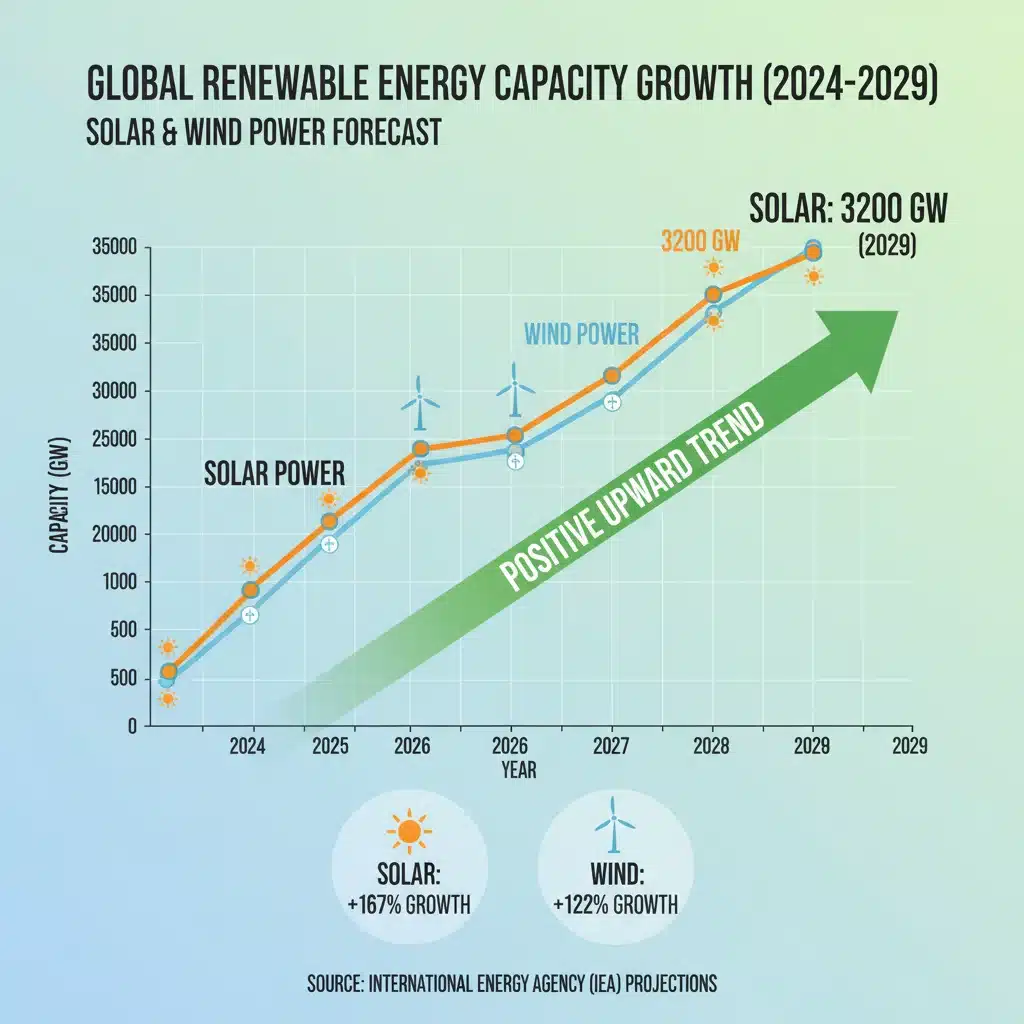
The shift towards renewable energy is not just an environmental imperative but also an economic opportunity, positioning nations that embrace this transition at the forefront of the global green economy. The new climate legislation acts as a powerful catalyst for this transformation.
Economic Implications: Opportunities and Challenges
The reshaping of energy policy through new climate legislation carries significant economic implications, presenting both substantial opportunities and considerable challenges.
Opportunities:
- Green Economic Growth: The transition to a clean energy economy is expected to stimulate new industries, create millions of jobs, and foster innovation. Investments in renewable energy, energy efficiency, and green technologies will drive economic growth and enhance competitiveness in global markets. This new climate legislation is a direct investment in future economic prosperity.
- Energy Security: Reducing reliance on imported fossil fuels enhances energy independence and security. By diversifying energy sources and increasing domestic renewable energy production, nations become less vulnerable to geopolitical instabilities and price volatility in international energy markets. This strengthens national resilience.
- Improved Public Health: Lowering air pollution from fossil fuel combustion will lead to significant public health benefits, including reduced rates of respiratory and cardiovascular diseases. This translates to lower healthcare costs and improved quality of life for citizens. The health benefits are an often-underestimated positive outcome of new climate legislation.
- Innovation and Competitiveness: Countries that proactively invest in green technologies and sustainable practices will gain a competitive edge in emerging global markets. This fosters a culture of innovation and positions them as leaders in the fight against climate change.
Challenges:
- Transition Costs: The initial investment required for transitioning to a clean energy system can be substantial, including upgrading infrastructure, developing new technologies, and supporting affected communities. Governments will need to carefully manage these costs to avoid undue economic burden.
- Geopolitical Shifts: The decline of fossil fuel demand will have profound geopolitical consequences, affecting oil-producing nations and altering global power dynamics. New alliances and trade relationships may emerge around critical minerals and green technologies. Navigating these shifts will be complex.
- Ensuring Energy Affordability: While renewable energy costs are falling, ensuring that the transition does not lead to increased energy prices for consumers, especially vulnerable populations, will be a critical challenge. Policies must be designed to promote affordability and energy equity.
- Infrastructure Adaptation: Existing energy infrastructure, designed for fossil fuels, will need significant adaptation or replacement. This includes power grids, pipelines, and transportation networks, requiring massive investment and careful planning.
Navigating these economic complexities will require strategic planning, international cooperation, and flexible policy responses to ensure a smooth and equitable transition facilitated by new climate legislation.
Policy Mechanisms and International Cooperation
The success of the new climate legislation hinges not only on national efforts but also on robust international cooperation and effective policy mechanisms. Key elements include:
- Carbon Markets and Trading Schemes: Expanding and linking carbon markets globally can create a powerful economic incentive for emissions reductions. By putting a price on carbon, these markets encourage industries to innovate and adopt cleaner practices.
- International Agreements and Partnerships: Continued adherence to and strengthening of international climate agreements, alongside bilateral and multilateral partnerships, are crucial for sharing best practices, technology transfer, and financial support for developing nations.
- Green Finance and Investment: Mobilizing private and public finance towards green projects is paramount. This involves developing innovative financial instruments, enhancing disclosure requirements for climate risks, and creating favorable conditions for sustainable investments.
- Regulatory Harmonization: To facilitate global trade in green technologies and avoid competitive disadvantages, there is a growing need for harmonization of environmental regulations and standards across different jurisdictions.

The interconnectedness of the global economy means that no single nation can tackle climate change in isolation. The new climate legislation, therefore, often includes provisions that encourage and facilitate international collaboration, recognizing that collective action is the most effective path forward.
The Road Ahead: Challenges and Opportunities for the Next Five Years
The next five years will be a critical period for the implementation and evolution of new climate legislation. While the legislative frameworks are largely in place, the real work lies in their effective execution and adaptation to emerging challenges.
Key Challenges on the Horizon:
- Political Will and Consistency: Sustaining the political will to implement ambitious climate policies, especially in the face of economic headwinds or shifts in political leadership, will be crucial. Long-term commitment is essential for consistent progress.
- Technological Scalability: While many green technologies exist, scaling them up to meet global energy demand rapidly and cost-effectively remains a significant challenge. Investment in manufacturing capacity and supply chain resilience will be vital.
- Public Acceptance and Engagement: Gaining broad public acceptance for new climate legislation and the associated changes in lifestyle and consumption patterns is essential. Effective communication and inclusive policymaking will be key.
- Addressing Global Inequalities: Ensuring that the energy transition benefits all nations, particularly developing countries that are most vulnerable to climate change impacts but have contributed least to the problem, requires substantial financial and technological support.
Opportunities for Progress:
- Rapid Innovation Cycles: The intense focus and investment spurred by new climate legislation will likely accelerate innovation in areas like advanced energy storage, green hydrogen, and sustainable aviation fuels, opening new pathways for decarbonization.
- Circular Economy Principles: The drive for sustainability will further integrate circular economy principles, reducing waste, increasing resource efficiency, and creating new business models that minimize environmental impact.
- Enhanced Resilience: Investing in renewable energy and smart grids not only reduces emissions but also enhances the resilience of energy systems against extreme weather events and other disruptions, providing greater energy security.
- Youth Engagement: A growing global youth movement advocating for climate action can provide powerful momentum for policymakers to maintain and strengthen new climate legislation, ensuring a focus on long-term sustainability.
The comprehensive nature of the new climate legislation, coupled with the increasing awareness of climate change, positions the world for a transformative period. The decisions and investments made in the next five years will largely determine the trajectory of global energy policy for decades to come.
Conclusion
The new climate legislation represents a monumental step towards addressing the climate crisis and reshaping global energy policy. Over the next five years, we can anticipate a dramatic acceleration in the transition away from fossil fuels towards a diverse portfolio of renewable energy sources. This shift will bring about significant economic opportunities, foster technological innovation, and create a more sustainable and resilient future. While challenges undoubtedly lie ahead, the collective commitment embedded within this new climate legislation offers a clear pathway to mitigating climate change and building a greener, more prosperous world. The imperative now is for concerted effort, sustained investment, and unwavering political will to translate these legislative frameworks into tangible, impactful change.