Federal Housing Initiative: Impacting 3 Million Americans by 2026
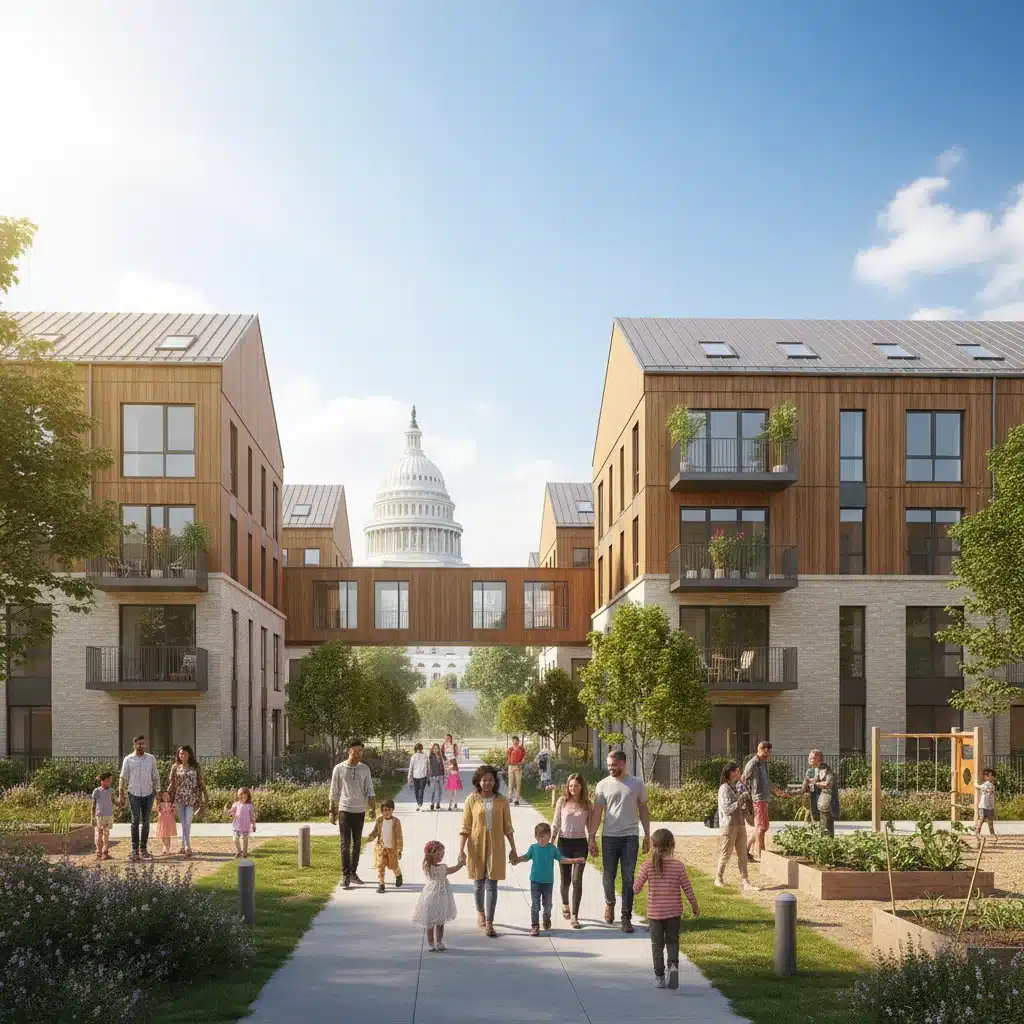
Breaking: New Federal Housing Initiative to Impact 3 Million Americans by Mid-2026
The housing landscape in the United States is constantly evolving, driven by economic shifts, demographic changes, and policy interventions. In a significant development set to reshape the future of housing for millions, a new federal housing initiative has been announced, targeting the provision of stable and affordable housing for an estimated 3 million Americans by mid-2026. This ambitious undertaking represents a pivotal moment in addressing the nation’s persistent housing challenges, promising widespread implications for individuals, communities, and the broader economy. Understanding the nuances of this federal housing initiative is crucial for anyone interested in real estate, social welfare, or economic policy.
The Genesis of the New Federal Housing Initiative
The impetus behind this comprehensive federal housing initiative stems from a confluence of factors, including a growing affordability crisis, rising homelessness, and the recognition of housing as a fundamental human right and a cornerstone of economic stability. For years, experts have highlighted the widening gap between housing costs and average incomes, a disparity exacerbated by inflation, supply chain issues, and a shortage of new construction. This initiative seeks to directly confront these challenges head-on, leveraging federal resources and partnerships to create tangible solutions.
Previous federal housing efforts, while impactful, often faced limitations in scale or scope. This new program, however, distinguishes itself through its ambitious targets and a multi-pronged approach designed to address various facets of the housing crisis. It reflects a renewed commitment from the government to not just mitigate the symptoms of housing insecurity but to foster long-term stability and opportunity. The planning stages involved extensive consultations with housing advocates, economists, urban planners, and community leaders, ensuring a holistic perspective that considers both immediate needs and sustainable development.
The core philosophy underpinning this federal housing initiative is that stable housing is not merely a shelter but a critical determinant of health, education, employment, and overall well-being. By investing in housing, the government aims to unlock human potential, reduce societal costs associated with homelessness and instability, and stimulate local economies. This proactive stance marks a significant shift, moving beyond reactive measures to a more preventative and empowering framework.
Key Pillars and Funding Mechanisms of the Initiative
The federal housing initiative is structured around several key pillars, each designed to tackle specific challenges within the housing ecosystem. These include increasing the supply of affordable housing, providing rental assistance, supporting homeownership for underserved populations, and investing in community infrastructure that complements housing development.
- Supply Enhancement: A significant portion of the initiative’s resources will be allocated to incentivizing the construction of new affordable housing units. This includes grants for developers, tax credits, and streamlined permitting processes. The focus will be on diverse housing types, from multi-family complexes to single-family homes, ensuring options that cater to varying needs and demographics.
- Rental Assistance Programs: Expanding existing rental assistance programs and introducing new ones will be critical. This aims to directly support low-income individuals and families, ensuring they can afford safe and decent housing without undue financial burden. The initiative will also explore innovative models for rental subsidies that adapt to local market conditions.
- Homeownership Support: Recognizing the importance of homeownership in building intergenerational wealth, the initiative will introduce programs to assist first-time homebuyers, particularly in historically marginalized communities. This includes down payment assistance, favorable loan terms, and educational resources to navigate the home-buying process.
- Community Development and Infrastructure: Housing does not exist in a vacuum. The initiative acknowledges this by dedicating funds to develop essential community infrastructure, such as public transportation, schools, healthcare facilities, and green spaces, in conjunction with new housing projects. This holistic approach aims to create vibrant, sustainable communities, not just buildings.
Funding for this monumental federal housing initiative will come from a combination of direct federal appropriations, reallocated existing funds, and innovative public-private partnerships. The total projected investment over the next few years is substantial, reflecting the scale of the problem and the ambition of the solution. Transparency and accountability in fund allocation will be paramount, with robust oversight mechanisms in place to ensure resources are used effectively and reach their intended beneficiaries. The economic rationale is clear: investing in housing now will yield significant long-term returns in social stability and economic productivity.
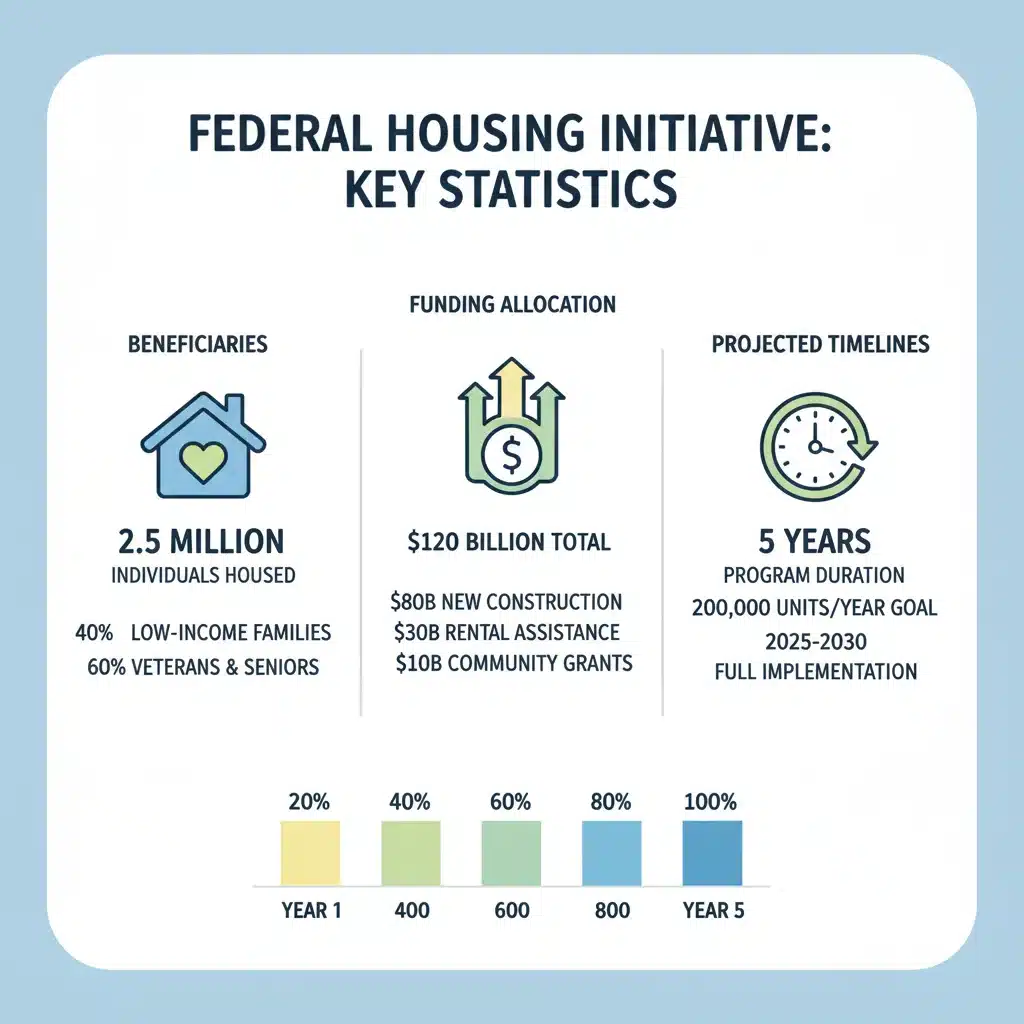
Who Will Benefit from This Federal Housing Initiative?
The target demographic for this federal housing initiative is broad, encompassing a wide spectrum of Americans currently facing housing insecurity or affordability challenges. The goal of impacting 3 million Americans by mid-2026 underscores the initiative’s commitment to widespread relief and opportunity.
Key beneficiaries are expected to include:
- Low-Income Families and Individuals: Those struggling to meet rent or mortgage payments due to stagnant wages, rising costs, or economic downturns will find crucial support through rental assistance and affordable housing units.
- First-Time Homebuyers: Particularly those from historically underserved communities, who have faced systemic barriers to homeownership, will benefit from targeted assistance programs designed to make property ownership more accessible.
- Vulnerable Populations: This includes veterans, seniors, individuals with disabilities, and those experiencing homelessness, for whom stable housing is often a critical first step towards improved health outcomes and social integration.
- Rural and Urban Communities: The initiative is designed to address housing needs across diverse geographical areas, recognizing that housing challenges manifest differently in urban centers versus rural landscapes. Programs will be tailored to local contexts, ensuring relevance and effectiveness.
- Local Economies: Beyond direct beneficiaries, local economies will experience a boost through increased construction activity, job creation in related industries, and enhanced consumer spending from residents with more disposable income due to reduced housing costs.
The comprehensive nature of the federal housing initiative means its benefits will ripple through society, enhancing social equity and reducing disparities. By focusing on diverse needs, the program aims to create a more inclusive housing market where opportunity is not dictated by income or background.
Anticipated Impact on the Housing Market
The introduction of such a substantial federal housing initiative is bound to have a profound impact on the national housing market. Economists and market analysts are closely watching to understand how these interventions will influence supply, demand, pricing, and overall market dynamics.
Increased Supply and Moderated Prices
One of the primary goals is to significantly increase the supply of affordable housing units. By incentivizing new construction, the initiative aims to alleviate the chronic housing shortage that has driven up prices in many regions. A greater supply, particularly in the affordable segment, could lead to a moderation of housing prices and rents, making housing more accessible for a larger segment of the population. This direct intervention in supply-side economics is a crucial component of the initiative’s strategy.
Stimulation of Construction and Related Industries
The investment in new housing projects will inevitably stimulate the construction sector, creating jobs for skilled tradespeople, architects, engineers, and material suppliers. This economic activity will have a multiplier effect, benefiting a wide range of related industries and contributing to overall economic growth. The demand for sustainable building materials and innovative construction techniques is also expected to rise, fostering advancements in the industry.
Shifts in Rental Market Dynamics
With expanded rental assistance and an increased supply of affordable rental units, the rental market is expected to see significant shifts. Renters, especially those at the lower end of the income spectrum, may experience greater stability and choice. This could also put downward pressure on market-rate rents in some areas, as the overall supply of available units increases. The initiative aims to reduce the burden of housing costs, freeing up household budgets for other essential needs.
Impact on Homeownership Rates
The homeownership support programs are designed to reverse recent declines in homeownership rates, particularly among younger generations and minority groups. By making homeownership more attainable, the initiative seeks to broaden access to wealth creation and long-term financial security. This could lead to a more diverse pool of homeowners and a more equitable distribution of housing wealth across the country. The long-term effects on neighborhood stability and community engagement are also anticipated to be positive.
Potential Challenges and Mitigations
While the potential benefits are substantial, the initiative is not without its challenges. Concerns include the pace of construction, potential bureaucratic hurdles, and ensuring equitable distribution of resources across all regions. The government has indicated plans for robust monitoring and evaluation frameworks to identify and address these challenges proactively, ensuring the initiative remains agile and responsive to evolving needs. Regular reviews and adjustments will be key to its sustained success.
Community Development and Socio-Economic Implications
Beyond individual housing units, the federal housing initiative places a strong emphasis on community development, recognizing that housing is intricately linked to the broader social and economic fabric of a neighborhood. The initiative’s holistic approach aims to foster thriving, resilient communities.
Enhanced Health and Education Outcomes
Stable and affordable housing is a powerful determinant of health. Individuals and families who are not constantly worried about losing their homes or struggling with substandard living conditions tend to have better physical and mental health outcomes. Children in stable housing are also more likely to perform better in school, with reduced absenteeism and improved academic achievement. The initiative’s investment in housing is, therefore, an investment in public health and education.
Reduced Poverty and Homelessness
By directly addressing housing insecurity, the initiative is expected to significantly reduce rates of poverty and homelessness. Providing a stable foundation allows individuals to pursue employment, access healthcare, and participate more fully in society. This not only improves individual lives but also reduces the strain on social services and emergency response systems, leading to more efficient use of public resources.
Strengthened Local Economies
The economic impact extends beyond the construction industry. As residents gain housing stability, they are more likely to spend money locally, patronize small businesses, and contribute to the tax base. This creates a virtuous cycle of economic growth and community revitalization. Investments in community infrastructure, such as parks and public spaces, further enhance the attractiveness and economic viability of neighborhoods.
Promoting Social Equity and Inclusion
The federal housing initiative is designed with an explicit focus on promoting social equity. By targeting resources towards underserved communities and addressing historical disparities in housing access, it aims to create more inclusive neighborhoods where opportunities are available to all, regardless of race, income, or background. This commitment to equity is central to the initiative’s long-term vision for a more just society.
Public-Private Partnerships and Local Engagement
A critical component of the federal housing initiative‘s success hinges on robust public-private partnerships and deep engagement with local communities. The federal government recognizes that it cannot solve the housing crisis alone and that effective solutions require collaboration across various sectors.
Leveraging Private Sector Expertise and Resources
The initiative actively seeks to partner with private developers, financial institutions, and non-profit organizations. Private sector expertise in construction, project management, and innovative financing models will be crucial in scaling up housing production efficiently. Government incentives, such as tax credits and loan guarantees, will de-risk projects for private investors, encouraging them to participate in affordable housing development that might otherwise be less profitable.
Role of Non-Profit Organizations and Community Groups
Non-profit housing organizations and community-based groups will play an indispensable role in the implementation of the initiative. These organizations often have deep roots in local communities, understanding specific needs and challenges that federal programs might overlook. They can serve as vital intermediaries, connecting residents with resources, providing support services, and advocating for equitable housing solutions. The initiative aims to empower these groups through funding and technical assistance.
Importance of Local Government Collaboration
Local governments are at the forefront of housing policy implementation. The federal housing initiative emphasizes strong collaboration with cities, counties, and regional planning agencies. This includes streamlining local zoning regulations, expediting permitting processes, and aligning local development plans with federal objectives. Local input will be vital in tailoring programs to specific market conditions and community preferences, ensuring that new housing developments are well-integrated into existing neighborhoods.
Engaging Residents and Stakeholders
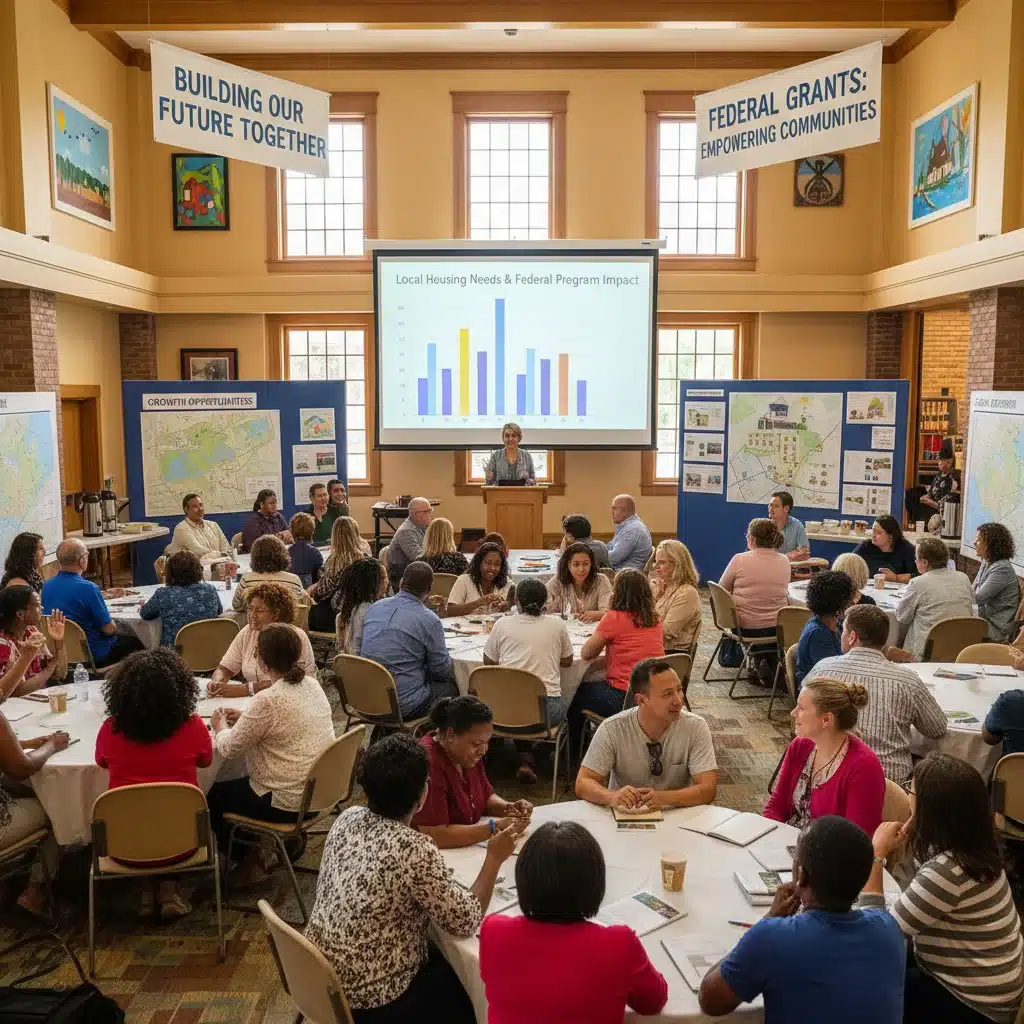
Meaningful community engagement is paramount. The initiative encourages participatory planning processes, where residents, community leaders, and other stakeholders have a voice in shaping housing projects that affect their neighborhoods. This bottom-up approach ensures that developments are culturally appropriate, meet genuine needs, and gain community buy-in, leading to more sustainable and successful outcomes. Public forums, workshops, and feedback mechanisms will be integral to this process.
Challenges and the Road Ahead for the Federal Housing Initiative
While the outlook for the new federal housing initiative is largely optimistic, it is important to acknowledge the inherent challenges that lie ahead. Implementing a program of this magnitude requires sustained effort, adaptability, and political will. The path to impacting 3 million Americans by mid-2026 is ambitious and fraught with potential obstacles.
Economic Volatility and Inflation
Unpredictable economic conditions, including inflation in construction materials and labor costs, could pose significant hurdles. The initiative’s funding and project timelines may need to be adjusted to account for these fluctuations. Robust economic forecasting and flexible budgetary allocations will be crucial to navigate such challenges effectively.
NIMBYism and Local Resistance
The ‘Not In My Backyard’ (NIMBY) phenomenon, where local residents resist new housing developments, particularly affordable housing, remains a persistent challenge. Overcoming this requires strong community outreach, transparent communication about the benefits of new housing, and thoughtful urban planning that addresses local concerns while still achieving the initiative’s goals. Education campaigns highlighting the broader societal benefits of affordable housing will be essential.
Workforce Shortages
The construction industry is currently facing workforce shortages, which could slow down the pace of housing development. The initiative may need to include provisions for workforce development and training programs to ensure a sufficient supply of skilled labor to meet the increased demand for construction projects. Investing in vocational training and apprenticeships can create a pipeline of talent for years to come.
Ensuring Equitable Distribution
A key challenge will be ensuring that the benefits of the federal housing initiative are equitably distributed across all regions and demographic groups, avoiding concentrations of resources in a few areas. This requires careful planning, data-driven decision-making, and continuous monitoring to identify and correct any imbalances. Special attention must be paid to rural areas and smaller towns that often get overlooked in large-scale federal programs.
Long-Term Sustainability
Beyond the initial push, ensuring the long-term sustainability of the housing solutions created by this initiative is paramount. This includes establishing mechanisms for ongoing maintenance, community management, and adapting to future housing needs. The goal is not just to build houses but to create lasting homes and communities that can thrive for generations.
The success of this federal housing initiative will ultimately depend on the collective commitment of all stakeholders – federal, state, and local governments, private industry, non-profits, and communities themselves. It is a bold step towards a future where every American has access to safe, stable, and affordable housing, laying the groundwork for a more prosperous and equitable nation.
Conclusion: A New Era for Housing in America
The announcement of the new federal housing initiative, poised to impact 3 million Americans by mid-2026, marks a significant turning point in the national discourse and action on housing. It represents a comprehensive, multi-faceted approach to a complex problem, moving beyond piecemeal solutions to a strategic, long-term vision. By focusing on increasing supply, providing direct assistance, supporting homeownership, and fostering community development, the initiative aims to create a more stable, equitable, and prosperous housing landscape for millions.
The journey ahead will undoubtedly present its share of challenges, from economic pressures to local implementation hurdles. However, the foundational commitment to addressing housing insecurity at scale, coupled with a collaborative spirit between public and private entities, offers a strong basis for optimism. The anticipated benefits – improved health and education outcomes, reduced poverty, stimulated economies, and enhanced social equity – underscore the transformative potential of this undertaking.
As the initiative progresses, ongoing evaluation, flexibility, and a responsiveness to the evolving needs of communities will be crucial for its sustained success. This federal housing initiative is more than just a policy; it’s a testament to the belief that access to a safe and affordable home is a fundamental right and a powerful catalyst for individual well-being and national strength. Its impact will be felt for years to come, shaping the lives of millions and redefining what is possible in the pursuit of housing justice in America.