Federal Aid Update: $500 Million Allocated for Disaster Relief Efforts Following Recent Storms
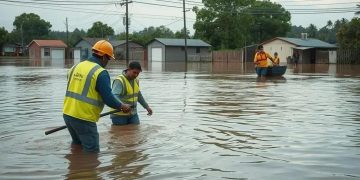
In a significant move to bolster recovery efforts, the federal government has announced a substantial allocation of $500 million in Federal Disaster Relief funding. This critical aid package is specifically earmarked for communities that have been severely impacted by recent devastating storms, providing a much-needed lifeline as they embark on the arduous journey of rebuilding and recovery. The announcement comes at a time when many regions are grappling with widespread damage, displacement, and economic disruption, underscoring the urgent need for comprehensive support.
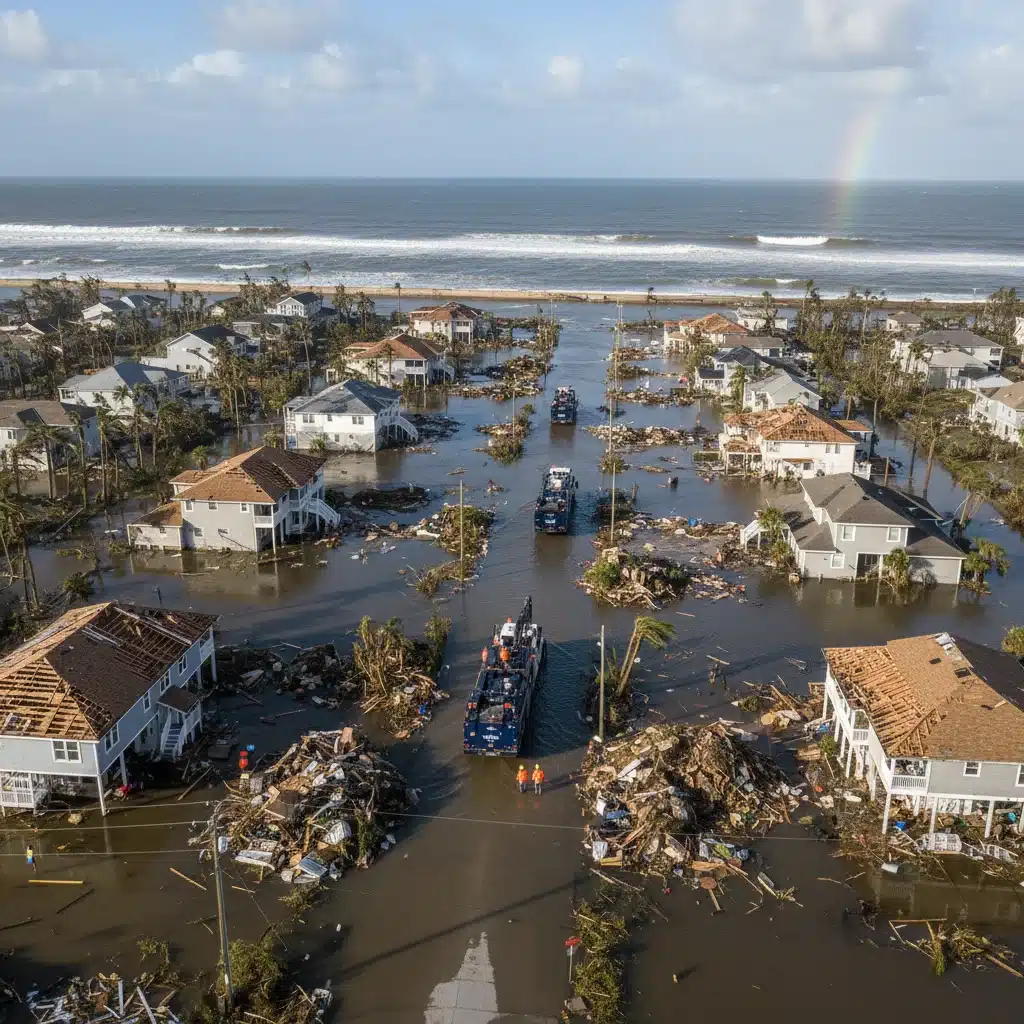
The recent spate of storms has left an indelible mark on numerous states, causing billions of dollars in damage, destroying homes, businesses, and vital infrastructure. From coastal areas battered by hurricanes to inland regions ravaged by tornadoes and severe flooding, the scale of the destruction has been immense. In the face of such overwhelming challenges, the provision of robust Federal Disaster Relief is not just a financial injection; it is a beacon of hope, empowering local authorities, non-profits, and individuals to undertake the monumental task of restoring normalcy.
This article delves into the specifics of this new federal aid package, exploring how the $500 million will be distributed, who is eligible to receive assistance, and the anticipated impact on affected communities. We will also discuss the application processes, key initiatives, and the long-term vision for resilience building that this funding aims to support. Understanding the nuances of this Federal Disaster Relief update is crucial for anyone living in or concerned about storm-affected areas.
Understanding the Scope of the $500 Million Federal Disaster Relief Package
The $500 million allocated for Federal Disaster Relief represents a strategic investment in the nation’s capacity to respond to and recover from natural calamities. This funding is designed to address a wide array of needs, ranging from immediate emergency response to long-term reconstruction projects. It is a testament to the federal government’s commitment to supporting its citizens during times of crisis and ensuring that communities have the resources necessary to not only recover but also to build back stronger and more resilient.
Key Areas of Focus for the Federal Aid
- Emergency Housing and Shelter: A significant portion of the funds will be directed towards providing temporary housing solutions for displaced individuals and families. This includes rental assistance, emergency shelters, and support for transitional housing programs. Ensuring that storm victims have a safe and stable place to live is often the first and most critical step in the recovery process.
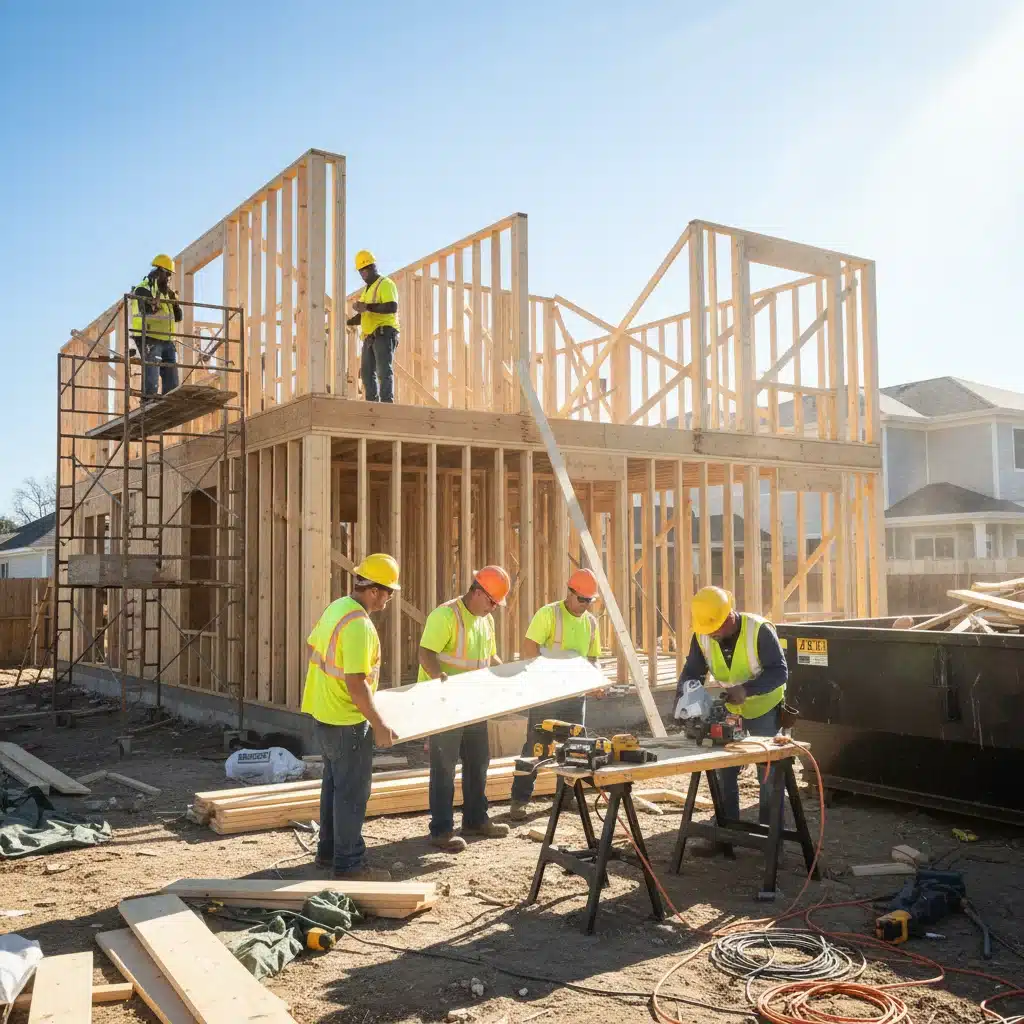
- Infrastructure Repair and Reconstruction: Roads, bridges, public utilities, and other essential infrastructure components often bear the brunt of severe storms. The Federal Disaster Relief package will facilitate the repair and reconstruction of these vital assets, restoring critical services and enabling economic activity to resume. This includes funding for damaged water systems, power grids, and communication networks.
- Individual and Household Assistance: Direct financial aid will be available to eligible individuals and households to cover uninsured losses, medical expenses, and other immediate needs. This assistance is crucial for helping families get back on their feet and addressing the personal toll of the disaster.
- Hazard Mitigation Projects: A forward-thinking aspect of this funding is its emphasis on hazard mitigation. By investing in projects that reduce the risk of future damage from natural disasters, the Federal Disaster Relief aims to enhance community resilience. This could include elevating homes, reinforcing infrastructure, and implementing early warning systems.
- Small Business Support: Local economies are often devastated by natural disasters. The aid package includes provisions for small business loans, grants, and other forms of assistance to help businesses recover, reopen, and retain employees, thereby stimulating economic revitalization in affected areas.
- Mental Health Services: The psychological impact of experiencing a natural disaster can be profound and long-lasting. Funding will also be allocated to provide mental health counseling and support services to individuals and communities coping with the trauma of the storms.
The allocation of $500 million underscores the severity of the recent storms and the comprehensive approach required for effective recovery. This Federal Disaster Relief is not a one-size-fits-all solution but rather a flexible framework designed to meet the diverse needs of different communities.
Eligibility and Application Process for Federal Disaster Relief
Navigating the complexities of federal aid programs can be challenging, especially for individuals and communities already under immense stress. Therefore, understanding the eligibility criteria and the application process for this Federal Disaster Relief is paramount. The primary agency responsible for administering much of this aid is the Federal Emergency Management Agency (FEMA), often working in conjunction with state and local emergency management offices.
Who is Eligible?
- Individuals and Households: Eligibility typically requires that individuals reside in a federally declared disaster area and have incurred losses or damages directly attributable to the recent storms. Documentation of damages, residency, and insurance coverage (or lack thereof) will be essential.
- State and Local Governments: These entities are eligible for public assistance to cover costs associated with emergency protective measures, debris removal, and the repair or replacement of damaged public facilities.
- Certain Private Non-Profit Organizations: Non-profits that provide essential services (e.g., hospitals, schools, utilities) may also be eligible for assistance to repair or replace their damaged facilities.
- Businesses: Small businesses in declared disaster areas can apply for low-interest disaster loans from the Small Business Administration (SBA) to help with property damage and economic injury.
The Application Journey
The general process for applying for Federal Disaster Relief typically involves several key steps:
- Disaster Declaration: The first prerequisite is a presidential disaster declaration for the affected area. Without this, federal aid cannot be released.
- Registration with FEMA: Individuals and households in declared areas should register with FEMA. This can often be done online, by phone, or in person at a Disaster Recovery Center. During registration, applicants will provide personal information, details about their damages, and insurance information.
- Damage Assessment: After registration, FEMA may send an inspector to assess the damage to your property. It’s crucial to document all damages with photos and videos before and after cleanup, and to keep detailed records of all expenses.
- Application for SBA Loans (if applicable): Many individuals and businesses are first referred to the SBA for low-interest disaster loans. Even if you don’t think you qualify or don’t want a loan, applying can sometimes open the door to other forms of FEMA assistance.
- Review and Determination: FEMA and other agencies will review your application and determine your eligibility for various programs, which could include housing assistance, critical needs assistance, or other grants.
- Appeals Process: If an application is denied or the amount of assistance is deemed insufficient, applicants have the right to appeal the decision. This often involves providing additional documentation or clarification.
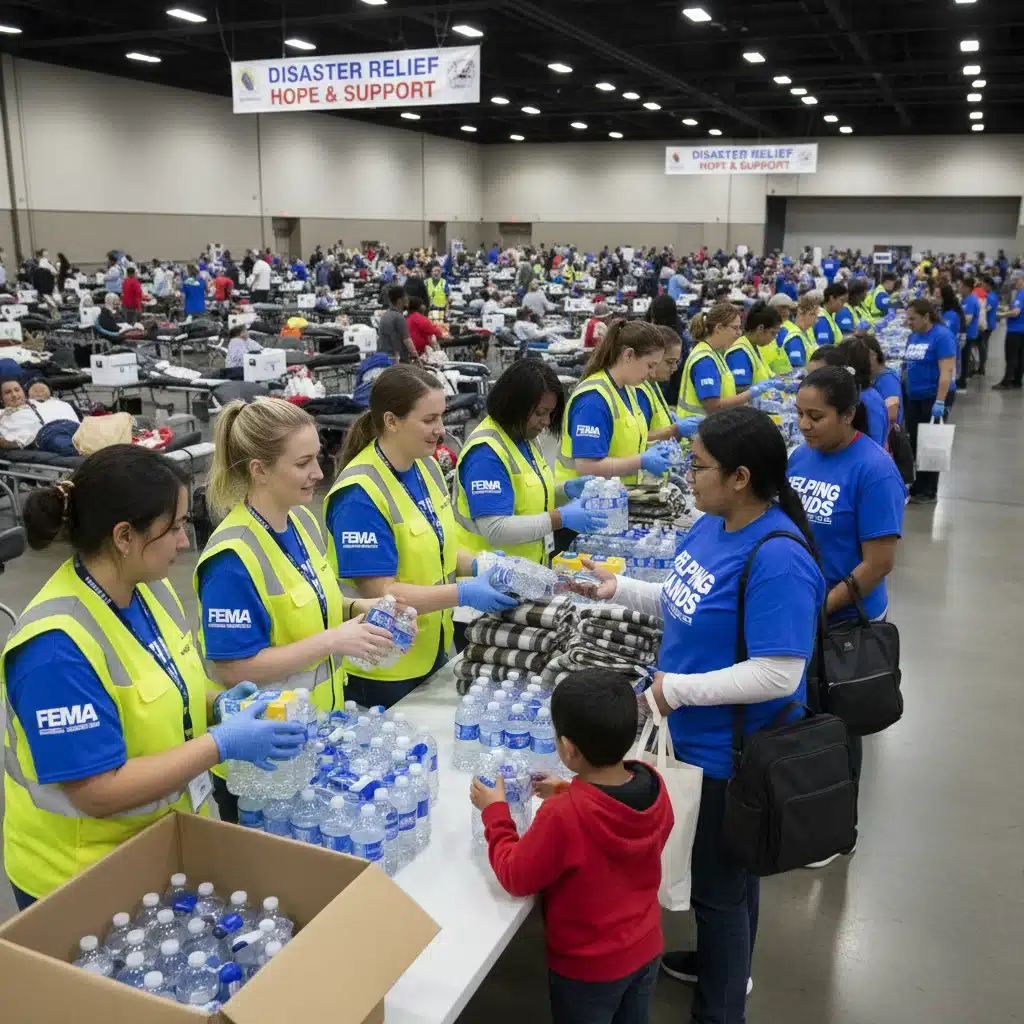
It is highly recommended that individuals and organizations seeking Federal Disaster Relief keep meticulous records, communicate proactively with relevant agencies, and seek assistance from local support networks or legal aid services if needed. The process can be complex, but persistence and thorough documentation are key to success.
The Economic and Social Impact of Federal Disaster Relief
The injection of $500 million in Federal Disaster Relief extends far beyond immediate financial assistance; it has profound economic and social implications for the affected regions. Natural disasters not only cause physical destruction but also disrupt local economies, displace populations, and inflict significant emotional distress. This aid package plays a vital role in mitigating these wider impacts.
Economic Revitalization
When communities are struck by severe storms, businesses are forced to close, jobs are lost, and local tax revenues plummet. The Federal Disaster Relief helps to jumpstart economic recovery by:
- Stimulating Local Spending: Funds used for rebuilding homes, repairing infrastructure, and purchasing supplies directly inject money into local economies, supporting businesses and creating jobs for contractors, suppliers, and service providers.
- Restoring Business Operations: Grants and loans for small businesses enable them to repair damages, restock inventory, and resume operations, which is crucial for maintaining employment and providing essential goods and services to the community.
- Attracting Investment: A strong federal commitment to recovery can signal stability and encourage private investment in the long term, helping to rebuild and diversify local economies.
Social Cohesion and Well-being
Beyond the economic sphere, Federal Disaster Relief is instrumental in restoring social fabric and supporting the well-being of residents:
- Reducing Stress and Anxiety: Financial assistance and access to resources can significantly alleviate the immense stress and anxiety experienced by disaster survivors, allowing them to focus on recovery rather than immediate survival.
- Rebuilding Communities: By supporting the reconstruction of homes, schools, and community centers, the aid helps to restore the physical spaces that foster social interaction and community identity.
- Promoting Mental Health: The allocation for mental health services acknowledges the often-invisible wounds of disaster, providing crucial support for individuals and families to cope with trauma, loss, and displacement.
- Enhancing Equity: Federal aid programs often prioritize vulnerable populations and ensure that resources are distributed equitably, preventing further marginalization of those already struggling.
The comprehensive nature of this Federal Disaster Relief package aims to address both the immediate and long-term needs of affected communities, fostering a holistic recovery that encompasses economic vitality and social resilience.
Challenges and Opportunities in Administering Federal Disaster Relief
While the $500 million Federal Disaster Relief package offers immense potential for recovery, its effective administration comes with a unique set of challenges and opportunities. Ensuring that the funds reach those who need them most, efficiently and transparently, is a complex undertaking that requires coordination, innovation, and unwavering commitment.
Navigating Bureaucracy and Red Tape
One of the perennial challenges in disaster recovery is the bureaucratic hurdles that can slow down the distribution of aid. The application processes can be intricate, documentation requirements stringent, and communication across multiple agencies sometimes fragmented. Streamlining these processes and enhancing inter-agency cooperation are critical to maximizing the impact of the Federal Disaster Relief.
Ensuring Equity and Preventing Fraud
A significant opportunity lies in ensuring that the aid is distributed equitably, reaching all affected populations, including those who are historically underserved or marginalized. Simultaneously, robust oversight mechanisms are essential to prevent fraud and misuse of funds, thereby safeguarding public trust and ensuring that every dollar contributes to genuine recovery efforts.
Building Back Better: A Focus on Resilience
The allocation for hazard mitigation projects presents a crucial opportunity to not just rebuild what was lost but to build back better. By integrating climate-resilient designs and practices into reconstruction efforts, communities can reduce their vulnerability to future disasters. This proactive approach, funded by Federal Disaster Relief, can save lives and resources in the long run.
Community Engagement and Local Leadership
Effective Federal Disaster Relief is not just about top-down directives; it thrives on strong community engagement and local leadership. Empowering local governments, non-profits, and community groups to identify their specific needs and priorities ensures that the aid is tailored to local contexts and maximizes its effectiveness. Opportunities exist to foster greater collaboration between federal agencies and grassroots initiatives.
Leveraging Technology for Efficiency
The use of modern technology can significantly enhance the efficiency and transparency of disaster relief efforts. Digital platforms for application submission, damage assessment, and fund tracking can expedite processes, reduce errors, and provide real-time data on the progress of recovery. Embracing technological solutions is a key opportunity for optimizing the impact of this Federal Disaster Relief package.
The Long Road Ahead: Sustained Support Beyond Initial Federal Disaster Relief
While the $500 million in Federal Disaster Relief is a monumental first step, it is important to recognize that recovery from widespread natural disasters is a long-term endeavor. The immediate aftermath requires emergency aid, but the subsequent phases of rebuilding, economic revitalization, and emotional healing can span years, if not decades. Sustained support and strategic planning are crucial for a complete and resilient recovery.
Continued Monitoring and Evaluation
To ensure the efficacy of the Federal Disaster Relief, continuous monitoring and evaluation of programs and projects are essential. This involves tracking the progress of reconstruction, assessing the impact of mitigation efforts, and gathering feedback from affected communities. Such data-driven insights can inform future policy decisions and optimize the allocation of resources.
Private Sector and Non-Profit Partnerships
Government aid alone cannot address all the needs arising from a major disaster. The Federal Disaster Relief can serve as a catalyst for greater involvement from the private sector and non-profit organizations. Partnerships with these entities can bring additional resources, expertise, and volunteers, augmenting federal efforts and accelerating recovery. Corporations can contribute through donations, employee volunteer programs, and providing specialized services.
Policy Reforms and Future Preparedness
The experience gained from administering this Federal Disaster Relief package offers valuable lessons for future disaster preparedness and response policies. Opportunities exist to review and reform existing regulations, improve inter-agency coordination protocols, and invest in advanced forecasting and early warning systems. A proactive approach to disaster management, informed by current recovery efforts, is vital for safeguarding communities against the increasing frequency and intensity of natural disasters.
Community Resilience Programs
Beyond physical infrastructure, building community resilience involves strengthening social networks, enhancing local leadership capabilities, and fostering a culture of preparedness. The long-term success of Federal Disaster Relief will be measured not just by how quickly homes are rebuilt, but by how well communities are equipped to withstand and recover from future shocks. This includes educational programs, community drills, and local capacity building initiatives.
Conclusion: A Vital Step Towards Recovery and Resilience with Federal Disaster Relief
The allocation of $500 million in Federal Disaster Relief is a critical and timely response to the widespread devastation caused by recent storms. This substantial investment underscores the nation’s commitment to supporting its affected communities, providing the necessary resources for emergency response, comprehensive rebuilding, and long-term resilience. From offering immediate shelter and financial assistance to repairing vital infrastructure and promoting hazard mitigation, the package addresses a broad spectrum of needs.
While the path to full recovery will undoubtedly be challenging and protracted, this Federal Disaster Relief provides a robust foundation. It empowers individuals to rebuild their lives, businesses to reopen their doors, and communities to reconstruct their physical and social fabric. The effective implementation of these funds, coupled with continued collaboration among federal, state, and local entities, as well as private and non-profit partners, will be paramount to its success.
As communities embark on the arduous journey of healing and reconstruction, the promise of Federal Disaster Relief stands as a powerful testament to collective solidarity and the enduring spirit of resilience. It is a vital step towards not only restoring what was lost but also building a future that is more secure, sustainable, and better prepared for the challenges that lie ahead.