AI in K-12 Education: A Parent’s Guide to 2026
The Transformative Power of AI in K-12 Education: What Parents and Students Need to Know for 2026
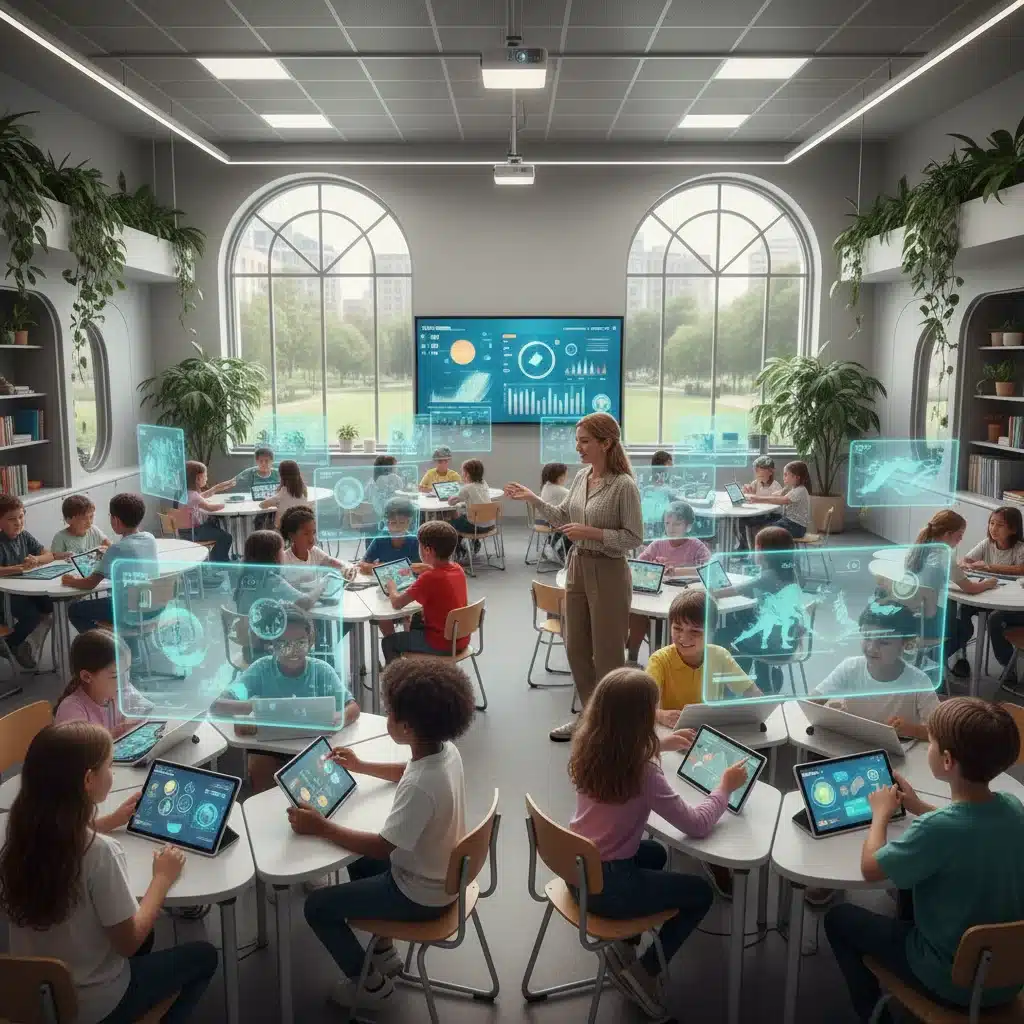
The landscape of education is undergoing a rapid metamorphosis, driven primarily by the exponential advancements in Artificial Intelligence. For parents and students navigating the K-12 system, understanding the profound impact of AI K-12 education is no longer optional; it’s essential. By 2026, AI will be more deeply integrated into classrooms, curricula, and learning methodologies than ever before. This comprehensive guide aims to demystify AI’s role in K-12 education, offering insights into its benefits, challenges, and what families can do to prepare for this exciting new era.
Understanding the AI Revolution in K-12 Education
Artificial Intelligence, broadly defined, refers to machines capable of performing tasks that typically require human intelligence. In the context of AI K-12 education, this encompasses everything from personalized learning platforms and automated grading to intelligent tutoring systems and data analytics that inform teaching strategies. The shift isn’t just about introducing new tools; it’s about fundamentally rethinking how we teach, how students learn, and what skills are most valuable for the future.
The Current State of AI in Classrooms
Even today, many schools are already experimenting with AI. We see early versions of AI-powered educational software that adapts to a student’s pace, identifying areas where they struggle and providing targeted interventions. Virtual assistants are helping teachers manage administrative tasks, freeing up more time for direct student interaction. Predictive analytics are being used to identify students at risk of falling behind, allowing educators to intervene proactively. These early applications are just the tip of the iceberg, setting the stage for more sophisticated integrations by 2026.
Why 2026 is a Pivotal Year for AI K-12 Education
The year 2026 is significant because it represents a point where many nascent AI technologies will have matured sufficiently to be widely adopted in educational settings. Policy frameworks will likely be more developed, teacher training will be more widespread, and the costs of implementation will have decreased, making AI accessible to a broader range of schools. This widespread integration will necessitate a deeper understanding from parents and students about how to leverage these tools effectively and ethically.
Key Benefits of AI in K-12 Education for Students
The promise of AI K-12 education lies in its potential to revolutionize the learning experience, making it more effective, engaging, and equitable for every student.
Personalized Learning Paths
One of the most significant advantages of AI is its ability to tailor educational content to individual student needs. Traditional classrooms often struggle to cater to diverse learning styles and paces. AI-powered platforms can assess a student’s strengths, weaknesses, and preferred learning methods, then curate a personalized curriculum. This means a student who grasps math concepts quickly can move ahead, while another who needs more time can receive additional support and different explanations, all without holding back or being left behind. This level of individualization was previously unimaginable on a large scale.
Intelligent Tutoring Systems
Imagine a tutor available 24/7, capable of explaining complex topics in multiple ways, providing immediate feedback, and even understanding a student’s emotional state to offer encouragement. AI-powered intelligent tutoring systems are moving closer to this reality. These systems can guide students through problem-solving, identify misconceptions, and offer alternative approaches, mimicking the best aspects of one-on-one human tutoring. This can be particularly beneficial for subjects like mathematics and science, where step-by-step guidance is crucial.

Enhanced Engagement and Motivation
AI can make learning more interactive and fun. Gamified learning experiences, virtual reality simulations, and adaptive content that responds to student input can significantly boost engagement. For example, an AI might generate a personalized story problem based on a student’s interests or create a virtual field trip to ancient Rome, making history come alive. This increased engagement can translate into better retention and a more positive attitude towards learning.
Accessibility and Inclusivity
AI K-12 education has the potential to break down barriers for students with diverse needs. AI tools can provide real-time translation for English language learners, generate audio descriptions for visually impaired students, or offer alternative input methods for students with motor disabilities. AI can also adapt content complexity for students with learning disabilities, ensuring they receive instruction at their appropriate level, fostering a more inclusive educational environment.
How AI Empowers Educators and Optimizes School Operations
AI isn’t just for students; it’s a powerful ally for teachers and administrators, streamlining tasks and providing valuable insights.
Automated Grading and Feedback
One of the most time-consuming tasks for teachers is grading. AI can automate the grading of objective assessments, essays (with increasing sophistication), and even provide preliminary feedback on written assignments. This frees up teachers to focus on higher-level tasks, such as designing engaging lessons, providing individualized support, and fostering critical thinking skills.
Data-Driven Insights for Teachers
AI can analyze vast amounts of student performance data to identify trends, pinpoint common areas of difficulty, and predict which students might need extra support. Teachers can then use these insights to adjust their teaching strategies, differentiate instruction more effectively, and intervene before students fall too far behind. This shift from reactive to proactive teaching is a game-changer.
Curriculum Development and Resource Curation
AI can assist in developing new curriculum materials by identifying gaps, suggesting relevant resources, and even generating preliminary lesson plans. It can also help teachers discover and curate high-quality educational content from across the web, ensuring that students have access to the most up-to-date and engaging materials.
Administrative Efficiency
Beyond the classroom, AI can optimize various school administrative tasks, from managing student enrollment and scheduling to predicting resource needs and improving campus security. This efficiency can lead to better resource allocation and a smoother-running educational institution.
Challenges and Ethical Considerations in AI K-12 Education
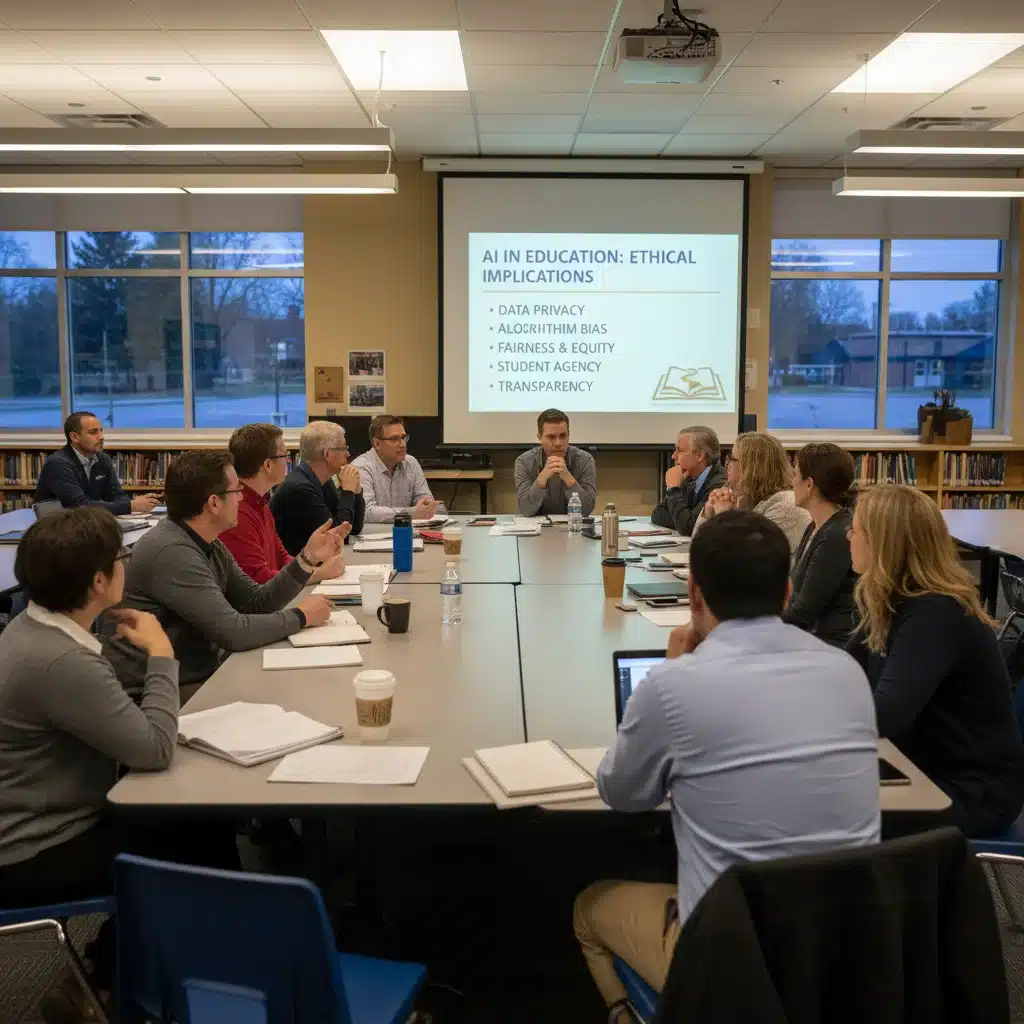
While the potential of AI K-12 education is immense, it’s crucial to address the challenges and ethical dilemmas that arise with its integration.
Data Privacy and Security
AI systems rely on data, and in education, this means student data. Protecting sensitive student information from breaches and misuse is paramount. Schools must implement robust security measures and adhere to strict privacy regulations (like FERPA in the US) to ensure that student data is handled responsibly and ethically. Parents need to be informed about what data is collected, how it’s used, and who has access to it.
Bias in Algorithms
AI algorithms are only as unbiased as the data they are trained on. If the training data contains historical biases (e.g., related to gender, race, socioeconomic status), the AI system can perpetuate and even amplify these biases. This could lead to unfair outcomes, such as misidentifying certain student groups as needing intervention when they don’t, or limiting opportunities based on flawed predictions. Continuous auditing and ethical AI development are crucial to mitigate this risk.
The Digital Divide and Equity
The benefits of AI K-12 education will only be realized if all students have equitable access to the necessary technology and internet connectivity. The digital divide, where some students lack access to devices or reliable internet at home, could exacerbate existing inequalities. Schools and policymakers must work to bridge this gap to ensure that AI serves as an equalizer, not a further divider.
Teacher Training and Professional Development
For AI to be effective, teachers need to be equipped with the knowledge and skills to use these tools effectively. This requires significant investment in professional development programs that teach educators not just how to operate AI software, but also how to integrate it pedagogically into their lessons, interpret AI-generated data, and critically evaluate AI outputs. Without adequate training, AI tools may be underutilized or misused.
Over-reliance on Technology and Critical Thinking
There’s a concern that an over-reliance on AI might diminish students’ critical thinking skills, problem-solving abilities, or even their capacity for independent learning. The goal of AI K-12 education should be to augment human intelligence, not replace it. Educators must design learning experiences that encourage students to think critically about AI-generated information, question assumptions, and develop their own solutions, rather than passively accepting AI outputs.
Preparing Students for an AI-Powered Future (Beyond 2026)
The integration of AI into education is not just about using AI as a tool; it’s about preparing students to thrive in a world increasingly shaped by AI. This means fostering a new set of essential skills.
Computational Thinking and Digital Literacy
Students need to understand the basic principles of how AI works, even if they don’t become AI developers. This includes computational thinking – breaking down problems, recognizing patterns, abstracting, and designing algorithms. Digital literacy extends to understanding data, cybersecurity, and how to effectively and ethically use digital tools, including AI.
Critical Thinking and Problem-Solving
As AI handles more routine tasks, the demand for higher-order thinking skills will increase. Students must be able to analyze complex information, evaluate sources (including AI-generated content), identify biases, and solve novel problems that AI cannot yet address. Encouraging inquiry-based learning and project-based learning can foster these crucial skills.
Creativity and Innovation
AI can automate many creative tasks, but true innovation still requires human ingenuity. Fostering creativity, imagination, and the ability to think divergently will be essential for students to generate new ideas, design solutions, and express themselves in unique ways that complement AI’s capabilities.
Emotional Intelligence and Collaboration
Skills like empathy, communication, teamwork, and leadership (often grouped under emotional intelligence) will become even more valuable in an AI-driven world. While AI can process information, human interaction, negotiation, and understanding complex social dynamics remain uniquely human strengths. Collaborative projects and social-emotional learning programs are vital.
Adaptability and Lifelong Learning
The pace of technological change is accelerating. Students must develop a mindset of lifelong learning and adaptability, being open to acquiring new skills, unlearning outdated ones, and embracing continuous personal and professional growth. The ability to learn how to learn will be their most valuable asset.
What Parents Can Do to Support Their Children in the AI Era
Parents play a critical role in helping their children navigate the evolving educational landscape shaped by AI K-12 education.
Stay Informed and Engaged
Educate yourself about AI and its implications for education. Attend school meetings, read reputable articles, and engage in discussions with educators. The more you understand, the better equipped you’ll be to support your child.
Foster a Growth Mindset
Encourage your child to embrace challenges, view mistakes as learning opportunities, and understand that intelligence can be developed through effort. This mindset is crucial for adapting to new technologies and learning continuously.
Promote Digital Literacy and Responsible Technology Use
Teach your children about online safety, critical evaluation of information (including AI-generated content), and the ethical implications of technology. Encourage them to be creators, not just consumers, of digital content. Discuss the importance of data privacy and responsible digital citizenship.
Emphasize Human Skills
While technical skills are important, emphasize the development of uniquely human attributes like creativity, critical thinking, empathy, and collaboration. Encourage activities that foster these skills, such as reading, creative writing, arts, team sports, and community service.
Communicate with Schools and Teachers
Ask schools about their AI strategies, the tools they are using, and how they are addressing ethical concerns. Partner with teachers to ensure a consistent approach to learning, both at home and in the classroom. Share your concerns and questions openly.
Encourage STEM and Humanities Equally
While AI is rooted in STEM, the humanities provide essential context, ethical frameworks, and critical thinking skills. Encourage a well-rounded education that values both scientific inquiry and humanistic understanding. The future workforce needs individuals who can bridge these disciplines.
Conclusion: Embracing the Future of AI K-12 Education
The integration of AI into K-12 education by 2026 presents both unprecedented opportunities and significant challenges. For parents and students, understanding these dynamics is key to thriving in the new educational paradigm. AI K-12 education promises more personalized, engaging, and equitable learning experiences, while also demanding a renewed focus on critical thinking, creativity, and human collaboration.
By staying informed, actively engaging with educational institutions, and fostering a balanced development of both technical and human skills, families can confidently navigate this exciting transformation. The goal is not to replace human educators or human intelligence with machines, but to leverage AI as a powerful tool to enhance learning, prepare students for an evolving world, and unlock their full potential. The future of education is here, and it’s intelligent, adaptive, and full of possibilities.