Boosting Student Engagement: Innovative Teaching Methods in US Schools by 2026
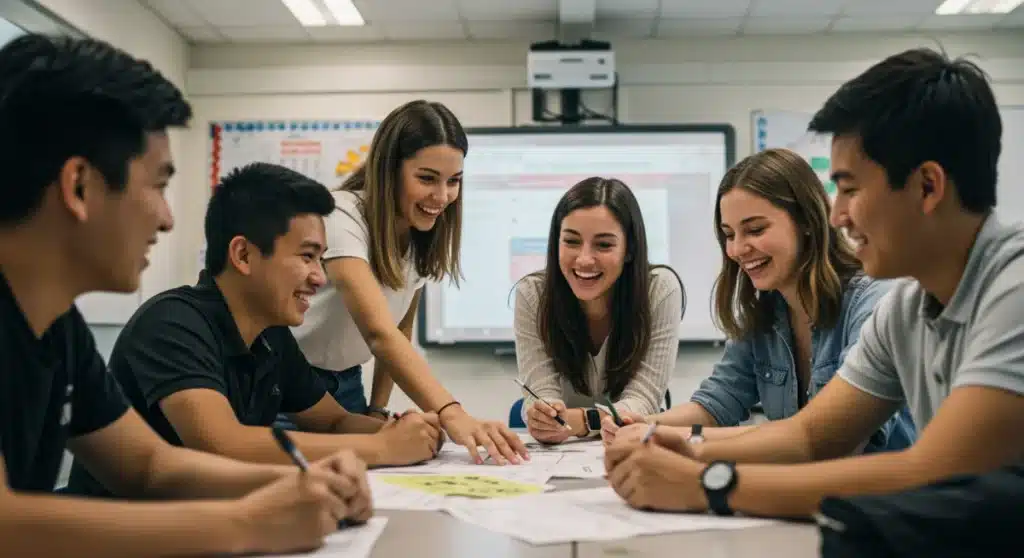
The landscape of education is in constant flux, adapting to the evolving needs of students and the demands of a rapidly changing world. In the United States, a significant push is underway to revolutionize teaching practices, with a keen focus on Student Engagement Methods. By March 2026, many U.S. schools are expected to have widely adopted innovative pedagogical approaches designed not just to transmit knowledge, but to ignite curiosity, foster critical thinking, and cultivate a lifelong love of learning. This article will delve into the transformative teaching methods currently being implemented and explored, highlighting their potential to reshape the educational experience for millions of students.
For too long, traditional education models have prioritized rote memorization and passive reception of information. While foundational knowledge remains crucial, the 21st century demands more. Students need to be problem-solvers, creative thinkers, effective communicators, and adaptable learners. These skills are best developed through active engagement, where students are not merely recipients of education but active participants in their learning journey. The drive to enhance Student Engagement Methods is at the heart of this educational paradigm shift.
The Imperative for Enhanced Student Engagement
Why is student engagement so critical now, more than ever? The answer lies in the confluence of several factors. Firstly, the digital age has provided students with unprecedented access to information. If everything can be looked up with a few clicks, the role of the teacher shifts from being a sole knowledge dispenser to a facilitator, guiding students through a vast ocean of information and helping them make sense of it. Secondly, the workforce of the future will require skills that go beyond mere factual recall. Collaboration, innovation, and complex problem-solving are paramount. Finally, disengaged students are more likely to struggle academically, exhibit behavioral issues, and even drop out of school. By implementing effective Student Engagement Methods, educators aim to create learning environments where every student feels valued, challenged, and motivated to succeed.
The push for these new methods is not a fleeting trend but a strategic response to the challenges and opportunities of modern education. Schools are recognizing that a one-size-fits-all approach no longer serves the diverse needs of their student populations. Instead, they are embracing strategies that empower students, giving them agency over their learning and connecting academic content to real-world relevance. This commitment to improving Student Engagement Methods is set to redefine what it means to learn and teach in America.
Project-Based Learning (PBL): Real-World Challenges, Real-World Solutions
One of the most prominent and effective Student Engagement Methods gaining traction is Project-Based Learning (PBL). PBL is an instructional approach where students learn by actively engaging in real-world and personally meaningful projects. Instead of simply studying a topic, students delve deep into a complex question, problem, or challenge over an extended period. This culminates in a public product or presentation, allowing them to showcase their learning and receive feedback.
In a PBL classroom, students might work collaboratively to design a sustainable city, develop a marketing campaign for a local business, or research and propose solutions to an environmental issue. This approach moves away from traditional lectures and textbook exercises, placing students at the center of their learning. It naturally integrates various subjects – science, math, language arts, and social studies – as students need to draw upon diverse knowledge and skills to complete their projects. The authentic nature of PBL makes learning relevant and compelling, boosting intrinsic motivation and engagement.
The benefits of PBL extend beyond content mastery. Students develop crucial 21st-century skills such as critical thinking, problem-solving, collaboration, communication, and self-management. They learn to ask questions, conduct research, analyze information, synthesize ideas, and present their findings. Moreover, the process often involves iteration and revision, teaching students resilience and the value of constructive feedback. By March 2026, many U.S. schools are investing heavily in professional development for teachers to effectively implement PBL, recognizing its power as a leading Student Engagement Method.
Personalized Learning: Tailoring Education to Every Student
Another revolutionary approach transforming education is personalized learning. This method recognizes that every student is unique, with different learning styles, paces, interests, and strengths. Instead of a standardized curriculum delivered uniformly, personalized learning tailors the educational experience to each individual student. It’s about meeting students where they are and guiding them to where they need to go, making it a powerful Student Engagement Method.
Personalized learning often leverages technology to provide adaptive content, allowing students to progress at their own speed through learning modules. However, it’s much more than just self-paced digital learning. It involves teachers acting as mentors and facilitators, working closely with students to set individual learning goals, choose relevant learning pathways, and provide targeted support. This might include one-on-one tutoring, small group instruction, or access to a variety of resources that cater to different learning preferences.
The core tenets of personalized learning include student agency, where students have a voice and choice in their education; competency-based progression, where students advance upon demonstrating mastery of skills and content rather than simply time spent; and flexible learning environments, which adapt to student needs. By empowering students to take ownership of their learning and providing them with relevant and challenging content, personalized learning significantly increases engagement. Schools across the U.S. are increasingly adopting personalized learning frameworks, utilizing data analytics to understand student progress and tailor interventions, making it a cornerstone of modern Student Engagement Methods.
Gamification and Game-Based Learning: Making Education Fun and Effective
The ubiquity of video games in children’s lives has not gone unnoticed by educators. Gamification and game-based learning are emerging as highly effective Student Engagement Methods by harnessing the motivational power of games for educational purposes. While often used interchangeably, there’s a subtle distinction: gamification applies game-design elements and game principles in non-game contexts, while game-based learning uses actual games (digital or analog) to teach specific concepts or skills.
Gamification in the classroom might involve earning points, badges, or virtual rewards for completing assignments, participating in class, or mastering new skills. Leaderboards can foster healthy competition, and progress bars can visually represent a student’s journey through a unit. These elements tap into intrinsic human desires for achievement, recognition, and competition, transforming mundane tasks into engaging challenges. For instance, a history lesson could be gamified by framing it as a quest to uncover historical mysteries, with students earning ‘artifacts’ for correct answers.
Game-based learning, on the other hand, might involve playing educational video games designed to teach specific subjects like math, science, or coding. These games often present complex problems in an interactive and entertaining format, allowing students to learn through trial and error in a low-stakes environment. The immediate feedback, clear objectives, and immersive narratives found in educational games can captivate students’ attention and deepen their understanding. By March 2026, a growing number of U.S. schools are integrating gamified elements and educational games into their curriculum, recognizing their potential to revolutionize Student Engagement Methods and make learning more enjoyable and effective.
Technology Integration: Tools for Enhanced Engagement
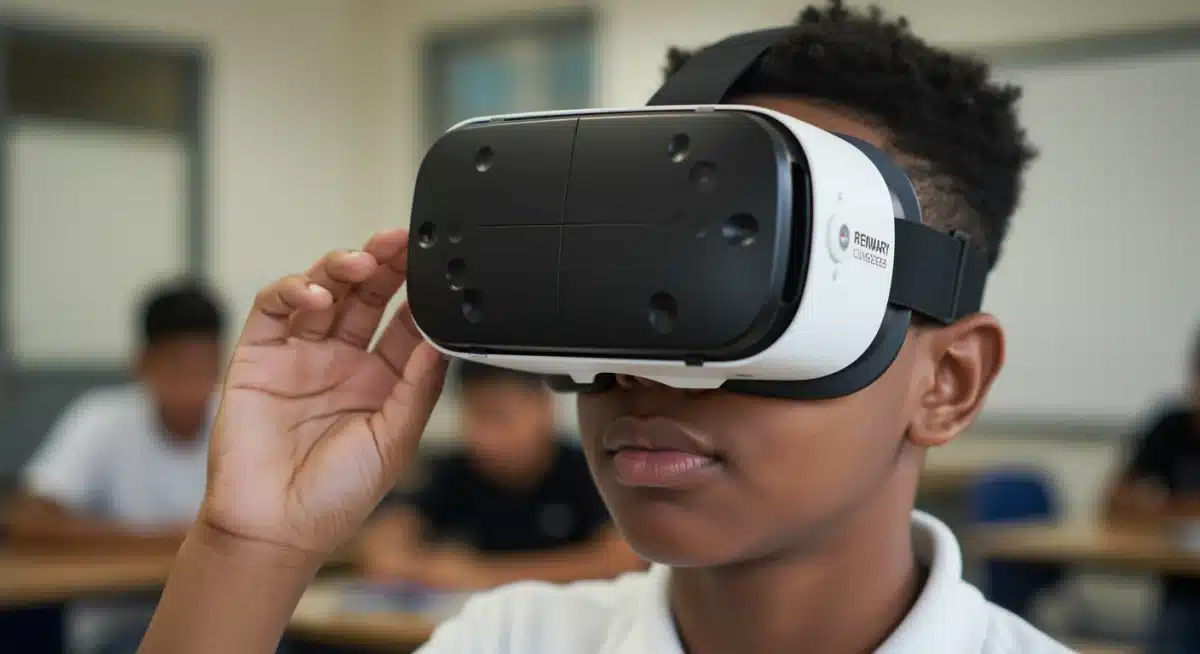
Technology is not merely a tool for delivery; it is a catalyst for innovative Student Engagement Methods. Beyond personalized learning platforms and educational games, a wide array of technological tools is being deployed in U.S. classrooms to make learning more interactive, collaborative, and accessible.
- Virtual Reality (VR) and Augmented Reality (AR): These immersive technologies are transforming how students experience learning. Imagine exploring ancient Rome, dissecting a frog virtually, or walking through the human circulatory system – all from the classroom. VR and AR create highly engaging and memorable learning experiences that were once impossible.
- Interactive Whiteboards and Displays: These staples of modern classrooms allow for dynamic presentations, collaborative problem-solving, and interactive activities. Teachers can annotate, draw, and manipulate content in real-time, making lessons more dynamic.
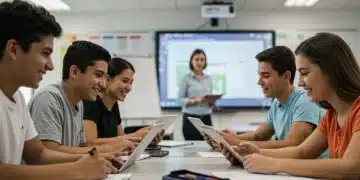
- Collaborative Online Tools: Platforms like Google Workspace, Microsoft 365, and various learning management systems (LMS) facilitate seamless collaboration among students on projects, document sharing, and real-time feedback. These tools mirror the collaborative environments students will encounter in future workplaces.
- Educational Apps and Software: From coding platforms to language learning apps and science simulations, a vast ecosystem of educational software provides tailored learning experiences and opportunities for skill development.
- Artificial Intelligence (AI) in Education: While still evolving, AI is beginning to play a role in personalizing learning pathways, providing intelligent tutoring systems, and automating assessment, freeing up teachers to focus more on individual student needs and higher-order instruction.
The strategic integration of these technologies is pivotal in creating dynamic learning environments that cater to diverse learning styles and keep students actively involved. By 2026, technology is expected to be an even more integral part of Student Engagement Methods in U.S. schools, breaking down traditional classroom walls and expanding learning possibilities.
Inquiry-Based Learning: Fostering Curiosity and Critical Thinking
Inquiry-based learning is another powerful Student Engagement Method that places students’ questions and investigations at the forefront of the learning process. Instead of providing answers, teachers guide students in formulating their own questions, conducting research, analyzing data, and constructing their own understanding. This approach mirrors the scientific method and encourages a deep, conceptual understanding rather than surface-level memorization.
In an inquiry-based classroom, a teacher might present a puzzling phenomenon, a controversial topic, or an intriguing artifact. Students then work individually or in groups to ask questions, develop hypotheses, design investigations, collect and interpret information, and draw conclusions. The teacher’s role shifts from lecturer to facilitator, providing resources, asking probing questions, and offering guidance as students navigate their learning journey.
This method is highly effective in developing critical thinking skills, problem-solving abilities, and a sense of intellectual autonomy. When students are genuinely curious about a topic and are empowered to explore it on their own terms, their engagement skyrockets. They learn to think like scientists, historians, or artists, rather than simply memorizing facts. U.S. schools are increasingly incorporating inquiry-based learning frameworks, especially in science, social studies, and humanities, recognizing its efficacy in boosting Student Engagement Methods and preparing students for complex challenges.
Social-Emotional Learning (SEL): Building Foundations for Engagement
While not a teaching method in the traditional sense, Social-Emotional Learning (SEL) is increasingly recognized as a foundational element for fostering effective Student Engagement Methods. SEL focuses on developing students’ self-awareness, self-management, social awareness, relationship skills, and responsible decision-making. These skills are crucial for academic success and overall well-being.
When students feel safe, connected, and understood, they are more likely to be engaged in their learning. SEL programs help students understand and manage their emotions, set and achieve positive goals, feel and show empathy for others, establish and maintain positive relationships, and make responsible decisions. These skills reduce behavioral issues, improve classroom climate, and create a more conducive learning environment.
Integrating SEL into the curriculum can take many forms, from explicit lessons on emotional regulation and conflict resolution to incorporating practices like mindfulness and restorative justice. Teachers who prioritize SEL create classrooms where students feel comfortable taking risks, asking questions, and collaborating with peers. By March 2026, many U.S. schools are embedding SEL principles across all aspects of school life, understanding that emotionally intelligent students are inherently more receptive to and engaged with innovative teaching practices. It’s an essential prerequisite for maximizing the impact of other Student Engagement Methods.
Competency-Based Education: Focusing on Mastery, Not Time
Closely related to personalized learning, competency-based education (CBE) is another powerful approach gaining traction as an effective Student Engagement Method. In CBE, students advance once they have demonstrated mastery of specific learning objectives or competencies, rather than based on seat time or age. This means that some students might move through content more quickly, while others receive additional support and time to achieve mastery.
CBE shifts the focus from ‘what was taught’ to ‘what was learned.’ It requires clear learning objectives and transparent criteria for success. Students know exactly what is expected of them and receive continuous feedback on their progress. This clarity and focus on mastery can be incredibly motivating. Disengaged students often feel lost or overwhelmed when they fall behind; CBE provides the necessary support and flexibility to ensure all students can reach proficiency.
The benefits of CBE include increased student ownership of learning, deeper understanding of content, and the development of self-pacing and self-advocacy skills. It also allows for more flexible pathways to graduation and can better prepare students for higher education and careers where demonstrated skills are paramount. As U.S. education continues its evolution, CBE is expected to play a significant role in enhancing Student Engagement Methods by ensuring that every student achieves a deep and meaningful understanding of the curriculum.
Flipped Classrooms: Reversing the Traditional Model
The flipped classroom model is an innovative Student Engagement Method that reverses the traditional instructional approach. Instead of lectures being delivered in class and homework assigned for home, students access instructional content (e.g., video lectures, readings) outside of class. Class time is then dedicated to active learning activities, discussions, problem-solving, and project work.
This model addresses a common challenge: students often struggle with homework because they lack immediate support. In a flipped classroom, the teacher is readily available during class time to provide guidance, clarify concepts, and facilitate deeper learning activities. This allows for more personalized attention and caters to different learning paces. Students can pause, rewind, and re-watch lectures as needed, ensuring they grasp foundational concepts before engaging in more complex applications.
The flipped classroom encourages active participation and collaboration during class time. Instead of passively listening, students are actively applying what they’ve learned, working with peers, and receiving immediate feedback from the teacher. This fosters a more dynamic and interactive learning environment, significantly enhancing student engagement. By March 2026, many U.S. educators are utilizing the flipped classroom model, often in conjunction with technology, to maximize instructional time and implement more effective Student Engagement Methods.
Collaborative Learning and Group Work: The Power of Peer Interaction
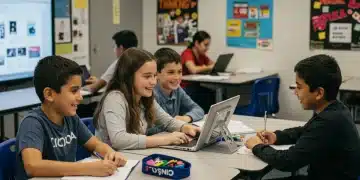
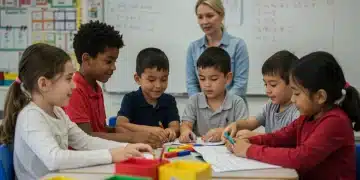
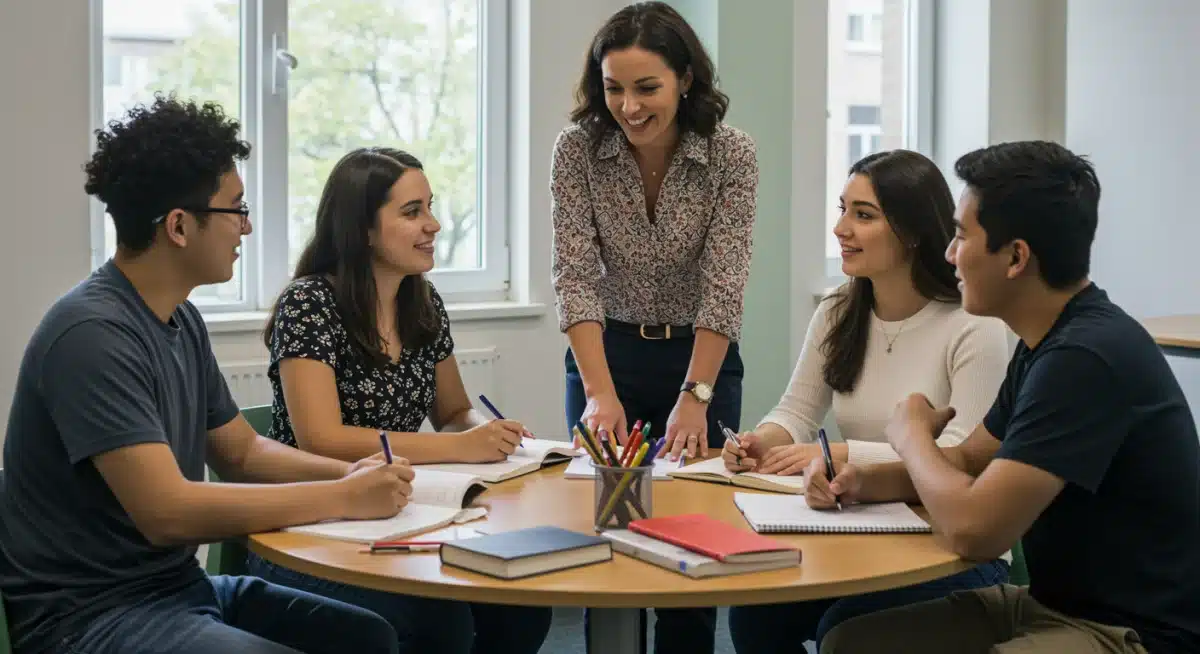
Collaborative learning and well-structured group work are timeless yet continually evolving Student Engagement Methods. Learning is often a social process, and when students work together, they can construct knowledge more effectively, develop stronger communication skills, and build a sense of community.
Effective collaborative learning goes beyond simply putting students in groups. It involves carefully designed tasks that require interdependence, individual accountability, and opportunities for shared leadership. Students learn to listen to different perspectives, articulate their own ideas, negotiate, and resolve conflicts. This process not only deepens their understanding of the subject matter but also develops crucial social and emotional skills.
Examples include jigsaw activities where each group member becomes an expert on a different part of a topic and then teaches their peers, or problem-solving tasks where groups must collectively devise a solution. The teacher’s role is to facilitate group dynamics, monitor progress, and provide targeted interventions when necessary. The social interaction and shared responsibility inherent in collaborative learning make it a highly engaging and effective pedagogical approach, increasingly central to Student Engagement Methods in U.S. schools.
The Road Ahead: Sustaining Innovation in Education
The journey to consistently enhance Student Engagement Methods in U.S. schools is ongoing. The innovative approaches discussed—Project-Based Learning, Personalized Learning, Gamification, Technology Integration, Inquiry-Based Learning, Social-Emotional Learning, Competency-Based Education, Flipped Classrooms, and Collaborative Learning—represent a significant shift from traditional pedagogies. These methods are not mutually exclusive; in fact, their power is often amplified when used in combination, creating a rich, multi-faceted learning experience.
By March 2026, the widespread adoption of these methods will require continued investment in teacher professional development, robust technological infrastructure, and ongoing research into their effectiveness. It also demands a cultural shift within schools, moving towards environments that value experimentation, student voice, and continuous improvement. The goal is clear: to foster a generation of learners who are not just knowledgeable, but also curious, resilient, and prepared to navigate the complexities of the future. The focus on dynamic and effective Student Engagement Methods is the key to unlocking this potential.