2026 Fed Rate Hikes: 3-Month Household Financial Impact Analysis
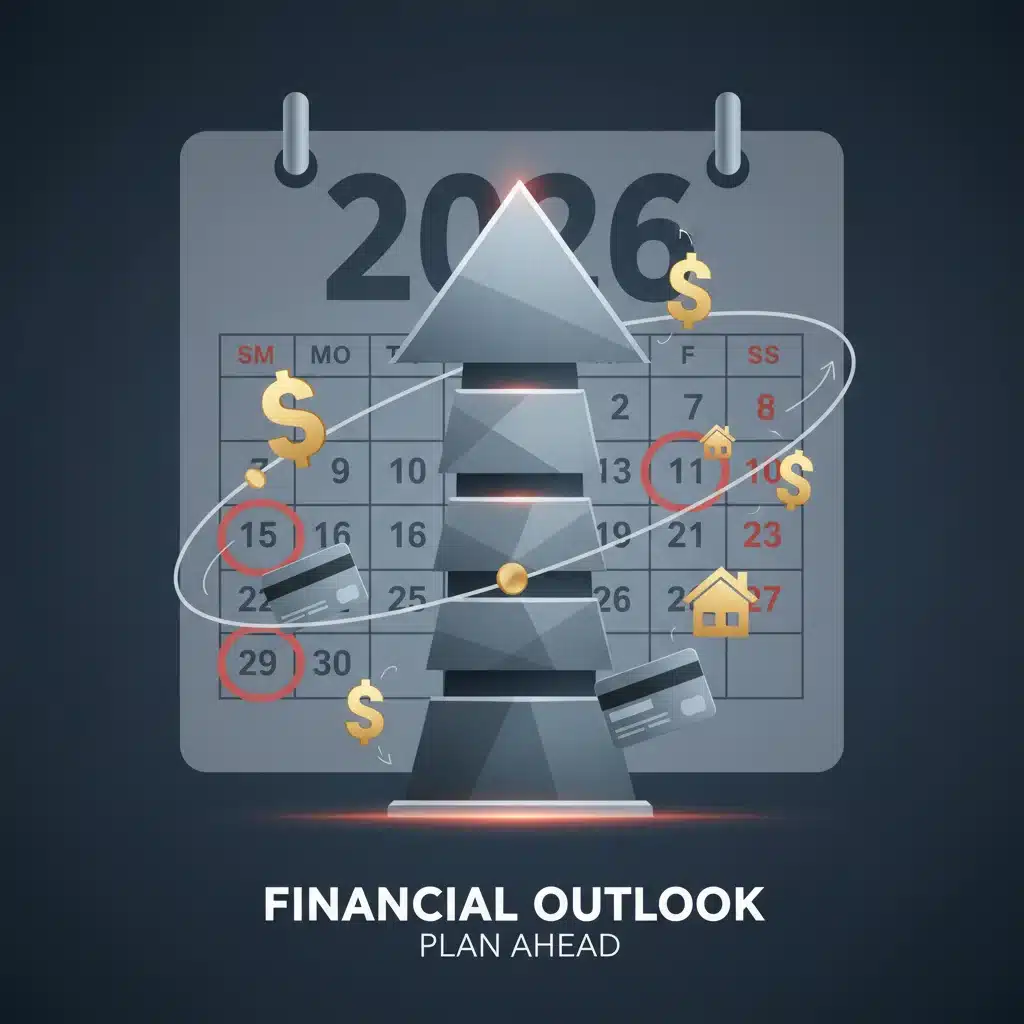
Navigating the 2026 Federal Reserve Interest Rate Hikes: A 3-Month Financial Impact Analysis for US Households
The economic landscape is perpetually shifting, and for US households, understanding and anticipating these changes is paramount to maintaining financial stability. As we cast our gaze towards 2026, one of the most significant economic events on the horizon is the potential for further Federal Reserve interest rate hikes. These adjustments by the central bank are not abstract fiscal policies; they ripple through every facet of personal finance, from the cost of borrowing to the returns on savings. This comprehensive analysis aims to dissect the potential 3-month financial impact of these anticipated 2026 Fed Rate Hikes on the average American household, providing actionable insights and strategies for preparation.
The Federal Reserve, often referred to as ‘the Fed,’ plays a crucial role in managing the nation’s monetary policy. Its primary tools include adjusting the federal funds rate, which influences other interest rates throughout the economy. When the Fed raises rates, it typically signals an effort to curb inflation and cool down an overheating economy. However, these actions have direct consequences for consumers and their wallets. For many, the phrase ‘interest rate hike’ might evoke a sense of dread, but with proper understanding and proactive planning, households can mitigate adverse effects and even identify opportunities.
Our analysis will delve into various key areas of household finance, examining how mortgages, credit cards, auto loans, and savings accounts might be affected. We will explore the immediate and short-term implications, offering a 3-month outlook that allows for timely adjustments to personal budgets and financial strategies. The goal is not to predict the exact magnitude or timing of the 2026 Fed Rate Hikes, but rather to equip households with the knowledge to respond effectively to a range of potential scenarios. By focusing on a 3-month window, we can provide a more granular perspective, enabling families to make informed decisions that safeguard their financial well-being.
Understanding the rationale behind the Fed’s decisions is the first step. Typically, the Fed monitors a basket of economic indicators, including inflation rates, employment figures, and GDP growth. If inflation remains stubbornly high or the economy shows signs of excessive growth, the Fed might opt for rate increases. Conversely, a slowdown in economic activity or a significant reduction in inflation could lead to a more dovish stance. The market’s anticipation of these moves often influences rates even before the Fed makes an official announcement, making it crucial for households to stay informed and agile.
Understanding the Mechanics of 2026 Fed Rate Hikes
Before we dive into the specific impacts, it’s essential to grasp how 2026 Fed Rate Hikes translate from a policy decision into tangible financial changes for households. The federal funds rate is the target rate for overnight lending between banks. When the Fed raises this target, it makes it more expensive for banks to borrow money from each other. This increased cost is then passed on to consumers in various forms.
The Federal Funds Rate and Its Ripple Effect
The federal funds rate directly influences the prime rate, which is the interest rate commercial banks charge their most creditworthy customers. Most variable-rate consumer loans, such as credit cards, home equity lines of credit (HELOCs), and some adjustable-rate mortgages (ARMs), are tied to the prime rate. Therefore, when the Fed raises the federal funds rate, the prime rate typically rises in tandem, leading to higher interest payments for consumers with these types of loans.
For fixed-rate loans, such as traditional 30-year fixed mortgages, the relationship is less direct but still significant. These rates are more influenced by the bond market, particularly the yield on the 10-year Treasury note. However, expectations of future Fed actions, including anticipated 2026 Fed Rate Hikes, can push bond yields higher, consequently increasing fixed mortgage rates. This is why even those planning to secure a fixed-rate loan need to be aware of the Fed’s trajectory.
Inflationary Pressures and the Fed’s Mandate
The Fed operates under a dual mandate: to achieve maximum employment and maintain stable prices (i.e., control inflation). If inflation runs persistently above the Fed’s target (typically 2%), the central bank is likely to implement rate hikes to cool down demand and bring prices back into line. Understanding this mandate helps households anticipate future moves. If economic data leading up to 2026 suggests continued inflationary pressures, the probability of 2026 Fed Rate Hikes increases significantly.
The timing and magnitude of these hikes are often communicated through FOMC (Federal Open Market Committee) statements, economic projections, and press conferences. Financial news outlets closely monitor these announcements, and their interpretations can quickly influence market rates. Therefore, staying informed through reliable financial news sources will be crucial for households in the run-up to 2026.
Mortgages: The Largest Household Expense Under Scrutiny
For most American households, a mortgage represents their largest financial commitment. The impact of 2026 Fed Rate Hikes on mortgage payments can be substantial, depending on the type of mortgage held.
Adjustable-Rate Mortgages (ARMs)
Homeowners with adjustable-rate mortgages (ARMs) are most directly exposed to interest rate fluctuations. These mortgages typically have an initial fixed-rate period (e.g., 5/1 ARM, 7/1 ARM), after which the interest rate adjusts periodically based on a predetermined index, often tied to the prime rate or a Treasury index. If the 2026 Fed Rate Hikes occur during an adjustment period for an ARM, homeowners could see their monthly payments increase significantly.
For example, a homeowner with a $300,000 ARM at 4% interest might see their rate jump to 5% after an adjustment due to Fed hikes. This seemingly small percentage increase can translate to hundreds of dollars in additional monthly payments. Over a 3-month period, these increased costs can quickly strain a household budget. It’s imperative for ARM holders to review their loan documents, understand their adjustment schedule, and calculate potential payment increases.
Fixed-Rate Mortgages
Homeowners with fixed-rate mortgages are insulated from direct payment increases due to 2026 Fed Rate Hikes. Their interest rate and monthly payments remain constant for the life of the loan. However, rising rates still affect them indirectly. If they plan to refinance their mortgage, they will face higher rates, potentially making refinancing less attractive or even cost-prohibitive. Similarly, if they are looking to sell and buy a new home, the higher rates will impact their purchasing power and the affordability of a new mortgage.
Potential Homebuyers
For prospective homebuyers, 2026 Fed Rate Hikes could significantly impact affordability. Higher mortgage rates mean higher monthly payments for the same loan amount, effectively reducing how much home a buyer can afford. This is a critical consideration for anyone planning to enter the housing market in 2026. A 1% increase in mortgage rates can reduce a buyer’s purchasing power by roughly 10%. This could lead to a cooling of the housing market as demand wanes, potentially impacting home values in some areas.
Strategies for Mortgage Holders: A 3-Month Plan
- ARM Holders: Review your loan documents immediately. Understand your next adjustment date and the index your rate is tied to. Consider refinancing into a fixed-rate mortgage before the hikes, if current rates are still favorable. Even a slight increase in your monthly payment can accumulate over a 3-month period, so proactive planning is key.
- Fixed-Rate Holders: While your payments are stable, assess your long-term plans. If you anticipate moving or refinancing within the next few years, factor in potentially higher rates.
- Prospective Buyers: Get pre-approved for a mortgage now to lock in a rate for a certain period, if possible. Research different loan products and understand how various rate scenarios could impact your budget. Consider saving for a larger down payment to reduce the loan amount and thus the impact of higher rates.
Credit Cards and Other Variable-Rate Debts: Immediate Impact
Credit cards, personal loans with variable rates, and home equity lines of credit (HELOCs) are typically directly tied to the prime rate. This means that 2026 Fed Rate Hikes will likely have a swift and noticeable impact on the cost of carrying these types of debt.
Credit Card Interest Rates
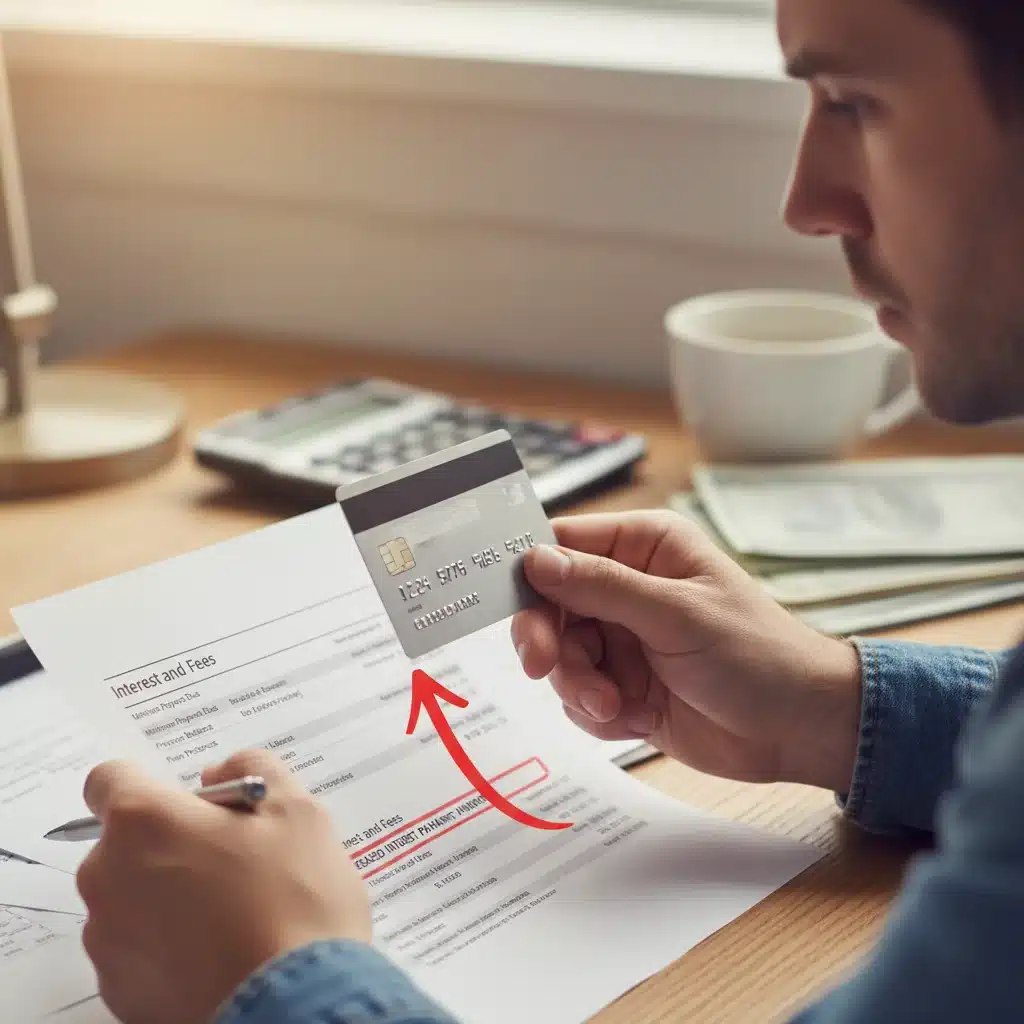
Most credit cards have variable Annual Percentage Rates (APRs) that are directly linked to the prime rate. When the Fed raises its target rate, credit card APRs usually follow within one or two billing cycles. This means that any outstanding balance on a credit card will accrue interest at a higher rate, leading to increased minimum payments and a longer time to pay off the debt, assuming consistent payment amounts.
For example, if you carry an average credit card balance of $5,000 at an 18% APR, and the Fed hikes push your APR to 19%, your monthly interest charges will increase. Over a 3-month period, these seemingly small incremental increases can add up, making it harder to reduce your principal balance. This is particularly concerning for households already managing high-interest credit card debt.
HELOCs and Variable Personal Loans
Similar to credit cards, HELOCs and many personal loans feature variable interest rates. These rates will also adjust upwards in response to 2026 Fed Rate Hikes. For homeowners using a HELOC for renovations or other large expenses, the cost of borrowing will increase, potentially pushing their monthly payments higher. It’s crucial for borrowers to understand the terms of their variable-rate loans and anticipate these adjustments.
Auto Loans and Student Loans
The impact on auto loans and student loans can vary. Most auto loans are fixed-rate, so existing loans won’t be affected. However, new auto loans will likely come with higher interest rates, making car purchases more expensive. For student loans, federal student loan rates are set by Congress and are fixed for the life of the loan. Private student loans, however, can be variable-rate, meaning they would be subject to increases from 2026 Fed Rate Hikes.
Strategies for Managing Variable-Rate Debt: A 3-Month Plan
- Prioritize High-Interest Debt: Focus on paying down credit card balances and other high-interest variable-rate debts as aggressively as possible in the months leading up to and immediately following the 2026 Fed Rate Hikes. The ‘debt snowball’ or ‘debt avalanche’ method can be effective here.
- Consider Debt Consolidation: Explore options like a fixed-rate personal loan or a balance transfer credit card (with a 0% introductory APR) to consolidate high-interest variable debt. This can lock in a lower rate before further hikes occur, providing a buffer for the 3-month period and beyond.
- Review HELOC Usage: If you have a HELOC, evaluate your outstanding balance and future borrowing needs. Consider paying down the principal or converting to a fixed-rate home equity loan if you anticipate significant rate increases.
- Budget Adjustments: Factor in potential increases in minimum payments for variable-rate debts into your monthly budget. Cutting discretionary spending can free up funds to tackle these higher costs.
Savings and Investments: Finding Opportunities Amidst Hikes
While 2026 Fed Rate Hikes generally increase the cost of borrowing, they can also present opportunities for savers and investors. Higher interest rates typically mean better returns on savings accounts, certificates of deposit (CDs), and certain types of investments.
Higher Returns on Savings Accounts and CDs
As the Fed raises rates, banks often respond by increasing the interest rates they offer on savings accounts, money market accounts, and CDs. This is generally good news for savers, as their money can earn more interest. However, the increase in savings rates often lags behind the increase in lending rates, and the spread can vary significantly between different financial institutions.
For households with substantial emergency funds or savings goals, 2026 Fed Rate Hikes could mean a bump in passive income. Over a 3-month period, even a modest increase in APY (Annual Percentage Yield) can result in noticeable additional earnings, especially on larger sums. Shopping around for banks and credit unions offering competitive rates will be crucial.
Bond Market Dynamics
Rising interest rates typically have an inverse relationship with existing bond prices. When new bonds are issued at higher interest rates, older bonds with lower rates become less attractive, causing their market value to fall. However, for investors looking to buy new bonds or bond funds, higher rates mean better yields. This could make fixed-income investments more appealing as a component of a diversified portfolio.
Stock Market Volatility
The stock market’s reaction to 2026 Fed Rate Hikes can be mixed. Initially, higher rates can sometimes lead to market volatility as investors fret about the impact on corporate profits and economic growth. Companies that rely heavily on borrowing, or those with significant debt, may see their earnings pressured by higher interest expenses. However, a Fed that is actively fighting inflation can also be seen as a positive, signaling a commitment to long-term economic stability.
Growth stocks, which are often valued based on their future earnings potential, can be particularly sensitive to rising rates because higher interest rates reduce the present value of those future earnings. Value stocks, on the other hand, might be more resilient. Over a 3-month period, investors should expect potential fluctuations and adjust their portfolios accordingly.
Strategies for Savers and Investors: A 3-Month Plan
- Shop for High-Yield Accounts: In the months leading up to and during the 2026 Fed Rate Hikes, actively compare interest rates offered by online banks and credit unions for savings accounts and money market accounts. Even a small difference in APY can yield significant returns over time.
- Consider CDs: If you have funds you won’t need for a specific period, consider laddering CDs. This involves investing in CDs with different maturity dates (e.g., 3-month, 6-month, 1-year) to take advantage of potentially rising rates while maintaining some liquidity.
- Review Investment Portfolio: Consult with a financial advisor to assess how your current investment portfolio might be affected by rising rates. Consider rebalancing to potentially less rate-sensitive assets or those that benefit from a higher-rate environment.
- Maintain Emergency Fund: Ensure your emergency fund is adequately stocked, ideally in a high-yield savings account. This provides a crucial buffer against unexpected financial strains that could arise from higher borrowing costs.

Broader Economic Impact on Households
Beyond direct impacts on loans and savings, 2026 Fed Rate Hikes can have broader economic consequences that affect household finances in more subtle ways.
Impact on Employment and Wages
One of the Fed’s primary goals in raising rates is to slow down economic activity to combat inflation. This slowdown can, in some scenarios, lead to a softening of the labor market. While the Fed aims for a ‘soft landing’ where inflation is controlled without triggering a recession, there is always a risk that rate hikes could lead to job losses or slower wage growth. Households should monitor employment trends and ensure their skills remain in demand.
Consumer Spending and Confidence
Higher borrowing costs can dampen consumer spending, as discretionary income is diverted to cover increased debt payments. Reduced consumer spending, in turn, can affect businesses and overall economic growth. This can create a cycle where reduced demand leads to lower corporate profits, potentially impacting stock market performance and investor confidence. A 3-month period after a hike might show initial shifts in consumer behavior.
Inflationary Pressures vs. Deflationary Risks
The very purpose of 2026 Fed Rate Hikes is to combat inflation. If successful, this could lead to more stable prices for goods and services, which would benefit households by increasing their purchasing power over the long term. However, there’s a delicate balance. Overly aggressive rate hikes could, in extreme cases, lead to deflationary pressures, which can also be detrimental to economic health.
Real Estate Market Dynamics
As discussed, higher mortgage rates reduce affordability, which can cool down the housing market. In some regions, this might lead to a slowdown in home price appreciation or even modest price declines. For homeowners, this means their home equity might grow at a slower pace. For potential buyers, it could mean less competition but at a higher borrowing cost. The 3-month window after a rate hike could reveal early trends in housing market activity.
Comprehensive 3-Month Financial Action Plan for Households
Given the anticipated 2026 Fed Rate Hikes, a proactive and detailed financial plan is essential for every US household. Here’s a 3-month action plan to help you navigate the changes:
Month 1: Assessment and Budget Review
- Detailed Financial Audit: Begin by cataloging all your debts (mortgages, credit cards, auto loans, student loans) and assets (savings accounts, investment portfolios). Note their interest rates, balances, and whether they are fixed or variable.
- Budget Deep Dive: Scrutinize your current monthly budget. Identify all income and expenses. Look for areas where you can cut discretionary spending to free up cash flow. This extra cash can be used to pay down high-interest debt or bolster savings.
- Understand Your Debts: For variable-rate debts, identify the index they are tied to and research how a 1% or 2% increase in that index would impact your monthly payments. Use online calculators to project potential increases.
- Review Emergency Fund: Ensure your emergency fund covers at least 3-6 months of essential living expenses. If it’s short, make a plan to build it up.
- Stay Informed: Begin regularly monitoring financial news for updates on inflation, employment, and Fed statements regarding future rate policy.
Month 2: Proactive Adjustments and Debt Management
- Attack High-Interest Variable Debt: Prioritize making extra payments on credit card balances and HELOCs. Even small additional payments can reduce the principal faster and mitigate the impact of rising rates. Consider a balance transfer to a 0% APR card if you have good credit and can pay off the balance before the promotional period ends.
- Mortgage Review: If you have an ARM, contact your lender to discuss your options. Explore refinancing into a fixed-rate mortgage if current rates are still favorable and it makes financial sense for your situation. Get quotes from multiple lenders.
- Optimize Savings: Research high-yield savings accounts and money market accounts. Consider opening an account with a better APY to maximize your returns on cash reserves.
- Investment Portfolio Check-up: Schedule a meeting with your financial advisor. Discuss the implications of rising rates on your investment strategy and consider any necessary adjustments to your asset allocation.
- Identify & Cut Unnecessary Expenses: Revisit your budget and make concrete decisions about subscriptions, memberships, or other expenses that can be temporarily paused or permanently cut to free up more capital.
Month 3: Refinement and Long-Term Planning
- Finalize Refinancing/Debt Consolidation: If you decided to refinance or consolidate debt, aim to complete these processes before the anticipated 2026 Fed Rate Hikes take full effect.
- Re-evaluate Budget with New Payments: Adjust your budget to reflect any new mortgage payments, higher credit card interest, or increased savings income. Ensure your cash flow remains positive.
- Build a Buffer: Try to accumulate an extra month’s worth of expenses in your savings account as an additional buffer against unexpected costs or further rate increases.
- Explore Income Opportunities: Consider ways to increase your income, such as taking on a side hustle, negotiating a raise, or exploring new career opportunities. This can help offset increased living costs.
- Educate Yourself Continuously: Continue to read financial news and educational resources. The economic environment is dynamic, and ongoing learning is key to sustained financial health.
Conclusion: Preparing for the 2026 Fed Rate Hikes
The prospective 2026 Fed Rate Hikes represent a significant financial event that US households should not overlook. While the exact timing and magnitude remain subjects of speculation, the potential impact on mortgages, credit, savings, and the broader economy is clear. By adopting a proactive, informed, and strategic approach, households can effectively navigate this period of monetary tightening.
The 3-month financial impact analysis provided here underscores the importance of immediate action. From meticulously reviewing your budget and understanding your debt obligations to optimizing your savings and investment strategies, every step taken in advance can contribute to greater financial resilience. Remember, knowledge is power in personal finance. Staying informed about the Federal Reserve’s intentions, monitoring economic indicators, and making timely adjustments to your financial plan will be critical.
Ultimately, the goal is not just to survive the 2026 Fed Rate Hikes but to emerge from them in a stronger financial position. By taking control of your financial destiny now, you can transform potential challenges into opportunities for growth and stability. Start your 3-month preparation today, and secure your household’s financial future against the currents of economic change.