Navigating the New Federal Reserve Interest Rate Hikes: A Practical Guide for Mortgage Holders in 2026
As we approach 2026, the specter of Federal Reserve interest rate hikes looms large for millions of Mortgage Holders 2026. The economic landscape is ever-evolving, and understanding the potential impact of these shifts on your mortgage is not just prudent, but essential for maintaining financial stability. This comprehensive guide is designed to equip you with the knowledge and strategies needed to navigate these anticipated changes effectively. We will delve into the Federal Reserve’s role, the mechanics of interest rate adjustments, and most importantly, practical steps you can take to protect your investment and optimize your financial future as a Mortgage Holder 2026.
Understanding the Federal Reserve’s Role and Interest Rate Dynamics
The Federal Reserve, often referred to as the ‘Fed,’ serves as the central banking system of the United States. Its primary mandate includes maximizing employment, stabilizing prices, and moderating long-term interest rates. To achieve these goals, the Fed employs various monetary policy tools, with adjusting the federal funds rate being one of the most powerful. This target rate influences other interest rates throughout the economy, including those for mortgages, car loans, and credit cards.
How Fed Rate Hikes Impact Mortgages for Mortgage Holders 2026
When the Federal Reserve raises its benchmark interest rate, it typically signals a tightening of monetary policy. This action is often taken to combat inflation or cool down an overheating economy. For Mortgage Holders 2026, the direct impact can vary significantly depending on the type of mortgage you hold:
- Adjustable-Rate Mortgages (ARMs): If you have an ARM, your interest rate is tied to an index, which often moves in tandem with the federal funds rate. A Fed rate hike will almost certainly lead to an increase in your monthly mortgage payments once your adjustment period arrives. Understanding your ARM’s specific terms, including caps and adjustment frequency, is crucial.
- Fixed-Rate Mortgages: For those with fixed-rate mortgages, the immediate impact of a Fed rate hike is minimal. Your interest rate and monthly payments are locked in for the life of the loan. However, future refinancing opportunities might become less attractive if rates continue to climb.
- New Mortgages: For prospective Mortgage Holders 2026 or those looking to purchase a new home, higher Fed rates translate directly into higher borrowing costs. This can reduce purchasing power and make homeownership less accessible.
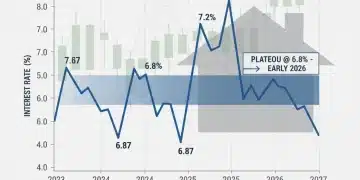
The anticipation of these hikes in 2026 is based on current economic projections, inflation trends, and the Fed’s stated intentions. While predictions are not guarantees, being prepared for such a scenario is the hallmark of responsible financial planning for any Mortgage Holder 2026.
Assessing Your Current Mortgage Situation: A Critical First Step for Mortgage Holders 2026
Before you can develop an effective strategy, you need to thoroughly understand your current mortgage. This involves more than just knowing your monthly payment. It requires a deep dive into the specifics of your loan, which will dictate your vulnerability and potential actions in response to rising rates.
Key Information to Gather:
- Mortgage Type: Is it a fixed-rate, adjustable-rate (ARM), FHA, VA, or conventional loan?
- Current Interest Rate: What is your exact interest rate?
- Remaining Loan Term: How many years are left on your mortgage?
- Loan Balance: What is the outstanding principal balance?
- Adjustment Period (for ARMs): When is your next interest rate adjustment scheduled? What index is your ARM tied to, and what are the margin and caps?
- Prepayment Penalties: Does your mortgage have any prepayment penalties that could impact refinancing or accelerated payments?
- Home Equity: How much equity do you currently have in your home? This is crucial for refinancing or home equity loan considerations.
Gathering this information will provide a clear picture of your financial standing and help you identify potential risks and opportunities. Many Mortgage Holders 2026 may find that a simple review of their annual mortgage statement or a quick call to their lender can provide most of these details.
Strategic Options for Fixed-Rate Mortgage Holders in 2026
While fixed-rate mortgage holders are buffered from immediate rate increases, strategic planning remains vital. The goal isn’t just to react to rate hikes, but to optimize your long-term financial health.
1. Accelerate Principal Payments
One of the most effective strategies for fixed-rate Mortgage Holders 2026 is to pay down your principal faster. Even small additional payments can significantly reduce the total interest paid over the life of the loan and shorten your mortgage term. This strategy becomes even more appealing in a rising rate environment, as it effectively locks in your lower rate for a shorter period, reducing your overall exposure to interest costs.
- Bi-weekly Payments: By making half of your monthly payment every two weeks, you end up making one extra full payment per year, significantly shortening your loan term.
- Round Up Payments: If your payment is $1,234, consider paying $1,300. The extra $66 goes directly to principal.
- Windfalls: Use bonuses, tax refunds, or other unexpected income to make lump-sum principal payments.
2. Build a Robust Emergency Fund
Economic uncertainty often accompanies periods of rising interest rates. A strong emergency fund (typically 3-6 months of living expenses) acts as a critical safety net. This ensures that unforeseen expenses or income disruptions don’t force you into making difficult financial decisions or, worse, defaulting on your mortgage. For any prudent Mortgage Holder 2026, this financial buffer is non-negotiable.
3. Consider Refinancing (If Rates Dip)
While the general expectation is for rates to rise, market fluctuations can occur. If, by chance, interest rates experience a temporary dip before or during 2026, fixed-rate Mortgage Holders 2026 might consider refinancing to an even lower rate or a shorter term. This requires diligent monitoring of market conditions and quick action if an opportunity arises.
Proactive Measures for Adjustable-Rate Mortgage (ARM) Holders in 2026
For ARM holders, the stakes are higher as your payments are directly exposed to rate fluctuations. Proactive planning is paramount to mitigate the impact of potential Fed hikes.
1. Refinance to a Fixed-Rate Mortgage
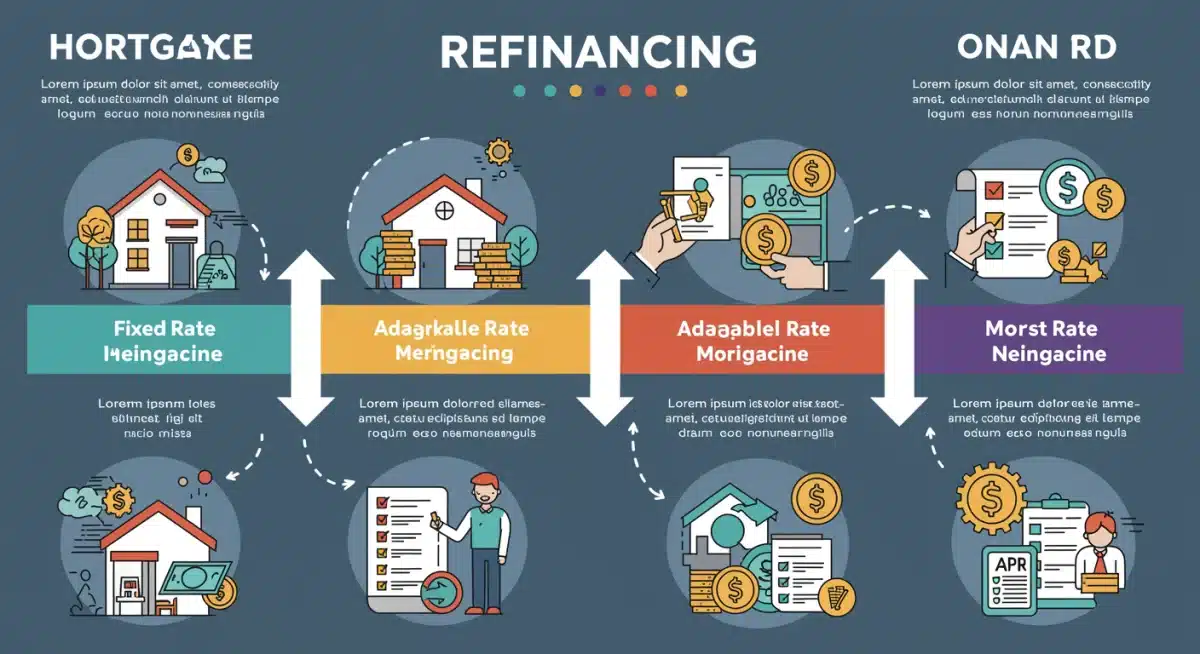
This is often the most recommended strategy for ARM holders facing rising rates. By refinancing to a fixed-rate mortgage, you can lock in your interest rate for the remainder of your loan term, providing predictability and shielding you from future rate increases. This decision should be made well in advance of your next adjustment period, especially if current fixed rates are still relatively favorable. Consider the closing costs associated with refinancing against the potential savings from a stable payment.
2. Understand Your ARM’s Terms
Revisit your mortgage documents to understand the specific terms of your ARM. Key elements include:
- Index: What financial index is your rate tied to (e.g., SOFR, CMT)?
- Margin: This fixed percentage is added to the index to determine your interest rate.
- Caps: Understand your initial adjustment cap, periodic adjustment cap, and lifetime cap. These limit how much your interest rate can increase.
- Adjustment Frequency: How often does your rate reset (e.g., annually, every six months)?
Knowing these details will allow you to calculate potential worst-case scenarios for your monthly payments and plan accordingly. This foresight is invaluable for any Mortgage Holder 2026 with an ARM.
3. Increase Payments Voluntarily (Before Adjustment)
If you anticipate an increase, consider voluntarily increasing your payments now, even before your rate adjusts. This builds equity faster and reduces your principal balance, meaning that when the rate does go up, it will apply to a smaller remaining loan amount. This strategy also helps you ‘practice’ for a higher payment, allowing you to adjust your budget proactively.
General Financial Strategies for All Mortgage Holders in 2026
Beyond mortgage-specific actions, there are broader financial strategies that all Mortgage Holders 2026 can employ to enhance their financial resilience in a rising rate environment.
1. Review and Optimize Your Budget
A thorough review of your household budget is always a good practice, but it becomes critical when anticipating increased expenses. Identify areas where you can cut back or save more. Every dollar saved can be put towards your mortgage, emergency fund, or other high-interest debts. Look for discretionary spending that can be reduced or eliminated.
2. Pay Down High-Interest Debt
Credit card debt and personal loans often carry significantly higher interest rates than mortgages. In a rising rate environment, these debts can become even more burdensome. Prioritize paying down these high-interest obligations. This frees up cash flow, which can then be redirected towards your mortgage or savings. The ‘snowball’ or ‘avalanche’ methods can be effective debt repayment strategies.
3. Explore Income Generation Opportunities
If potential payment increases are a concern, consider ways to boost your income. This could involve taking on a side hustle, negotiating a raise, or exploring opportunities for career advancement. Even a modest increase in income can provide valuable breathing room in your budget.
4. Consult a Financial Advisor
A qualified financial advisor can provide personalized guidance based on your unique financial situation and goals. They can help you analyze your mortgage, assess refinancing options, and develop a comprehensive financial plan to navigate the economic landscape of 2026. This professional insight can be particularly beneficial for complex financial situations or for those who feel overwhelmed by the options.

The Broader Economic Context for Mortgage Holders 2026
Understanding why the Federal Reserve might raise rates provides valuable context for Mortgage Holders 2026. Typically, rate hikes are a response to inflationary pressures. When the cost of goods and services rises too quickly, the Fed steps in to cool down the economy by making borrowing more expensive, thereby reducing demand.
Inflation and Its Impact
High inflation erodes purchasing power and can make it harder for households to afford their expenses, including mortgage payments. While rate hikes might lead to higher mortgage costs for some, they are ultimately aimed at stabilizing the economy in the long run. Keeping an eye on inflation reports and economic indicators can help you anticipate the Fed’s next moves.
The Housing Market in 2026
Rising interest rates can also impact the broader housing market. Higher mortgage rates tend to cool down demand, potentially leading to slower home price appreciation or even modest declines in some areas. For existing Mortgage Holders 2026, this could affect your home equity, while for prospective buyers, it might mean a less competitive market but higher borrowing costs. It’s a delicate balance that the Fed constantly monitors.
Common Misconceptions and What Not to Do
In times of economic uncertainty, it’s easy to fall prey to misinformation or make hasty decisions. Here are some common pitfalls to avoid for Mortgage Holders 2026:
- Panic Selling: Unless your financial situation is truly dire, avoid making rash decisions like selling your home out of fear. A well-thought-out strategy is always better than a panicked reaction.
- Ignoring Your Mortgage Statement: Don’t just pay the bill without reviewing it. Understand every line item, especially if you have an ARM.
- Delaying Action: If you have an ARM and anticipate higher payments, don’t wait until the last minute to explore refinancing or other options. Procrastination can lead to missed opportunities or higher costs.
- Assuming Rates Will Always Go Down: While rates fluctuate, assuming a permanent downward trend can be risky. Prepare for various scenarios.
- Taking on More Debt: In an effort to cover increased mortgage payments, avoid taking on more high-interest debt, as this can exacerbate financial strain.
Resources and Tools for Mortgage Holders 2026
Several resources can assist Mortgage Holders 2026 in navigating potential rate hikes:
- Mortgage Calculators: Online calculators can help you estimate new payments if your ARM adjusts or compare potential refinancing scenarios.
- Your Lender: Don’t hesitate to contact your current mortgage lender. They can provide specific details about your loan and discuss available options.
- HUD-Approved Housing Counselors: The U.S. Department of Housing and Urban Development (HUD) offers a list of approved housing counseling agencies that provide free or low-cost advice on mortgage issues.
- Financial News Outlets: Stay informed by following reputable financial news sources for updates on Federal Reserve policy and economic indicators.
Case Studies and Success Stories
Let’s consider a couple of hypothetical scenarios to illustrate the impact and successful navigation strategies for Mortgage Holders 2026:
Case Study 1: The Proactive ARM Holder
Sarah, an ARM holder, saw the writing on the wall regarding potential Fed rate hikes in 2026. Her 5/1 ARM was due to adjust in mid-2025. In late 2024, she consulted a financial advisor who recommended exploring refinancing options. Despite some closing costs, Sarah was able to refinance into a 30-year fixed-rate mortgage at a rate only slightly higher than her initial ARM rate, but significantly lower than what her ARM would have adjusted to. Her monthly payment became predictable, providing immense peace of mind and saving her thousands of dollars over the long term.
Case Study 2: The Strategic Fixed-Rate Holder
Mark and Lisa had a fixed-rate mortgage and were less concerned about direct payment increases. However, they wanted to optimize their finances. They used their annual bonuses to make an extra principal payment each year, and Lisa started a small online side business, dedicating 50% of its earnings to their mortgage principal. By 2026, they had significantly reduced their loan balance and were on track to pay off their mortgage five years early, saving substantial interest costs, even in a rising rate environment.
Conclusion: Empowering Mortgage Holders 2026 for Financial Resilience
The prospect of Federal Reserve interest rate hikes in 2026, while potentially challenging, does not have to be a source of panic for Mortgage Holders 2026. By understanding the underlying economic forces, assessing your personal mortgage situation, and implementing proactive strategies, you can not only mitigate risks but also strengthen your overall financial position. Whether you hold a fixed-rate or adjustable-rate mortgage, the key is to be informed, plan ahead, and take decisive action. Empower yourself with knowledge, utilize available resources, and consider professional advice to ensure your home remains a secure and stable asset in the years to come. Your financial resilience in 2026 and beyond depends on the steps you take today.