Boost Your College Applications: Summer Programs 2026 Guide
The landscape of college admissions is more competitive than ever, and standing out from the crowd requires more than just stellar grades. For students looking ahead to college applications in the coming years, particularly those eyeing the 2026 cycle and beyond, leveraging summer programs effectively can be a game-changer. These aren’t just opportunities to fill your summer break; they are strategic investments in your academic future, personal growth, and, ultimately, your college prospects. This comprehensive guide will delve into why summer programs 2026 are essential, how to choose the right ones, and how to maximize their impact on your college applications.
As you plan your academic journey, remember that colleges are seeking well-rounded individuals who demonstrate initiative, passion, and a genuine commitment to learning beyond the classroom. Summer programs provide the perfect platform to showcase these qualities. Whether you’re interested in rigorous academic challenges, exploring potential career paths, developing leadership skills, or making a positive impact through service, there’s a summer program designed to meet your aspirations. The key is to start planning early, understand your goals, and select programs that align with your long-term objectives.
The Pivotal Role of Summer Programs in College Admissions
In today’s highly selective admissions environment, colleges look beyond GPA and test scores. They seek evidence of intellectual curiosity, leadership potential, unique talents, and a commitment to making a difference. This is where participation in summer programs 2026 becomes incredibly valuable. These programs offer a structured environment to explore interests, develop new skills, and gain experiences that set your application apart.
Demonstrating Intellectual Curiosity and Passion
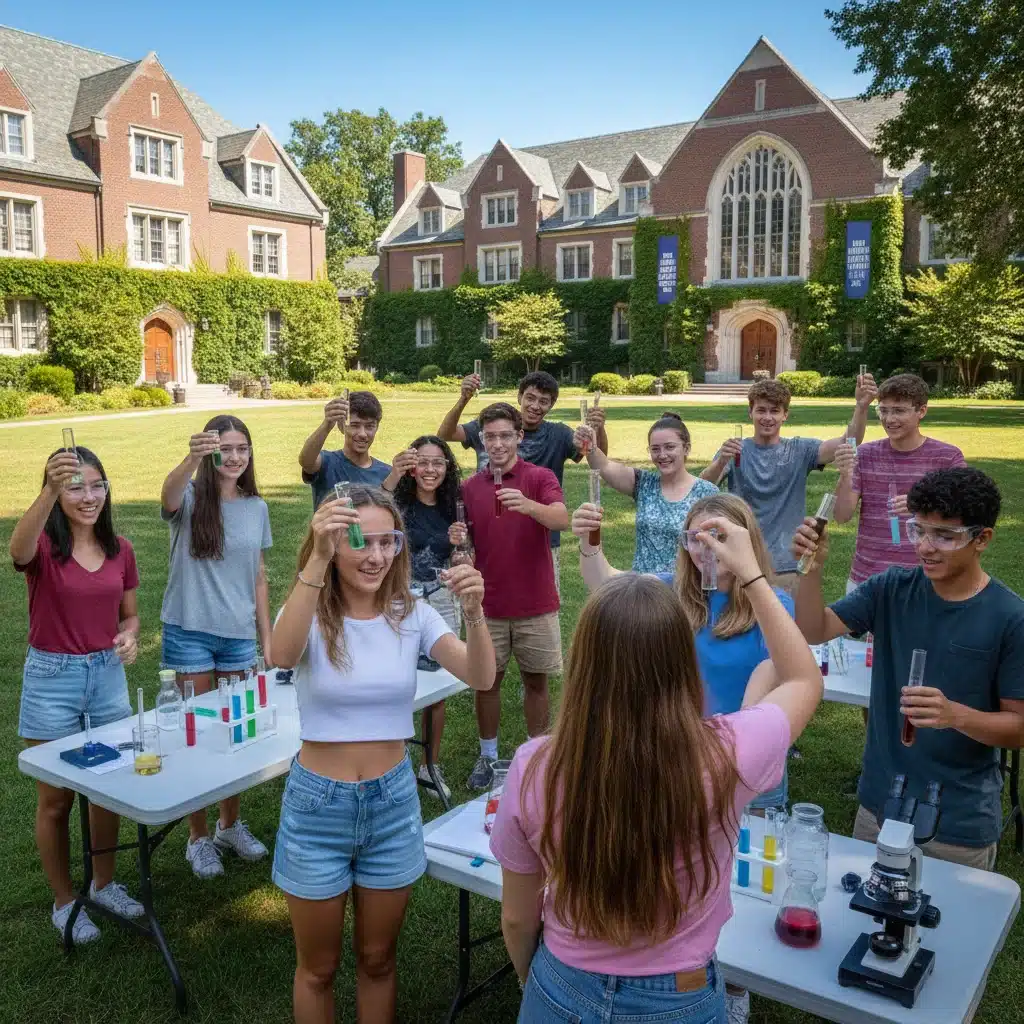
One of the primary benefits of summer programs is the opportunity to delve deeper into subjects that genuinely excite you. Unlike the broad curriculum of high school, many summer programs offer specialized courses in fields like advanced robotics, creative writing, biomedical research, or international relations. By choosing a program that aligns with your academic interests, you demonstrate an authentic passion for learning, an attribute highly valued by admissions committees. For example, participating in a pre-med program shows a genuine interest in healthcare, while attending a coding bootcamp highlights your aptitude for technology.
Skill Development Beyond the Classroom
Summer programs are not just about content; they’re also about skill development. Many programs emphasize critical thinking, problem-solving, collaboration, communication, and leadership – skills that are transferable to any academic or professional setting. For instance, a research program might teach you experimental design and data analysis, while a debate camp could hone your public speaking and argumentation skills. These practical skills are not always taught explicitly in high school and provide a significant advantage in college and beyond.
Gaining Real-World Experience
Some of the most impactful summer experiences involve real-world application. Internships, volunteer opportunities, and community service programs offer a glimpse into specific industries or societal issues. These experiences provide invaluable insights, help you confirm or redirect your career aspirations, and demonstrate your ability to contribute meaningfully. For students targeting summer programs 2026, securing such an experience can be a powerful addition to their college application narrative.
Networking and Mentorship Opportunities
Summer programs often bring together like-minded peers and experienced professionals. This creates a unique environment for networking, building connections, and finding mentors. These connections can lead to future opportunities, letters of recommendation, and a support system that extends far beyond the program’s duration. Learning from experts in your field of interest and collaborating with motivated peers can be incredibly enriching and provide a competitive edge.
Showcasing Initiative and Independence
Choosing to spend your summer engaged in a structured program, especially one away from home, demonstrates initiative, independence, and a willingness to step outside your comfort zone. These are qualities that admissions officers look for in prospective students, as they indicate a readiness for the challenges and responsibilities of college life.
Types of Summer Programs to Consider for 2026
The variety of summer programs available is vast, catering to diverse interests, academic levels, and desired outcomes. When planning for summer programs 2026, it’s crucial to understand the different categories to find the best fit for you.
Academic Enrichment Programs
These programs, often hosted by universities, focus on intensive study in a particular subject area. They can range from introductory courses to advanced research opportunities. Examples include:
- University-Sponsored Programs: Many prestigious universities offer summer programs for high school students, providing a taste of college-level academics. These can be residential or commuter programs.
- Specialized Subject Institutes: Programs focusing on specific fields like mathematics, science, humanities, arts, or computer science.
- Research Programs: Opportunities to work alongside university faculty or researchers on actual projects, often culminating in a presentation or paper.
Leadership and Personal Development Programs
These programs aim to cultivate leadership skills, teamwork, communication, and self-awareness. They often involve experiential learning and challenging activities. Examples include:
- Outdoor Leadership Programs: Wilderness expeditions that teach survival skills, teamwork, and leadership in challenging environments.
- Youth Leadership Conferences: Programs focused on developing public speaking, negotiation, and collaborative problem-solving skills.
- Entrepreneurship Camps: Designed to foster innovation, business acumen, and the ability to develop and pitch new ideas.
Internships and Pre-Professional Experiences
For students with a clear idea of a potential career path, internships offer invaluable hands-on experience in a professional setting. These can be paid or unpaid and are often highly competitive. Examples include:
- Medical Internships: Shadowing doctors, assisting in clinics, or participating in hospital volunteer programs.
- Legal Internships: Working in law firms, government agencies, or non-profit legal organizations.
- Engineering/Tech Internships: Gaining experience in software development, data analysis, or engineering firms.
Community Service and Volunteer Programs
These programs focus on making a positive impact in local or international communities. They demonstrate empathy, social responsibility, and a commitment to service. Examples include:
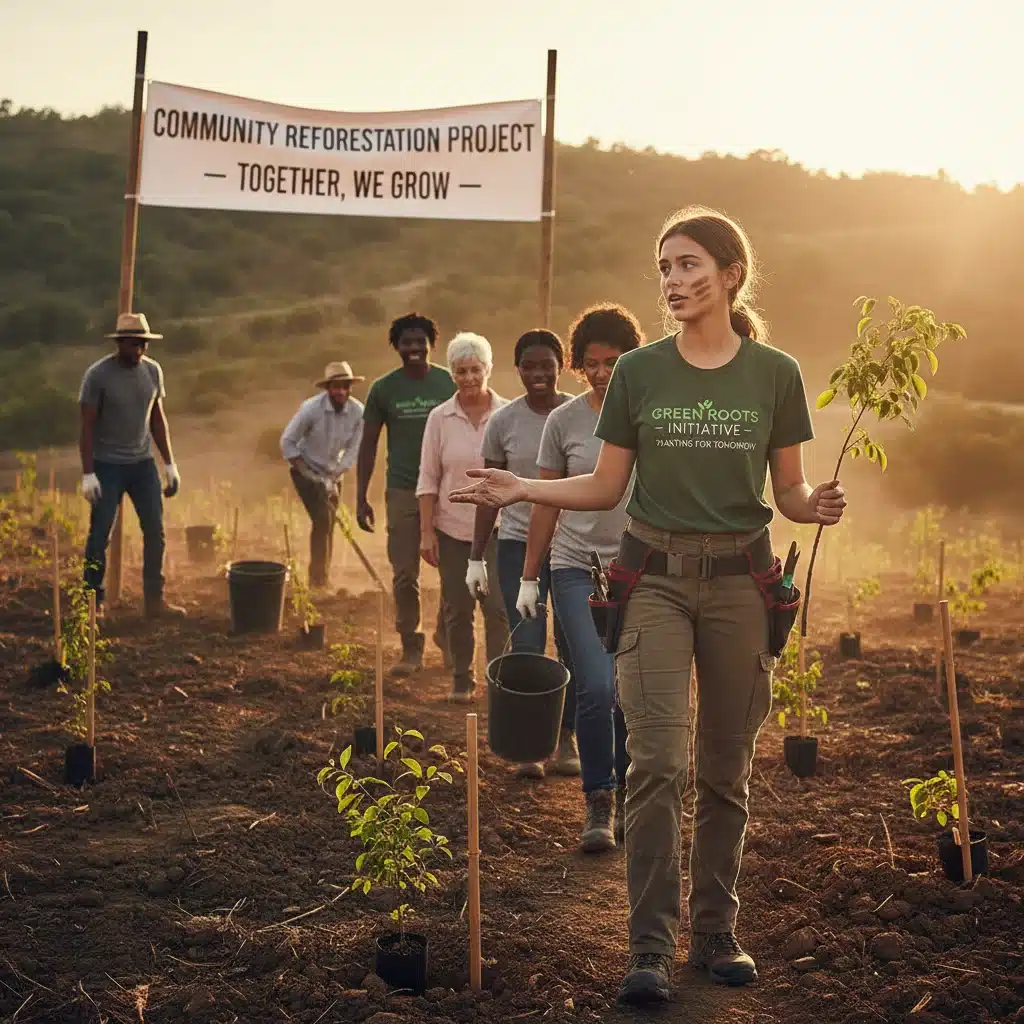
- Local Volunteer Initiatives: Working with food banks, animal shelters, or environmental conservation groups.
- International Service Trips: Participating in projects like building schools, providing healthcare, or assisting in sustainable development in developing countries.
Arts and Creative Programs
For students passionate about the arts, these programs offer intensive training and development in areas like music, visual arts, theater, dance, and creative writing. They allow students to refine their talents and build portfolios. Examples include:
- Summer Conservatories: Intensive training in specific performing arts disciplines.
- Art & Design Workshops: Focusing on portfolio development in areas like graphic design, painting, or sculpture.
- Creative Writing Retreats: Opportunities to hone writing skills in various genres under expert guidance.
Choosing the Right Summer Program for You in 2026
With so many options, selecting the ideal summer program 2026 can feel overwhelming. A thoughtful approach is essential to ensure the experience aligns with your goals and genuinely enhances your college application.
1. Define Your Goals and Interests
Before you even begin searching, take time to reflect on what you hope to gain from a summer experience. Do you want to:
- Explore a potential major or career path?
- Deepen your knowledge in a specific academic subject?
- Develop a particular skill (e.g., coding, public speaking, leadership)?
- Gain real-world experience?
- Make a difference in your community or globally?
- Experience college life before committing?
Your answers will help narrow down the types of programs that are most relevant to you.
2. Research and Evaluate Programs Thoroughly
Once you have a clearer idea of your goals, start researching programs. Look at:
- Program Content and Curriculum: Does the program offer the specific knowledge or skills you want to acquire? Are the instructors experts in their fields?
- Reputation and Accreditation: Is the program well-regarded? If it’s university-affiliated, what is the university’s standing?
- Cost and Financial Aid: Summer programs can be expensive. Investigate tuition fees, housing costs, and whether financial aid, scholarships, or payment plans are available.
- Location and Logistics: Consider whether you prefer a local program, a residential experience, or even an international opportunity. Think about travel, supervision, and daily schedules.
- Application Requirements and Deadlines: Many competitive programs have early deadlines and require essays, recommendations, and transcripts. Plan accordingly.
- Alumni Testimonials and Reviews: What do previous participants say about their experience?
3. Consider Program Intensity and Duration
Summer programs vary significantly in intensity and length. Some are short, intensive workshops lasting a week, while others span several weeks or even the entire summer. Choose a program that fits your preferred learning style and commitment level. A more rigorous, longer program often demonstrates greater dedication.
4. Align with Your College Application Narrative
Think about how the summer program will fit into your overall college application story. Does it complement your academic interests? Does it highlight a unique talent or passion? For instance, if you aspire to study engineering, a summer program focused on robotics or advanced physics would be a strong fit. If you’re passionate about social justice, a community service program would be highly relevant. The goal is to show consistency and depth in your interests.
5. Don’t Overlook Local and Free Opportunities
While prestigious university programs are often sought after, don’t discount valuable experiences closer to home or those that are free. Local community colleges, non-profits, and government agencies often offer internships, volunteer roles, or workshops that can be just as impactful. These can be particularly beneficial for students who may not have the financial resources for expensive residential programs.
Maximizing Your Summer Program Experience for College Applications
Simply attending a summer program isn’t enough; you need to actively engage and strategically leverage the experience to enhance your college applications. Here’s how to make the most of your summer programs 2026:
1. Be Fully Engaged and Enthusiastic
Participate actively in discussions, ask questions, volunteer for projects, and go above and beyond expectations. Your enthusiasm and commitment will be noticed by instructors and mentors, which can be crucial for securing strong letters of recommendation.
2. Build Relationships with Instructors and Peers
Networking isn’t just for adults. Connect with your instructors, teaching assistants, and fellow students. These relationships can provide mentorship, future opportunities, and valuable perspectives. A strong relationship with an instructor could lead to a compelling letter of recommendation that speaks to your specific contributions and growth during the program.
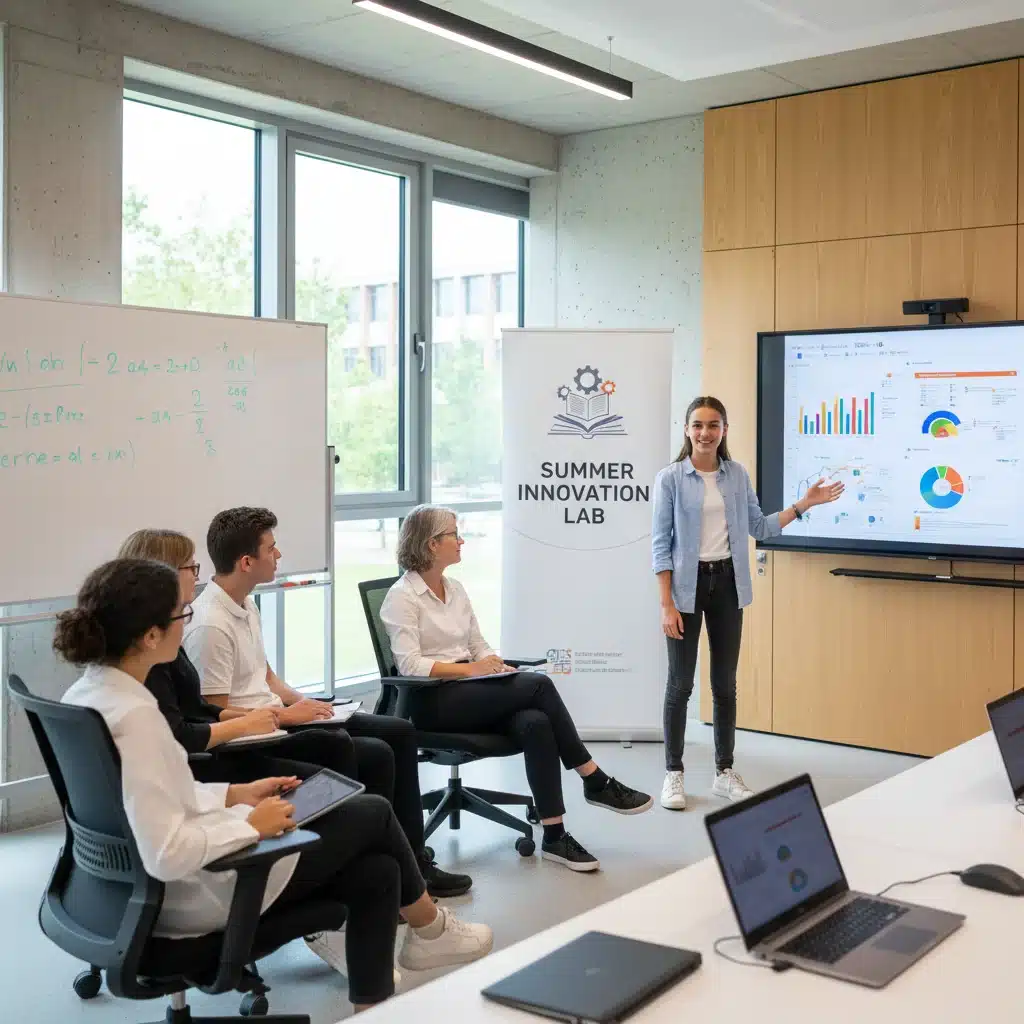
3. Document Your Learning and Achievements
Keep a journal or portfolio of your work, projects, and reflections. This documentation will be invaluable when you write your college essays and fill out activity lists. Detail specific skills you learned, challenges you overcame, and insights you gained. Quantify your achievements whenever possible (e.g., ‘Contributed to a research paper that resulted in X findings’).
4. Seek Out Leadership Opportunities
If available, take on leadership roles within the program, such as leading a study group, organizing a social event, or mentoring younger participants. This demonstrates initiative and leadership potential, qualities highly valued by colleges.
5. Reflect on Your Experience for Essays and Interviews
The lessons learned and personal growth experienced during a summer program can provide excellent material for college application essays and interviews. Admissions officers want to hear about what you learned, how you grew, and how the experience shaped your future aspirations. Be prepared to articulate the specific impact the program had on you.
6. Request Letters of Recommendation Strategically
If you form a strong bond with an instructor or mentor who knows your work well, consider asking them for a letter of recommendation. A letter from an external program instructor can offer a fresh perspective on your abilities and character, complementing recommendations from your high school teachers.
Common Pitfalls to Avoid When Planning for Summer Programs 2026
While summer programs offer immense benefits, it’s also important to be aware of potential missteps that can diminish their impact:
- Choosing a Program Solely for Prestige: Don’t pick a program just because it’s at a famous university. The content and your genuine interest are far more important than the name on the brochure.
- Lack of Engagement: Simply attending doesn’t count. You must actively participate, learn, and contribute to truly benefit.
- Over-scheduling: Don’t cram too many programs into one summer or neglect time for rest and relaxation. Burnout is counterproductive.
- Ignoring Financial Realities: Be realistic about costs and explore all available financial aid options. Don’t put undue financial strain on your family for a program that doesn’t align with your goals.
- Not Documenting Your Experience: Failing to keep track of what you learned and achieved makes it harder to leverage the experience for applications.
The Long-Term Impact of Strategic Summer Planning
Engaging in meaningful summer programs 2026 offers benefits that extend far beyond college admissions. These experiences contribute to your overall personal and intellectual development. They can help you:
- Clarify Your Academic and Career Path: Immersive experiences can help confirm your interests or even expose you to new possibilities you hadn’t considered.
- Develop a Strong Work Ethic: The demands of many programs foster discipline, time management, and resilience.
- Build a Professional Network: Connections made during summer programs can be valuable throughout your academic and professional life.
- Gain Confidence and Independence: Stepping outside your comfort zone and succeeding in new environments builds self-assurance.
- Enhance Your Resume and Future Opportunities: The skills and experiences gained are assets for future internships, scholarships, and job applications.
Starting Your Summer Programs 2026 Search Now
It might seem early, but planning for summer programs 2026 should begin well in advance. Many competitive programs have application deadlines in the fall or early winter of the year prior to the summer itself. This means that for summer 2026, you should ideally start researching and preparing your applications in late 2025 or early 2026.
Key Steps for Early Planning:
- Identify Your Interests: Spend time reflecting on your academic passions, potential career paths, and areas for personal growth.
- Research Programs: Use online databases, college websites, and guidance counselor resources to find programs that align with your interests.
- Check Application Requirements: Note deadlines, required essays, recommendation letters, and transcripts.
- Prepare Application Materials: Start drafting essays, gathering recommendation requests, and ensuring your academic record is in order.
- Explore Funding Options: Research scholarships, financial aid, and grants specifically for summer programs. Many organizations offer assistance for deserving students.
Conclusion
Summer programs 2026 offer an unparalleled opportunity to enrich your high school experience, develop crucial skills, and significantly strengthen your college applications. By thoughtfully selecting programs that align with your passions and actively engaging in them, you can demonstrate intellectual curiosity, initiative, and a commitment to personal growth that will impress admissions committees. Start planning early, be strategic in your choices, and make your summer experiences a powerful asset in your journey toward higher education. Your future self, and your dream college, will thank you for it.