2026 Graduate School Admissions Changes: What You Need to Know
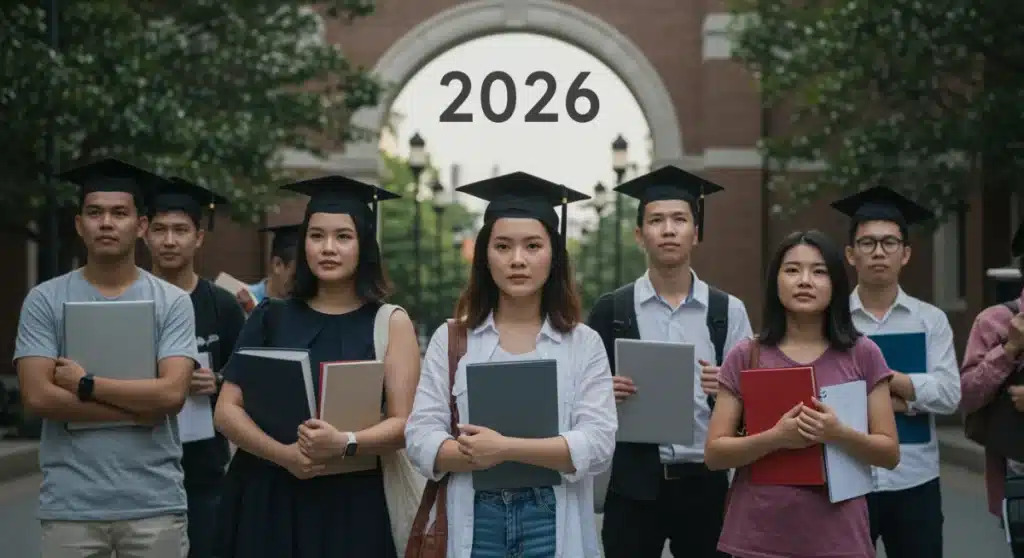
The year 2026 marks a pivotal shift in U.S. graduate school admissions, with significant revisions to standardized testing policies, increased focus on holistic reviews, and a greater emphasis on diverse experiential learning.
Understanding the 2026 Changes to Graduate School Admissions Requirements in the U.S. is crucial for prospective students and academic advisors alike. The landscape of higher education is constantly evolving, and 2026 is poised to bring about significant adjustments to how graduate programs evaluate applicants. This article will delve into these anticipated modifications, helping you navigate the pathway to your advanced degree.
The Evolving Role of Standardized Tests
Standardized tests like the GRE have long been a cornerstone of graduate school admissions. However, their role is undergoing a substantial re-evaluation, with many institutions questioning their predictive validity and fairness. The 2026 changes are expected to formalize a trend towards reduced reliance on these scores.
Several institutions have already moved to make the GRE optional or have eliminated it entirely. This shift reflects a broader recognition that a single test score may not accurately capture an applicant’s full potential or readiness for graduate-level work. Instead, programs are seeking more comprehensive ways to assess candidates.
GRE Optional or Waived Policies
Many programs are adopting a ‘GRE optional’ stance, meaning applicants can choose whether or not to submit scores without penalty. Others are offering waivers based on certain criteria, such as a strong undergraduate GPA or relevant work experience.
- Increased flexibility for applicants.
- Reduced financial burden associated with test preparation and fees.
- Emphasis on other application components.
The move away from mandatory GRE scores is not universal, but it is a significant trend that will likely become more prevalent by 2026. Applicants should thoroughly research the specific requirements of each program to which they intend to apply, as policies can vary widely even within the same university.
This evolution underscores a commitment to creating more equitable access to graduate education. By de-emphasizing standardized tests, institutions aim to broaden their applicant pools and consider a more diverse range of talents and backgrounds. It also places greater importance on other aspects of the application, which we will explore further.
Emphasis on Holistic Review Processes
With the diminishing importance of standardized tests, graduate admissions committees are increasingly adopting a holistic review approach. This means evaluating applicants based on a much broader range of factors beyond just grades and test scores. By 2026, this approach is set to become the standard across most U.S. graduate programs.
A holistic review considers an applicant’s unique experiences, attributes, and academic metrics alongside their potential contributions to the program and profession. It’s about understanding the complete individual rather than a collection of numbers.
Components of a Holistic Application
Admissions committees will scrutinize several elements to gain a comprehensive understanding of an applicant. These components are designed to reveal an applicant’s intellectual curiosity, resilience, leadership skills, and commitment to their chosen field.
- Personal statements and essays.
- Letters of recommendation.
- Research experience and publications.
- Work experience and internships.
The personal statement, in particular, becomes a critical tool for applicants to articulate their motivations, goals, and how their unique background aligns with the program’s objectives. Strong letters of recommendation from faculty or supervisors who know the applicant well can also significantly bolster an application by providing external validation of their abilities.
This comprehensive evaluation seeks to identify candidates who not only possess academic aptitude but also demonstrate the personal qualities necessary for success in graduate school and beyond. It encourages applicants to present a well-rounded and compelling narrative of their journey and aspirations.
The Growing Importance of Experiential Learning
Beyond traditional academic metrics, graduate programs in 2026 will place a significantly higher value on experiential learning. This includes practical experiences such as research, internships, volunteer work, and professional employment, especially those that align with the applicant’s chosen field of study. Institutions recognize that these experiences provide invaluable skills and insights that cannot be gleaned from coursework alone.
Experiential learning demonstrates an applicant’s initiative, problem-solving abilities, and commitment to their discipline. It also provides a tangible record of their engagement outside the classroom, which is increasingly viewed as essential for success in highly competitive graduate programs.
Types of Valued Experiences
Admissions committees will look for experiences that showcase an applicant’s ability to apply theoretical knowledge to real-world situations, collaborate effectively, and contribute meaningfully. The relevance and impact of these experiences are often more important than their duration.
- Undergraduate research projects.
- Relevant internships in industry or non-profits.
- Volunteer work demonstrating leadership or specialized skills.
- Professional employment directly related to the graduate field.
Highlighting these experiences effectively in personal statements and resumes will be crucial. Applicants should clearly articulate the skills gained and the lessons learned from each experience, connecting them directly to their graduate school aspirations. For example, describing how a research assistantship honed analytical skills or how an internship provided exposure to specific industry challenges can be very impactful.
This shift emphasizes that graduate education is not just about accumulating knowledge, but also about developing the practical competencies needed to excel in a professional context. Applicants who can demonstrate a strong record of relevant experiential learning will have a distinct advantage.
Changes to GPA and Academic Record Evaluation
While standardized tests are becoming less central, the undergraduate GPA and overall academic record will remain a critical component of graduate school admissions in 2026. However, the evaluation of these records is also becoming more nuanced. Admissions committees are looking beyond the raw GPA to understand the context of an applicant’s academic performance.
This includes considering the rigor of the undergraduate institution, the difficulty of the coursework undertaken, and any upward trends in grades over time. A strong academic foundation is still paramount, but a more comprehensive interpretation of the transcript is expected.
Contextualizing Academic Performance
Admissions committees will increasingly seek to understand the challenges an applicant may have faced and how they overcame them. This includes factors such as work-study commitments, personal hardships, or a significant change in major that led to improved performance.
- Rigor of undergraduate curriculum.
- Performance in major-specific courses.
- Demonstrated improvement in grades over time.
A lower GPA in the early years of undergraduate study might be less concerning if an applicant shows a strong upward trajectory and excels in upper-level courses relevant to their intended graduate program. Furthermore, performance in specific foundational courses within the target discipline will often carry more weight than an overall GPA.
Applicants with non-traditional academic backgrounds or those who may have taken longer to find their academic footing should use their personal statements to explain any discrepancies or highlight significant achievements that might not be immediately obvious from their transcript. Transparency and a focus on growth will be key.
Diversity, Equity, and Inclusion (DEI) Initiatives
The year 2026 will see an even stronger integration of Diversity, Equity, and Inclusion (DEI) principles into graduate school admissions. Universities are increasingly committed to fostering diverse academic communities that reflect the broader society. This commitment goes beyond mere representation and seeks to create an inclusive environment where all students can thrive.
Admissions processes will be designed to identify and support applicants from underrepresented backgrounds, including those from diverse socioeconomic, racial, ethnic, and geographic origins, as well as first-generation students and individuals with disabilities. This includes a careful review of application materials to identify potential biases.
Impact on Application Evaluation
DEI initiatives will influence how applications are reviewed, encouraging committees to consider the unique perspectives and experiences that diverse applicants bring to the academic environment. Questions in personal statements or supplementary essays may specifically address an applicant’s contributions to diversity.
- Consideration of socioeconomic background.
- Emphasis on unique life experiences.
- Commitment to fostering inclusive environments.
Applicants should consider how their personal journey, background, and experiences have shaped their perspectives and how they can contribute to the diversity of their chosen program. Articulating a commitment to DEI within their application can be a powerful way to align with institutional values.
This focus on DEI is not just about fairness; it’s about enriching the intellectual environment of graduate programs. Diverse perspectives lead to more robust discussions, innovative research, and a more comprehensive understanding of complex global challenges. Prospective students should be prepared to articulate how they embody and contribute to these values.
Preparing for the 2026 Admissions Cycle
Navigating the evolving landscape of graduate school admissions for 2026 requires strategic preparation. Given the shifts towards holistic reviews and experiential learning, applicants need to think beyond traditional metrics and build a strong, well-rounded profile. Early planning and proactive engagement with potential programs will be critical for success.
It’s no longer enough to simply achieve high grades; prospective students must actively seek out opportunities that will strengthen their applications and demonstrate their readiness for advanced study and professional practice. This involves a thoughtful approach to academic and extracurricular engagement.
Key Preparatory Steps
To maximize your chances of admission in 2026, focus on developing a compelling narrative that showcases your strengths across various dimensions. This means investing time in both academic excellence and practical experience.
- Engage in relevant research or internships early.
- Cultivate strong relationships with potential recommenders.
- Craft compelling personal statements and essays.
- Thoroughly research program-specific requirements and faculty interests.
Building strong relationships with professors and mentors can lead to impactful letters of recommendation and valuable research opportunities. Starting early on personal statements allows for multiple revisions and ensures a polished, authentic representation of your goals and experiences. Additionally, understanding the specific research interests of faculty members in your target programs can help you tailor your application to demonstrate a strong fit.
The 2026 admissions cycle will reward applicants who present a comprehensive and authentic portrait of their abilities, experiences, and aspirations. By focusing on these key areas, prospective graduate students can confidently approach the application process and enhance their prospects of admission.
| Key Change | Brief Description |
|---|---|
| GRE Optionality | Many programs will make GRE scores optional or waive them, reducing their overall importance. |
| Holistic Review | Increased focus on comprehensive applicant assessment, including experiences, attributes, and essays. |
| Experiential Learning | Greater emphasis on research, internships, and relevant work experience as key qualifications. |
| DEI Integration | Stronger commitment to diversity, equity, and inclusion in admissions processes and community building. |
Frequently Asked Questions About 2026 Graduate Admissions
While many programs are making the GRE optional or waiving it, it’s unlikely to be completely eliminated across all U.S. graduate schools by 2026. Policies will vary by institution and program, so applicants must check specific requirements carefully.
Focus on a robust academic record, compelling personal statements, strong letters of recommendation, and significant experiential learning, such as research, internships, or relevant work experience. Highlight your unique contributions and fit for the program.
Experiences directly relevant to your target graduate field are highly valued. This includes undergraduate research, internships in your desired industry, volunteer work showcasing specific skills, and professional employment that demonstrates leadership or expertise.
Your GPA remains crucial, but its evaluation will be more nuanced. Committees will consider the rigor of your coursework, performance in major-specific classes, and any upward trends. Contextual factors behind your academic record will also be taken into account.
DEI initiatives encourage committees to consider diverse backgrounds and experiences. Applicants can highlight how their unique perspectives contribute to the program’s diversity and their commitment to fostering inclusive environments in their essays.
Conclusion
The 2026 changes to graduate school admissions in the U.S. represent a significant evolution aimed at creating a more holistic, equitable, and comprehensive evaluation process. Prospective students should embrace these changes by focusing on building a well-rounded profile that highlights not only their academic achievements but also their practical experiences, personal growth, and unique contributions to the academic community. By understanding these shifts and preparing strategically, applicants can confidently navigate the path to their desired graduate programs.