Understanding 2026 US Family Leave Act Changes: Your 12-Week Guide

The landscape of employee benefits in the United States is constantly evolving, and a significant shift is on the horizon with the upcoming family leave changes 2026. For millions of American workers, understanding these modifications to the Family and Medical Leave Act (FMLA) is not just beneficial; it’s essential for planning their careers, families, and personal well-being. This comprehensive guide will delve deep into the specifics of these changes, empowering you with the knowledge needed to navigate your rights and responsibilities concerning your 12 weeks of protected leave.
The FMLA, enacted in 1993, has long served as a cornerstone of worker protection, providing eligible employees with job-protected, unpaid leave for specified family and medical reasons with continuation of group health insurance coverage under the same terms and conditions as if the employee had not taken leave. However, societal needs and economic realities have shifted considerably since its inception. The family leave changes 2026 aim to address some of these evolving challenges, potentially broadening the scope, clarifying ambiguities, and refining the mechanisms through which employees can access their rightful leave. Whether you are expecting a child, caring for a seriously ill family member, or managing your own serious health condition, these updates will undoubtedly touch your life.
This article will cover the core aspects of the FMLA, highlight the anticipated changes for 2026, discuss eligibility requirements, explain what ‘protected leave’ truly means, and offer practical advice on how to prepare. Our goal is to demystify complex legal jargon and provide a clear, actionable roadmap for every US employee. Let’s embark on this journey to understand the future of family leave in America.
The Foundation: What is the Family and Medical Leave Act (FMLA)?
Before we dissect the family leave changes 2026, it’s crucial to have a firm grasp of the FMLA’s current framework. The FMLA is a federal law that entitles eligible employees of covered employers to take unpaid, job-protected leave for specific family and medical reasons with continuation of group health insurance coverage under the same terms and conditions as if the employee had not taken leave. Upon returning from FMLA leave, employees are entitled to be restored to their original job or to an equivalent job with equivalent pay, benefits, and other terms and conditions of employment.
Key Provisions of the Current FMLA:
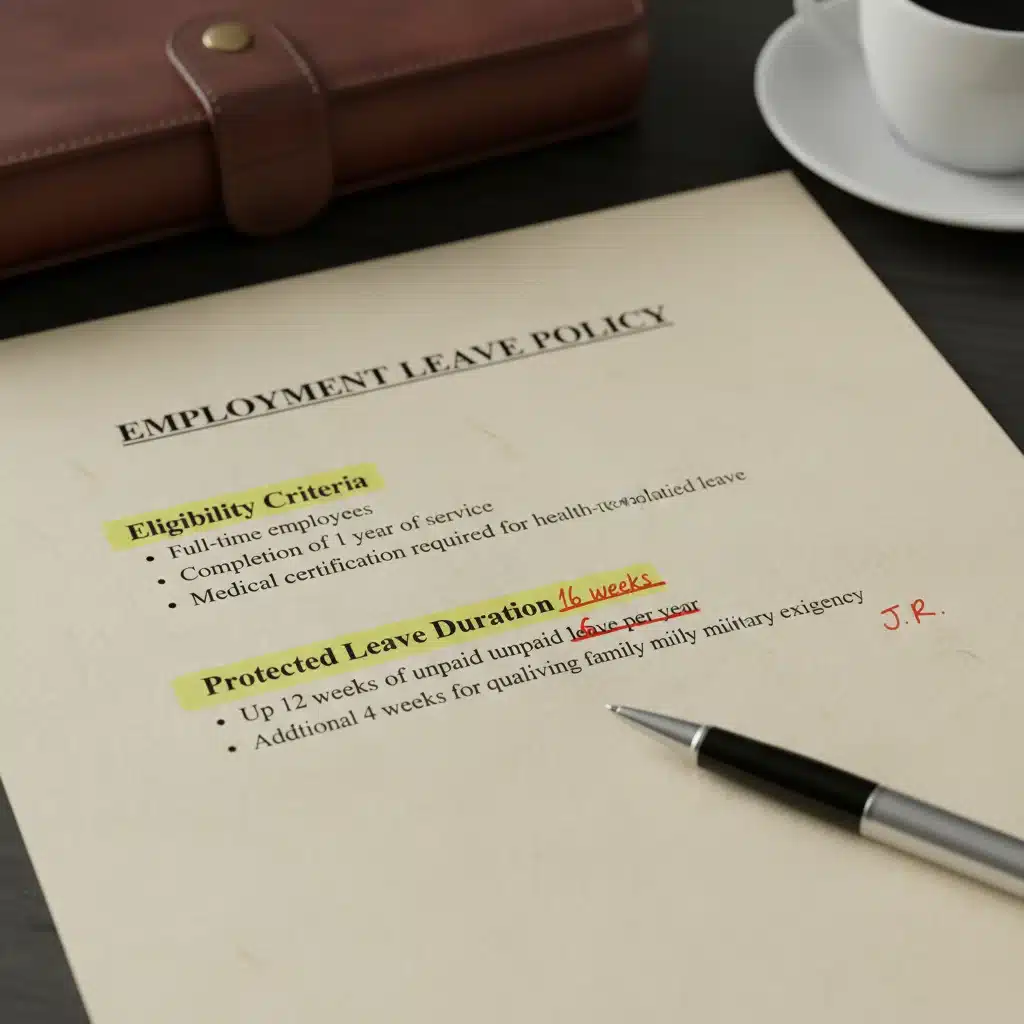
- Eligibility: To be eligible, an employee must have worked for a covered employer for at least 12 months (not necessarily consecutive), have worked at least 1,250 hours during the 12 months immediately preceding the leave, and work at a location where the employer has 50 or more employees within 75 miles.
- Covered Employers: Generally, private sector employers with 50 or more employees, public agencies (local, state, and federal), and public or private elementary and secondary schools are covered.
- Reasons for Leave: The FMLA provides for up to 12 workweeks of leave in a 12-month period for:
- The birth of a child and to care for the newborn child within one year of birth.
- The placement with the employee of a child for adoption or foster care and to care for the newly placed child within one year of placement.
- To care for the employee’s spouse, child, or parent who has a serious health condition.
- A serious health condition that makes the employee unable to perform the essential functions of his or her job.
- Any qualifying exigency arising out of the fact that the employee’s spouse, child, or parent is a military member on covered active duty or call to covered active duty status.
- Military Caregiver Leave: Up to 26 workweeks of leave in a single 12-month period to care for a covered servicemember with a serious injury or illness if the employee is the servicemember’s spouse, child, parent, or next of kin.
- Unpaid Leave: FMLA leave is generally unpaid. However, employees may choose, or employers may require, that accrued paid leave (such as vacation or sick leave) be substituted for FMLA leave.
- Job Protection: This is a critical aspect. Employees are guaranteed their job or an equivalent position upon return.
- Health Benefits: Employers must maintain the employee’s group health insurance coverage under the same conditions as if they had not taken leave.
Understanding these fundamental principles is the bedrock upon which we can analyze the forthcoming family leave changes 2026. While the core tenets of job protection and health benefit continuation are expected to remain, the specifics around eligibility, qualifying reasons, and potentially even the unpaid nature of the leave could see significant revisions.
Anticipated Family Leave Changes 2026: What’s on the Horizon?
While the exact legislative text for the family leave changes 2026 is still being finalized and debated, several key areas are expected to see significant modifications. These changes reflect a growing recognition of modern family structures, evolving workplace demands, and the need for more comprehensive support for employees balancing work and personal responsibilities. It’s crucial for both employees and employers to stay abreast of these potential shifts to ensure compliance and proper utilization of benefits.
Potential Areas of Reform:
- Expanded Definition of ‘Family Member’: One of the most frequently discussed changes is the potential broadening of who qualifies as a ‘family member’ for caregiving purposes. The current FMLA largely restricts this to spouses, children, and parents. The family leave changes 2026 might include domestic partners, grandparents, grandchildren, or even siblings, reflecting the diverse caregiving roles individuals undertake in today’s society. This expansion would significantly increase the number of employees eligible to take leave to care for loved ones, addressing a long-standing criticism of the FMLA’s limited scope.
- Inclusion of Paid Leave Provisions: Perhaps the most impactful and sought-after change is the introduction of some form of paid family leave at the federal level. Currently, FMLA leave is unpaid, which can be a significant barrier for many employees, particularly those in lower-wage jobs, preventing them from taking the leave they desperately need. While a fully paid federal program might be ambitious, the family leave changes 2026 could introduce a federal grant program, tax incentives for employers offering paid leave, or a national insurance program to provide partial wage replacement during FMLA leave. This would be a monumental step towards making family leave accessible to all.
- Lowered Eligibility Thresholds: The current requirements of 12 months of employment and 1,250 hours worked can exclude many part-time, seasonal, or newer employees. There’s a strong push to reduce these thresholds, making it easier for a broader segment of the workforce to qualify for FMLA protection. This could involve reducing the hours worked requirement or shortening the employment duration, thereby extending job-protected leave to more workers earlier in their careers or in less traditional employment arrangements.
- Clarification on Intermittent Leave: Intermittent FMLA leave, which allows employees to take leave in separate blocks of time, or by reducing their daily or weekly work schedule, can be complex to manage for both employees and employers. The family leave changes 2026 might introduce clearer guidelines or simplified processes for requesting and approving intermittent leave, making it more predictable and less burdensome for all parties involved. This could include standardized documentation requirements or improved communication protocols.
- Enhanced Protections Against Retaliation: While retaliation is already prohibited under FMLA, some proposed changes aim to strengthen these protections, making it more difficult for employers to penalize employees who exercise their FMLA rights. This could involve increased penalties for violations, clearer definitions of what constitutes retaliation, or more robust enforcement mechanisms to ensure employees feel secure in taking their entitled leave.
- Streamlined Application and Notification Processes: The FMLA notification requirements can be intricate. The family leave changes 2026 might seek to simplify the application process for employees and clarify notification obligations for employers, reducing administrative burdens and ensuring a smoother experience for those seeking leave. This could involve standardized forms or digital application platforms.
It’s important to remember that these are anticipated changes, and the final legislation may vary. However, staying informed about these potential shifts is key to understanding your rights and preparing for the future of family and medical leave in the US. The overarching goal of these reforms is to create a more inclusive, equitable, and supportive framework for American workers facing significant life events.
Your 12 Weeks of Protected Leave: What Does it Truly Mean?
The concept of ’12 weeks of protected leave’ is central to the FMLA and will remain a critical component of the family leave changes 2026. However, understanding what ‘protected’ truly entails is vital for employees. It’s more than just time off; it’s a legal safeguard designed to prevent employees from losing their jobs or benefits due to family or medical exigencies.
Diving Deeper into ‘Protected Leave’:
- Job Protection: This is the cornerstone. When you return from FMLA leave, your employer must restore you to your original job or an equivalent job. An ‘equivalent job’ means one that is virtually identical to your former position in terms of pay, benefits, and other employment terms and conditions (e.g., shifts, location, working conditions). The employer cannot demote you, reduce your pay, or assign you to a less desirable role simply because you took FMLA leave. This protection is designed to give employees peace of mind, knowing their career won’t suffer while they attend to critical personal or family needs.
- Maintenance of Health Benefits: During your FMLA leave, your employer is required to maintain your group health insurance coverage under the same conditions as if you had not taken leave. This means you continue to pay your portion of the premiums (if any), and the employer continues to pay theirs. This is a significant benefit, ensuring that you and your family do not lose access to essential healthcare during a period when health concerns are often paramount.
- No Loss of Accrued Benefits: While FMLA leave is generally unpaid, your leave cannot result in the loss of any employment benefit that accrued prior to the start of your leave. This includes things like seniority, vacation time, sick leave, or retirement benefits. Your employer cannot use your FMLA leave as a reason to strip you of benefits you’ve earned.
- Protection Against Retaliation: The FMLA explicitly prohibits employers from interfering with, restraining, or denying the exercise of any FMLA right. It also prohibits discrimination or retaliation against an employee for taking FMLA leave or for opposing any practice made unlawful by the FMLA. This means your employer cannot fire you, deny you a promotion, or impose other negative employment actions because you took or requested FMLA leave. If you believe you have been retaliated against, you have legal recourse. The family leave changes 2026 may even strengthen these anti-retaliation provisions.
- Intermittent and Reduced Schedule Leave: For some serious health conditions or military exigencies, FMLA allows leave to be taken intermittently (in separate blocks of time) or on a reduced work schedule. This flexibility is crucial for employees who need to attend ongoing medical appointments, provide periodic care, or gradually return to work. The ‘protected’ aspect ensures that employers must accommodate these types of leave when medically necessary, without penalizing the employee.
Understanding these protections is paramount for employees to confidently exercise their rights under the FMLA, both now and after the family leave changes 2026. It provides a safety net, allowing individuals to prioritize their health and family without fearing for their job security or benefits.
Eligibility Criteria: Who Qualifies for FMLA Leave in 2026?
The eligibility requirements for FMLA leave are a critical component of the law, determining who can access the vital protections it offers. As mentioned, the family leave changes 2026 are expected to potentially modify these criteria, making FMLA accessible to a wider range of employees. However, it’s important to understand the current rules and anticipate how they might evolve.
Current FMLA Eligibility Requirements:
To be eligible for FMLA leave, an employee must meet three criteria:
- Employed by a Covered Employer: The employer must be a private sector employer with 50 or more employees in 20 or more workweeks in the current or preceding calendar year, or a public agency (local, state, or federal), or a public or private elementary or secondary school.
- Length of Service: The employee must have worked for the employer for at least 12 months. These 12 months do not need to be consecutive. For example, if an employee worked for an employer for three months, left, and then returned to work for the same employer for nine months, they would meet the 12-month requirement.
- Hours of Service: The employee must have worked at least 1,250 hours during the 12-month period immediately preceding the start of the leave. This equates to approximately 24 hours per week for 52 weeks.
- Worksite Location: The employee must work at a location where the employer has 50 or more employees within 75 miles of that worksite. This ’50/75 mile rule’ is designed to ensure that employers have enough staff to absorb the workload of an employee on leave without undue hardship.
How Family Leave Changes 2026 Might Impact Eligibility:
- Reduced Hours of Service: There’s a strong possibility that the 1,250-hour requirement could be lowered. This would particularly benefit part-time workers, those in industries with fluctuating work hours, or individuals who have taken prior unpaid leave. A lower threshold would align FMLA with the realities of the modern workforce, where traditional 40-hour workweeks are not universal.
- Shorter Length of Service: The 12-month employment requirement might also be reduced. This could allow newer employees to access FMLA benefits sooner, which is particularly relevant for life events like childbirth or sudden family medical emergencies that can occur at any stage of employment.
- Modification of the 50/75 Mile Rule: While less frequently discussed, some proposals suggest re-evaluating the 50/75 mile rule. In an increasingly remote-work environment, the geographical proximity of employees might become less relevant. Any changes here would aim to ensure that employees in smaller or more distributed workforces are not unfairly excluded from FMLA protection.
It is critical for employees to verify their eligibility with their HR department or a legal professional, especially as the family leave changes 2026 draw closer. Even if you don’t meet all criteria today, the future landscape may offer new opportunities for protected leave.
Preparing for the 2026 Family Leave Updates: A Checklist for Employees
The impending family leave changes 2026 present an opportunity for employees to better understand and utilize their rights. Proactive preparation can make a significant difference in how smoothly you can access and manage your 12 weeks of protected leave when the time comes. Here’s a checklist to help you get ready:
Employee Preparation Checklist:
- Stay Informed: Regularly check official government sources (like the Department of Labor website) and reputable HR news outlets for updates on the family leave changes 2026. Legislative processes can be dynamic, so staying current is crucial.
- Review Your Company’s Current FMLA Policy: Even before the changes take effect, familiarize yourself with your employer’s existing FMLA policy. This includes understanding their notification procedures, documentation requirements, and how they define the 12-month FMLA period (e.g., calendar year, rolling 12-month period).
- Track Your Hours and Tenure: Keep a personal record of your employment start date and hours worked, especially if you have fluctuating hours or have had breaks in service. This will help you determine your eligibility under current and future FMLA rules.
- Understand Your State and Local Laws: Remember that state and local family leave laws can offer greater protections than federal FMLA. Research what’s available in your specific location, as the family leave changes 2026 at the federal level might complement or interact with existing local provisions.
- Communicate with HR (When Appropriate): If you anticipate needing FMLA leave in the near future, consider having a preliminary, confidential conversation with your HR department. They can provide guidance on current policies and may offer insights into how the upcoming changes could affect your situation. However, be mindful of privacy and timing.
- Build a Financial Buffer: Since FMLA leave is currently unpaid, and even with potential family leave changes 2026, it might only offer partial wage replacement, having an emergency fund is critical. Start saving now to cover living expenses during any period of reduced or lost income.
- Gather Necessary Documentation: For any serious health condition (your own or a family member’s) or qualifying exigency, medical certifications or other supporting documents will be required. Knowing what documentation is typically needed can help you prepare in advance.
- Plan for Childcare/Caregiving: If your leave is for childbirth, adoption, or caring for a family member, begin researching and planning for childcare or caregiving arrangements well in advance. This can alleviate stress during your leave.
- Educate Your Support Network: Inform your spouse, partner, or other trusted individuals about your FMLA rights and plans. They can provide support and help you navigate the process.
- Consult Legal Counsel if Needed: If your situation is complex, or if you have concerns about potential discrimination or retaliation, consider consulting with an employment law attorney. They can offer personalized advice regarding the current FMLA and the upcoming family leave changes 2026.
By taking these proactive steps, employees can empower themselves to effectively utilize their family leave benefits, ensuring they can prioritize their personal and family needs without jeopardizing their professional standing.

Employer Responsibilities and Compliance with 2026 FMLA Updates
Just as employees need to prepare for the family leave changes 2026, employers have significant responsibilities to ensure compliance and properly administer the updated FMLA. Failure to do so can lead to legal challenges, penalties, and damage to employee morale. Proactive planning and clear communication will be paramount.
Employer Checklist for 2026 FMLA Changes:
- Monitor Legislative Developments Closely: HR departments and legal counsel should actively track the progress of any federal legislation related to the family leave changes 2026. Subscribe to alerts from the Department of Labor (DOL) and reputable legal firms specializing in employment law.
- Update Internal FMLA Policies: Once the final legislation is enacted, employers must promptly revise their FMLA policies in employee handbooks and internal documents. This includes updating eligibility criteria, definitions of family members, notification procedures, and any new provisions regarding paid leave.
- Train HR and Management: Comprehensive training sessions are essential for HR staff, managers, and supervisors. They need to understand the new rules, how to correctly identify eligible employees, process leave requests, and prevent FMLA interference or retaliation. Misinformation at the management level can lead to significant legal exposure.
- Review Payroll and Benefits Systems: If the family leave changes 2026 introduce paid leave components, employers will need to adjust their payroll systems to accommodate wage replacement, tax implications, and coordination with other benefits. Benefits administrators must also understand how health insurance coverage is maintained during new leave types.
- Communicate Clearly with Employees: Employers should proactively communicate the updated FMLA policies to their workforce. This can be done through company-wide emails, intranet postings, town halls, and updated employee handbooks. Clarity helps employees understand their rights and reduces inquiries and potential misunderstandings.
- Assess State and Local Law Interactions: Employers operating in multiple states or localities must analyze how the federal family leave changes 2026 interact with existing state and local paid leave laws. The most generous provisions typically apply, and compliance can become complex.
- Prepare for Increased Leave Usage: If eligibility expands or paid leave becomes available, employers should anticipate a potential increase in FMLA leave requests. This may require adjustments to staffing, scheduling, and workload distribution to ensure business continuity.
- Consult Legal Experts: Given the complexities of FMLA compliance, especially with new legislative changes, employers should consult with employment law attorneys to ensure their updated policies and practices are fully compliant with federal, state, and local laws.
- Maintain Accurate Records: Meticulous record-keeping of FMLA requests, approvals, denials, and hours taken is always crucial. This becomes even more important with new regulations to demonstrate compliance and defend against potential claims.
By taking these steps, employers can navigate the family leave changes 2026 effectively, ensuring they meet their legal obligations while fostering a supportive and compliant workplace environment.
The Broader Impact of 2026 Family Leave Changes on the US Workforce
The family leave changes 2026 are not just about legal technicalities; they represent a significant societal shift with far-reaching implications for the entire US workforce, the economy, and the future of work-life balance. These updates have the potential to reshape how Americans approach family care, personal health, and professional responsibilities.
Societal and Economic Impacts:
- Improved Public Health Outcomes: More accessible and potentially paid leave for serious health conditions (both personal and family) can lead to better health outcomes. Employees can take the necessary time to recover or provide care without financial strain, reducing stress and improving overall well-being.
- Enhanced Gender Equity: Historically, the burden of caregiving has disproportionately fallen on women, impacting their career progression and earning potential. Expanded FMLA and especially paid leave provisions can help equalize caregiving responsibilities, allowing men to take on more active roles and supporting women’s continued workforce participation.
- Increased Employee Retention and Productivity: Companies that offer robust family leave benefits often experience higher employee morale, reduced turnover, and increased productivity. When employees feel supported during critical life events, they are more loyal and engaged. The family leave changes 2026 could drive these benefits across a broader spectrum of employers.
- Economic Stability for Families: The introduction of paid leave, even partial, would provide crucial financial stability for families during times of significant life changes or crises. This can prevent families from falling into poverty or incurring crippling debt due to medical emergencies or childbirth.
- Addressing Demographic Shifts: With an aging population, the need for elder care is growing rapidly. Expanding the definition of ‘family member’ in the family leave changes 2026 to include grandparents or other relatives acknowledges this demographic reality and provides much-needed support for caregivers.
- Challenges for Small Businesses: While the benefits are clear, some smaller businesses might face challenges in adapting to potentially broader requirements or the financial implications of paid leave mandates. It will be crucial for the legislation to include support mechanisms or phased implementations to help these employers adjust.
- Cultural Shift in Workplace Norms: Over time, these changes could normalize taking family and medical leave, reducing the stigma often associated with it. This cultural shift would create more empathetic and understanding workplaces where employees feel comfortable prioritizing their well-being and family needs.
The family leave changes 2026 are more than just a legal update; they are a reflection of evolving societal values and a commitment to supporting the American worker. By understanding and preparing for these shifts, both employees and employers can contribute to a more equitable and sustainable future for the US workforce.
Conclusion: Navigating the Future of Family Leave
The impending family leave changes 2026 represent a pivotal moment in the history of employee rights and work-life balance in the United States. From potentially expanded definitions of family members to the highly anticipated introduction of some form of paid leave, these updates are poised to significantly impact how millions of Americans manage their personal and professional lives. Understanding your 12 weeks of protected leave, its current framework, and its future evolution is not just a matter of compliance; it’s about empowering yourself to make informed decisions for your family’s well-being.
For employees, the message is clear: stay informed, review your company’s policies, understand your eligibility, and plan proactively. Building a financial safety net and knowing your rights under both federal and state laws will be crucial. For employers, the call to action is to monitor legislative developments, update policies, train staff thoroughly, and communicate transparently with your workforce. Embracing these changes proactively will not only ensure legal compliance but also foster a more supportive, productive, and loyal employee base.
The FMLA has always been a vital safety net, but the family leave changes 2026 aim to strengthen and modernize it for the challenges and complexities of the 21st century. By working together – employees understanding their entitlements and employers fulfilling their responsibilities – we can ensure that these changes lead to a healthier, more equitable, and more resilient American workforce. The future of family leave is brighter, and with this guide, you are well-equipped to navigate it successfully.