Pet Insurance as an Employee Benefit in 2026: Is It Worth the Investment to Cover 80% of Your Vet Bills?

Pet Insurance as an Employee Benefit in 2026: Is It Worth the Investment to Cover 80% of Your Vet Bills?
In the evolving landscape of employee benefits, forward-thinking companies are constantly seeking innovative ways to attract and retain top talent. Beyond traditional health, dental, and vision plans, a new contender is rapidly emerging: pet insurance as an employee benefit. As pet ownership continues to soar, particularly among younger generations entering the workforce, the financial burden of veterinary care has become a significant concern for many. This comprehensive guide delves into why offering pet insurance as an employee benefit in 2026 could be a game-changer for your organization, exploring its value proposition, the potential for covering up to 80% of vet bills, and the tangible advantages for both employers and employees.
The Rising Tide of Pet Ownership and Veterinary Costs
The bond between humans and their animal companions has never been stronger. Pets are increasingly viewed as integral family members, leading to a surge in pet ownership across demographics. According to recent surveys, a significant majority of households in developed nations own at least one pet. This emotional connection, however, comes with a financial reality: the cost of veterinary care can be substantial. From routine check-ups and vaccinations to unexpected emergencies, surgeries, and chronic condition management, vet bills can quickly accumulate, often reaching thousands of dollars. This financial strain can be a major source of stress for employees, impacting their overall well-being and, consequently, their productivity.
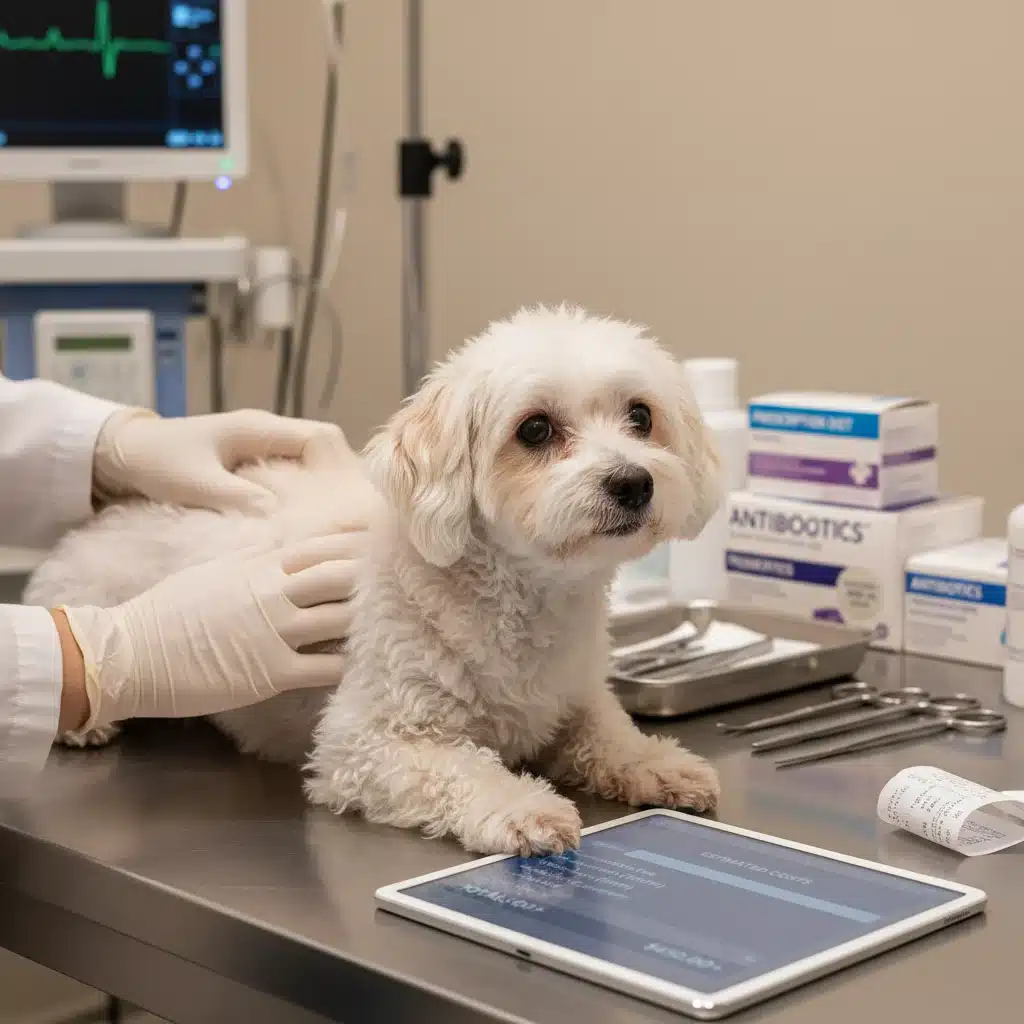
Consider the average cost of common veterinary procedures. An emergency visit for an injured pet could easily cost hundreds, if not thousands, of dollars. Lifesaving surgeries, such as those for broken bones or internal issues, can range from $2,000 to $10,000 or more. Even managing chronic conditions like diabetes or arthritis requires ongoing medication, specialized diets, and regular vet visits, adding up to significant annual expenses. Without a financial safety net, many pet owners face difficult decisions, sometimes sacrificing their own financial stability or, tragically, forgoing necessary treatment for their beloved pets. This is where the concept of pet insurance as an employee benefit truly shines, offering a much-needed layer of protection.
Why Employees Value Pet Benefits
For many employees, their pets are not just animals; they are family. The emotional and mental health benefits of pet ownership are well-documented, with studies showing reduced stress, lower blood pressure, and increased physical activity among pet parents. Therefore, a benefit that directly addresses their pets’ well-being resonates deeply. Offering pet insurance as an employee benefit demonstrates an understanding of the holistic needs of your workforce, acknowledging that their personal lives, including their furry companions, significantly influence their professional lives. It’s a powerful statement that goes beyond a standard paycheck, showing genuine care and support.
In a competitive job market, companies that differentiate themselves through thoughtful benefits packages have a distinct advantage. As millennials and Gen Z, generations known for their strong attachment to pets, increasingly dominate the workforce, benefits like pet insurance become even more appealing. It’s no longer just about salary; it’s about a comprehensive package that supports their lifestyle and values. A robust pet insurance benefit can be the deciding factor for a candidate choosing between two similar job offers, positioning your company as an employer of choice.
The Mechanics of Pet Insurance as an Employee Benefit
Integrating pet insurance into your existing benefits package is generally straightforward. Companies typically partner with a pet insurance provider to offer discounted group rates to their employees. This can be structured in various ways:
- Voluntary Benefit: Employees opt-in and pay the full premium, often at a reduced group rate compared to individual plans.
- Employer-Sponsored: The employer contributes a portion or the entirety of the premium, making it an even more attractive offering.
- Flexible Spending Accounts (FSAs) or Health Savings Accounts (HSAs): While direct pet insurance premiums are generally not covered by FSAs/HSAs, some related vet expenses might be, and offering pet insurance alongside these can create a more comprehensive financial wellness package.
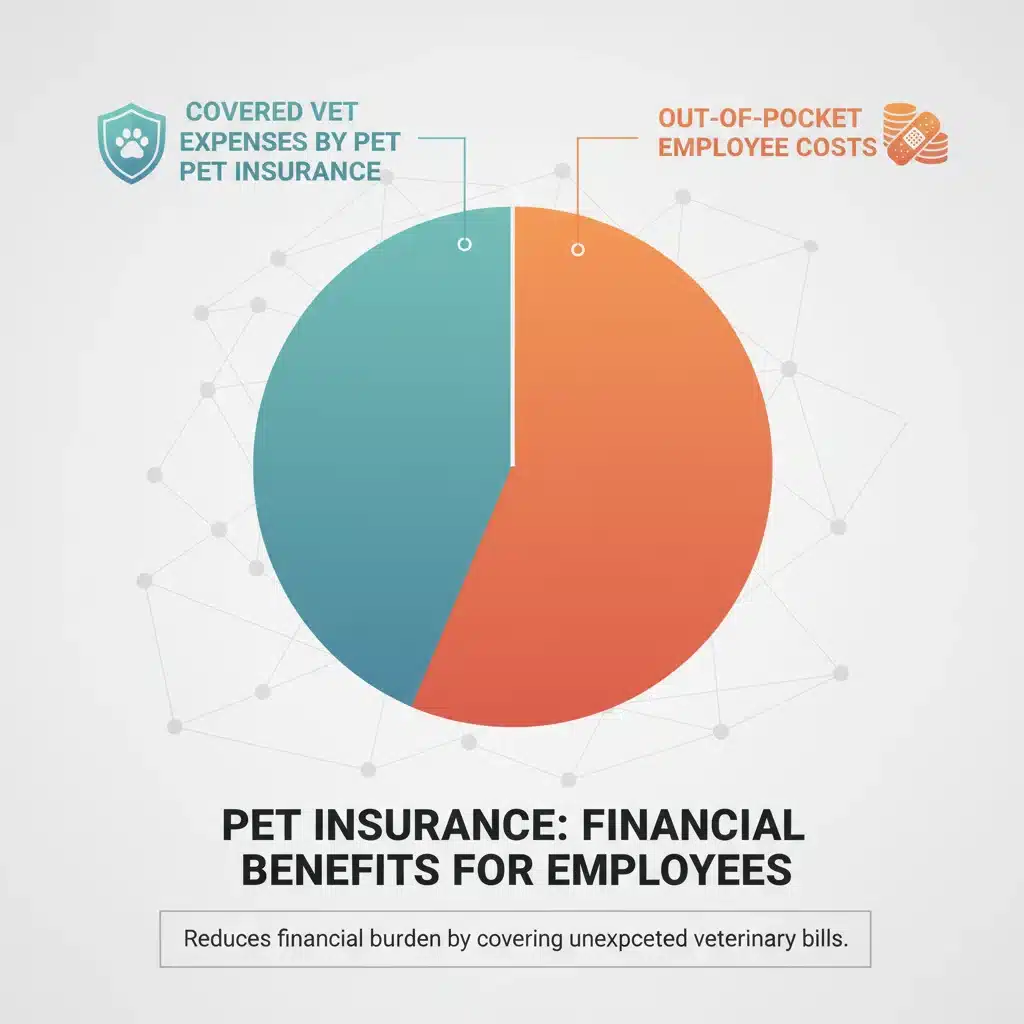
Most pet insurance plans operate on a reimbursement model. Employees pay their vet bills upfront and then submit a claim to the insurance company for reimbursement. The typical reimbursement rate for comprehensive plans often falls between 70% and 90% after the deductible is met. This means that with a well-structured pet insurance benefit, employees could see up to 80% of their eligible vet bills covered, significantly easing their financial burden. This high coverage percentage is a key selling point and a major differentiator from other, less comprehensive benefits.
What Does Pet Insurance Typically Cover?
The scope of coverage can vary between providers and plans, but most comprehensive pet insurance policies generally include:
- Accidents: Injuries like broken bones, lacerations, foreign object ingestion, and poisoning.
- Illnesses: Common ailments such as infections, digestive issues, allergies, and more serious conditions like cancer, diabetes, and heart disease.
- Emergency Care: Unexpected veterinary visits outside of normal office hours.
- Surgeries: Procedures required due to accidents or illnesses.
- Prescription Medications: Drugs prescribed by a veterinarian for covered conditions.
- Diagnostic Tests: X-rays, MRIs, blood tests, and ultrasounds.
- Specialist Care: Referrals to veterinary specialists (e.g., cardiologists, oncologists).
Some plans also offer optional add-ons for wellness care, which can cover routine check-ups, vaccinations, flea and tick prevention, and dental cleanings. When evaluating providers for your pet insurance benefit, it’s crucial to understand the nuances of their coverage to ensure it aligns with your employees’ needs and expectations.
The Employer’s Perspective: Why Invest in Pet Insurance?
While the benefits for employees are clear, employers also stand to gain significantly from offering pet insurance as an employee benefit. The investment can yield substantial returns in various aspects of human resources and organizational success.
Enhanced Employee Attraction and Retention
In today’s competitive talent market, a compelling benefits package is crucial for attracting top-tier candidates. Offering pet insurance demonstrates that your company is attuned to the diverse needs of its workforce, particularly those who view pets as family. This unique benefit can set you apart from competitors, making your organization a more attractive place to work. For existing employees, it fosters a sense of loyalty and appreciation, reducing turnover rates and the associated costs of recruitment and training. Employees who feel valued are more likely to stay with their current employer, even when other opportunities arise.
Improved Employee Well-being and Productivity
The stress of unexpected vet bills can be overwhelming. When an employee’s beloved pet faces a health crisis, their focus at work can understandably suffer. The financial worry, coupled with the emotional toll, can lead to decreased productivity, increased absenteeism, and overall job dissatisfaction. By providing a pet insurance benefit, employers empower their staff to make healthcare decisions for their pets based on medical need rather than financial constraints. This peace of mind translates directly into a more engaged, less stressed, and ultimately more productive workforce. Employees can focus on their tasks knowing that their furry family members are protected.
Boosting Company Culture and Morale
A pet-friendly workplace culture, whether through allowing pets in the office or offering pet-related benefits, can significantly boost morale. It signals a compassionate and modern approach to employee welfare. Offering pet insurance as an employee benefit aligns with corporate social responsibility initiatives and can enhance your company’s reputation as a caring employer. This positive perception can extend beyond current employees, attracting future talent and fostering a positive brand image. A happy, less stressed workforce leads to a more positive and collaborative work environment.
Cost-Effectiveness and ROI
While there’s an initial investment, the long-term return on investment (ROI) for pet insurance as an employee benefit can be substantial. Reduced turnover, improved productivity, and enhanced recruitment efforts all contribute to significant cost savings. Furthermore, group rates for pet insurance are often more affordable than individual plans, making it a budget-friendly benefit to implement. The administrative burden is typically low, as most providers manage the claims process directly with employees. By proactively addressing a common source of financial stress for employees, companies can avoid the hidden costs associated with a disengaged or stressed workforce.
The Employee’s Perspective: The Value of 80% Vet Bill Coverage
For employees, the appeal of a pet insurance benefit is undeniable. The ability to cover a significant portion of veterinary expenses, often up to 80% or more, provides unparalleled peace of mind and financial security.
Financial Security and Reduced Stress
The primary benefit for employees is the financial safety net that pet insurance provides. Facing an emergency vet bill of several thousand dollars can be devastating for many households, potentially leading to debt or forcing difficult decisions about a pet’s care. With pet insurance covering 80% (or more) of these costs, employees are shielded from the brunt of these expenses. This significantly reduces financial stress and allows them to prioritize their pet’s health without compromising their own financial well-being. It means they can say ‘yes’ to life-saving treatments they might otherwise have to decline.
Access to Optimal Veterinary Care
When financial constraints are lessened, pet owners are more likely to seek prompt and comprehensive veterinary care for their animals. This can lead to earlier diagnosis of conditions, more effective treatment plans, and ultimately, better health outcomes and a longer, happier life for their pets. Employees with a pet insurance benefit are empowered to choose the best available care, including specialist consultations or advanced procedures, rather than being limited by cost. This ensures their beloved companions receive the highest standard of medical attention.
Budgeting Predictability
While vet bills are unpredictable, pet insurance premiums are typically fixed monthly or annually. This allows employees to budget for their pet’s healthcare more effectively, transforming potentially crippling unexpected expenses into manageable, predictable costs. Knowing that a large portion of unexpected vet bills will be covered provides a sense of control and stability in their personal finances, a significant advantage in an often financially uncertain world.
No More Difficult Choices
Perhaps the most profound benefit is the elimination of difficult choices. No pet owner should ever have to decide between their pet’s life and their financial stability. A robust pet insurance benefit ensures that employees can provide their pets with the care they need and deserve, regardless of the cost, fostering a deeper bond and reducing emotional distress for the entire family. This peace of mind extends beyond the pet owner to their entire household.
Implementing Pet Insurance as an Employee Benefit in 2026: Key Considerations
For companies considering adding pet insurance as an employee benefit, several factors should be carefully evaluated to ensure a successful implementation.
Choosing the Right Provider
Not all pet insurance providers are created equal. When selecting a partner, consider:
- Coverage Options: Look for providers offering a range of plans (accident-only, accident & illness, wellness add-ons) to cater to diverse employee needs and budgets.
- Reimbursement Rates and Deductibles: Understand the typical reimbursement percentages (e.g., 70%, 80%, 90%) and deductible options. Aim for plans that offer generous coverage like 80% to maximize employee value.
- Annual Limits: Check for annual maximum payouts. Higher limits provide better protection for catastrophic events.
- Waiting Periods: Be aware of waiting periods for certain conditions.
- Customer Service: A provider with excellent customer service and an easy claims process is crucial for employee satisfaction.
- Network of Vets: Most pet insurance allows you to use any licensed vet, but confirm this with the provider.
- Group Discount Opportunities: Ensure the provider offers competitive group rates that make the benefit attractive.
Communication and Education
Once you’ve chosen a provider, effective communication is key. Employees need to understand the value of the pet insurance benefit, how it works, what it covers, and how to enroll. Provide clear, concise information through various channels:
- Information Sessions: Host webinars or in-person meetings with the insurance provider.
- Benefit Guides: Distribute easy-to-understand literature.
- Intranet/HR Portal: Create a dedicated section with FAQs and enrollment instructions.
- Testimonials: Share stories from employees who have utilized similar benefits (if available) to illustrate real-world value.
Highlighting the potential for 80% coverage of vet bills should be a central message in your communications, as this percentage often represents a significant financial relief.
Integration with Existing Benefits
Consider how pet insurance as an employee benefit integrates with your existing benefits strategy. Does it complement your overall wellness programs? Does it align with your company’s values? A cohesive benefits package demonstrates thoughtful planning and a commitment to employee well-being. It can be positioned as part of a broader financial wellness initiative, helping employees manage unexpected costs that could otherwise derail their financial plans.
Consider the Demographics of Your Workforce
While pet ownership is widespread, understanding the specific demographics of your employees can help tailor the benefit offering. A younger workforce, for instance, might be more inclined towards pet ownership and therefore more appreciative of this benefit. However, older employees with long-standing pets can also greatly benefit from the coverage, especially as pets age and require more frequent or specialized care. A quick internal survey could help gauge interest and specific needs before finalizing your plan.
The Future of Employee Benefits: Beyond 2026
The trend towards more personalized and holistic employee benefits is set to continue well beyond 2026. As the lines between work and personal life blur, and as employees increasingly seek employers who support their entire selves, benefits that address personal passions and responsibilities, like pet ownership, will become standard. Offering pet insurance as an employee benefit is not just a passing fad; it’s a strategic move that positions your company at the forefront of modern HR practices.
Companies that embrace this forward-thinking approach will not only gain a competitive edge in talent acquisition and retention but also cultivate a more compassionate, engaged, and productive workforce. The peace of mind that comes with knowing up to 80% of vet bills can be covered is an invaluable offering, fostering loyalty and reducing stress for your most valuable asset: your people.
Conclusion: Is Pet Insurance as an Employee Benefit Worth It?
Absolutely. For organizations looking to enhance their employee value proposition, foster a supportive company culture, and boost overall workforce well-being, offering pet insurance as an employee benefit is a strategic and worthwhile investment. In 2026 and beyond, it will continue to be a powerful tool for attracting and retaining talent, demonstrating a genuine commitment to employees’ holistic lives. By helping employees manage the significant and often unpredictable costs of veterinary care, potentially covering up to 80% of vet bills, companies are investing in the financial security and emotional well-being of their staff, ultimately leading to a more engaged, loyal, and productive workforce. Embrace this growing trend and discover the profound impact it can have on your organization.
The decision to include a pet insurance benefit is a testament to an employer’s understanding of modern employee needs and the evolving dynamics of the workplace. It’s a benefit that pays dividends not just in financial terms, but in the invaluable currency of employee satisfaction and loyalty.