Commuter Benefits 2026: Save on Transportation Costs

The Latest in Commuter Benefits for 2026: How to Save Up to $300 Monthly on Transportation Costs with Pre-Tax Dollars
As we approach 2026, the landscape of employee benefits continues to evolve, with a particular focus on how individuals manage their daily commutes. For many, transportation costs represent a significant portion of their monthly budget. The good news is that commuter benefits 2026 programs offer a powerful, often underutilized, tool for employees to save substantial amounts of money by using pre-tax dollars for eligible transit and parking expenses. This comprehensive guide will delve into the intricacies of these benefits, highlighting how you can potentially save up to $300 monthly, understand the regulatory framework, and ensure you’re maximizing every opportunity available to you.
Understanding Commuter Benefits: The Basics of Pre-Tax Savings
At its core, a commuter benefit program allows employees to set aside pre-tax money from their paychecks to cover qualified work-related transportation expenses. This means the money you allocate to these benefits is deducted from your gross income before taxes (federal, state, and FICA) are calculated. The result? A lower taxable income, which translates directly into more money in your pocket. This isn’t just a minor perk; for many, it can lead to hundreds of dollars in annual savings.
How Pre-Tax Dollars Work for Your Commute
Imagine your monthly commute costs $250 for public transit passes and $50 for parking. If your employer offers a commuter benefit program, you could elect to have $300 deducted from your gross pay before taxes are applied. For someone in a 22% federal tax bracket, 5% state tax, and 7.65% FICA, this could mean avoiding taxes on that $300. The combined tax savings could easily reach $90 or more per month, adding up to over $1,000 annually. This is a significant advantage that directly impacts your disposable income.
The beauty of these benefits lies in their simplicity and effectiveness. They are designed to encourage the use of public transportation and reduce the financial burden of commuting, aligning with broader goals of sustainability and urban planning. As commuter benefits 2026 continue to be a crucial part of employee compensation packages, understanding their mechanics is paramount.
What’s New for Commuter Benefits in 2026?
While the fundamental structure of commuter benefits remains consistent, the IRS regularly adjusts the monthly limits for pre-tax deductions to account for inflation and economic changes. For 2026, it’s anticipated that these limits will see an increase, allowing employees to save even more. While the exact figures are usually announced closer to the end of the preceding year, historical trends suggest a slight but steady rise.
Anticipated Monthly Limits for 2026
Historically, the IRS has increased the monthly pre-tax limits for both transit and parking benefits. For instance, in recent years, these limits have hovered around $280-$300 per month for each category. For commuter benefits 2026, we can reasonably expect these limits to be at least $300, and potentially slightly higher, for qualified transit expenses (e.g., bus, subway, train, ferry, vanpool) and a similar amount for qualified parking expenses. This means a combined potential saving of up to $600 per month in pre-tax deductions if you utilize both benefits.
Staying informed about these updated limits is crucial for maximizing your savings. Employers typically disseminate this information as part of their annual benefits enrollment or updates. If your employer doesn’t proactively share this, it’s always a good idea to inquire with your HR department or benefits administrator.
Who is Eligible for Commuter Benefits?
Eligibility for commuter benefits is generally straightforward. Most employees who incur expenses for commuting to and from work are eligible, provided their employer offers the program. This includes full-time, part-time, and even temporary employees. However, independent contractors and self-employed individuals are typically not eligible, as these benefits are tied to an employer-sponsored plan. The primary requirement is that the expenses must be for legitimate work-related commuting.
Employer Participation is Key
It’s important to note that commuter benefits are not mandated by federal law for all employers. While some states and cities (like New York City, San Francisco, and Washington D.C.) have local ordinances requiring certain employers to offer these benefits, many employers offer them voluntarily as a valuable perk to attract and retain talent. If your employer doesn’t currently offer commuter benefits 2026, it might be worth initiating a conversation with HR to explore the possibility. Highlighting the mutual benefits – tax savings for employees and payroll tax savings for employers – can be a compelling argument.
Types of Eligible Commuter Expenses
The IRS defines specific categories of expenses that qualify for pre-tax commuter benefits. Understanding these categories is essential to ensure you’re utilizing the program correctly and maximizing your savings.
1. Mass Transit Passes and Fares
This is perhaps the most common use of commuter benefits. It covers passes, tokens, fare cards, or vouchers for any public or privately operated mass transit system. This includes:
- Bus fares
- Subway or metro tickets
- Commuter rail passes
- Ferry services
- Vanpool services (must seat at least 6 adults, not including the driver, and at least 80% of the mileage must be for commuting purposes with at least half of the seats occupied by employees)
This category is particularly beneficial for urban commuters who rely heavily on public transportation. The ability to pay for these essential services with pre-tax dollars significantly reduces the financial strain of daily travel.
2. Qualified Parking Expenses
For those who drive to work, parking can be a considerable expense. Commuter benefits also cover parking fees incurred at or near your workplace, or at a location from which you commute to work via mass transit or vanpool. This includes:
- Parking meters
- Parking garages
- Parking lots
However, parking at or near your residence does not qualify. The parking must be directly associated with your work commute. This benefit is a lifesaver for commuters in areas with high parking costs, offering substantial savings.
What About Ride-Sharing or Bicycle Commuting?
It’s important to clarify that traditional ride-sharing services like Uber or Lyft for daily commutes are generally not eligible for pre-tax commuter benefits, as they do not fall under the definition of a qualified mass transit or vanpool service. Similarly, while bicycle commuting is environmentally friendly and encouraged, the IRS does not currently allow pre-tax deductions for bicycle expenses (e.g., bike maintenance, accessories, or rental fees) under the standard commuter benefit program. There was a temporary bicycle commuter benefit that expired in 2020, and as of now, there are no indications of its return for commuter benefits 2026. Always check with your benefits administrator for the most up-to-date information on eligible expenses.
How to Enroll and Manage Your Commuter Benefits
Enrolling in a commuter benefits program is typically a straightforward process, usually managed through your employer’s HR department or a third-party benefits administrator. Here’s a general overview of the steps involved:
1. Check for Employer Offering
First, confirm that your employer offers commuter benefits. This information is usually available in your employee handbook, on your company’s intranet, or by contacting HR.
2. Choose Your Contribution Amount
Once you know the program is available, you’ll need to determine how much you want to contribute each month. This amount should ideally cover your average monthly transit and/or parking expenses, up to the IRS-mandated limits for commuter benefits 2026. Be mindful not to over-contribute, as unused funds typically roll over but have some limitations.
3. Select Your Benefit Type
You’ll usually choose between a transit benefit, a parking benefit, or both. Some programs may offer a combined benefit card that can be used for either. Your choice should reflect your actual commuting needs.
4. Enrollment Process
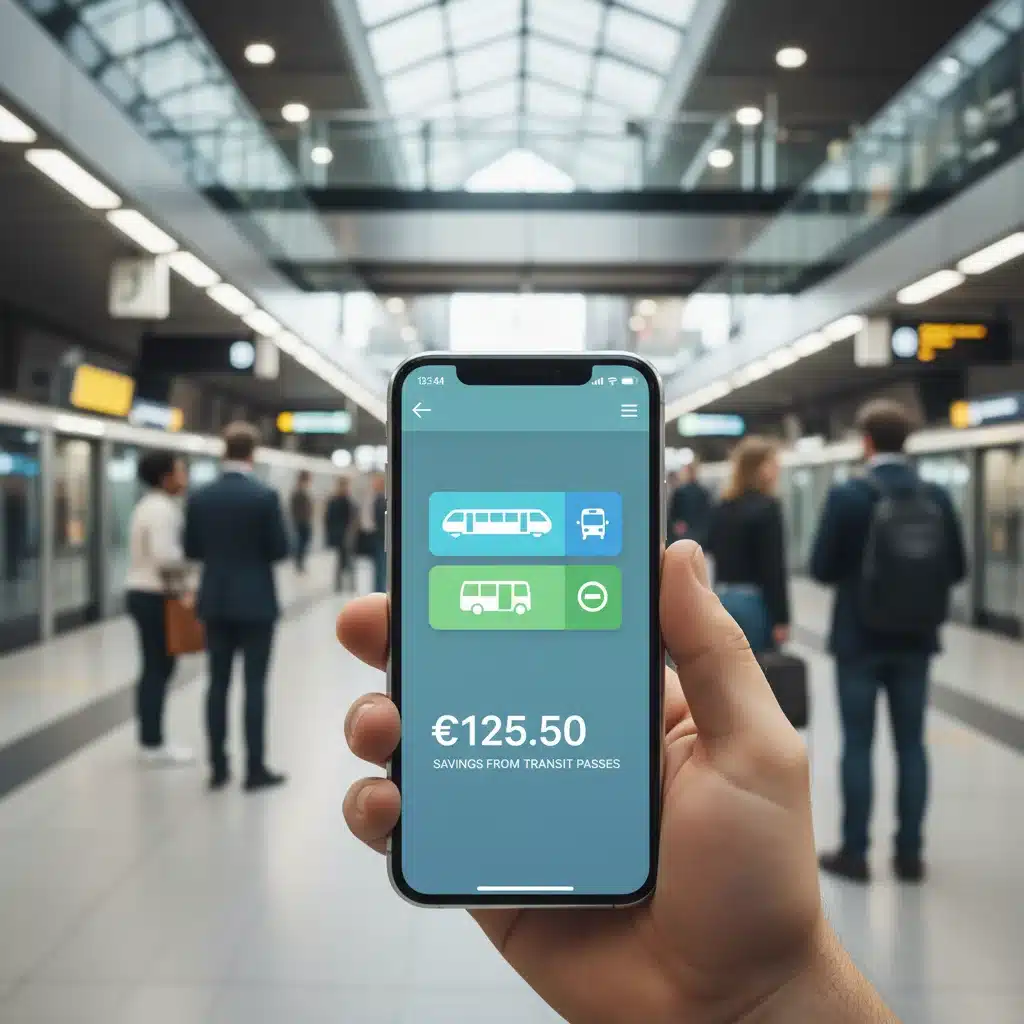
Enrollment is often done online through a benefits portal. You’ll specify your monthly deduction amount, and this will be automatically deducted from your paycheck before taxes. The funds are then loaded onto a dedicated debit card or provided as vouchers, depending on the program administrator.
5. Using Your Benefits
The most common way to use commuter benefits is through a pre-loaded debit card, similar to a flexible spending account (FSA) card. This card can be used directly at transit vending machines, fare box readers, or parking facilities that accept major credit/debit cards. Some programs might issue vouchers for specific transit providers. Always keep receipts, as you might need them for verification, although most card-based systems handle this automatically.
Maximizing Your Savings with Commuter Benefits 2026
While the basic premise is simple, there are strategies you can employ to ensure you’re getting the most out of your commuter benefits 2026.
Accurate Expense Tracking
Regularly track your monthly commuting expenses. This will help you set an appropriate pre-tax deduction amount. Don’t just guess; look at your actual spending on transit passes, parking receipts, etc. This prevents over-contributing, which, while not losing the money (it typically rolls over), can tie up funds that might be needed elsewhere.
Understanding Rollover Rules
Unlike some other pre-tax accounts (like certain FSAs), commuter benefits typically have more flexible rollover rules. Unused funds generally roll over from month to month and year to year, as long as you remain employed by the company offering the benefit. However, if you leave your job, any unused funds are usually forfeited. This makes accurate contribution planning even more important.
Combining Benefits
If you use both public transit and parking, make sure you’re contributing to both categories up to the maximum allowed limits. For example, if you drive to a train station and then take the train, you can use pre-tax dollars for both the parking at the station and the train fare, potentially doubling your monthly savings.
Reviewing Your Elections Annually
Life circumstances change, and so do commuting patterns. During your employer’s annual open enrollment period, or if you have a qualifying life event (e.g., moving closer to work, changing transit routes), review and adjust your commuter benefit elections. This ensures your contributions align with your current needs and the latest IRS limits for commuter benefits 2026.
Benefits for Employers: Why Offer Commuter Programs?
While this guide primarily focuses on employee benefits, it’s worth noting that offering commuter benefit programs is also highly advantageous for employers. Understanding these benefits can sometimes help employees advocate for their implementation if they are not currently offered.
Payroll Tax Savings
Employers save on payroll taxes (Social Security and Medicare matching contributions) for every dollar an employee contributes to a commuter benefit program. This is because these contributions are deducted before payroll taxes are calculated. These savings can add up, making the program a cost-effective benefit to offer.
Employee Attraction and Retention
In a competitive job market, comprehensive benefits packages are a key differentiator. Offering robust commuter benefits 2026 can significantly enhance an employer’s appeal, helping to attract top talent and improve employee satisfaction and retention. Employees appreciate benefits that directly impact their financial well-being.
Environmental and Community Impact
By encouraging the use of public transportation and vanpooling, commuter benefits contribute to reduced traffic congestion, lower carbon emissions, and a smaller environmental footprint. This aligns with corporate social responsibility initiatives and can positively impact an employer’s public image.

Improved Employee Morale and Productivity
A less stressful and more affordable commute can lead to happier, more productive employees. When employees aren’t constantly worried about the financial burden of getting to work or dealing with frustrating traffic, they can focus more on their jobs. This indirect benefit can have a profound positive impact on the workplace.
Common Questions and Misconceptions about Commuter Benefits
Despite their widespread availability, some common questions and misconceptions persist regarding commuter benefits. Let’s address a few.
Are these benefits taxable if I don’t use them all?
No, the funds themselves are not taxable if they roll over. However, as mentioned, if you leave your employer, you typically forfeit any unused balance. The benefit of pre-tax deductions is realized at the time of the payroll deduction, not when the funds are spent.
Can I use commuter benefits for gas?
No, gas expenses for personal vehicles are not eligible for pre-tax commuter benefits. The benefit is specifically for mass transit, vanpooling, and qualified parking expenses.
What if my employer doesn’t offer them?
If your employer doesn’t offer these benefits, you can certainly approach your HR department or management. Presenting the advantages for both employees (tax savings, reduced stress) and the company (payroll tax savings, improved morale) can be a persuasive argument. Many benefits providers specialize in setting up and administering these programs, making it relatively easy for employers to implement.
Do I need to submit receipts for every transaction?
This depends on the program administrator. Most modern commuter benefit programs use debit cards that automatically track eligible transactions, reducing the need for manual receipt submission. However, it’s always wise to keep receipts for larger purchases or if you encounter any issues with a transaction, just in case proof is required.
Can I change my election amount mid-year?
Generally, you can change your election amount for commuter benefits monthly, which offers more flexibility compared to other pre-tax accounts like FSAs. This flexibility is a significant advantage, allowing you to adjust your contributions as your commuting needs or costs change throughout the year. Always confirm your employer’s specific policies regarding election changes.
The Future of Commuting and Commuter Benefits
As workplaces continue to adapt to hybrid models and evolving urban landscapes, the role of commuter benefits 2026 will likely expand. There’s a growing conversation around integrating more sustainable and flexible transportation options into these programs. While changes to IRS regulations can be slow, the trend towards supporting diverse commuting methods is undeniable.
We might see future discussions around:
- Broader eligibility for micro-mobility: As e-scooters and bike-sharing programs become more prevalent, there could be a push to include these as eligible expenses.
- Integration with remote work: While commuter benefits are inherently tied to physical commuting, there might be innovative ways to support employees with occasional office visits or to reallocate funds to other well-being benefits.
- Enhanced digital solutions: Further advancements in mobile apps and digital payment systems will make managing and using commuter benefits even more seamless.
For now, focusing on the existing benefits is the most direct path to savings. Staying informed about legislative changes and employer offerings will ensure you remain at the forefront of maximizing your financial well-being.
Conclusion: Make Commuter Benefits Work for You in 2026
The opportunity to save up to $300 monthly on transportation costs with pre-tax dollars through commuter benefits 2026 is a significant financial advantage that no eligible employee should overlook. By understanding how these programs work, staying informed about the latest IRS limits, and actively managing your contributions, you can reduce your taxable income, increase your take-home pay, and alleviate the financial burden of your daily commute.
Whether you rely on public transit, drive and pay for parking, or utilize vanpool services, these benefits are designed to support you. Engage with your HR department, review your options, and make a conscious effort to leverage this powerful tool. A smarter commute isn’t just about getting from point A to point B; it’s about making financially intelligent choices that contribute to your overall economic health. Don’t leave money on the table – embrace the full potential of commuter benefits in 2026.