US Economic Forecast 2026: 2.5% GDP Growth Predicted
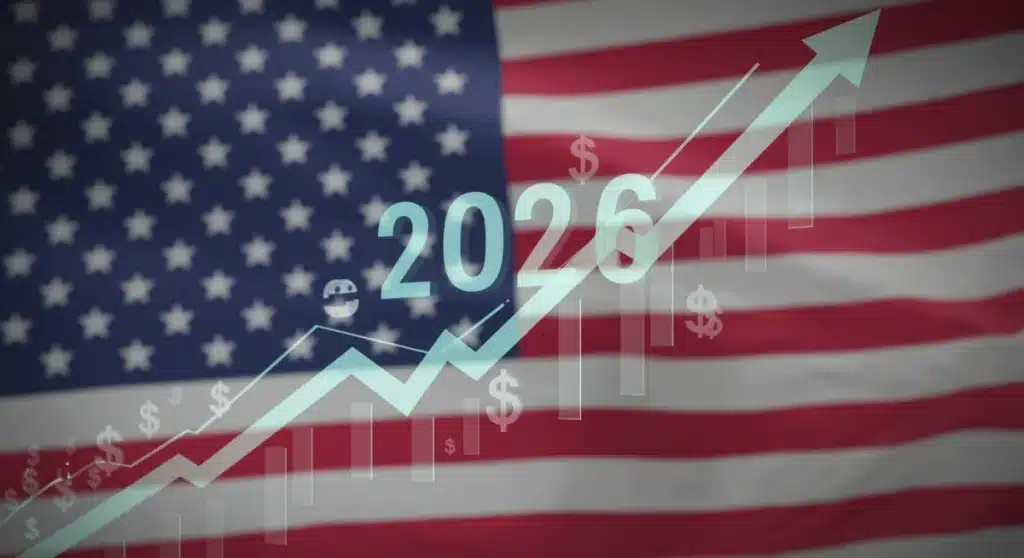
An exclusive report: The latest economic forecast for 2026 predicts 2.5% GDP growth for the United States, indicating a steady, albeit moderate, expansion driven by key domestic and international factors.
An exclusive report: The latest economic forecast for 2026 predicts 2.5% GDP growth for the United States, painting a picture of cautious optimism. This projection suggests a continued, albeit moderated, expansion for the nation’s economy. Understanding the forces behind this forecast is crucial for businesses, policymakers, and individuals alike. What does this mean for the everyday American, and what factors are shaping this economic trajectory?
Understanding the 2.5% GDP growth projection
The projection of 2.5% GDP growth for the United States in 2026 signifies a period of consistent, if not booming, economic expansion. This figure is a carefully calculated estimate, reflecting a complex interplay of various economic indicators and expert analyses. It suggests that while the economy will continue to expand, the pace might be more measured compared to periods of rapid recovery or intense growth.
This forecast is typically derived from comprehensive models that consider a wide array of data points. These include consumer spending habits, business investment levels, government policies, and global economic conditions. A 2.5% growth rate is generally considered healthy, indicating a stable environment for job creation and business development without necessarily overheating the economy.
Key drivers of economic expansion
Several fundamental factors are expected to contribute significantly to the anticipated 2.5% GDP growth. These drivers form the backbone of the US economy and their sustained performance is critical for meeting the forecast.
- Resilient consumer spending: Despite inflationary pressures, American consumers have largely maintained their spending habits, supported by a strong labor market.
- Business investment in technology: Companies are continuing to invest in digital transformation and automation, boosting productivity and innovation.
- Government infrastructure spending: Ongoing federal initiatives aimed at improving infrastructure are providing a significant fiscal stimulus.
- Stable housing market: While interest rates have fluctuated, the underlying demand for housing remains robust, contributing to construction and related sectors.
These elements combine to create a foundation for sustained economic activity. The resilience of consumer spending, in particular, often acts as a primary engine for growth, as it directly translates into demand for goods and services across various industries.
In essence, the 2.5% GDP growth projection is not merely a number but a reflection of the underlying health and dynamism of the American economy. It points to an environment where innovation, consumer confidence, and strategic investments are expected to converge, fostering a steady path forward for the nation.
Factors influencing the 2026 economic outlook
The economic outlook for 2026 is shaped by a confluence of domestic and international factors, each carrying its own weight in determining the trajectory of the US economy. Understanding these influences is essential for grasping the nuances of the 2.5% GDP growth prediction. From monetary policy to geopolitical tensions, a broad spectrum of elements will play a critical role.
Domestically, the Federal Reserve’s interest rate decisions will continue to be a primary determinant. The balance between curbing inflation and supporting economic growth is delicate, and any shifts in policy could have significant ripple effects. Additionally, the labor market’s strength, wage growth, and consumer confidence levels will directly impact spending and investment.
Global economic conditions and trade
The US economy does not operate in isolation. Global economic conditions, particularly in major trading partners, will inevitably influence domestic performance. A slowdown in key international markets could dampen export demand, while robust global growth could provide a tailwind.
- International trade agreements: The outcome of ongoing or new trade negotiations can open or close markets for American goods and services.
- Geopolitical stability: Conflicts or political instability in other regions can disrupt supply chains and commodity prices, affecting US businesses and consumers.
- Currency fluctuations: The strength of the US dollar relative to other currencies impacts the competitiveness of American exports and the cost of imports.
- Global inflation trends: Inflationary pressures abroad can spill over into the US economy, influencing domestic pricing and monetary policy.
These international dynamics underscore the interconnectedness of the modern global economy. US businesses and policymakers must remain vigilant to these external forces, adapting strategies to mitigate risks and capitalize on opportunities. The interaction between domestic resilience and global volatility will largely define the economic narrative for 2026.
Ultimately, the 2026 economic outlook is a product of ongoing adjustments and responses to a constantly evolving landscape. The 2.5% GDP growth forecast reflects an expectation of continued adaptability and strategic management in the face of these complex influencing factors.
Key sectors driving US economic growth
While the 2.5% GDP growth forecast for 2026 is a national average, it is important to recognize that certain sectors are expected to be primary drivers of this expansion. These industries often exhibit higher rates of innovation, investment, or consumer demand, contributing disproportionately to overall economic health. Identifying these sectors provides a more granular understanding of the projected growth.
Technology, healthcare, and renewable energy are consistently cited as leading contributors. These sectors benefit from strong underlying trends, including ongoing digital transformation, an aging population, and a global push towards sustainability. Their continued expansion is crucial for maintaining the projected growth trajectory.
Technology and digital transformation
The technology sector continues to be a powerhouse of innovation and economic activity. Digital transformation initiatives across all industries are fueling demand for software, hardware, and IT services. This pervasive integration of technology is not only creating new markets but also enhancing productivity in traditional sectors.
- Artificial intelligence (AI) and machine learning: Rapid advancements and adoption of AI technologies are opening new frontiers in efficiency and product development.
- Cloud computing: The ongoing migration to cloud-based solutions continues to drive significant investment and infrastructure development.
- Cybersecurity: As digital reliance grows, so does the demand for robust cybersecurity solutions, making it a critical growth area.
- E-commerce and digital services: The sustained shift towards online consumption and digital service delivery continues to expand this segment.
The ripple effect of technological advancements extends far beyond the tech industry itself, boosting productivity and creating new business models across the economy. This dynamism makes technology a cornerstone of the US economic forecast 2026.

Healthcare and biotechnology advancements
The healthcare sector, bolstered by an aging population and continuous scientific breakthroughs, is another significant contributor. Biotechnology, in particular, is experiencing rapid growth, driven by research and development in areas like personalized medicine and gene therapies.
The demand for healthcare services, medical devices, and pharmaceutical products remains robust, providing a stable foundation for growth. Investment in research and development within this sector is not only improving public health outcomes but also creating high-value jobs and intellectual property.
The projected 2.5% GDP growth for the US in 2026 is therefore a result of targeted strengths within these high-performing sectors, alongside broader economic stability. Their ability to innovate and expand will be vital in realizing the overall economic objectives.
Challenges and potential headwinds for 2026
While the US economic forecast 2026 predicts a respectable 2.5% GDP growth, it is imperative to acknowledge the potential challenges and headwinds that could temper this optimism. Economic projections are inherently subject to unforeseen variables, and a realistic assessment requires considering both positive and negative influences. Navigating these obstacles will be critical for maintaining the projected growth trajectory.
Inflationary pressures, supply chain vulnerabilities, and labor market dynamics represent some of the most prominent concerns. Each of these elements has the potential to either slow down economic activity or introduce instability, requiring careful monitoring and proactive policy responses.
Persistent inflationary pressures
Despite recent efforts to control it, inflation remains a significant challenge. Elevated prices for goods and services can erode consumer purchasing power, reducing overall demand and potentially leading to a slowdown in economic growth. The Federal Reserve’s ongoing battle against inflation involves delicate decisions that impact interest rates and credit availability.
- Energy price volatility: Global energy markets are subject to geopolitical events and supply disruptions, which can lead to unpredictable price swings.
- Wage-price spiral risk: Sustained wage increases, while beneficial for workers, could contribute to further inflation if not matched by productivity gains.
- Housing costs: High housing prices and rents continue to strain household budgets, impacting discretionary spending.
The persistence of inflation could necessitate further monetary tightening, which, while aimed at stabilizing prices, also carries the risk of dampening investment and consumption.
Supply chain resilience and geopolitical risks
The fragility of global supply chains was starkly exposed in recent years, and while improvements have been made, vulnerabilities persist. Disruptions due to natural disasters, geopolitical conflicts, or trade disputes can lead to shortages and increased costs, affecting manufacturing and retail sectors.
Geopolitical risks, such as ongoing conflicts or rising international tensions, can also have far-reaching economic consequences. These include disruptions to trade routes, increased defense spending, and reduced investor confidence, all of which can weigh on economic performance. The interconnectedness of the global economy means that events far from US borders can still have a profound impact domestically.
Addressing these challenges requires a multi-faceted approach, combining robust economic policies with strategic international diplomacy. The ability to mitigate these headwinds will be crucial for the United States to achieve its projected 2.5% GDP growth in 2026.
Policy implications and government response
The exclusive report: The latest economic forecast for 2026 predicts 2.5% GDP growth for the United States carries significant implications for policymakers and necessitates a strategic government response. To support this projected growth and mitigate potential risks, both fiscal and monetary policies will need to be carefully calibrated. The actions taken by government bodies can either bolster economic stability or inadvertently create new challenges.
The Federal Reserve will continue to play a pivotal role in managing monetary policy, specifically through its decisions on interest rates. Concurrently, fiscal policies, including government spending and taxation, will be instrumental in shaping the economic landscape. A coordinated approach between these two arms of economic management is often the most effective route.
Monetary policy and interest rates
The Federal Reserve’s primary mandate is to maintain price stability and maximize employment. In the context of a 2.5% GDP growth forecast, the Fed will likely continue to monitor inflation closely. Their decisions on interest rates will aim to strike a balance between cooling inflationary pressures and avoiding an economic downturn.
- Inflation targeting: The Fed will likely continue its efforts to bring inflation back to its long-term target, which could involve measured adjustments to the federal funds rate.
- Forward guidance: Clear communication from the Fed about its future policy intentions can help stabilize markets and shape economic expectations.
- Quantitative easing/tightening: The Fed’s balance sheet policies will also influence liquidity in the financial system, impacting borrowing costs and investment.
Any abrupt shifts in monetary policy could have significant ramifications, making transparency and predictability key elements of effective central bank action.
Fiscal policy and government spending
On the fiscal side, government spending and tax policies will remain crucial for supporting economic growth. Investments in infrastructure, education, and research and development can enhance long-term productivity and competitiveness. However, these initiatives must be balanced against concerns about national debt and fiscal sustainability.
Policymakers will also need to consider targeted support for vulnerable sectors or populations, ensuring that the benefits of economic growth are broadly shared. Debates around tax reforms, social safety nets, and regulatory frameworks will continue to shape the business environment and consumer confidence.
Ultimately, the government’s response to the 2026 economic forecast will involve a dynamic interplay of various policy tools. The goal is to foster a stable and prosperous environment that allows the US economy to achieve and potentially exceed the projected 2.5% GDP growth.
Impact on businesses and consumers
The exclusive report: The latest economic forecast for 2026 predicts 2.5% GDP growth for the United States has direct and tangible impacts on both businesses and consumers. A moderate growth rate suggests a stable environment, but it also necessitates strategic planning and adaptation. Understanding these implications is crucial for making informed decisions in the coming years.
For businesses, this forecast can influence investment decisions, hiring strategies, and market expansion plans. For consumers, it affects employment opportunities, purchasing power, and overall financial well-being. The 2.5% growth rate implies a continued, albeit not booming, period of economic activity that will shape daily lives and corporate strategies.
Opportunities and challenges for businesses
Businesses can expect a relatively stable operating environment, which provides opportunities for strategic growth. However, they will also face challenges related to labor costs, supply chain management, and evolving consumer demands.
- Investment in efficiency: Companies may prioritize investments in automation and technology to enhance productivity and offset rising labor costs.
- Market expansion: Steady economic growth supports continued consumer demand, creating opportunities for businesses to expand into new markets or introduce new products.
- Talent acquisition: A strong labor market means competition for skilled workers remains high, requiring businesses to offer competitive wages and benefits.
- Supply chain diversification: To mitigate risks, businesses may continue efforts to diversify their supply chains, reducing reliance on single sources or regions.
The ability of businesses to innovate and adapt to changing economic conditions will be paramount in leveraging the opportunities presented by the 2.5% GDP growth.
Consumer spending and employment outlook
For consumers, the 2.5% GDP growth forecast generally translates into a positive employment outlook. A growing economy typically supports job creation and can lead to wage increases, enhancing household incomes.
However, consumer spending will also be influenced by inflation. If inflation remains elevated, even with wage growth, real purchasing power could be constrained. This makes budgeting and financial planning particularly important for households.
The stability implied by the 2.5% growth rate means that major economic shocks are less likely, providing a degree of confidence for long-term financial planning, such as home purchases or retirement savings. However, consumers will need to remain mindful of their personal financial situations and adapt to any shifts in price levels.
In summary, the projected 2.5% GDP growth in 2026 presents a mixed bag of opportunities and challenges for both businesses and consumers. Strategic foresight and adaptability will be key to thriving within this economic landscape.
Long-term economic trends and sustainability
Looking beyond the immediate US economic forecast 2026 predicts 2.5% GDP growth for the United States, it is crucial to consider the broader long-term economic trends and the sustainability of this growth. While a 2.5% expansion is healthy in the near term, the nation’s long-term prosperity hinges on addressing systemic issues and fostering sustainable development. This involves examining demographic shifts, environmental considerations, and the evolution of global economic power.
The pursuit of sustainable growth requires a focus on factors that can ensure economic resilience and equity for future generations. This includes investments in human capital, renewable energy, and infrastructure that can withstand the impacts of climate change and technological disruption.
Demographic shifts and labor force evolution
Demographic trends, such as an aging population and changing birth rates, will significantly impact the labor force and productivity in the long run. A shrinking or aging workforce can put pressure on social security systems and potentially slow down economic growth if not addressed through immigration, automation, or increased labor force participation rates.
- Workforce automation: The increasing adoption of automation and artificial intelligence will reshape job markets, requiring continuous upskilling and reskilling of workers.
- Gig economy growth: The rise of the gig economy and flexible work arrangements will continue to transform traditional employment models.
- Educational reforms: Investments in education and vocational training are essential to equip the future workforce with the skills needed for emerging industries.
Addressing these demographic shifts proactively will be vital for maintaining a dynamic and productive labor force capable of supporting sustained economic expansion.
Transition to a green economy
The global push towards sustainability and climate change mitigation presents both challenges and immense opportunities for the US economy. The transition to a green economy involves significant investments in renewable energy, energy efficiency, and sustainable infrastructure. While this transition may entail initial costs, it promises long-term benefits in terms of energy security, environmental health, and new economic sectors.
Innovation in green technologies can create new industries, jobs, and export opportunities, positioning the US as a leader in the global sustainable economy. Policies that incentivize green investments and discourage carbon-intensive activities will be crucial in facilitating this transition.
Ultimately, the long-term sustainability of the US economy, beyond the 2026 forecast, will depend on its ability to adapt to demographic changes, embrace technological advancements, and lead the charge towards a more environmentally responsible and equitable economic model.
| Key Point | Brief Description |
|---|---|
| 2.5% GDP Growth | Projected steady economic expansion for the United States in 2026. |
| Key Drivers | Consumer spending, tech investment, and government infrastructure initiatives. |
| Challenges Ahead | Inflation, supply chain vulnerabilities, and geopolitical risks. |
| Policy Response | Coordinated fiscal and monetary policies to support sustainable growth. |
Frequently Asked Questions About the 2026 US Economic Forecast
A 2.5% GDP growth suggests a stable economy, which often translates to consistent job creation, potential wage increases, and a generally positive environment for personal finances. It indicates a healthy, yet not excessively rapid, economic expansion.
Economic forecasts are based on complex models and current data, making them generally reliable for near-term projections. However, they are always subject to change due to unforeseen global events, policy shifts, or significant market disruptions. It serves as a strong indicator, not a guarantee.
The technology, healthcare, and renewable energy sectors are anticipated to be primary beneficiaries. These industries are driven by innovation, demographic shifts, and global sustainability goals, positioning them for significant contributions to the overall GDP.
Key risks include persistent inflationary pressures, potential disruptions in global supply chains, and geopolitical instability. These factors could impact consumer spending, business investment, and overall economic stability, posing challenges to the projected growth.
Both monetary policy (Federal Reserve interest rate decisions) and fiscal policy (government spending and taxation) will significantly influence the economic outcome. Coordinated policies aimed at balancing inflation control with growth stimulation will be crucial for achieving the forecast.
Conclusion
The exclusive report: The latest economic forecast for 2026 predicts 2.5% GDP growth for the United States offers a balanced perspective on the nation’s economic future. This projection, rooted in a careful analysis of various indicators, suggests a period of moderate yet stable expansion. While consumer resilience, technological advancements, and strategic investments are expected to drive this growth, potential headwinds such as inflation and geopolitical uncertainties demand vigilant monitoring. Both businesses and consumers will need to adapt to this evolving landscape, making informed decisions that align with the anticipated economic trajectory. Ultimately, achieving and sustaining this growth will depend on proactive policy measures and the continued adaptability of the American economy to both domestic and global forces.