Boosting Student Engagement: Practical K-12 Classroom Solutions
Boosting Student Engagement: Practical Solutions for K-12 Classrooms with a 15% Improvement Goal for 2026
In the dynamic landscape of K-12 education, keeping students actively involved and invested in their learning is more crucial than ever. The challenge of maintaining high levels of student engagement is a constant for educators worldwide. This comprehensive guide delves into practical, research-backed student engagement strategies designed to not only capture but sustain student attention and enthusiasm. Our ambitious goal is to help educators achieve a measurable 15% improvement in student participation and learning outcomes by 2026. By implementing the insights and techniques discussed here, teachers can transform their classrooms into vibrant hubs of active learning, fostering deeper understanding and a lifelong love for education.
Understanding the Core of Student Engagement
Before diving into specific student engagement strategies, it’s essential to define what student engagement truly means. It’s more than just active participation; it encompasses a student’s willingness to invest effort, attention, and emotion into their learning. Engaged students are intrinsically motivated, ask questions, contribute to discussions, and persist through challenges. Disengaged students, on the other hand, may be physically present but mentally absent, leading to reduced academic performance and increased behavioral issues. Recognizing the signs of disengagement early is the first step toward implementing effective interventions.
The Three Dimensions of Engagement
- Behavioral Engagement: This refers to a student’s participation in academic and extracurricular activities. It includes attending class, completing homework, participating in discussions, and adhering to school rules. High behavioral engagement often correlates with better academic outcomes.
- Emotional Engagement: This dimension involves a student’s affective reactions to school, teachers, and peers. Engaged students feel a sense of belonging, interest, happiness, and excitement about learning. Conversely, feelings of boredom, anxiety, or alienation indicate low emotional engagement.
- Cognitive Engagement: This is perhaps the deepest form of engagement, reflecting a student’s investment in understanding and mastering academic tasks. It involves strategic thinking, problem-solving, self-regulation, and a willingness to exert effort to comprehend complex ideas.
To truly boost student engagement strategies, educators must address all three dimensions. A holistic approach ensures that students are not just going through the motions, but are genuinely invested in their educational journey.
The Impact of Low Engagement on Learning Outcomes
The ramifications of low student engagement extend far beyond a quiet classroom. Disengaged students are more likely to struggle academically, exhibit behavioral problems, and ultimately drop out of school. Studies consistently show a strong correlation between engagement levels and academic achievement, attendance rates, and overall well-being. When students are not engaged, they miss critical learning opportunities, fall behind their peers, and develop a negative perception of school. This cycle of disengagement can be difficult to break, highlighting the urgency for effective student engagement strategies.
Long-Term Consequences
Beyond immediate academic struggles, chronic disengagement can lead to a lack of critical thinking skills, reduced problem-solving abilities, and a diminished capacity for lifelong learning. In today’s rapidly evolving world, these are indispensable skills. By fostering engagement, we are not just improving grades; we are preparing students to be adaptable, curious, and resilient individuals ready to face future challenges.
Setting a Clear Goal: 15% Improvement by 2026
An ambitious yet achievable goal is crucial for any improvement initiative. Our target of a 15% improvement in student engagement by 2026 provides a clear benchmark for success. This goal isn’t just about numbers; it’s about seeing more students actively participating, showing greater enthusiasm, and achieving better learning outcomes. To measure this improvement, educators can utilize various metrics:
- Attendance Rates: A direct indicator of behavioral engagement.
- Class Participation: Observing and tracking the frequency and quality of student contributions.
- Completion Rates: Monitoring homework and project submission rates.
- Formative Assessments: Using quizzes and in-class activities to gauge understanding and effort.
- Student Surveys: Directly asking students about their feelings and perceptions of learning.
- Teacher Observations: Systematic recording of student behaviors, interactions, and expressions of interest.
Regularly tracking these metrics will allow educators to assess the effectiveness of their chosen student engagement strategies and make necessary adjustments. This data-driven approach ensures that efforts are targeted and impactful.
Practical Student Engagement Strategies for K-12 Classrooms
Now, let’s explore a range of practical and actionable student engagement strategies that can be implemented across K-12 classrooms. These strategies are categorized for clarity, though many overlap and complement each other.
1. Fostering a Positive and Inclusive Classroom Environment
A safe, respectful, and inclusive classroom is the foundation for engagement. Students are more likely to participate when they feel valued, supported, and free from judgment.
- Build Strong Relationships: Get to know your students individually. Understand their interests, strengths, and challenges. Greet them at the door, engage in informal conversations, and show genuine care. A strong teacher-student bond significantly boosts emotional engagement.
- Establish Clear Expectations: Clearly communicate classroom rules and academic expectations. When students know what is expected of them, they feel more secure and are better able to focus on learning.
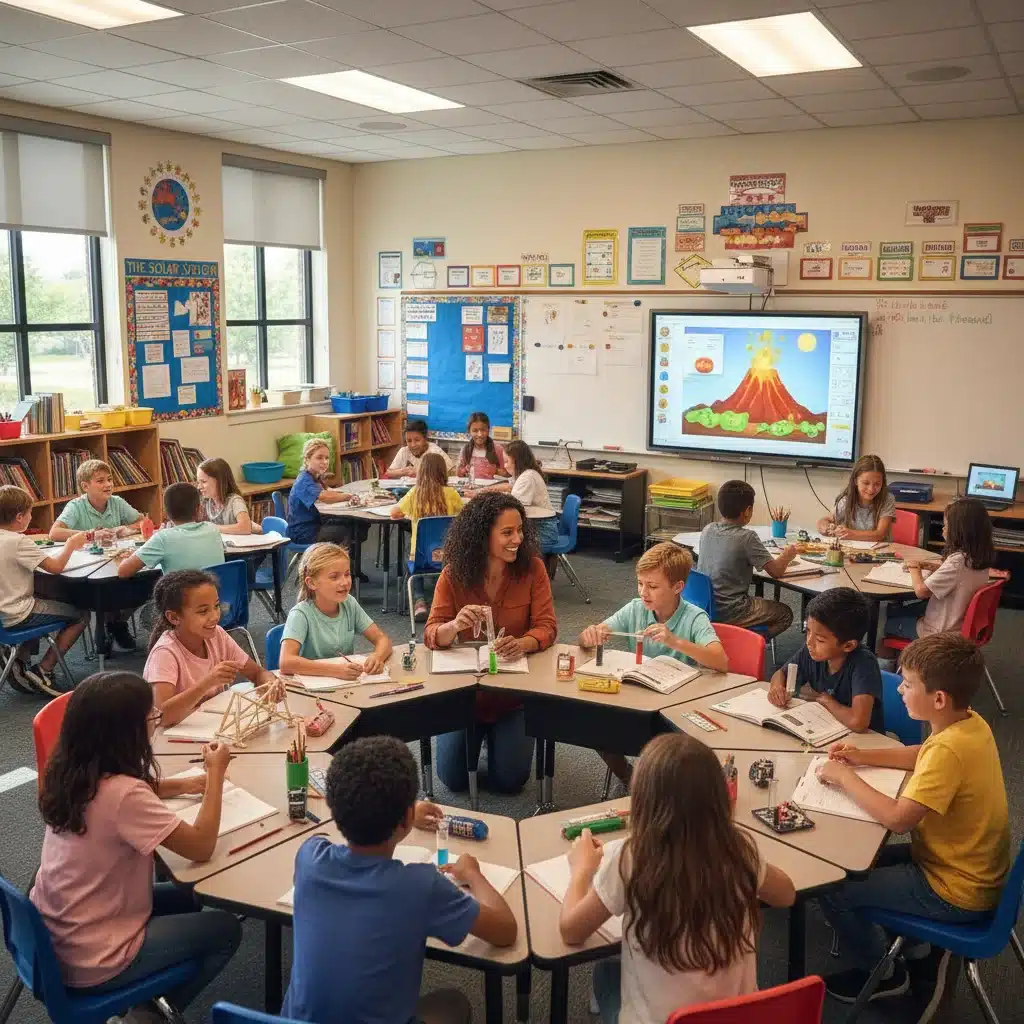
- Promote Peer Collaboration: Design activities that require students to work together. Group projects, peer tutoring, and collaborative problem-solving foster a sense of community and shared responsibility. This is a powerful student engagement strategy.
- Celebrate Diversity: Incorporate diverse perspectives and cultures into your curriculum. Ensure all students see themselves reflected in the learning materials and feel their unique backgrounds are valued.
- Create a Physically Inviting Space: Organize the classroom to be conducive to learning. Consider flexible seating options, accessible materials, and engaging visual displays.
2. Implementing Active Learning Techniques
Passive learning (lectures, rote memorization) often leads to disengagement. Active learning involves students directly in the learning process, requiring them to think, discuss, and create.
- Inquiry-Based Learning: Present students with questions, problems, or scenarios to explore. Encourage them to investigate, formulate hypotheses, and discover answers independently or collaboratively. This taps into natural curiosity.
- Project-Based Learning (PBL): Engage students in extended, real-world projects that require them to apply knowledge and skills to solve complex problems. PBL is an excellent way to integrate multiple subjects and develop critical thinking.
- Gamification: Incorporate game-like elements into lessons, such as points, badges, leaderboards, and challenges. Gamification can make learning fun and motivate students through friendly competition and achievement.
- Think-Pair-Share: A simple yet effective strategy where students first think individually about a question, then discuss their ideas with a partner, and finally share with the larger group. This ensures all students have an opportunity to process and articulate their thoughts.
- Experiential Learning: Provide opportunities for hands-on activities, field trips, simulations, and experiments. Direct experience makes learning more memorable and relevant.
3. Leveraging Technology for Engagement
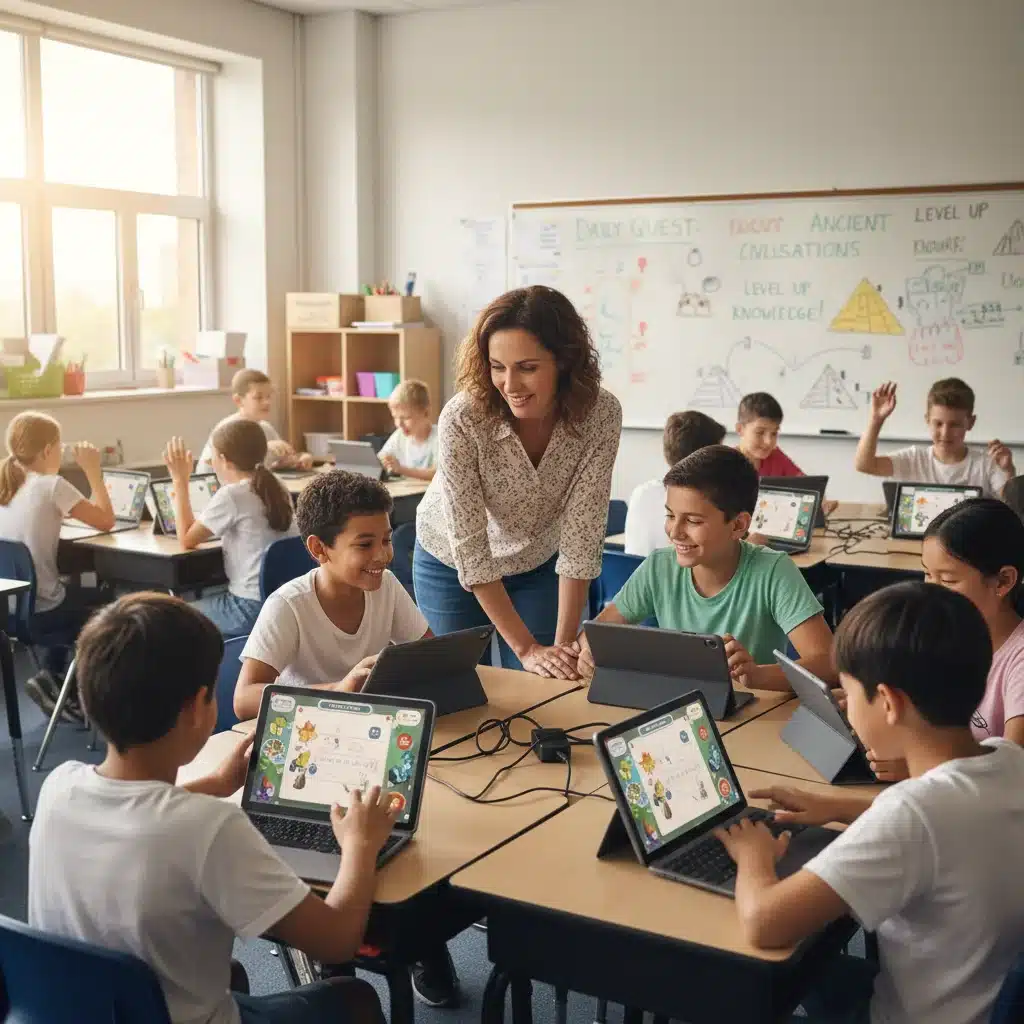
Educational technology offers a plethora of tools to make learning more interactive, personalized, and engaging. Integrating technology thoughtfully can significantly enhance student engagement strategies.
- Interactive Whiteboards and Smart Boards: Use these tools to present dynamic content, annotate lessons in real-time, and facilitate interactive activities.
- Educational Apps and Software: Utilize platforms like Kahoot!, Quizlet, Nearpod, or specific subject-based apps to create engaging quizzes, flashcards, presentations, and collaborative activities.
- Virtual Reality (VR) and Augmented Reality (AR): Immerse students in virtual field trips, historical recreations, or scientific simulations. These technologies can bring abstract concepts to life in powerful ways.
- Online Collaboration Tools: Platforms like Google Workspace or Microsoft 365 enable students to collaborate on documents, presentations, and projects in real-time, fostering teamwork and digital literacy.
- Personalized Learning Platforms: Utilize adaptive learning software that tailors content and pace to individual student needs, ensuring that each student is appropriately challenged and supported.
4. Differentiating Instruction and Providing Choice
Recognizing that students learn in different ways and at different paces is fundamental to engagement. Differentiated instruction and providing choices empower students and cater to their individual needs.
- Multiple Modalities: Present information through various channels – visual, auditory, kinesthetic. Use videos, audio recordings, hands-on manipulatives, and graphic organizers to cater to diverse learning styles.
- Tiered Assignments: Offer assignments of varying complexity or support levels, allowing students to work at their appropriate challenge level while still addressing the same learning objectives.
- Student Choice: Give students options in how they demonstrate their learning (e.g., write an essay, create a presentation, build a model), what topics they explore within a framework, or even where they sit. Choice increases ownership and motivation.
- Flexible Grouping: Group students based on interest, readiness, or learning style for specific tasks, and then regroup them for others. This ensures students receive targeted support and opportunities to collaborate with different peers.
5. Incorporating Real-World Relevance and Authenticity
Students are more engaged when they understand why they are learning something and how it connects to their lives and the world around them. Making learning relevant is a key student engagement strategy.
- Connect to Current Events: Link curriculum content to current news, societal issues, or global challenges. Discuss how historical events or scientific principles relate to today’s world.
- Guest Speakers and Field Trips: Bring in professionals from various fields or take students to relevant sites (museums, businesses, nature centers) to see how academic concepts are applied in real life.
- Authentic Audiences: Have students create products or presentations for a real audience beyond the teacher. This could be a school assembly, a community event, or an online platform.
- Problem-Solving Real-World Issues: Challenge students to identify and propose solutions to problems relevant to their community or the broader world. This fosters critical thinking and a sense of purpose.
6. Providing Constructive Feedback and Opportunities for Self-Reflection
Feedback is essential for learning and motivation. When students understand their strengths and areas for improvement, and have opportunities to reflect on their learning, their engagement deepens.
- Timely and Specific Feedback: Provide feedback promptly, focusing on specific aspects of the student’s work rather than just a grade. Explain what was done well and what can be improved.
- Formative Assessment for Learning: Use low-stakes quizzes, exit tickets, and informal checks for understanding not just to assess, but to inform instruction and provide immediate feedback.
- Peer Feedback: Teach students how to give and receive constructive feedback from their peers. This develops critical analysis skills and encourages collaboration.
- Self-Assessment and Reflection: Encourage students to reflect on their own learning process, identify their strengths, and set goals for improvement. Journaling, portfolios, and self-assessment rubrics can facilitate this.
- Growth Mindset Promotion: Emphasize that intelligence and abilities can grow through effort and dedication. Praise effort and strategy over innate talent to foster resilience and a willingness to tackle challenges.

7. Incorporating Movement and Brain Breaks
Especially for younger K-12 students, prolonged sitting can lead to decreased attention and engagement. Integrating movement and short breaks can refresh minds and bodies.
- Brain Breaks: Implement short, energetic breaks (e.g., stretching, quick dance, mindful breathing) throughout the day to re-energize students and improve focus.
- Movement-Based Learning: Design activities that require students to move around the classroom, such as gallery walks, scavenger hunts, or kinesthetic games to review concepts.
- Flexible Seating: Offer options like standing desks, stability balls, or floor cushions to allow students to choose seating that best supports their focus and comfort.
Measuring Success: Tracking Your 15% Engagement Goal
Achieving a 15% improvement in student engagement strategies by 2026 requires consistent measurement and reflection. It’s not enough to implement strategies; you must also evaluate their impact.
Quantitative Metrics
- Attendance Data: Compare average daily attendance rates before and after implementing new strategies.
- Participation Counts: Systematically track the number of students who volunteer answers, contribute to discussions, or ask questions over a period.
- Assignment Completion Rates: Monitor the percentage of students completing homework, projects, and in-class assignments.
- Behavioral Incident Reports: A decrease in disruptive behaviors can indicate increased engagement.
Qualitative Metrics
- Student Interviews/Focus Groups: Gather direct feedback from students about their learning experiences, what they find engaging, and what could be improved.
- Teacher Observation Checklists: Develop a rubric or checklist to systematically observe and record signs of engagement (e.g., sustained attention, positive affect, collaborative effort).
- Student Journals/Reflections: Ask students to regularly reflect on their learning, challenges, and successes.
- Parent Feedback: Engage parents to understand changes in student attitudes towards school and learning at home.
By combining both quantitative and qualitative data, educators can gain a comprehensive understanding of their progress towards the 15% engagement goal. Regular review of this data will inform continuous improvement of student engagement strategies.
Overcoming Challenges in Boosting Engagement
While the benefits of enhanced student engagement are clear, implementing new strategies can come with challenges. Common hurdles include time constraints, limited resources, student resistance, and varying skill levels among educators.
- Start Small: Don’t try to overhaul everything at once. Pick one or two student engagement strategies to implement each month and build on your successes.
- Professional Development: Invest in ongoing training for teachers to equip them with the skills and confidence to implement new techniques effectively.
- Leverage Peer Support: Create professional learning communities where teachers can share ideas, resources, and support each other in their efforts to boost engagement.
- Communicate with Stakeholders: Share your goals and progress with parents, administrators, and students. Their understanding and support are vital.
- Adapt and Iterate: Not every strategy will work for every student or every classroom. Be prepared to adapt, experiment, and learn from what works and what doesn’t.