Unlocking Student Potential: 5 Data-Driven Strategies for Personalized Learning in 2026
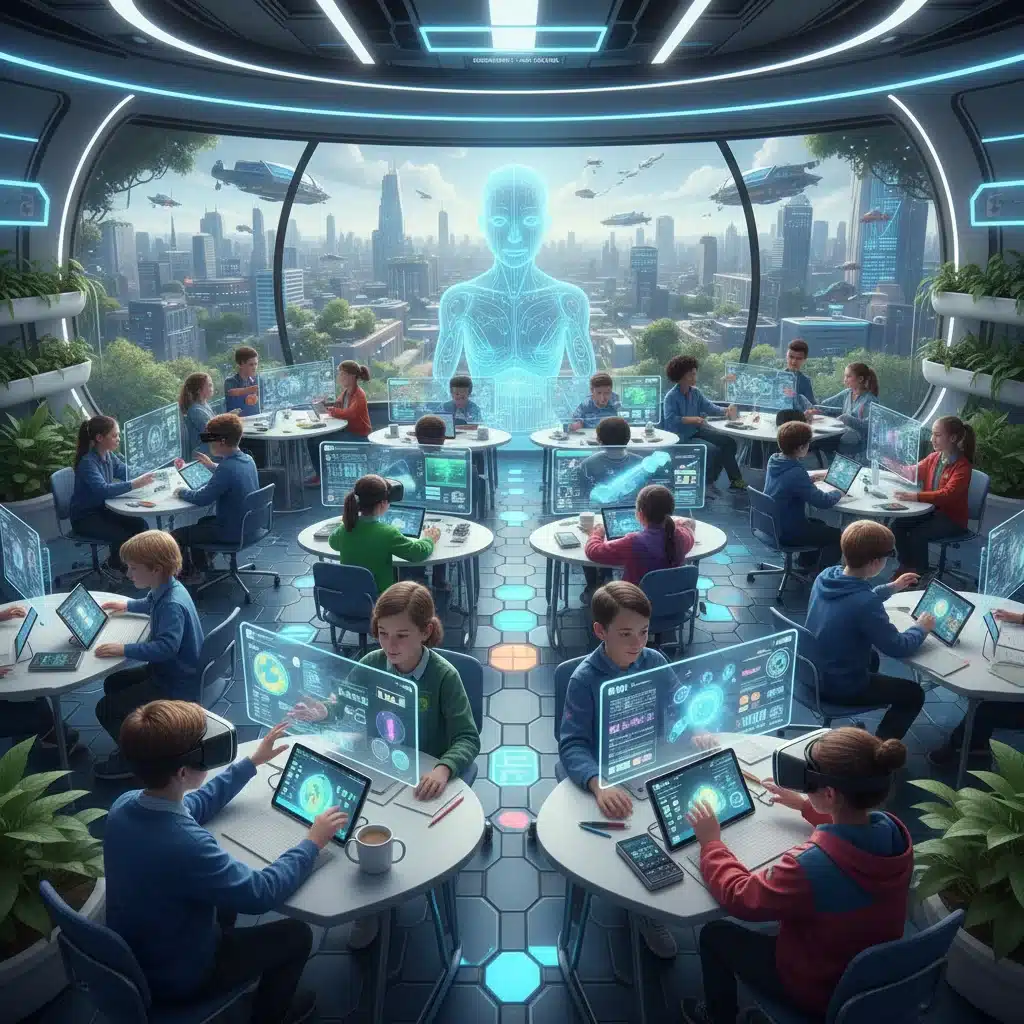
Unlocking Student Potential: 5 Data-Driven Strategies for Personalized Learning in 2026
The landscape of education is constantly evolving, and as we look towards 2026, the imperative to cater to individual student needs has never been stronger. The concept of personalized learning strategies, once a niche pedagogical approach, is now at the forefront of educational innovation. Driven by advancements in technology and a deeper understanding of cognitive science, these strategies promise to unlock unprecedented student potential, fostering engagement, improving academic outcomes, and preparing learners for a rapidly changing world. This article delves into five pivotal data-driven strategies that will define personalized learning in the coming years, offering a roadmap for educators, institutions, and policymakers alike.
The Evolution of Personalized Learning: From Theory to Practice
For decades, educators have aspired to tailor instruction to each student. However, the practicalities of managing diverse learning styles, paces, and interests within a traditional classroom setting proved challenging. The advent of digital tools and, more recently, artificial intelligence and big data analytics, has transformed this aspiration into a tangible reality. Today, personalized learning strategies are not just about differentiating instruction; they are about creating dynamic, adaptive learning environments that respond in real-time to a student’s progress, preferences, and even emotional state.
In 2026, personalized learning will move beyond simply providing different resources to students. It will encompass a holistic approach that considers a student’s cognitive profile, socio-emotional development, and future aspirations. This requires a robust infrastructure of data collection, analysis, and application, ensuring that every educational decision is informed and impactful. The goal is to shift from a ‘one-size-fits-all’ model to a ‘one-size-fits-one’ experience, where each student embarks on a unique, optimized learning journey.
Strategy 1: AI-Powered Adaptive Learning Paths
At the heart of future personalized learning strategies lies AI-powered adaptive learning. This isn’t just about software that adjusts difficulty based on correct answers; it’s about sophisticated algorithms that can dynamically reshape an entire learning path. Imagine a system that understands a student’s foundational knowledge gaps, identifies their preferred learning modalities (visual, auditory, kinesthetic), and even predicts areas where they might struggle before they encounter them. This is the promise of AI in 2026.
These systems will leverage vast datasets of student interactions, performance metrics, and even biometric data (with appropriate ethical safeguards) to create truly individualized curricula. For instance, if a student consistently performs well with visual explanations, the AI will prioritize video lessons and interactive diagrams. If another student excels through hands-on activities, the system will suggest simulations or project-based learning opportunities. The beauty of AI-powered adaptive learning is its ability to continuously optimize the learning experience, ensuring that students are always challenged but never overwhelmed. This continuous adjustment is key to maintaining engagement and fostering a growth mindset.
Furthermore, AI will play a crucial role in providing immediate, targeted feedback. Instead of waiting for a teacher to grade an assignment, students will receive instant insights into their misconceptions, along with resources tailored to address those specific issues. This rapid feedback loop accelerates learning and empowers students to take ownership of their educational journey. The role of the teacher evolves from a disseminator of information to a facilitator and mentor, guiding students through their personalized paths and providing human connection and support that AI cannot replicate.
Strategy 2: Predictive Analytics for Early Intervention
One of the most transformative applications of data in education is predictive analytics. By 2026, personalized learning strategies will heavily rely on these sophisticated tools to identify students at risk of falling behind, disengaging, or encountering academic difficulties long before these issues become critical. This proactive approach allows for early intervention, preventing problems rather than reacting to them.
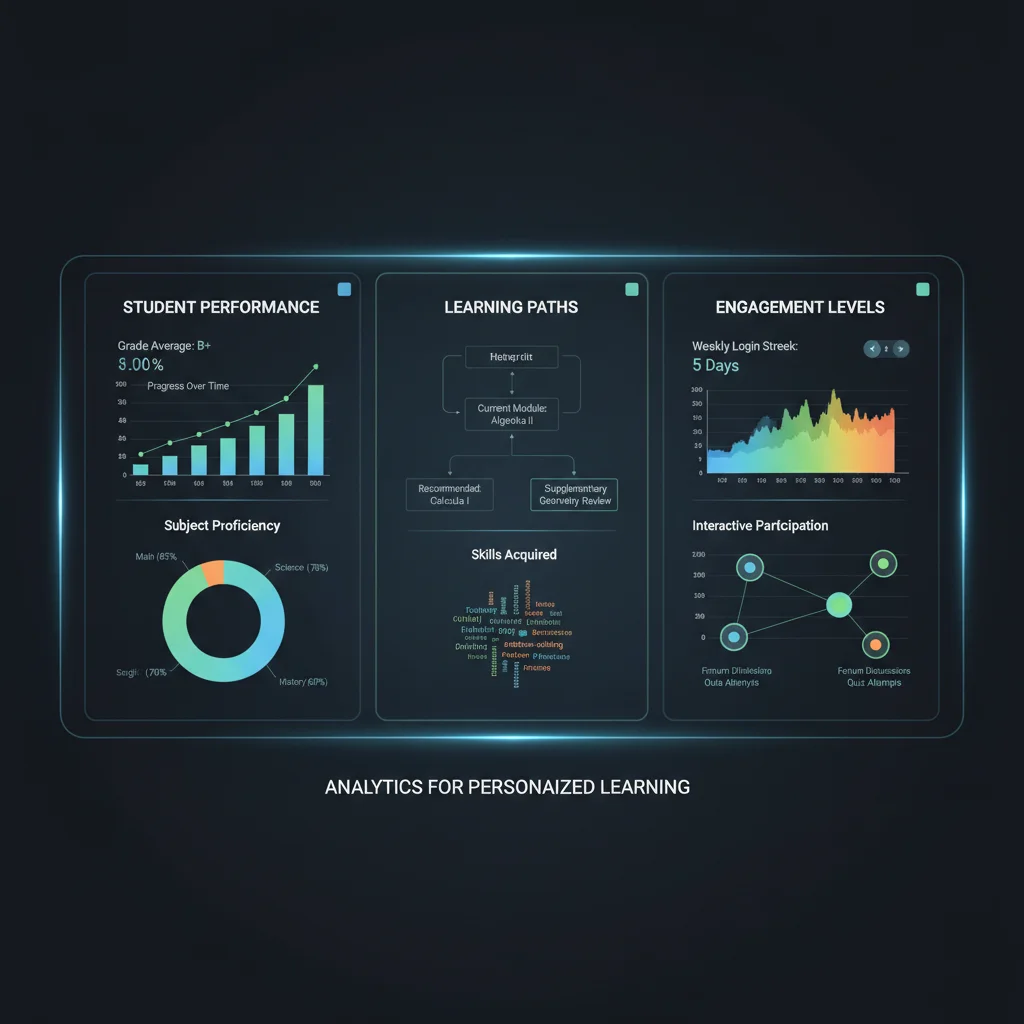
Predictive models will analyze a multitude of data points: attendance records, assignment completion rates, performance on formative assessments, participation in online discussions, and even patterns in their interaction with learning platforms. For example, a sudden drop in login frequency combined with lower scores on quizzes could trigger an alert, prompting educators to reach out to the student. These systems are not designed to label or stigmatize students but to provide actionable insights that enable timely support.
The power of predictive analytics lies in its ability to go beyond simple correlation to identify complex patterns. It can detect subtle shifts in behavior that might indicate a student is struggling with a particular concept, facing personal challenges, or losing motivation. Armed with this information, teachers can offer targeted tutoring, connect students with counseling services, or adjust their learning plan to better suit their current needs. This significantly enhances the effectiveness of personalized learning strategies by ensuring that no student falls through the cracks, maximizing their chances of success.
Strategy 3: Competency-Based Progression and Micro-Credentials
The traditional time-based progression through curriculum is increasingly proving to be an outdated model. In 2026, personalized learning strategies will embrace competency-based progression, where students advance once they have demonstrated mastery of a specific skill or concept, rather than simply spending a set amount of time on a topic. This approach naturally caters to individual learning paces, allowing advanced students to move ahead and those needing more support to receive it without being rushed.
Coupled with competency-based learning is the rise of micro-credentials. Instead of waiting for a degree or a diploma, students will earn verifiable digital badges or certificates for mastering specific skills or completing modules. These micro-credentials provide granular recognition of achievement, making learning more modular, flexible, and directly relevant to workforce needs. For instance, a student might earn a ‘Data Analysis Fundamentals’ micro-credential, which is immediately recognized by employers, even before completing their full degree program.
Data plays a crucial role here by tracking student progress against specific competencies, identifying areas of mastery, and suggesting pathways to acquire new skills. Learning platforms will integrate assessment tools that can accurately gauge competency, using a blend of traditional tests, project-based evaluations, and performance simulations. This shifts the focus from ‘what was taught’ to ‘what was learned’ and ‘what can be done,’ providing a clearer picture of a student’s capabilities and fostering a sense of continuous achievement. This strategy also encourages lifelong learning, as individuals can continually acquire and stack micro-credentials to adapt to new career demands.
Strategy 4: Social-Emotional Learning (SEL) Integration through Data
While academic achievement is paramount, the development of social-emotional skills is equally critical for student success and well-being. In 2026, personalized learning strategies will deeply integrate Social-Emotional Learning (SEL) components, using data to inform and tailor these interventions. Understanding a student’s emotional state, their ability to collaborate, and their self-regulation skills can significantly impact their learning trajectory.
Data collected through various means – self-assessment tools, observational checklists (completed by teachers), peer feedback, and even sentiment analysis of written responses in online forums – can provide insights into a student’s SEL development. For example, if data indicates a student is consistently struggling with group projects, the system might suggest specific modules on conflict resolution or team communication. If another student shows signs of anxiety, the platform could recommend mindfulness exercises or connect them with school counselors.
The integration of SEL data allows for a more holistic personalized learning experience. It recognizes that academic performance is not isolated from a student’s emotional and social well-being. By proactively addressing SEL needs, educators can create more supportive and inclusive learning environments where students feel safe to take risks, express themselves, and develop crucial life skills. This data-driven approach to SEL ensures that interventions are timely, relevant, and genuinely impactful, moving beyond generic SEL programs to truly individualized support.

Strategy 5: Personalized Learning Environments and Choice Architecture
Beyond digital platforms, personalized learning strategies in 2026 will extend to the physical and virtual learning environments themselves. This involves creating flexible spaces and offering students greater autonomy and choice in how, where, and when they learn. Data will inform the design of these environments and the choice architecture presented to students.
Consider a classroom designed with different zones: quiet areas for focused work, collaborative spaces for group projects, and tech-rich stations for digital explorations. Data on student preferences and performance in various settings can help optimize these spaces. For example, if analytics show that a particular student thrives in a quiet environment for complex problem-solving, the system might recommend that they utilize that zone during specific learning activities. Similarly, virtual learning environments will offer customizable dashboards, resource libraries, and communication tools tailored to individual needs.
Choice architecture refers to the way options are presented to students. Instead of a rigid curriculum, students might be offered a selection of projects to demonstrate mastery, different modalities for consuming content (e.g., reading an article, watching a video, listening to a podcast), or various pathways to achieve a learning objective. Data on past choices and their outcomes will inform the system’s recommendations, guiding students towards options that are most likely to lead to success and engagement. This empowers students with agency over their learning, fostering intrinsic motivation and a deeper connection to their educational journey. It transforms learning from a passive reception of information to an active, self-directed exploration, truly embodying the spirit of personalized education.
Challenges and Ethical Considerations in Implementing Personalized Learning Strategies
While the promise of these personalized learning strategies is immense, their implementation is not without challenges. Data privacy and security are paramount concerns. Educational institutions must establish robust frameworks to protect sensitive student data, ensuring transparency in how data is collected, used, and stored. Ethical guidelines must be developed to prevent algorithmic bias, ensuring that AI systems do not inadvertently perpetuate or exacerbate existing inequalities.
Another significant challenge lies in teacher training and professional development. Educators will need new skills to navigate complex data dashboards, interpret predictive analytics, and effectively facilitate highly individualized learning paths. The role of the teacher is evolving, and ongoing support will be crucial to ensure they are equipped to leverage these powerful tools effectively.
Furthermore, equitable access to technology and high-speed internet remains a barrier for many students. For personalized learning to truly unlock potential for all, these foundational disparities must be addressed. Policy initiatives and investment in digital infrastructure are essential to ensure that the benefits of these advanced strategies are universally accessible, not just for a privileged few.
The Future is Now: Preparing for Personalized Learning in 2026
The transition to data-driven personalized learning strategies is not a distant future; it is happening now, and by 2026, these approaches will be mainstream. Educational institutions that embrace these innovations will be better positioned to meet the diverse needs of their students, foster deeper engagement, and prepare them for a future that demands adaptability, critical thinking, and continuous learning. The investment in technology, data infrastructure, and professional development will yield significant returns in terms of student success and societal progress.
The ultimate goal of personalized learning is not just to improve test scores, but to cultivate curious, resilient, and self-directed learners who are empowered to navigate their own paths in an increasingly complex world. By strategically implementing AI-powered adaptive learning, predictive analytics, competency-based progression, SEL integration, and personalized learning environments, we can truly unlock the full potential within every student. The journey towards a truly personalized educational experience is exciting and transformative, promising a brighter future for learners everywhere.
Conclusion: A Paradigm Shift in Education
The year 2026 will mark a significant milestone in the evolution of education, largely defined by the widespread adoption and sophistication of data-driven personalized learning strategies. These five strategies—AI-powered adaptive learning paths, predictive analytics for early intervention, competency-based progression with micro-credentials, social-emotional learning integration, and personalized learning environments—represent a fundamental paradigm shift. They move us beyond the limitations of traditional, uniform instruction towards a dynamic, responsive, and deeply individualized educational experience.
For educators, this means a new toolkit and an evolving role, focusing more on mentorship, guidance, and the human element of learning. For students, it means an education that is more relevant, engaging, and effective, tailored precisely to their unique needs and aspirations. While challenges in data privacy, equitable access, and teacher training must be diligently addressed, the potential rewards are too great to ignore. Embracing these strategies is not merely an upgrade to existing systems; it is an investment in the future of human potential, ensuring that every learner has the opportunity to thrive and contribute meaningfully to society.
The journey ahead requires collaboration among technologists, educators, policymakers, and communities. By working together, we can harness the power of data and innovation to build educational systems that are truly designed for every student, preparing them not just for a career, but for a lifetime of learning and fulfillment. The era of truly personalized education is upon us, and 2026 will be a testament to its transformative power.