Supply Chain Disruptions: Impact on US Consumers Next 6 Months

Exclusive Report: How Recent Supply Chain Disruptions Will Impact US Consumers for the Next 6 Months
The global economy has been a rollercoaster since the onset of the pandemic, and perhaps no aspect has felt the tremors more profoundly than the supply chain. What began as isolated incidents has evolved into a complex web of interconnected challenges, casting a long shadow over consumer confidence and purchasing power. For US consumers, the next six months are poised to bring a confluence of continued challenges, from fluctuating prices to persistent product availability issues. This exclusive report delves deep into the mechanisms behind these disruptions and offers a comprehensive forecast of their supply chain impact on the everyday American.
Understanding the current state of the global supply chain requires acknowledging its intricate nature. It’s not merely about ships and trucks; it involves raw material extraction, manufacturing, labor availability, port efficiency, and last-mile delivery. When any one of these links falters, the entire chain feels the strain. Recent geopolitical events, environmental factors, and lingering effects of the pandemic have exacerbated existing vulnerabilities, creating a perfect storm that will continue to shape the consumer landscape in the United States.
This article will explore the multifaceted ways these disruptions manifest for US consumers, including an analysis of inflationary pressures, product shortages, and potential shifts in consumer behavior. We will also examine the strategies businesses are employing to mitigate these issues and what consumers can do to navigate this challenging period. The goal is to provide a clear, actionable understanding of the supply chain impact that lies ahead.
The Root Causes: A Deeper Dive into Supply Chain Vulnerabilities
To truly grasp the impending supply chain impact, we must first understand its origins. The current wave of disruptions is not a singular event but rather a culmination of several intertwined factors:
1. Geopolitical Tensions and Trade Wars
Ongoing geopolitical tensions have significantly altered global trade routes and relationships. Tariffs, sanctions, and shifting alliances have forced businesses to re-evaluate their sourcing strategies, often leading to increased costs and longer lead times. This recalibration is a slow and expensive process, with the costs inevitably passed down to the consumer. The instability in key manufacturing regions further complicates efforts to stabilize the flow of goods, directly contributing to the anticipated supply chain impact.
2. Labor Shortages Across the Board
From factory workers and port operators to truck drivers and warehouse staff, labor shortages have become a critical bottleneck. The ‘Great Resignation’ and demographic shifts have left crucial sectors understaffed, leading to delays in production, processing, and transportation. This scarcity of labor not only slows down the movement of goods but also drives up wages, which are then factored into the final price of products. The ripple effect of these labor challenges is a significant contributor to the current supply chain impact.
3. Persistent Port Congestion and Shipping Delays
Major global ports continue to experience unprecedented congestion. A surge in demand, coupled with labor shortages and inefficient infrastructure, has led to ships waiting for weeks to unload. This creates a backlog that affects everything from electronics to apparel. The cost of shipping containers has skyrocketed, making international trade more expensive and less predictable. These delays are a direct cause of product scarcity and contribute heavily to the supply chain impact US consumers are experiencing.
4. Raw Material Scarcity and Price Volatility
The availability and pricing of essential raw materials – from semiconductors to lumber and various minerals – have been highly volatile. Supply shocks, often due to unforeseen events like natural disasters or geopolitical conflicts, have led to dramatic price increases and limited availability. Manufacturers struggle to secure necessary components, leading to production slowdowns and higher manufacturing costs. This foundational issue is a primary driver of the inflationary supply chain impact.
5. Climate Change and Extreme Weather Events
Increasingly frequent and severe weather events – floods, droughts, hurricanes, and wildfires – disrupt agriculture, transportation networks, and manufacturing facilities. These events can destroy crops, damage infrastructure, and halt production, creating immediate and long-lasting disruptions to the supply of goods. The unpredictability of these events makes planning incredibly difficult for businesses, further exacerbating the overall supply chain impact.
Inflationary Pressures: What US Consumers Can Expect at the Register
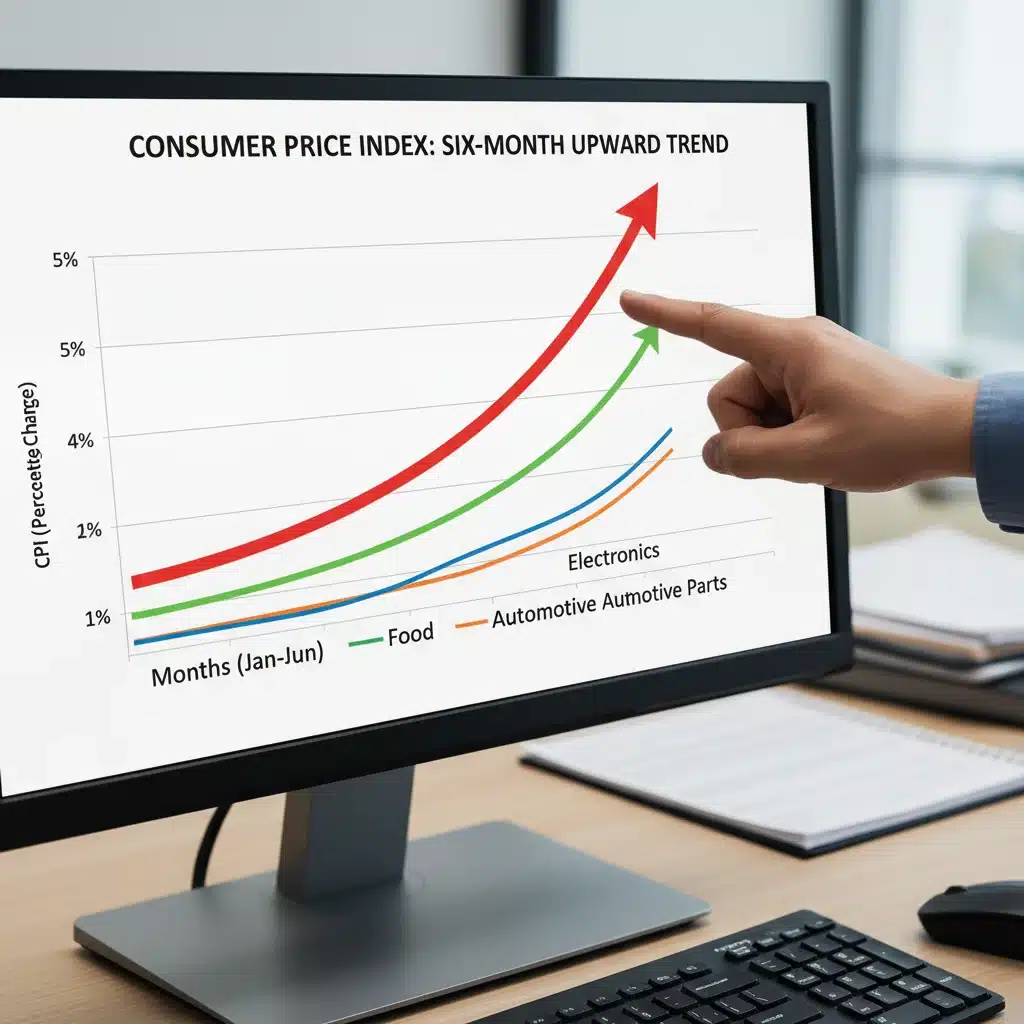
One of the most immediate and tangible effects of the ongoing supply chain disruptions is inflation. US consumers have already witnessed significant price hikes across various categories, and this trend is expected to continue for at least the next six months. Understanding where these pressures originate is key to anticipating future costs.
Food Prices: More Expensive Groceries Ahead
The supply chain impact on food prices is particularly acute. Factors such as increased fuel costs for transportation, labor shortages in agriculture and food processing, and adverse weather conditions affecting crop yields all contribute to higher grocery bills. Expect to see continued elevated prices for staples like meat, dairy, fresh produce, and processed goods. Consumers may need to adjust their dietary habits or seek out more budget-friendly alternatives.
Energy Costs: A Persistent Drain on Wallets
Global energy markets remain volatile, influenced by geopolitical events and demand fluctuations. Higher oil and natural gas prices directly translate to increased costs for transportation (shipping, trucking, air freight) and manufacturing. These elevated energy costs are embedded into the price of nearly every product, from consumer goods to services. This pervasive supply chain impact on energy will continue to squeeze household budgets.
Durable Goods: Electronics, Appliances, and Furniture
The manufacturing of durable goods relies heavily on complex global supply chains, particularly for components like semiconductors. Shortages in these critical parts, combined with increased shipping costs, mean that electronics, major appliances, and furniture will likely remain expensive and potentially harder to find. Consumers planning significant purchases in these categories should anticipate higher prices and potential delays due to the supply chain impact.
Automotive Sector: High Prices and Limited Inventory Persist
The automotive industry has been one of the hardest hit by semiconductor shortages. This has led to reduced new car production, pushing up prices for both new and used vehicles. Repair parts also face delays, making vehicle maintenance more challenging and costly. This significant supply chain impact means that buying a car or even maintaining an existing one will remain a substantial financial consideration for US consumers.
Product Availability: What Will Be Hard to Find?
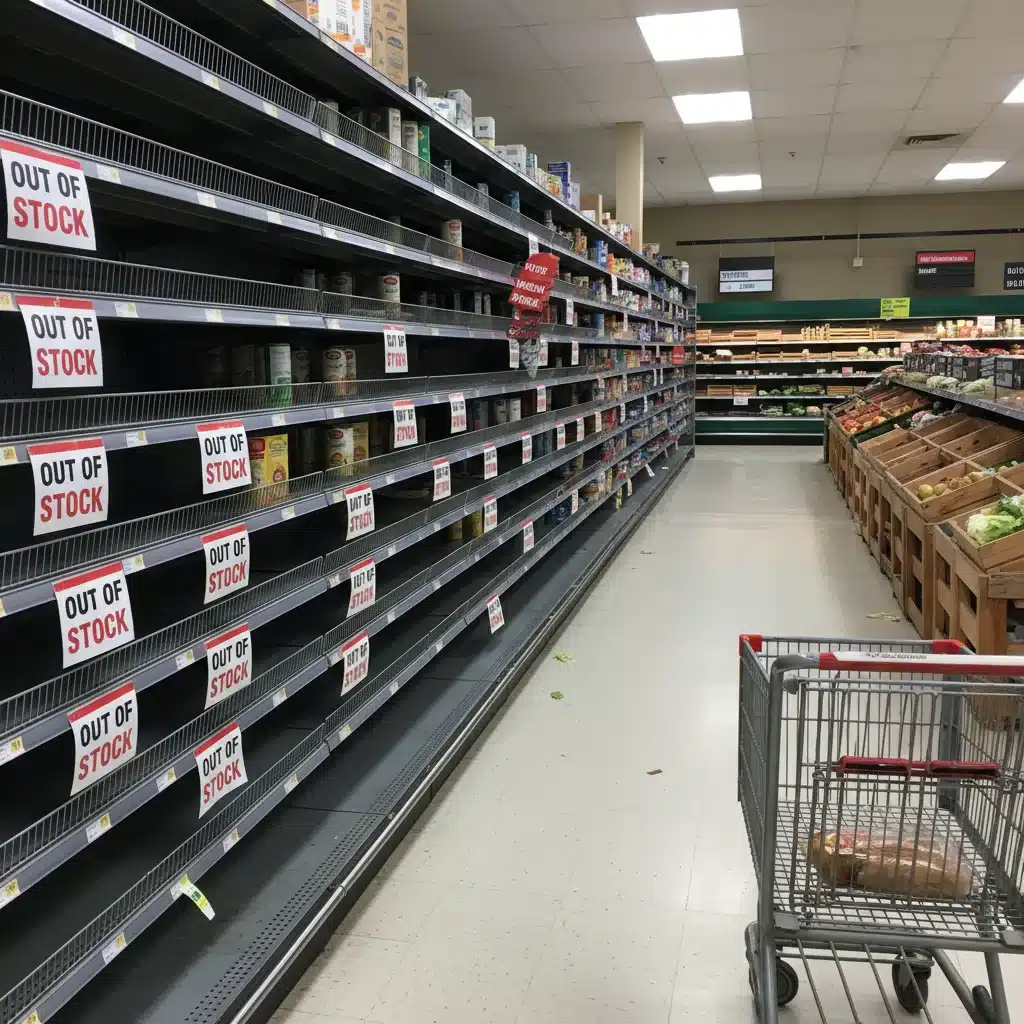
Beyond price increases, the supply chain impact will continue to manifest in the form of product scarcity. While some categories may see improvements, others will remain challenging for the foreseeable future.
Electronics and Technology
The semiconductor shortage, while showing some signs of easing in certain areas, is far from resolved. This means that high-demand electronics like gaming consoles, certain computer components, and specific models of smartphones could still be difficult to find or come with extended wait times. Manufacturers are prioritizing certain product lines, leading to uneven availability. This ongoing supply chain impact requires consumers to plan purchases well in advance.
Specific Household Goods and Appliances
While general household items are largely available, certain niche products or specific brands of appliances might experience intermittent shortages. This is often due to reliance on a single supplier for a critical component or a specific manufacturing plant facing localized disruptions. Consumers might need to be more flexible with brands or models when shopping for items like refrigerators, washing machines, or even specialized kitchen gadgets. The variability of this supply chain impact can be frustrating.
Seasonal and Holiday Items
Manufacturers and retailers typically plan for seasonal demand months in advance. However, with ongoing shipping delays and production uncertainties, the availability of seasonal decorations, holiday gifts, and even certain apparel lines could be affected. Consumers are advised to shop early for these items to avoid disappointment, as the supply chain impact can hit holiday readiness particularly hard.
Building Materials and Home Improvement Supplies
The construction sector has been grappling with material shortages and price volatility for some time. Lumber, steel, and specific types of insulation or plumbing supplies may continue to be in short supply, impacting home renovation projects and new construction. This direct supply chain impact means higher costs and longer timelines for any home-related projects.
Economic Factors and Consumer Behavior Shifts
The persistent supply chain impact isn’t just about what’s on the shelves or its price; it’s also about broader economic trends and how consumers adapt to these new realities.
Shifting Consumer Priorities and Spending Habits
Faced with higher prices and limited availability, US consumers are likely to become more discerning with their spending. Essential goods and services will take precedence, while discretionary spending might be curtailed. There could be a noticeable shift towards prioritizing value, durability, and necessity over impulse purchases or luxury items. This adaptation in consumer spending reflects the ongoing economic adjustments.
Increased Focus on Local and Sustainable Sourcing
The vulnerabilities exposed by global supply chains have prompted some consumers to look closer to home. A growing interest in supporting local businesses, farmers’ markets, and products with shorter supply chains could emerge. This shift is driven by a desire for greater reliability and a reduced environmental footprint, representing a proactive response to the supply chain impact.
The Rise of ‘Buy Now, Pay Later’ (BNPL) and Debt Concerns
As prices rise, consumers may increasingly turn to flexible payment options like ‘Buy Now, Pay Later’ services to manage their budgets. While offering immediate relief, an overreliance on such services could lead to increased household debt if not managed carefully. The economic pressure from the supply chain impact makes these financial tools more appealing but also riskier.
Impact on Small Businesses and Local Economies
Small businesses often lack the leverage of larger corporations to secure favorable pricing or reliable supply. They may face greater challenges in maintaining inventory and managing costs, potentially leading to higher prices for consumers or even business closures. The supply chain impact on these local enterprises can have a profound effect on community economies.
Mitigation Strategies: How Businesses and Consumers Can Adapt
While the supply chain impact is significant, both businesses and consumers are not without recourse. Strategic adaptations can help weather the storm.
For Businesses: Building Resilience and Diversification
- Diversifying Suppliers: Reducing reliance on single-source suppliers or specific geographic regions can minimize risk.
- Nearshoring/Reshoring: Bringing manufacturing closer to home can reduce transportation costs and lead times, offering more control over the supply chain.
- Increasing Inventory Buffers: Holding slightly larger inventories for critical components or finished goods can provide a cushion against unexpected delays.
- Investing in Technology: AI-powered forecasting, real-time tracking, and automation can improve efficiency and visibility across the supply chain.
- Strengthening Labor Relations: Investing in workforce training, retention, and competitive compensation can help alleviate labor shortages.
For Consumers: Smart Shopping in a Volatile Market
- Shop Early, Especially for Seasonal Items: To avoid disappointment and potential price surges, purchase holiday and seasonal goods well in advance.
- Be Flexible with Brands and Substitutions: If your preferred brand isn’t available, be open to trying alternatives. Sometimes, store brands offer comparable quality at a lower price.
- Budget Wisely and Track Expenses: Monitor your spending closely, especially on categories experiencing high inflation. Look for areas to cut back or optimize.
- Consider Second-Hand or Refurbished: For electronics and certain durable goods, exploring reputable second-hand or refurbished markets can offer significant savings and immediate availability.
- Support Local: Buying from local producers and businesses can sometimes circumvent global shipping issues and strengthens your local economy.
- Delay Non-Essential Purchases: If an item isn’t immediately necessary, consider postponing the purchase in hopes that prices stabilize or availability improves.
Long-Term Outlook: Beyond the Next Six Months
While this report focuses on the immediate six-month forecast, it’s important to consider the long-term implications of the current supply chain impact. The disruptions we are witnessing are not merely temporary blips; they are catalysts for fundamental shifts in how global commerce operates.
We are likely to see a continued trend towards regionalization of supply chains, with companies building more resilient, diversified networks that prioritize stability over absolute lowest cost. This could mean a gradual decrease in reliance on single-country manufacturing hubs and a greater emphasis on distributed production. For consumers, this might translate into a slight increase in baseline prices for some goods, but potentially greater stability in availability.
Furthermore, technological advancements will play an increasingly crucial role. Automation in logistics, advanced analytics for demand forecasting, and the use of blockchain for transparency could revolutionize supply chain management. These innovations, while costly to implement initially, promise to create more robust and adaptable systems in the future, ultimately benefiting both businesses and consumers by mitigating future supply chain impact.
Policy makers also have a critical role to play. Investments in infrastructure – roads, ports, and digital networks – are essential to smooth the flow of goods. Trade agreements and international cooperation will also be vital in fostering a more predictable and stable global trading environment. Addressing the root causes of labor shortages through education, training, and immigration policies will be another key factor in strengthening the overall supply chain ecosystem.
The psychological supply chain impact on consumers will also be lasting. The era of instant gratification and limitless choice, while not entirely gone, may be tempered by a greater appreciation for product availability and a willingness to plan ahead. This shift in mindset could lead to more conscious consumption and less waste, which could be a positive long-term outcome.
Conclusion: Navigating the New Normal
The next six months will undoubtedly present challenges for US consumers navigating the continued supply chain impact. Inflationary pressures will persist, and certain product categories will remain difficult to procure. However, by understanding the underlying causes and adopting proactive strategies, both businesses and individuals can mitigate the adverse effects.
The current period is not just one of disruption, but also one of transformation. It is forcing a re-evaluation of global trade practices, encouraging innovation, and fostering greater resilience within supply chains. While the road ahead may be bumpy, a more robust and adaptable global economy could emerge on the other side. For US consumers, awareness, flexibility, and strategic planning will be their most valuable tools in successfully navigating this evolving economic landscape.