Navigating 2026 Inflation: Smart Budgeting for a 3.5% Rate

The economic landscape is constantly shifting, and understanding these changes is crucial for maintaining financial stability. As we look towards 2026, projections suggest an annual inflation rate of around 3.5%. While this might seem like a modest number, its cumulative effect on your purchasing power and daily expenses can be significant. This comprehensive guide will delve into what a 3.5% inflation rate means for consumer spending, and more importantly, equip you with practical, actionable budgeting tips to navigate these economic waters successfully. Our focus is on helping you prepare for 2026 inflation budgeting, ensuring your financial plans are robust and resilient.
Understanding Inflation: What Does 3.5% Really Mean?
Before we dive into budgeting strategies, let’s demystify inflation. Inflation is the rate at which the general level of prices for goods and services is rising, and subsequently, the purchasing power of currency is falling. A 3.5% annual inflation rate means that, on average, the cost of goods and services will be 3.5% higher than the previous year. This seemingly small percentage can erode savings and increase living costs over time if not properly managed.
The Silent Tax: How Inflation Affects Your Wallet
Think of it this way: if a basket of groceries costs $100 today, with a 3.5% inflation rate, that same basket would cost $103.50 next year. While $3.50 might not seem like much on a single purchase, extrapolate that across all your monthly expenses – housing, transportation, food, healthcare, and entertainment – and the cumulative impact becomes substantial. Your fixed income, if it doesn’t keep pace with inflation, will effectively buy less over time. This is why proactive 2026 inflation budgeting is not just advisable, but essential.
Historical Context and Future Projections
Historically, central banks often target an inflation rate around 2% as a sign of a healthy, growing economy. A rate of 3.5% indicates a slightly higher inflationary environment, which could be driven by various factors such as supply chain disruptions, increased demand, fiscal policies, or global economic events. Understanding these underlying causes can help you anticipate which sectors might be most affected and adjust your spending habits accordingly. Preparing for 2026 inflation budgeting means being aware of these broader economic trends.
Impact on Key Consumer Spending Categories
A 3.5% inflation rate won’t affect all categories equally. Some areas of your budget might feel the pinch more acutely than others. Let’s break down the potential impact on major spending areas:
Housing Costs: Rent and Mortgages
For renters, landlords often adjust rents annually to account for inflation and market conditions. A 3.5% inflation rate could translate into higher rent increases, especially in competitive markets. Homeowners with fixed-rate mortgages are somewhat insulated from direct inflation on their principal and interest payments, but property taxes, home insurance, and maintenance costs are likely to rise in line with or even exceed inflation. Those with variable-rate mortgages might face increased interest rates if central banks hike rates to combat inflation.
Food and Groceries: Everyday Essentials
Food prices are notoriously sensitive to inflation, often being among the first to rise. Factors like fuel costs (for transportation), labor costs, and agricultural supply chain issues can quickly drive up the price of your weekly shop. A 3.5% inflation rate could mean a noticeable increase in your grocery bill, making efficient meal planning and smart shopping strategies more critical than ever for effective 2026 inflation budgeting.
Transportation: Fuel and Vehicle Maintenance
Fuel prices are a significant component of transportation costs and are highly susceptible to global economic fluctuations and inflation. Beyond fuel, the cost of vehicle parts, maintenance services, and even public transport fares are likely to increase. For many households, transportation is a non-negotiable expense, making it an area where inflationary pressures can be keenly felt.
Utilities: Energy and Water
Electricity, gas, and water bills are also prone to inflationary increases. Energy prices, in particular, can be volatile due to geopolitical events and supply-demand dynamics. While some utility rates are regulated, annual adjustments are common. Energy-efficient practices at home become even more financially rewarding in an inflationary environment.
Healthcare: A Growing Concern
Healthcare costs have historically outpaced general inflation rates. A 3.5% general inflation rate might imply an even higher increase in medical services, prescription drugs, and health insurance premiums. This makes it crucial to review your health insurance coverage and explore options for managing medical expenses.
Discretionary Spending: Entertainment and Luxuries
Items and services that fall under discretionary spending – dining out, travel, entertainment, and non-essential purchases – will also see price increases. This is often the first area where consumers cut back when facing tighter budgets due to inflation. Strategic planning here can help maintain quality of life without overspending.
Practical Budgeting Tips for 2026 Inflation
Now that we understand the potential impact, let’s focus on actionable strategies for your 2026 inflation budgeting. The goal is not just to cut expenses, but to optimize your spending and protect your financial future.
1. Re-evaluate and Revamp Your Budget Regularly
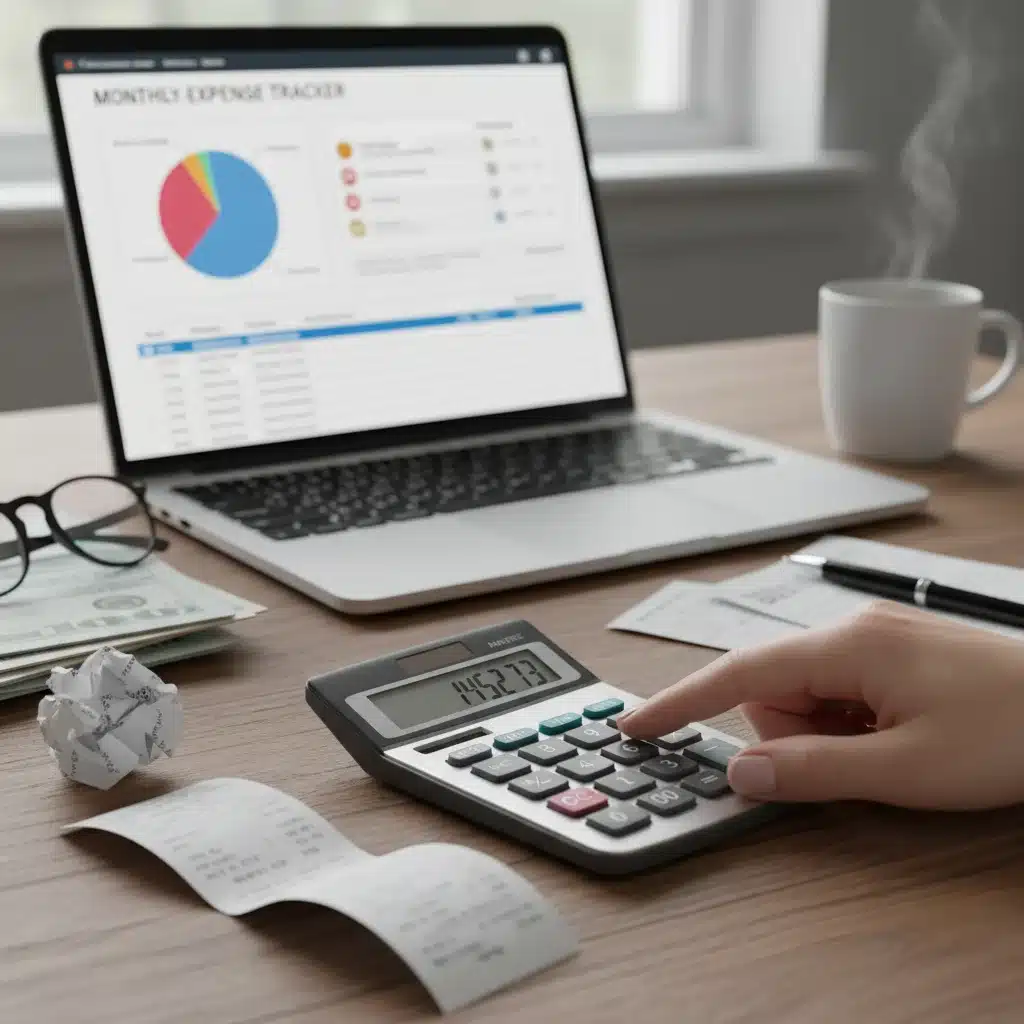
Your budget isn’t a static document; it’s a living tool. In an inflationary environment, it’s more important than ever to review and adjust it regularly – at least quarterly, if not monthly. Track your spending meticulously to identify where your money is actually going. Use budgeting apps, spreadsheets, or even a pen and paper, but ensure you have a clear picture of your income versus expenses. This forms the foundation of effective 2026 inflation budgeting.
2. Prioritize Needs Over Wants
This is a fundamental principle of budgeting, but it becomes critical during inflationary periods. Differentiate between essential expenses (housing, food, utilities, transportation to work, healthcare) and non-essential ones (dining out, new gadgets, subscriptions you rarely use). When prices rise, you might need to reallocate funds from wants to needs. Be honest with yourself about what you truly need versus what you desire.
3. Smart Shopping and Meal Planning
- Meal Planning: Plan your meals for the week, create a shopping list, and stick to it. This reduces impulse buys and food waste.
- Bulk Buying (Wisely): Purchase non-perishable items and household essentials in bulk when they are on sale, but only if you have storage space and will genuinely use them before they expire.
- Compare Prices: Don’t be afraid to shop at different stores, use price comparison apps, and look for generic brands, which are often just as good as their name-brand counterparts.
- Cook at Home: Eating out is significantly more expensive than cooking at home. Look for budget-friendly recipes and try to prepare meals in larger batches for leftovers.
4. Reduce Transportation Costs
- Consolidate Trips: Plan your errands to minimize driving.
- Public Transport/Carpooling: Explore alternatives to driving alone, such as public transportation, carpooling, or cycling.
- Vehicle Maintenance: Keep your car well-maintained to improve fuel efficiency and prevent costly repairs.
- Re-evaluate Commute: If possible, discuss remote work options with your employer to reduce daily commuting.
5. Optimize Utility Consumption
- Energy Efficiency: Invest in energy-efficient appliances if feasible, seal drafts around windows and doors, use smart thermostats, and unplug electronics when not in use.
- Water Conservation: Be mindful of water usage – take shorter showers, fix leaks, and run full loads in dishwashers and washing machines.
- Shop for Better Rates: In some areas, you can choose your energy provider. Periodically check if there are better rates available.
6. Review and Cut Subscriptions
Many households accumulate numerous subscriptions for streaming services, apps, gyms, and other recurring services. Audit all your subscriptions and cancel any that you don’t use regularly or that you can live without. Even small monthly fees add up over time. This is a quick win for 2026 inflation budgeting.
7. Seek Savings and Deals
Make it a habit to look for discounts, coupons, and loyalty programs. Many stores offer loyalty cards that provide exclusive savings. Before making a significant purchase, do some research to find the best deals. Don’t underestimate the power of small savings accumulating over time.
8. Build and Maintain an Emergency Fund
An emergency fund is your financial safety net. Aim for at least three to six months’ worth of essential living expenses saved in an easily accessible account. In an inflationary environment, unexpected costs become even more burdensome, so a robust emergency fund provides crucial peace of mind and prevents you from going into debt for unforeseen expenses.
9. Debt Management: Prioritize High-Interest Debt
High-interest debt, such as credit card debt, becomes even more detrimental during inflation, especially if interest rates rise in response. Focus on paying down these debts as aggressively as possible. The money you save on interest can then be reallocated to cover rising costs elsewhere in your budget.
10. Explore Additional Income Streams
If your income isn’t keeping pace with inflation, consider ways to increase it. This could involve asking for a raise, taking on freelance work, starting a side hustle, or selling unused items. Even a small additional income can significantly offset the impact of rising prices on your budget. This is a proactive step in your 2026 inflation budgeting strategy.

11. Invest Wisely (If Applicable)
For those with disposable income, investing can be a way to protect and grow wealth against inflation. Consider assets that historically perform well during inflationary periods, such as real estate, commodities, or inflation-protected securities. Consult with a financial advisor to create an investment strategy tailored to your risk tolerance and financial goals. Remember, simply letting cash sit in a low-interest savings account will result in its value eroding due to inflation.
12. Negotiate and Question Everything
Don’t be afraid to negotiate prices for services like internet, cable, or even insurance premiums. Call your providers and ask if there are any better deals or if they can match competitors’ offers. Loyalty doesn’t always pay, so be prepared to switch providers if you find a significantly better deal elsewhere. Question every recurring expense and look for opportunities to reduce it.
Long-Term Financial Planning in an Inflationary Environment
Beyond immediate budgeting adjustments, consider the long-term implications of inflation on your financial goals:
Retirement Planning
Inflation significantly impacts the purchasing power of your retirement savings. What seems like a substantial sum today might buy considerably less in 20 or 30 years. It’s crucial to factor in inflation when calculating how much you need to save for retirement. Ensure your retirement investments are diversified and have the potential to outpace inflation.
Education Savings
The cost of education continues to rise, often at a rate higher than general inflation. If you’re saving for your children’s education, ensure your savings plan accounts for these escalating costs. Explore tax-advantaged savings plans like 529 plans, which can offer growth potential.
Major Purchases
If you’re planning a major purchase like a home or a new car, be aware that prices will likely increase. This means you might need to save more than initially anticipated or adjust your expectations. Saving for a larger down payment can help reduce the overall cost of financing.
Conclusion: Proactive Steps for Financial Resilience
The prospect of a 3.5% inflation rate in 2026 demands attention, but it doesn’t have to be a source of overwhelming anxiety. By understanding its potential impact and implementing proactive 2026 inflation budgeting strategies, you can safeguard your financial well-being. Regular budget reviews, smart spending habits, debt management, and exploring additional income streams are all powerful tools in your arsenal.
Remember, financial resilience is built on awareness and consistent action. Start today by reviewing your current financial situation, identifying areas for improvement, and committing to the budgeting practices outlined in this guide. Your proactive approach will not only help you navigate the economic landscape of 2026 but also lay a stronger foundation for your long-term financial security. Stay informed, stay diligent, and take control of your financial future.