Boost Child Reading Skills: 2 Grades in 6 Months (2026 Techniques)

Boosting Your Child’s Reading Skills by 2 Grades in 6 Months: Proven 2026 Techniques
Every parent dreams of seeing their child excel, and few skills are as foundational to academic and life success as reading. In an ever-evolving educational landscape, the ability to read proficiently not only unlocks knowledge but also fosters critical thinking, empathy, and imagination. But what if you could not just improve, but significantly accelerate your child’s reading ability, pushing them two grade levels ahead in a mere six months? This isn’t a pipe dream; with the right strategies and consistent effort, it’s an entirely achievable goal.
The year 2026 brings with it a refined understanding of literacy development, incorporating both timeless pedagogical principles and cutting-edge technological advancements. This comprehensive guide is designed to equip you with the knowledge and actionable techniques required to make this ambitious target a reality. We’ll delve into the science behind effective reading instruction, explore innovative tools, and provide a structured roadmap to transform your child into a confident, advanced reader. Our focus throughout will be on practical, evidence-based methods that empower both children and their guardians.
Understanding the Foundations of Strong Child Reading Skills
Before we embark on the journey of accelerating child reading skills, it’s crucial to understand the foundational components that contribute to reading fluency and comprehension. Reading is not a single skill but a complex interplay of several cognitive processes. By targeting each of these areas, we can create a robust and effective intervention plan.
Phonological Awareness: The Building Blocks of Sound
At its core, reading begins with sound. Phonological awareness is the ability to recognize and manipulate the spoken parts of words, such as syllables, rhymes, and individual sounds (phonemes). Children with strong phonological awareness can hear that ‘cat’ has three sounds: /c/, /a/, /t/, and can distinguish between words that rhyme, like ‘bat’ and ‘hat’.
- Why it’s crucial: This skill is a strong predictor of early reading success. Without it, decoding words becomes a significant hurdle.
- 2026 Techniques:
- Interactive Rhyming Games: Utilize apps and online platforms that offer engaging rhyming games.
- Sound Segmentation Activities: Practice breaking words into individual sounds using magnetic letters or digital whiteboards.
- Elkonin Boxes (Digital & Physical): These visual tools help children segment words into phonemes by pushing a token into a box for each sound.
Phonics: Connecting Sounds to Letters
Once children understand that words are made of sounds, phonics teaches them that these sounds correspond to specific letters or letter combinations. This is the bridge between spoken language and written language, enabling children to decode unfamiliar words.
- Why it’s crucial: Phonics provides a systematic way for children to sound out words, rather than relying solely on memorization or context.
- 2026 Techniques:
- Systematic Phonics Programs: Many online platforms now offer adaptive phonics curricula that tailor lessons to your child’s pace and needs. Look for programs that follow a structured, explicit approach.
- Multi-sensory Learning: Incorporate touch (tracing letters in sand), sight (flashcards), and sound (singing phonics songs) to reinforce letter-sound correspondence.
- Decodable Readers: Provide books specifically designed with a high percentage of words that align with the phonics rules your child is currently learning.
Fluency: Reading with Speed, Accuracy, and Expression
Fluency is more than just reading fast; it’s the ability to read text accurately, quickly, and with appropriate expression (prosody). A fluent reader doesn’t have to labor over every word, freeing up cognitive resources for comprehension.
- Why it’s crucial: Lack of fluency can hinder comprehension, as children spend too much mental energy decoding words rather than understanding the meaning of the text.
- 2026 Techniques:
- Repeated Readings (with feedback): Have your child read the same short passage multiple times, aiming for improved speed and expression. Record them and let them listen back to identify areas for improvement.
- Reader’s Theater: Assign roles and have children read scripts aloud, encouraging expressive reading.
- Paired Reading: Read aloud with your child, taking turns or reading in unison. This models fluent reading.
- Audiobooks with Text: Use digital resources that highlight words as they are read aloud, pairing auditory input with visual text.
Vocabulary: Understanding Word Meanings
Even if a child can decode every word in a text, they won’t understand it if they don’t know what the words mean. A rich vocabulary is directly linked to better reading comprehension.
- Why it’s crucial: A limited vocabulary acts as a bottleneck to comprehension, making it difficult to grasp the nuances and overall meaning of a text.
- 2026 Techniques:
- Contextual Clues: Teach strategies for inferring word meanings from the surrounding text.
- Word Walls & Digital Flashcards: Create interactive word walls at home or use apps that provide engaging digital flashcards for new vocabulary.
- Reading Aloud & Discussion: When reading to your child, pause to explain new words and discuss their meanings in different contexts.
- Morphology Instruction: Teach common prefixes, suffixes, and root words (e.g., ‘un-‘, ‘-able’, ‘bio-‘) to help children decode and understand the meaning of unfamiliar words.
Comprehension: Making Sense of the Text
Ultimately, the goal of reading is comprehension – understanding, interpreting, and making meaning from what is read. This involves a range of higher-order thinking skills.
- Why it’s crucial: Without comprehension, reading is merely word calling. True reading involves engaging with the text on a deeper level.
- 2026 Techniques:
- Pre-reading Strategies: Before reading, activate prior knowledge by discussing the topic, looking at pictures, and predicting what the story might be about.
- During Reading Strategies: Teach children to ask questions (who, what, where, when, why, how), make connections (text-to-self, text-to-text, text-to-world), visualize, and monitor their understanding.
- Post-reading Strategies: Encourage summarizing, retelling the story in their own words, identifying the main idea, and discussing characters, plot, and themes.
- Graphic Organizers: Use digital or physical graphic organizers to help children map out story elements, compare and contrast, or sequence events.
The 6-Month Roadmap: A Strategic Plan for Accelerated Progress
Achieving a two-grade level jump in six months requires a structured approach. This roadmap provides a general framework; remember to adapt it to your child’s specific needs and learning style. Consistency is key!
Months 1-2: Strengthening Foundational Skills
The initial phase focuses on diagnosing any gaps in phonological awareness and phonics and systematically addressing them. This is where the most significant gains in decoding abilities will be made, laying the groundwork for improved fluency.
- Assessment: Start with a diagnostic assessment (many online tools or educational specialists can help) to pinpoint specific areas of weakness in phonological awareness and phonics.
- Daily Phonics Practice (15-20 minutes): Consistent, targeted practice using systematic phonics programs. Focus on short vowels, consonant blends, and digraphs.
- Phonological Awareness Games (5-10 minutes): Incorporate sound games, rhyming activities, and syllable clapping daily.
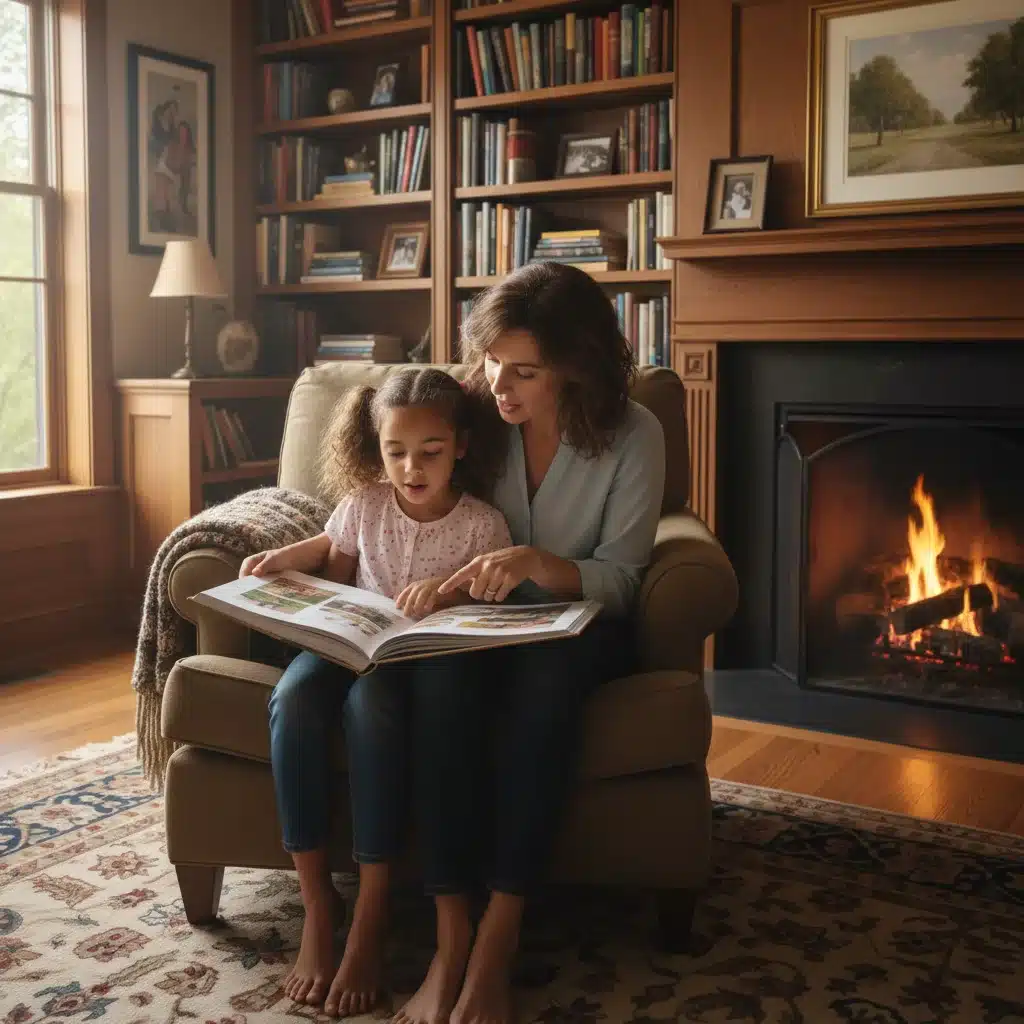
- Shared Reading (15-20 minutes): Read aloud to your child daily, choosing books slightly above their independent reading level. Model fluent reading and discuss new vocabulary.
- Decodable Readers: Provide short, decodable books for independent reading practice, ensuring high success rates to build confidence.
Months 3-4: Building Fluency and Expanding Vocabulary
Once foundational decoding skills are more solid, the focus shifts to building reading fluency and actively expanding vocabulary. This period is crucial for transitioning from ‘learning to read’ to ‘reading to learn’.
- Fluency Practice (15-20 minutes): Implement repeated readings of short, engaging passages. Use a timer to track speed and encourage expressive reading. Reader’s Theater can be introduced here.
- Targeted Vocabulary Instruction (10-15 minutes): Introduce 3-5 new academic vocabulary words each week. Use context clues, definitions, examples, and non-examples. Integrate these words into daily conversations.
- Independent Reading (20-30 minutes): Encourage daily independent reading of books at your child’s instructional level (books they can read with 90-94% accuracy). This builds stamina and reinforces skills.
- Audiobooks with Text: Continue using these resources to model fluent reading and expose children to a wider range of vocabulary and sentence structures.
- Comprehension Questioning: Begin asking more in-depth comprehension questions during and after shared and independent reading.
Months 5-6: Deepening Comprehension and Critical Thinking
The final phase concentrates on refining comprehension strategies and encouraging critical engagement with texts. This is where children learn to extract deeper meaning, make inferences, and think critically about what they read, significantly boosting their child reading skills.
- Advanced Comprehension Strategies (15-20 minutes): Focus on teaching specific strategies like summarizing, identifying main ideas, making inferences, determining author’s purpose, and understanding different text structures (e.g., compare/contrast, cause/effect).
- Varied Text Exposure: Introduce a wider range of genres, including non-fiction, poetry, and more complex narratives. This broadens their understanding of different writing styles and vocabulary.
- Reading for Purpose: Encourage reading for specific tasks, such as finding information to answer a question or comparing two different accounts of an event.
- Discussion and Debate: Engage in regular discussions about books, encouraging your child to articulate their thoughts, opinions, and interpretations, backed by evidence from the text.
- Writing in Response to Reading: Have your child write short summaries, character analyses, or opinion pieces about what they’ve read. This reinforces comprehension and critical thinking.
Leveraging 2026 Technology for Enhanced Learning
The digital age offers an unprecedented array of tools to support and accelerate reading development. Integrating technology thoughtfully can make learning more engaging, personalized, and effective.
Adaptive Learning Platforms
Many educational apps and websites now use Artificial Intelligence (AI) to adapt to a child’s individual learning pace and needs. These platforms can identify specific areas of difficulty and provide targeted practice, making them incredibly efficient for boosting child reading skills.
- Examples: Look for platforms that offer personalized phonics drills, vocabulary builders, and comprehension exercises that adjust difficulty levels in real-time.
- Benefits: Keeps children challenged but not overwhelmed, provides instant feedback, and tracks progress automatically.
Interactive E-books and Audiobooks
Digital books offer features that traditional books cannot, such as built-in dictionaries, read-aloud functions with word highlighting, and interactive elements that enhance engagement.
- Benefits: Supports struggling readers by providing auditory models, helps with vocabulary acquisition, and makes reading more dynamic.
Gamified Learning
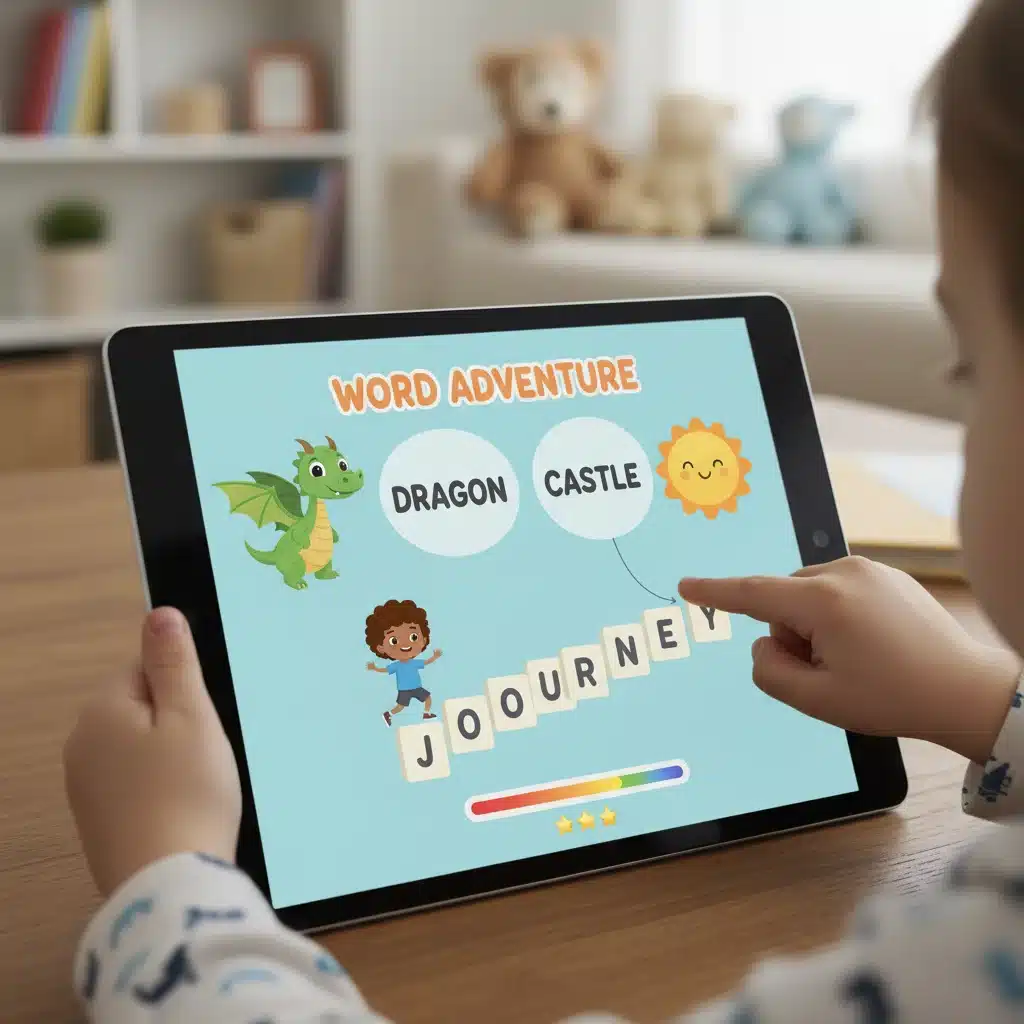
Turning reading practice into a game can significantly increase motivation and engagement. Educational games can target specific skills like phonics, sight words, or comprehension in a fun, low-pressure environment.
- Considerations: Choose games that are truly educational and not just entertaining. Look for clear learning objectives.
Creating a Reading-Rich Environment at Home
Beyond structured lessons and technological tools, the home environment plays a colossal role in fostering a love for reading and accelerating child reading skills.
Make Reading a Daily Ritual
Consistency is paramount. Dedicate a specific time each day for reading – whether it’s independent reading, shared reading, or listening to an audiobook. Even 15-20 minutes daily adds up significantly over six months.
Provide Access to Diverse Books
Ensure your home library is stocked with a variety of books that cater to your child’s interests, reading level, and different genres. Regular trips to the local library are also excellent for expanding their literary horizons without breaking the bank.
Model Reading Behavior
Children are great imitators. Let your child see you reading – whether it’s a novel, a newspaper, or a magazine. Talk about what you’re reading and why you enjoy it. This normalizes reading as an enjoyable and valuable activity.
Engage in Rich Conversations
Talk to your child about everything! Discuss current events, share stories, ask open-ended questions, and encourage them to express their thoughts and feelings. A strong oral language foundation is directly linked to better reading comprehension.
Celebrate Progress, Not Just Perfection
Acknowledge and praise your child’s efforts and improvements, no matter how small. Focus on their growth and resilience rather than just their accuracy or speed. Positive reinforcement builds confidence and motivation.
Addressing Common Challenges and Pitfalls
The journey to boosting child reading skills isn’t always linear. You might encounter challenges, but anticipating them can help you navigate them effectively.
Lack of Motivation
If your child is resistant to reading, try to understand the root cause. Is the material too difficult, too easy, or simply uninteresting? Offer choices, explore different genres, and make reading a fun, pressure-free activity. Gamification and rewards (non-food related, like extra playtime) can also help.
Plateauing Progress
It’s normal for progress to slow down at times. If you notice a plateau, re-evaluate your strategies. Is it time to switch up the types of books? Introduce a new technological tool? Or perhaps revisit a foundational skill that might need reinforcement?
Identifying Learning Differences
While the techniques outlined here are highly effective for most children, some may have underlying learning differences (such as dyslexia) that require specialized intervention. If, despite consistent effort, your child continues to struggle significantly, consult with their teacher, a school psychologist, or a reading specialist for a professional evaluation.
Balancing Screen Time
While technology is a powerful tool, it’s essential to maintain a healthy balance. Ensure that digital reading activities are purposeful and complement, rather than replace, traditional book reading. Establish clear screen time limits.
The Role of Educators and School Partnerships
While much of this guide focuses on what parents can do at home, collaborating with your child’s school and teachers is invaluable.
Regular Communication
Maintain open lines of communication with your child’s teacher. Share the strategies you’re using at home and ask about what they are focusing on in the classroom. This ensures a consistent approach and allows you to reinforce classroom learning.
Understanding School Curriculum
Familiarize yourself with the reading curriculum used at your child’s school. Knowing their learning objectives can help you tailor your home support more effectively. Ask about specific reading programs or resources the school recommends.
Leveraging School Resources
Schools often have a wealth of resources, including reading specialists, school libraries, and intervention programs. Don’t hesitate to inquire about these if you feel your child could benefit from additional support.
Measuring Progress and Staying Accountable
To ensure you’re on track to boost child reading skills by two grade levels in six months, regular monitoring is essential. This isn’t about constant testing, but rather observing and documenting growth.
Informal Assessments
- Running Records: Periodically listen to your child read a passage and note down errors, self-corrections, and reading speed. This provides valuable insight into their decoding and fluency.
- Comprehension Checks: Ask questions after reading, have them retell the story, or summarize the main points.
- Vocabulary Usage: Observe if they are using new vocabulary words correctly in their speech and writing.
Formal Assessments (School-based)
The school will likely conduct its own reading assessments. Request to see these results and discuss them with the teacher. This data can confirm your observations and provide a more standardized measure of progress.
Goal Setting and Review
Set small, achievable goals each month – perhaps mastering a new phonics pattern, increasing reading speed by a certain number of words per minute, or understanding a specific comprehension strategy. Review these goals regularly and adjust as needed.
The Long-Term Impact of Strong Reading Skills
The effort you put into accelerating your child’s reading skills now will have a profound and lasting impact on their future. Children who read proficiently are more likely to:
- Succeed academically across all subjects.
- Develop a broader vocabulary and stronger communication skills.
- Cultivate critical thinking and problem-solving abilities.
- Enjoy a wider range of interests and hobbies.
- Build self-esteem and confidence.
- Become lifelong learners.
Investing in your child’s reading ability is one of the most powerful gifts you can give them. By following the proven 2026 techniques outlined in this guide, maintaining consistency, and fostering a love for literature, you are not just teaching them to read; you are opening up a world of possibilities.
Conclusion: Empowering Your Child to Read Beyond Expectations
Achieving a two-grade level jump in child reading skills within six months is an ambitious but entirely attainable goal with dedication, the right strategies, and a supportive environment. From strengthening foundational phonological awareness and phonics to building fluency, expanding vocabulary, and deepening comprehension, every step plays a vital role. Leveraging modern adaptive technologies, establishing a reading-rich home, and collaborating with educators are all integral components of this transformative journey.
Remember, every child is unique, and progress may not always be linear. The key is consistent effort, patience, and a positive attitude. By implementing these 2026 techniques, you are not only equipping your child with an essential life skill but also igniting a lifelong passion for learning and discovery. Watch as their confidence soars and their world expands, one beautifully read word at a time. Start today, and witness the incredible potential within your child unfold.