Consumer Spending Habits: Digital Services Surge 10% in Early 2026
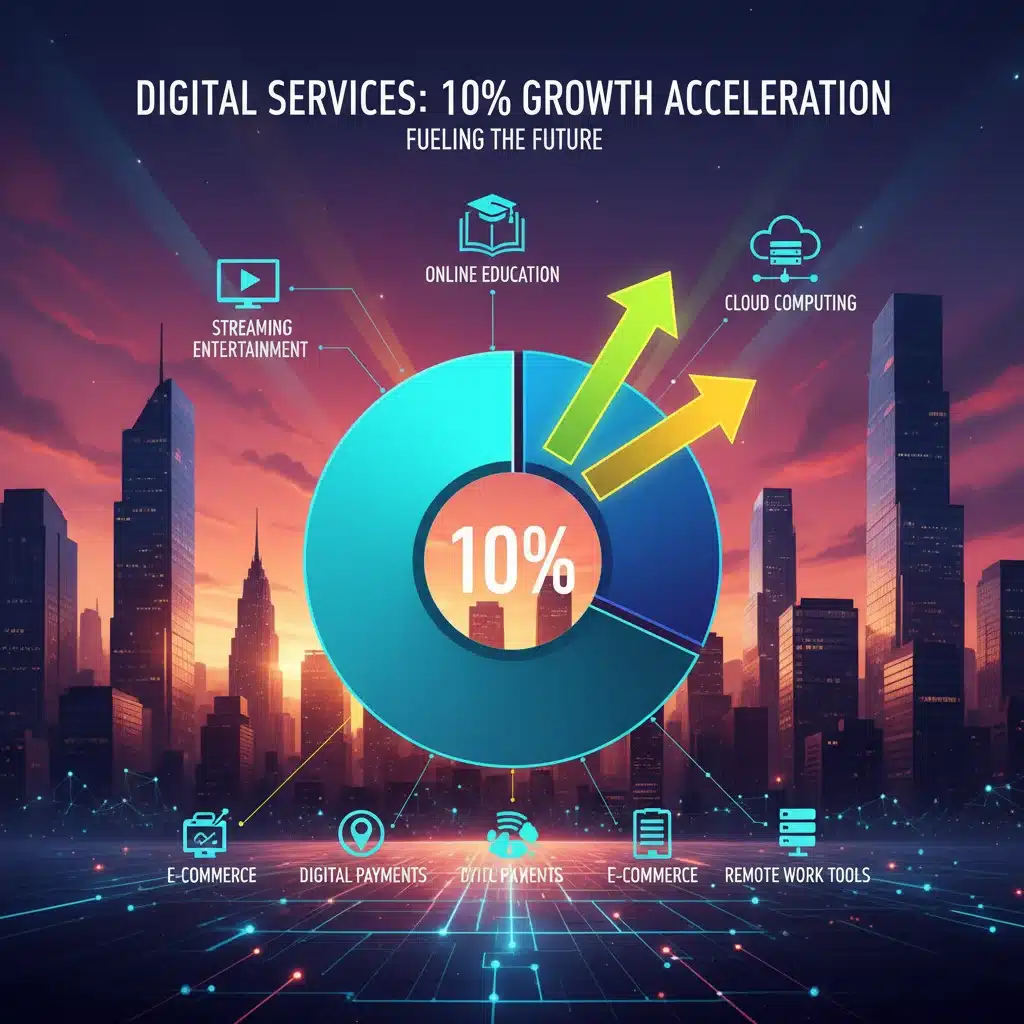
Consumer Spending Habits: Latest Data Shows 10% Shift Towards Digital Services in Early 2026
The economic landscape is in constant flux, shaped by technological advancements, evolving consumer preferences, and global events. In early 2026, a significant trend has emerged that demands the attention of businesses, policymakers, and consumers alike: a substantial 10% shift in consumer spending habits towards digital services spending. This pivotal movement signifies a deepening integration of digital platforms into our daily lives, transforming how we consume, learn, entertain ourselves, and manage our finances. This article delves into the intricacies of this shift, exploring its drivers, its multifaceted impacts across various sectors, and the strategic implications for the future.
Understanding this surge in digital services spending is not merely an academic exercise; it is crucial for businesses aiming to remain competitive and relevant in an increasingly digital-first world. From subscription models to online education, from digital health platforms to cloud-based entertainment, the digital realm is capturing a larger share of the consumer wallet than ever before. This article aims to provide a comprehensive analysis of this phenomenon, offering insights into what this means for the economy and for individual consumers.
The Unmistakable Rise of Digital Services Spending
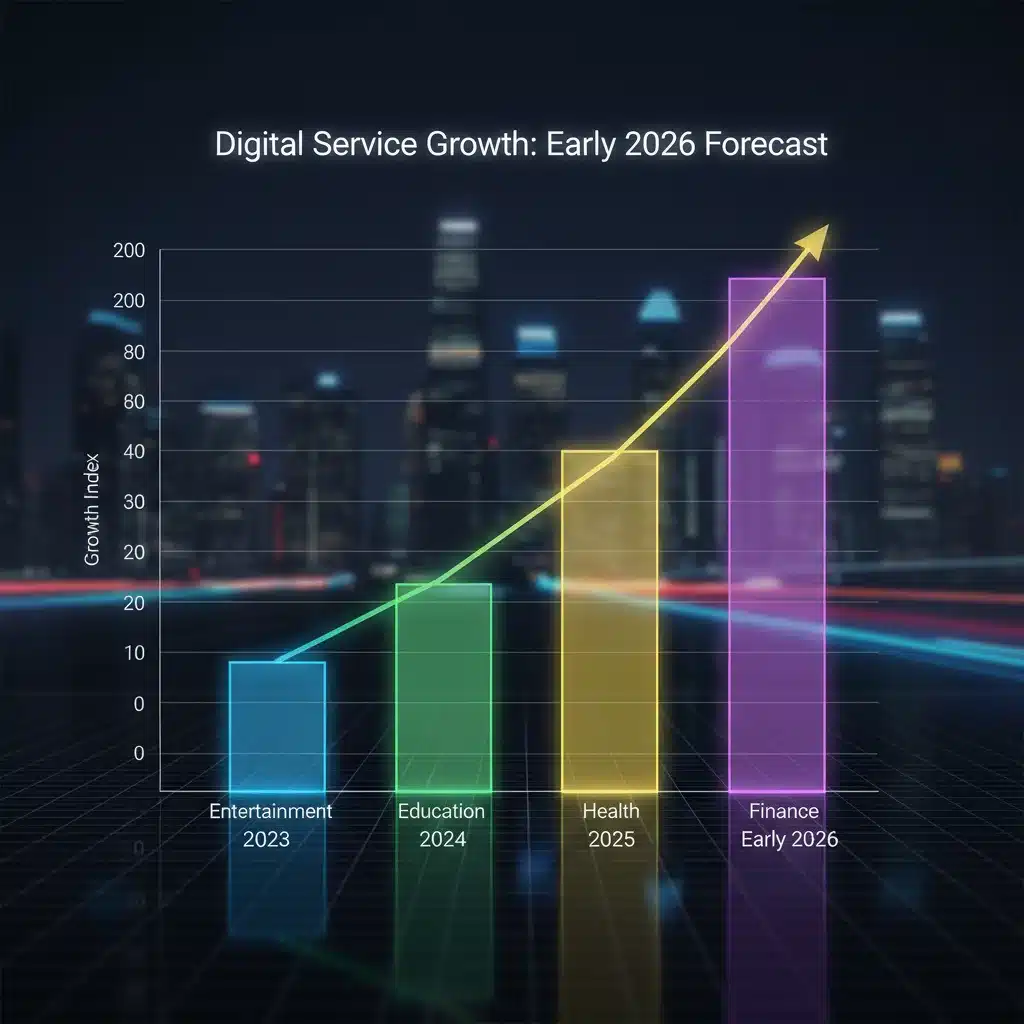
The data from early 2026 paints a clear picture: consumers are increasingly prioritizing digital services over traditional goods and services. This 10% shift in digital services spending is not a sudden anomaly but rather the culmination of several years of accelerating digital transformation. The pandemic undoubtedly played a catalytic role, forcing many to adopt digital solutions for work, education, and social interaction. However, what we are witnessing now is not merely a sustained trend but an amplified one, suggesting a more permanent reorientation of consumer priorities.
This shift encompasses a broad spectrum of services. Streaming platforms continue their dominance, with new entrants and niche content providers attracting a growing subscriber base. Online education, from K-12 supplementary learning to professional development courses, has seen a robust increase in enrollment and expenditure. The health and wellness sector has also embraced digital, with telehealth appointments, fitness apps, and online therapy services becoming mainstream. Furthermore, financial technology (fintech) solutions, including digital banking, investment apps, and payment platforms, are experiencing unprecedented adoption rates, driving significant digital services spending.
The convenience, accessibility, and often personalized nature of digital services are key factors in their growing appeal. Consumers are no longer bound by geographical limitations or rigid schedules, allowing them to access services anytime, anywhere. This flexibility, coupled with the often lower entry costs compared to traditional alternatives, makes digital services an attractive proposition for a wide demographic.
Moreover, the continuous innovation within the digital services sector fuels this growth. Developers are constantly introducing new features, improving user experiences, and expanding the scope of what digital platforms can offer. Artificial intelligence and machine learning are increasingly integrated into these services, providing more personalized recommendations, efficient customer support, and enhanced functionality, further cementing their value proposition and encouraging more digital services spending.
Key Drivers Behind the 10% Surge in Digital Services Spending
Several interconnected factors are propelling the significant increase in digital services spending. Understanding these drivers is essential for businesses to adapt and capitalize on this evolving market.
- Technological Maturation and Accessibility: The widespread availability of high-speed internet, affordable smartphones, and intuitive user interfaces has democratized access to digital services. What was once a niche offering is now a mainstream staple. The ease of use and seamless integration into daily routines have made digital interactions second nature for many.
- Changing Work and Lifestyle Patterns: The rise of remote work and flexible schedules has blurred the lines between work and leisure, often increasing the demand for digital tools and entertainment that can be accessed from home. This shift has normalized the idea of conducting a wide array of activities online, from professional meetings to personal hobbies, directly impacting digital services spending.
- Personalization and Customization: Digital services excel at offering tailored experiences. Algorithms learn user preferences, providing personalized content recommendations, customized fitness plans, or targeted educational modules. This level of personalization creates a stronger sense of value and engagement, fostering repeat usage and increased spending.
- Subscription Economy Growth: The subscription model has proven incredibly successful across various digital services, from streaming to software. Consumers are increasingly comfortable with recurring payments for access to content, tools, and experiences. This predictable revenue stream for businesses and continuous value for consumers is a significant driver of sustained digital services spending.
- Demographic Shifts: Younger generations, who have grown up in a digitally native world, are now entering their prime earning and spending years. Their inherent comfort and preference for digital interactions naturally lead to higher engagement and expenditure on digital services. However, it’s not just the youth; older demographics are also increasingly adopting digital solutions, driven by convenience and necessity.
- The ‘Experience Economy’: There’s a growing preference among consumers for experiences over physical possessions. Digital services, particularly in entertainment, gaming, and virtual reality, offer immersive and engaging experiences that are highly valued. This experiential aspect contributes significantly to the growth of digital services spending.
- Global Connectivity and Content: Digital services often transcend geographical boundaries, offering access to a global library of content, diverse educational resources, and international communities. This global reach enhances the value proposition for consumers and expands the market for providers of digital services.
Impact Across Key Sectors
The 10% shift in digital services spending is not uniformly distributed across all sectors; rather, it has distinct implications for various industries.
Entertainment and Media
This sector has been at the forefront of the digital transformation. Streaming video and music services continue to dominate, but interactive entertainment like online gaming, esports, and virtual reality experiences are also seeing exponential growth. Live streaming of events, from concerts to sports, has become a major revenue stream. Traditional media companies are scrambling to adapt, often launching their own digital platforms or acquiring existing ones to capture a share of this growing digital services spending.
Education and Learning
Online learning platforms, once supplementary, are now central to education. From K-12 tutoring to university-level degrees and professional certifications, digital education offers flexibility and access previously unimaginable. The demand for digital tools for learning, interactive content, and virtual classrooms has surged, making education a significant component of digital services spending.
Health and Wellness
Telehealth, online therapy, digital fitness apps, and wearable tech that tracks health metrics are revolutionizing how individuals manage their well-being. This sector offers convenience, privacy, and often more personalized care, leading to increased consumer comfort and investment in digital health solutions. The integration of AI for diagnostics and personalized treatment plans further enhances the value of these services.
Financial Services (Fintech)
Digital banking, mobile payment systems, online investment platforms, and cryptocurrency exchanges are rapidly gaining traction. Consumers are increasingly comfortable managing their finances through digital channels, valuing the speed, efficiency, and often lower fees associated with fintech solutions. This has led to a considerable increase in digital services spending within the financial sector, pushing traditional institutions to innovate or risk being left behind.
Retail and E-commerce Support
While often associated with physical goods, the e-commerce ecosystem relies heavily on digital services for its operation. This includes cloud computing for online stores, digital marketing and advertising services, payment processing, and customer support platforms. The growth in online shopping indirectly fuels digital services spending in these supporting sectors.

Productivity and Business Tools
Software-as-a-Service (SaaS) models for project management, communication, customer relationship management (CRM), and enterprise resource planning (ERP) continue to see robust growth. Businesses of all sizes are investing in digital tools to enhance efficiency, collaboration, and data analysis. While not direct consumer spending, this reflects a broader societal embrace of digital solutions that often trickle down to individual consumers.
Challenges and Opportunities for Businesses
The surge in digital services spending presents both significant opportunities and formidable challenges for businesses.
Opportunities:
- Market Expansion: Digital services often have lower barriers to entry and can reach a global audience, allowing businesses to expand their market reach beyond geographical constraints.
- New Revenue Streams: For traditional businesses, integrating digital services can open up entirely new revenue streams and diversify their offerings.
- Enhanced Customer Engagement: Digital platforms allow for more direct, personalized, and continuous engagement with customers, fostering greater loyalty and understanding of their needs.
- Data-Driven Insights: Digital interactions generate vast amounts of data, which, when analyzed effectively, can provide invaluable insights into consumer behavior, preferences, and market trends, informing product development and marketing strategies.
- Efficiency and Automation: Many digital services automate processes, reducing operational costs and improving efficiency, which can be passed on to consumers or reinvested in innovation.
Challenges:
- Intense Competition: The digital services market is highly competitive, with numerous players vying for consumer attention and spending. Differentiation and innovation are crucial for survival.
- Data Privacy and Security Concerns: As more consumer data is collected and processed, ensuring robust data privacy and security measures is paramount. Breaches can severely damage trust and reputation.
- Regulatory Landscape: The digital economy is subject to evolving regulations regarding data protection, antitrust, and taxation, which businesses must navigate carefully.
- Digital Divide: While access is improving, a significant digital divide still exists globally, limiting the potential customer base for some digital services.
- Customer Acquisition and Retention: In a crowded market, acquiring new customers and retaining existing ones requires sophisticated marketing strategies and continuous value delivery.
- Technological Obsolescence: The rapid pace of technological change means that businesses must constantly innovate and adapt to avoid their services becoming obsolete.
Navigating the Future of Digital Services Spending
As we move further into 2026 and beyond, the trend of increasing digital services spending is likely to continue, driven by ongoing technological advancements and shifting societal norms. Businesses that wish to thrive in this environment must adopt a proactive and forward-thinking approach.
Strategies for Success:
- Customer-Centric Innovation: Continuously innovate based on deep understanding of customer needs and pain points. User experience (UX) and user interface (UI) design will remain critical differentiators.
- Hybrid Models: Explore hybrid models that blend digital convenience with physical experiences where appropriate. For example, retail stores offering online ordering with in-store pickup, or gyms integrating digital fitness classes with physical training sessions.
- Robust Data Analytics: Invest in strong data analytics capabilities to understand consumer behavior, personalize offerings, and predict future trends. Ethical data usage will be key.
- Security and Trust: Prioritize cybersecurity and data privacy. Building and maintaining consumer trust will be a cornerstone of success in the digital realm.
- Subscription Optimization: For businesses leveraging subscription models, focus on optimizing value delivery to reduce churn and increase customer lifetime value.
- Strategic Partnerships: Form partnerships with other digital service providers or complementary businesses to create integrated ecosystems and offer more comprehensive solutions to consumers.
- Adaptability and Agility: The digital landscape evolves rapidly. Businesses must be agile enough to adapt to new technologies, market conditions, and consumer preferences quickly.
The Consumer Perspective: Adapting to a Digital-First World
For consumers, this shift in digital services spending means a world of unprecedented choice and convenience. However, it also brings new considerations and responsibilities.
On one hand, consumers benefit from personalized experiences, access to a vast array of information and entertainment, and the ability to manage various aspects of their lives with greater flexibility. The cost-effectiveness of many digital services, especially when compared to their traditional counterparts, also provides significant value.
On the other hand, consumers need to be vigilant about data privacy, understand the terms and conditions of subscription services, and be aware of potential digital fatigue. Managing multiple subscriptions, safeguarding personal information, and discerning credible information from misinformation are increasingly important skills in this digital-first environment. Financial literacy in the context of digital payments and investments is also more crucial than ever, as digital services spending becomes a larger part of household budgets.
The rise of digital services also forces consumers to critically evaluate their own consumption habits. Are they getting true value from their subscriptions? Are they prioritizing experiences that genuinely enrich their lives? The ease with which one can subscribe to a new service means that passive consumption can quickly accumulate costs without always delivering commensurate benefits. Therefore, mindful consumption and periodic review of digital expenditures become essential aspects of personal finance in the digital age.
Furthermore, the environmental impact of increased digital infrastructure and data centers is a growing concern. Consumers, alongside businesses, have a role to play in advocating for and supporting sustainable digital practices. As digital services spending continues its upward trajectory, the collective responsibility to ensure this growth is both beneficial and sustainable becomes increasingly paramount.
Conclusion: A New Era of Consumer Engagement
The 10% shift in consumer spending towards digital services spending in early 2026 is more than just a statistic; it represents a fundamental reordering of economic priorities and a powerful testament to the ongoing digital transformation. This trend is reshaping industries, creating new opportunities, and challenging established business models. For businesses, adapting to this new landscape requires agility, customer-centric innovation, and a deep understanding of the underlying drivers of digital engagement.
For consumers, it signifies a world of unparalleled convenience and choice, but also one that demands greater awareness and responsible digital citizenship. As our lives become increasingly intertwined with digital platforms, the ability to navigate this evolving ecosystem effectively will be crucial for personal and economic well-being.
The future of consumption is undeniably digital. Those who recognize this shift, understand its implications, and strategically position themselves to meet the evolving demands of consumers will be the ones that thrive in this new era of digital services spending. The data from early 2026 serves as a powerful indicator: the digital revolution is not just continuing; it’s accelerating, redefining the very fabric of our economy and daily lives.