Cybersecurity Alert: Major Data Breach Affects 500,000 Government Employees This Week
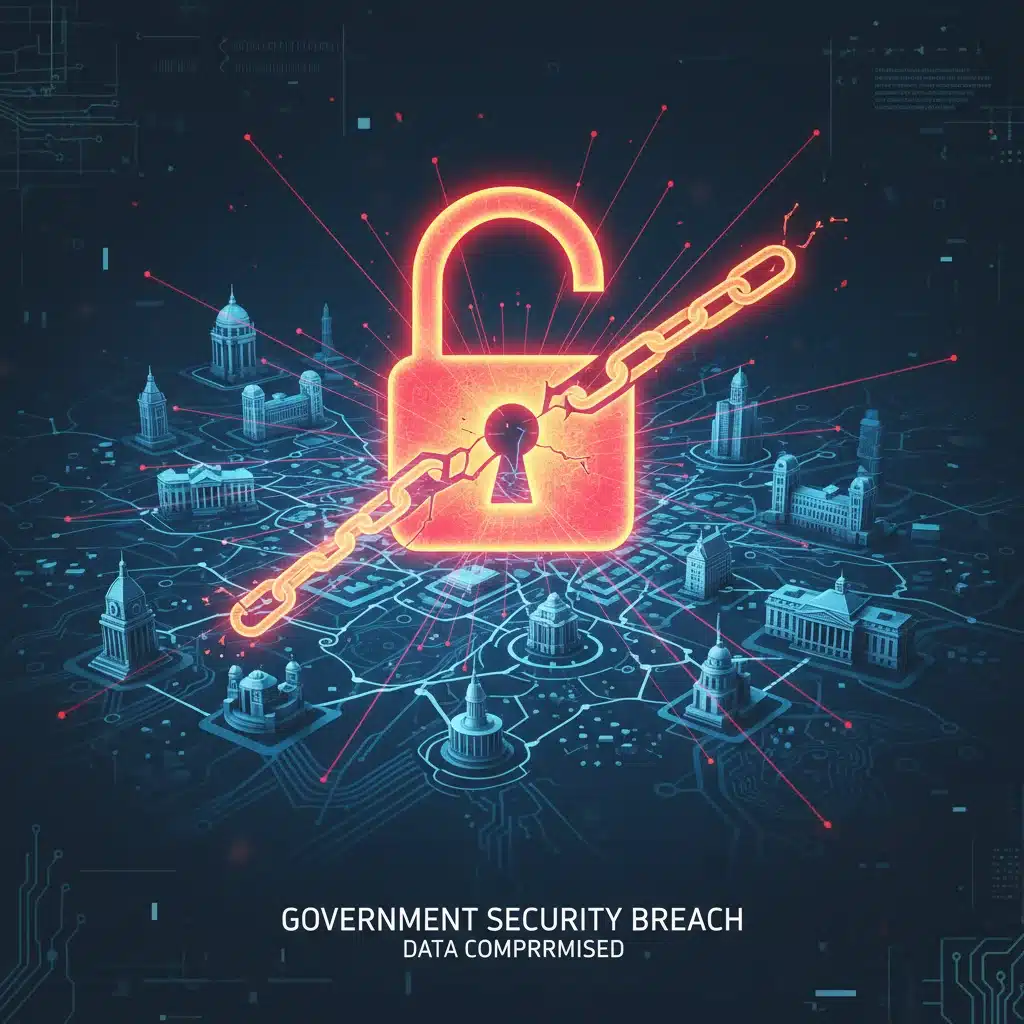
In an alarming development that underscores the persistent and evolving threat of cyber warfare, a significant government data breach has compromised the personal and potentially sensitive information of approximately 500,000 government employees this week. This incident sends ripples of concern through national security circles and among the affected individuals, highlighting critical vulnerabilities within governmental digital infrastructures. The scale and nature of this attack demand immediate attention, thorough investigation, and a comprehensive re-evaluation of existing cybersecurity protocols. As the digital landscape continues to expand, so too does the attack surface for malicious actors, making robust cybersecurity not merely a technical necessity but a cornerstone of national resilience.
The breach, details of which are still emerging, reportedly exposed a wide array of personal data, including names, addresses, Social Security numbers, dates of birth, and potentially even employment records. For government employees, whose roles often involve access to classified or sensitive information, such a breach carries far more severe implications than a typical corporate data compromise. It not only puts their personal lives at risk of identity theft and financial fraud but also raises profound questions about national security, potential espionage, and the integrity of government operations. Understanding the intricacies of this government data breach is paramount for both those affected and for the broader public seeking to comprehend the gravity of modern cyber threats.
Understanding the Scope of the Government Data Breach
The recent government data breach is not an isolated incident but rather a stark reminder of the continuous assault on public sector networks. Reports indicate that the breach originated from a sophisticated phishing campaign targeting multiple government agencies, eventually leading to unauthorized access to a central database. This type of attack, often employing social engineering tactics, exploits human vulnerabilities rather than purely technical ones, making it particularly challenging to defend against. The sheer volume of affected individuals – half a million government employees – signifies a significant intelligence haul for the perpetrators, whose identities and motives remain under intense investigation.
Initial analysis suggests that the attackers meticulously planned their operation, possibly over several months, before executing the final phase of data exfiltration. The compromised data includes a broad spectrum of personal identifiers, which could be leveraged for various nefarious purposes, from targeted phishing attacks against the employees themselves to more elaborate schemes aimed at gaining deeper access into government systems. The exposure of employment records, in particular, could provide adversaries with valuable insights into government structures, personnel assignments, and even classified projects, thereby posing a direct threat to national security. The cascading effects of such a comprehensive government data breach can be far-reaching, impacting not just individuals but the very fabric of governmental trust and operational integrity.
Furthermore, the breach highlights the interconnectedness of government systems. A vulnerability in one agency’s network can potentially serve as a gateway to others, creating a domino effect that amplifies the damage. This incident underscores the urgent need for a unified and robust cybersecurity strategy across all government entities, ensuring that no single weak link can jeopardize the entire chain. The immediate priority is to understand the full extent of the data compromised, identify all affected individuals, and implement measures to mitigate the immediate risks of identity theft and further exploitation. This process is complex and requires significant resources, but it is absolutely essential to contain the damage from this significant government data breach.
Immediate Ramifications and Long-Term Concerns
The immediate ramifications of this government data breach are multifaceted. For the 500,000 affected employees, the primary concern is identity theft and financial fraud. Malicious actors can use their exposed personal information to open fraudulent accounts, apply for loans, or access existing financial resources. Government employees, due to their association with sensitive roles, may also become targets for blackmail, coercion, or social engineering attacks designed to extract further classified information. This puts an immense psychological burden on individuals, who must now remain vigilant against potential exploitation for years to come.
Beyond individual harm, the long-term concerns for national security are profound. The aggregated data of half a million government employees could be used to build detailed profiles of individuals, identify key personnel, and even uncover organizational hierarchies. Such intelligence is invaluable to foreign adversaries, terrorist groups, or organized crime syndicates. It could facilitate targeted espionage, provide leverage for recruitment, or enable highly sophisticated cyberattacks against critical infrastructure. The trust between the government and its employees, a cornerstone of effective governance, is also severely eroded by such incidents. Rebuilding this trust requires not just apologies but demonstrable improvements in security posture and transparent communication.
Moreover, the incident can have significant geopolitical implications. If the breach is attributed to a state-sponsored actor, it could escalate international tensions and necessitate a strong diplomatic or even retaliatory response. The very act of compromising government employee data is often seen as an act of aggression in the digital realm, challenging national sovereignty and security. This government data breach, therefore, extends beyond a mere technical failure; it represents a serious national security crisis that demands a strategic and coordinated response from all levels of government. The long-term consequences will depend heavily on the effectiveness of the government’s response and its ability to adapt to the ever-changing threat landscape.
The Role of Phishing and Social Engineering in the Attack
While the exact vector of the government data breach is still under wraps, preliminary reports suggest that advanced phishing and social engineering tactics played a pivotal role. Phishing, a method where attackers disguise themselves as trustworthy entities to trick individuals into revealing sensitive information, remains one of the most effective and pervasive cyber threats. In this instance, it’s believed that highly sophisticated spear-phishing emails were sent to government employees, meticulously crafted to appear legitimate and urgent. These emails likely contained malicious links or attachments designed to install malware or steal login credentials.
Social engineering, which often accompanies phishing, involves manipulating individuals into performing actions or divulging confidential information. Attackers might have researched their targets thoroughly, using publicly available information to create highly personalized and convincing lures. For example, an email seemingly from an internal IT department or a senior official, requesting employees to update their passwords or verify their identities through a compromised portal, could easily trick even vigilant individuals. The psychological aspect of these attacks makes them particularly dangerous, as they exploit human trust, curiosity, or fear, bypassing even robust technical defenses. The success of this government data breach underscores the critical need for continuous and advanced cybersecurity awareness training for all government personnel, focusing specifically on recognizing and reporting sophisticated social engineering attempts.
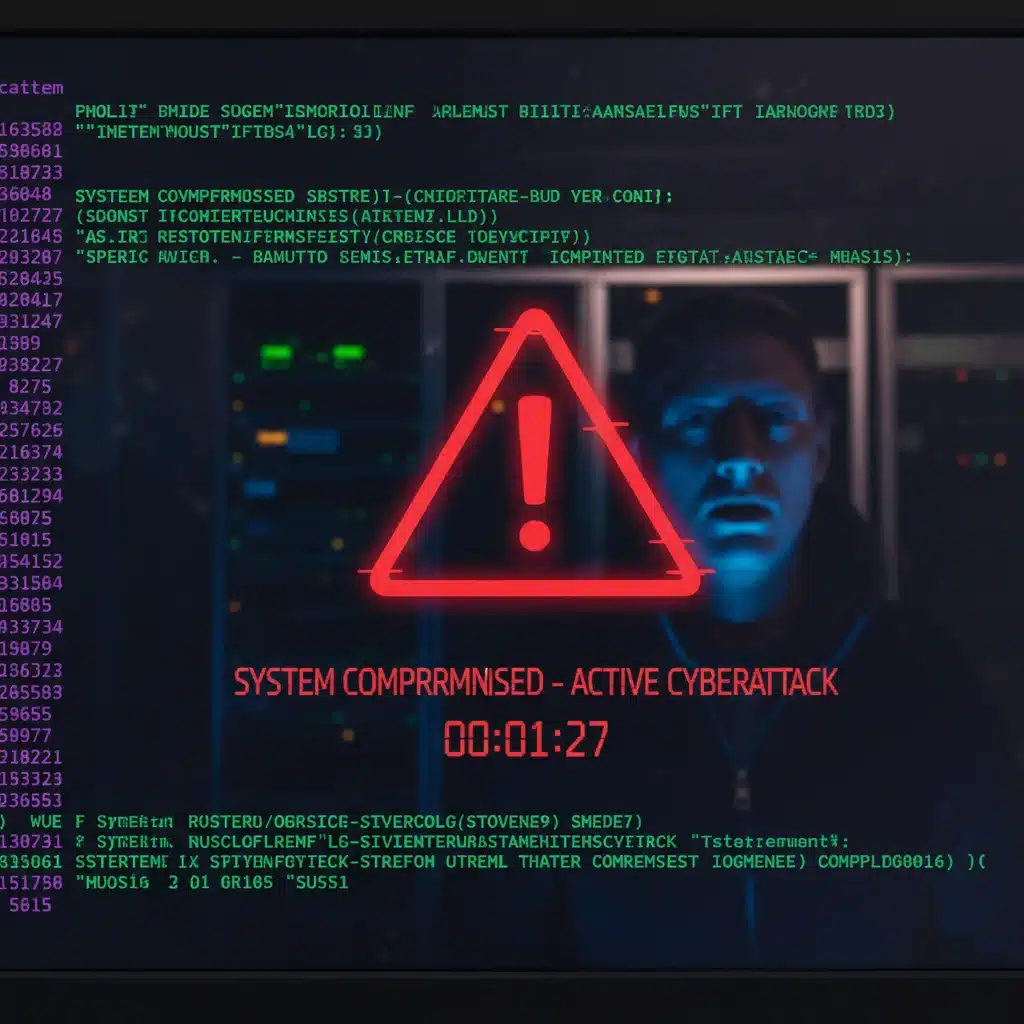
The sophistication of these attacks is constantly evolving. Attackers are using AI-powered tools to generate more convincing phishing emails, mimicking legitimate communication styles and even voice patterns for vishing (voice phishing) attacks. Furthermore, they are exploiting zero-day vulnerabilities in common software or operating systems, making it harder for traditional security measures to detect and prevent infiltration. The success of the government data breach serves as a stark reminder that technology alone cannot fully protect against human error or manipulation. A multi-layered defense strategy that integrates advanced technical controls with rigorous human training is indispensable to fortify governmental networks against such insidious threats.
Government Response and Mitigation Efforts
In the wake of this severe government data breach, affected agencies have launched a full-scale investigation, collaborating with federal law enforcement and cybersecurity experts to ascertain the full extent of the compromise. Immediate mitigation efforts include isolating compromised systems, patching identified vulnerabilities, and enhancing network monitoring to detect any further unauthorized activity. The National Cybersecurity and Communications Integration Center (NCCIC) is reportedly coordinating the response, bringing together various government and private sector resources to analyze the attack vector and strengthen defenses.
For the affected employees, the government is expected to provide comprehensive support, including credit monitoring services, identity theft protection, and dedicated hotlines for assistance. Transparent communication is crucial during such crises, and agencies are under pressure to inform employees promptly and clearly about the types of data exposed, the potential risks, and the steps they can take to protect themselves. However, the effectiveness of these measures will depend on their speed and accessibility, as delays can exacerbate the harm caused by identity theft and fraud.
Looking ahead, this government data breach will likely spur a significant overhaul of federal cybersecurity policies and investments. There will be increased scrutiny on vendor security practices, cloud security, and the implementation of advanced threat detection systems. Furthermore, there will be a renewed emphasis on mandatory and more frequent cybersecurity training for all government employees, focusing on recognizing sophisticated phishing attempts and adhering to best practices for data handling. The incident serves as a critical wake-up call, demanding a proactive and adaptive approach to cybersecurity rather than a reactive one, to prevent future breaches of this magnitude.
Protecting Yourself: Essential Steps for Affected Employees
For the half-million government employees impacted by this government data breach, taking immediate and proactive steps is crucial to minimize potential harm. The first and most critical action is to assume that your personal information, including sensitive identifiers, is compromised. This mindset will empower you to act decisively and implement robust protective measures. Waiting for official notifications, while important, should not delay your personal security efforts.
1. Monitor Your Credit Reports and Financial Accounts Diligently
Enroll in credit monitoring services, ideally those offered by the government or reputable third-party providers. Regularly review your credit reports from all three major bureaus (Equifax, Experian, and TransUnion) for any suspicious activity or accounts you don’t recognize. Dispute any inaccuracies immediately. Beyond credit reports, meticulously check your bank statements, credit card statements, and any investment accounts for unauthorized transactions. Fraudsters often start with small, seemingly insignificant transactions to test compromised accounts.
2. Implement Strong, Unique Passwords and Multi-Factor Authentication (MFA)
Change all your passwords, especially for sensitive accounts like banking, email, and government portals. Use strong, unique passwords that are long, complex, and not easily guessable. Avoid reusing passwords across different platforms. Crucially, enable Multi-Factor Authentication (MFA) or Two-Factor Authentication (2FA) wherever possible. This adds an extra layer of security, requiring a second form of verification (e.g., a code sent to your phone) beyond just your password, making it significantly harder for unauthorized users to access your accounts even if they have your password.
3. Be Wary of Phishing and Social Engineering Attempts
The breach itself may have been initiated through phishing. Therefore, expect an increase in targeted phishing, vishing (voice phishing), and smishing (SMS phishing) attempts. Be extremely cautious of unsolicited emails, calls, or text messages, even if they appear to be from legitimate sources. Never click on suspicious links, open unexpected attachments, or provide personal information over the phone or email unless you have independently verified the request. If in doubt, contact the organization directly using official contact information, not information provided in the suspicious communication.
4. Consider Freezing Your Credit
A credit freeze is one of the most effective ways to prevent identity theft. It restricts access to your credit report, making it difficult for fraudsters to open new accounts in your name. While it might slightly inconvenience you if you need to apply for new credit, the peace of mind it offers is invaluable. You can lift the freeze temporarily when you need to apply for credit. Contact each of the three major credit bureaus individually to initiate a credit freeze.
5. Review and Update Privacy Settings
Review the privacy settings on all your online accounts, including social media, email, and other platforms. Limit the amount of personal information you share publicly. Be mindful of what information is accessible to others, as this can be used by social engineers to craft more convincing attacks. This proactive step can help reduce your overall digital footprint and potential exposure following the government data breach.
6. Report Suspicious Activity
If you suspect identity theft or notice any fraudulent activity, report it immediately to the appropriate authorities. This includes your local police department, the Federal Trade Commission (FTC), and the relevant government agencies involved in the breach. Prompt reporting can aid in investigations and help mitigate further damage.

7. Stay Informed and Patient
Keep abreast of official communications from the government agencies involved in the breach. Information may evolve, and new recommendations might be issued. While frustrating, patience is key as investigations unfold. Continue to monitor your accounts and be vigilant in your digital interactions. This government data breach is a marathon, not a sprint, in terms of personal security.
The Broader Implications for Cybersecurity Policy
The recent government data breach serves as a critical inflection point for national cybersecurity policy. It highlights the urgent need for a paradigm shift from reactive defense mechanisms to a proactive, intelligence-driven security posture. The sheer scale of the incident necessitates a re-evaluation of how sensitive employee data is stored, processed, and protected across all governmental departments and agencies. This isn’t just about patching vulnerabilities; it’s about fundamentally rethinking the architecture of government IT systems.
One key implication is the increased demand for zero-trust architectures. Rather than assuming that everything inside a network perimeter is trustworthy, a zero-trust model requires strict identity verification for every person and device attempting to access resources, regardless of whether they are inside or outside the network. This approach significantly reduces the attack surface and limits the lateral movement of attackers once they gain initial access, a critical lesson learned from this government data breach.
Furthermore, the incident will likely accelerate investments in advanced threat intelligence capabilities. Governments need to not only detect threats but also understand the motives, tactics, and capabilities of their adversaries. This involves real-time monitoring, AI-driven anomaly detection, and robust information sharing between government agencies and private sector cybersecurity firms. The ability to predict and preempt attacks, rather than merely respond to them, will become paramount. This government data breach underscores the cost of lagging behind sophisticated cyber adversaries.
Another crucial area for policy reform is the establishment of clearer accountability frameworks. When a breach of this magnitude occurs, it’s essential to understand who is responsible for the security lapses and what measures will be taken to prevent recurrence. This includes holding IT departments, agency heads, and even contractors accountable for adhering to stringent cybersecurity standards. Without clear accountability, the motivation for continuous improvement can wane, leaving systems vulnerable to future attacks. The incident also highlights the need for robust incident response plans that are regularly tested and updated, ensuring that in the event of another government data breach, the response is swift, coordinated, and effective.
Finally, the breach emphasizes the necessity of international cooperation in combating cybercrime and state-sponsored cyberattacks. Cyber threats do not respect national borders, and a global, collaborative effort is required to share threat intelligence, prosecute cybercriminals, and establish norms of responsible state behavior in cyberspace. This government data breach is a stark reminder that national security in the 21st century is inextricably linked to cybersecurity.
Conclusion: A Call for Heightened Vigilance and Action
The recent government data breach, impacting 500,000 government employees, stands as a sobering testament to the relentless and evolving nature of cyber threats faced by public institutions. It is a critical moment that demands not just a reactive response but a fundamental shift in how governments approach cybersecurity. The exposure of sensitive personal data for such a vast number of individuals carries profound implications, ranging from personal identity theft and financial fraud to significant national security risks and potential espionage.
The lessons learned from this incident are clear: robust technical defenses must be complemented by comprehensive employee training, fostering a culture of cybersecurity awareness at every level. Furthermore, a proactive, intelligence-driven security posture, the adoption of zero-trust principles, and clear accountability frameworks are no longer optional but essential. This government data breach underscores the interconnectedness of global digital infrastructure and the imperative for international cooperation in combating sophisticated cyber adversaries.
For the affected employees, immediate and sustained vigilance is paramount. Monitoring financial accounts, implementing strong multi-factor authentication, and being hyper-aware of phishing attempts are critical steps to mitigate personal harm. For government agencies, this incident is a powerful call to action: to fortify digital borders, invest in cutting-edge security technologies, and continuously adapt to the ever-changing threat landscape. Only through a concerted, multi-layered effort can we hope to safeguard the integrity of government operations and protect the privacy and security of its dedicated workforce against future cyber assaults.