Geopolitical Impact: US Stock Market Outlook Early 2026
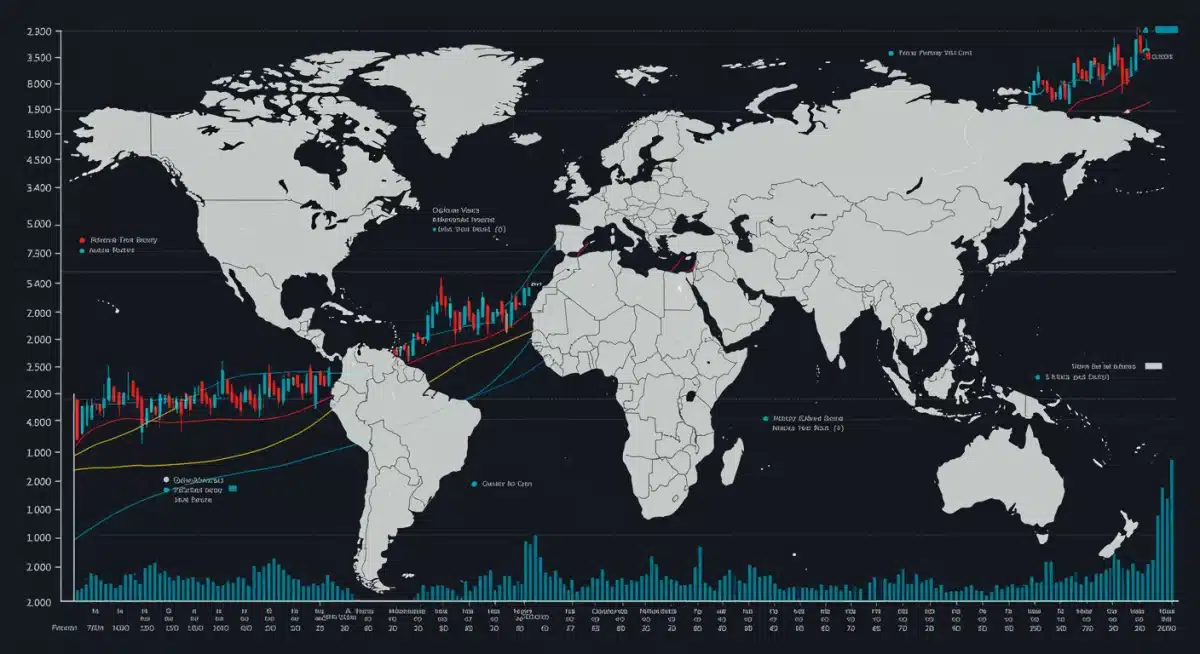
The 3-month outlook for the US stock market in early 2026 is significantly shaped by evolving geopolitical events, driving both uncertainty and strategic investment considerations for market participants.
As we step into early 2026, understanding The 3-Month Outlook: How Geopolitical Events Are Shaping the US Stock Market in Early 2026 is paramount for investors. The interplay between global politics and financial markets has intensified, making it crucial to navigate the landscape with informed foresight.
The evolving geopolitical landscape
The geopolitical landscape at the dawn of 2026 is marked by a dynamic interplay of power shifts, regional conflicts, and emerging alliances. These factors collectively create a complex environment that directly influences global economic stability and, consequently, the US stock market. Investors are keenly observing these developments, as they can trigger significant market reactions.
The interconnectedness of economies means that events in one part of the world can send ripple effects across continents. Supply chains, trade agreements, and even consumer sentiment are all susceptible to geopolitical shifts. This necessitates a comprehensive understanding of international relations to accurately forecast market trends.
Key areas of global tension
- Sino-US relations: Persistent trade disputes and technological competition continue to cast a shadow over global markets, influencing sectors from semiconductors to renewable energy.
- European stability: The ongoing situation in Eastern Europe and its energy implications remain a critical concern, impacting commodity prices and inflation expectations.
- Middle East dynamics: Regional conflicts and oil production policies in the Middle East directly affect global energy markets and investor confidence.
- Latin American political shifts: Political instability or policy changes in major Latin American economies can influence commodity prices and US companies with significant regional exposure.
Understanding these pressure points is essential for investors looking to position their portfolios defensively or to capitalize on potential opportunities. The volatility stemming from these tensions requires a strategic approach rather than reactive decisions.
The geopolitical arena is not static; it is constantly evolving. New alliances form, old rivalries intensify, and unexpected events can rapidly alter the global balance of power. For the US stock market, this means an environment of heightened sensitivity, where news from abroad can quickly translate into market movements. Staying informed and adaptable is key to navigating these turbulent waters effectively.
Impact on supply chains and inflation
Geopolitical events in early 2026 are exerting considerable pressure on global supply chains, leading to inflationary pressures that directly influence the US stock market. Disruptions, whether from conflict, trade restrictions, or political instability, create bottlenecks and increase the cost of goods, which eventually trickles down to consumers and corporate earnings.
The reliance on international supply networks means that even localized geopolitical incidents can have widespread economic consequences. Companies face higher input costs, leading to either reduced profit margins or increased prices for consumers, both of which can dampen economic growth and investor sentiment.
Disruptions and their consequences
- Increased shipping costs: Blockades, tariffs, or security risks in key maritime routes can significantly raise the cost of transporting goods globally.
- Raw material shortages: Conflicts in resource-rich regions can disrupt the supply of critical raw materials, affecting manufacturing industries worldwide.
- Labor market tightness: Geopolitical tensions can impact migration patterns, leading to labor shortages in certain sectors, further contributing to wage inflation.
These disruptions contribute to a complex inflationary environment. Central banks, particularly the Federal Reserve, are closely monitoring these trends as they weigh future monetary policy decisions. Higher inflation can erode purchasing power and corporate profits, making investors more cautious and potentially leading to market corrections.
The interplay between geopolitical events, supply chain disruptions, and inflation creates a challenging scenario for businesses and investors alike. Companies that can diversify their supply chains or localize production may be better positioned to weather these storms. For the US stock market, sectors heavily reliant on global trade or specific raw materials are likely to experience increased volatility and scrutiny during this period.
Energy markets and commodity prices
The influence of geopolitical events on energy markets and commodity prices is a critical factor shaping the US stock market in early 2026. Global energy security, driven by conflicts and strategic alliances, directly impacts oil, natural gas, and other essential commodities, which in turn affect corporate earnings, consumer spending, and inflation.
Any disruption in major oil-producing regions or significant shifts in energy policies can lead to immediate price spikes. These fluctuations have a profound effect on industries ranging from transportation to manufacturing, ultimately influencing the broader economic landscape and investor confidence.
Oil and natural gas volatility
The price of crude oil and natural gas remains highly sensitive to geopolitical developments. Tensions in the Middle East, sanctions against major energy producers, or even changes in diplomatic relations can cause significant price swings. These fluctuations are not limited to the energy sector; they permeate the entire economy.
Higher energy costs translate into increased operational expenses for businesses and higher prices at the pump for consumers. This can lead to reduced disposable income, impacting consumer-driven sectors of the stock market. Conversely, stability in energy markets can provide a tailwind for economic growth.
Impact on other commodities
- Agricultural goods: Conflicts in major agricultural regions can disrupt food supplies, leading to price increases and global food insecurity, affecting food processing and retail stocks.
- Industrial metals: Demand and supply for metals like copper, lithium, and rare earths are often tied to geopolitical competition for resources, impacting manufacturing and technology sectors.
- Precious metals: Gold and silver often act as safe-haven assets during times of geopolitical uncertainty, seeing increased demand and price appreciation.
Investors must closely monitor these commodity trends, as they can signal broader economic health and inflationary pressures. Companies with exposure to these markets may experience heightened volatility, while those with hedging strategies or diversified resource access might prove more resilient. The overall sentiment in the US stock market is heavily influenced by the stability and predictability of these essential commodity prices.
Trade policies and international agreements
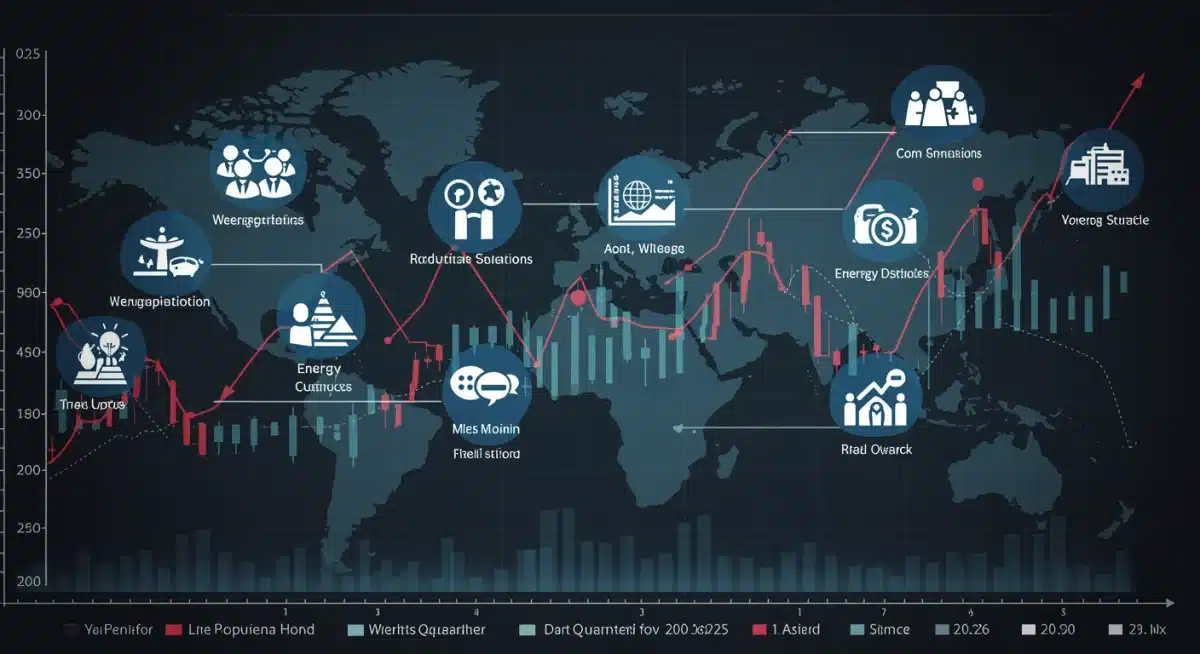
Trade policies and international agreements are powerful tools in the geopolitical arsenal, and their evolution in early 2026 will significantly shape the US stock market. Shifts in tariff structures, the formation or dissolution of trade blocs, and disputes over intellectual property can create both headwinds and tailwinds for various industries and companies.
Governments often use trade as a lever to achieve foreign policy objectives, and these actions directly impact multinational corporations, supply chains, and consumer prices. Investors must therefore pay close attention to the rhetoric and actions emanating from major trading nations.
Tariffs and protectionism
The re-emergence of protectionist tendencies in some regions poses a risk to global trade. Tariffs on imported goods increase costs for businesses and consumers, potentially stifling economic growth. Conversely, the reduction of trade barriers can open new markets and boost corporate revenues.
Companies with significant international operations are particularly vulnerable to changes in trade policy. Those reliant on specific imported components or those exporting heavily to targeted markets may see their profitability affected. Investors should evaluate a company’s global exposure and its resilience to potential trade disruptions.
The role of trade agreements
- Bilateral agreements: New agreements between two nations can create preferential access for certain goods and services, benefiting specific industries.
- Multilateral blocs: The strengthening or weakening of large trade blocs (e.g., EU, ASEAN) can redefine global trade flows and competitive landscapes.
- Digital trade rules: Emerging agreements on digital services and data flows will impact technology companies and cross-border e-commerce.
The landscape of international trade is constantly being redrawn. Companies that can adapt quickly to changing rules, diversify their markets, or leverage new agreements will likely outperform. For the US stock market, the overall direction of trade policy will be a key determinant of economic expansion and corporate profitability in the coming months.
Technological competition and cybersecurity threats
Technological competition and escalating cybersecurity threats represent another significant geopolitical dimension influencing the US stock market in early 2026. Nations are increasingly vying for technological supremacy, particularly in critical areas like AI, quantum computing, and advanced semiconductors. This competition often manifests as export controls, sanctions, and state-sponsored industrial espionage, directly impacting tech companies and related sectors.
Simultaneously, the threat of cyberattacks, both from state actors and sophisticated criminal organizations, poses a continuous risk to critical infrastructure, financial institutions, and corporate data, leading to potential market disruptions and significant financial losses.
The race for technological dominance
The global race for technological dominance has profound implications for the stock market. Governments are investing heavily in research and development, while also implementing policies to protect domestic industries and prevent foreign rivals from gaining an advantage. This can lead to both opportunities for innovation and challenges for companies caught in the crossfire of international competition.
Sectors like cybersecurity, artificial intelligence, and advanced manufacturing are at the forefront of this competition, experiencing both rapid growth and increased regulatory scrutiny. Investors must assess which companies are best positioned to thrive in this environment, considering their intellectual property, market access, and resilience to geopolitical pressures.
Cybersecurity as a national security concern
- Infrastructure attacks: Cyberattacks targeting energy grids, financial systems, or transportation networks can cause widespread disruption and economic damage.
- Data breaches: High-profile data breaches can erode consumer trust, lead to regulatory fines, and significantly impact a company’s stock value.
- Intellectual property theft: State-sponsored hacking aimed at stealing trade secrets can undermine a company’s competitive edge and long-term profitability.
The increasing frequency and sophistication of cyber threats make cybersecurity a paramount concern for businesses and governments. Companies investing robustly in cybersecurity measures and demonstrating resilience to attacks will likely gain investor confidence. For the US stock market, a major cyber incident could trigger broad market declines, highlighting the need for vigilance and preparedness.
Investor sentiment and market volatility
Investor sentiment and market volatility are intrinsically linked to geopolitical events, creating a dynamic and often unpredictable environment for the US stock market in early 2026. Uncertainty stemming from global political tensions can lead to rapid shifts in investor confidence, triggering sell-offs or flight-to-safety movements, even in the absence of fundamental economic changes.
The psychological aspect of investing plays a significant role, as perceptions of risk can sometimes outweigh objective data. Geopolitical headlines, whether related to conflict, diplomatic breakthroughs, or economic sanctions, can quickly sway market participants and amplify existing trends.
Measuring market reactions
Market volatility, often measured by indices like the VIX, tends to spike during periods of heightened geopolitical stress. This volatility reflects the collective anxiety of investors who are attempting to price in potential future risks. Companies and sectors perceived as more exposed to geopolitical risks may experience greater fluctuations in their stock prices.
Conversely, perceived de-escalation of tensions or positive diplomatic developments can lead to a relief rally, pushing market indices higher. The challenge for investors lies in distinguishing between short-term noise and long-term structural shifts driven by geopolitical forces.
Strategies for navigating volatility
- Diversification: Spreading investments across different asset classes, geographies, and sectors can help mitigate the impact of localized geopolitical shocks.
- Defensive assets: Allocating a portion of the portfolio to safe-haven assets like gold, certain government bonds, or defensive stocks can provide stability during turbulent times.
- Long-term perspective: Focusing on long-term investment goals rather than reacting to every short-term geopolitical event can help investors avoid emotional decisions.
- Risk management: Implementing clear risk management strategies, including stop-loss orders or options strategies, can help protect capital during periods of high volatility.
Ultimately, geopolitical events inject an element of unpredictability into the US stock market. Successful navigation requires not only a deep understanding of global affairs but also a disciplined approach to investing, prioritizing risk management and a rational assessment of opportunities and threats.
| Key Market Factor | Geopolitical Influence |
|---|---|
| Supply Chains | Conflicts and trade disputes create bottlenecks, increasing costs and inflation. |
| Energy Prices | Middle East tensions and production policies drive oil and gas volatility. |
| Tech Sector | Geopolitical competition for AI and semiconductors impacts innovation and trade. |
| Investor Sentiment | Uncertainty from global events fuels market volatility and risk aversion. |
Frequently asked questions about geopolitical impact on markets
Geopolitical events impact the US stock market by influencing investor confidence, disrupting global supply chains, causing fluctuations in commodity prices, and altering trade policies. These factors can lead to increased volatility, shifts in corporate earnings, and changes in overall economic outlook, directly affecting stock valuations and market indices.
In early 2026, major risks include escalating Sino-US tensions, prolonged conflicts in Eastern Europe and the Middle East, and significant shifts in global trade agreements. These events can disrupt energy supplies, impact technology sectors, and undermine investor confidence, leading to potential market downturns or sector-specific challenges.
Yes, informed investors can potentially profit from geopolitical volatility. Strategies include investing in defensive sectors, commodities like gold, or companies with strong balance sheets and diversified operations. Short-selling overvalued assets or using options to hedge against risk can also be employed, though these carry higher risk levels.
Cybersecurity is a geopolitical factor as state-sponsored attacks can disrupt critical infrastructure, steal intellectual property, and destabilize financial systems. Major cyber incidents can lead to significant economic losses, regulatory fines, and a loss of investor trust, directly impacting company valuations and the broader stock market.
Central banks, like the Federal Reserve, play a crucial role by adjusting monetary policy to counter geopolitical economic shocks. They can implement measures such as interest rate changes, quantitative easing, or providing liquidity to stabilize financial markets, manage inflation, and support economic growth during periods of uncertainty.
Conclusion
The 3-month outlook for the US stock market in early 2026 is undeniably intertwined with the complex web of geopolitical events. From evolving trade policies and supply chain disruptions to the volatility of energy markets and the intense competition in technology, global political dynamics are shaping economic realities and investor sentiment. Navigating this environment requires a deep understanding of international relations and their potential economic ripple effects. Investors who remain informed, embrace diversification, and maintain a long-term perspective will be better equipped to identify opportunities and mitigate risks in a constantly shifting global landscape.