Dental and Vision Benefits 2026: Choose Best Family Plan, Save 20%

Comparing Dental and Vision Benefits in 2026: How to Choose the Best Plan for Your Family’s Needs and Save 20% on Costs
In the ever-evolving landscape of healthcare, understanding and choosing the right dental and vision benefits for your family in 2026 is more crucial than ever. With rising healthcare costs and an increasing emphasis on preventive care, making an informed decision can not only safeguard your family’s health but also lead to significant financial savings. This comprehensive guide will delve into the intricacies of dental and vision plans, offering insights into how to compare options, identify cost-saving opportunities, and ultimately select the best coverage for your loved ones, potentially saving you up to 20% on your annual healthcare expenditures.
The year 2026 is on the horizon, bringing with it new plan structures, updated coverage details, and potentially different providers. Proactive research and understanding the nuances of these benefits are key to ensuring your family receives the care they need without breaking the bank. From routine check-ups and cleanings to unexpected emergencies, having robust dental and vision coverage is an investment in your family’s overall well-being.
The Importance of Dental and Vision Care for Your Family’s Overall Health
Often viewed as separate entities, dental and vision health are inextricably linked to your family’s overall well-being. Poor oral hygiene can lead to a host of systemic health issues, including heart disease, diabetes complications, and respiratory infections. Similarly, uncorrected vision problems can impact learning, productivity, and quality of life, especially for children whose academic performance can suffer significantly due to undetected vision impairments. Regular dental check-ups and eye exams are not just about maintaining a bright smile or clear sight; they are vital components of a holistic health strategy.
For children, early detection and treatment of dental and vision issues are paramount. Cavities in primary teeth can affect the development of permanent teeth, while untreated vision problems can lead to permanent vision loss or amblyopia (lazy eye) if not addressed during critical developmental stages. For adults, preventive care helps in identifying potential problems early, often before they become more serious and costly to treat. This is where comprehensive dental and vision benefits come into play, providing the necessary financial support to access these essential services.
Understanding the Landscape of Dental Benefits in 2026
Dental insurance plans in 2026 will likely continue to offer a variety of structures, each with its own advantages and disadvantages. The most common types include:
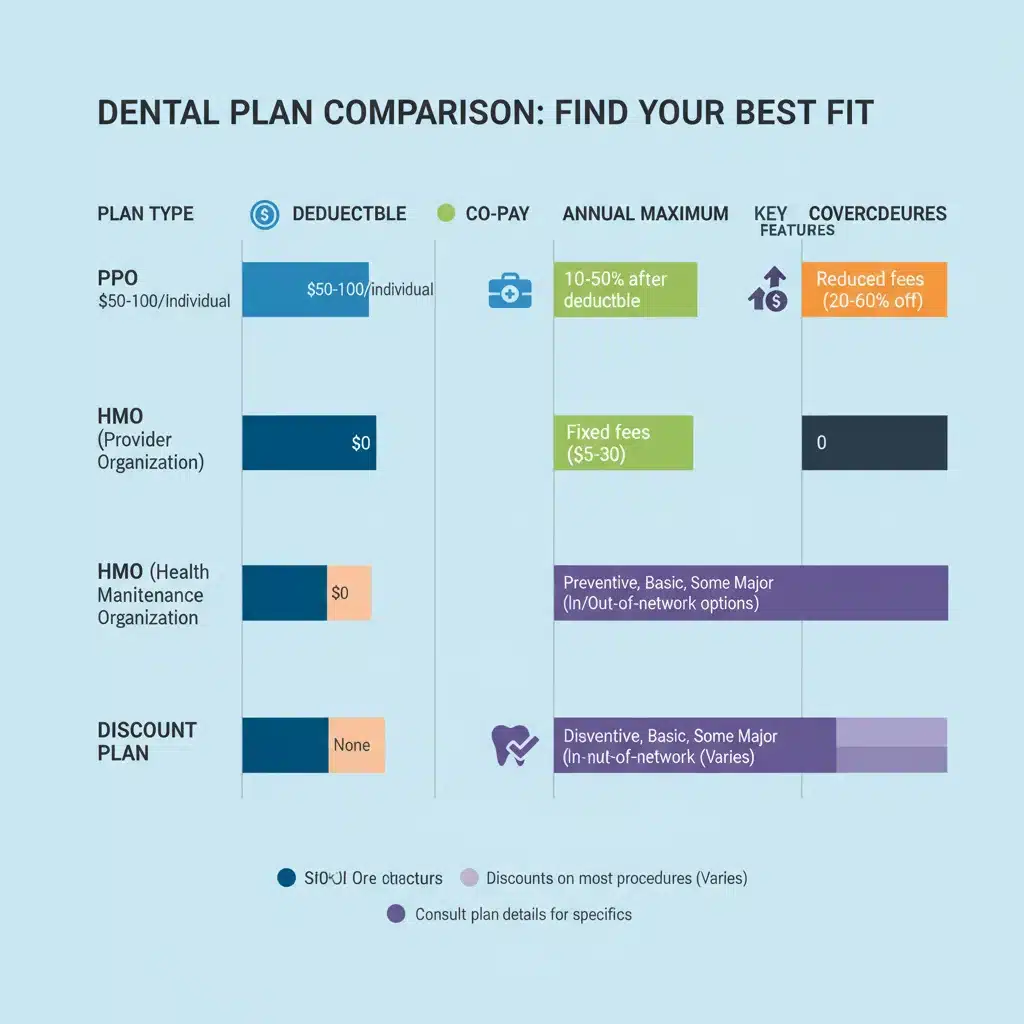
- Preferred Provider Organization (PPO) Plans: These plans offer flexibility, allowing you to choose any dentist, though you’ll save money by staying within the plan’s network of preferred providers. PPOs typically cover a percentage of costs for preventive, basic, and major services after a deductible is met.
- Dental Health Maintenance Organization (DHMO) Plans: DHMOs require you to select a primary care dentist within their network. You’ll need a referral from this dentist to see specialists. These plans often have lower premiums and co-pays, but less flexibility in choosing your dentist.
- Dental Discount Plans: Not technically insurance, these plans offer reduced rates on dental services from participating dentists. You pay an annual fee and then receive a percentage off the standard cost of treatments. These can be a good option for those seeking lower monthly costs and who don’t anticipate extensive dental work.
- Indemnity Plans: Also known as traditional insurance, these plans allow you to see any dentist and then submit a claim for reimbursement. They offer maximum flexibility but often come with higher premiums and more paperwork.
When evaluating dental plans for 2026, pay close attention to the following key components:
- Premiums: The monthly or annual cost of the plan.
- Deductibles: The amount you must pay out-of-pocket before your insurance begins to cover costs.
- Co-pays/Coinsurance: The fixed amount you pay for a service (co-pay) or the percentage of the cost you pay (coinsurance) after your deductible is met.
- Annual Maximums: The maximum amount the insurance company will pay for your dental care in a plan year.
- Coverage for Preventive Care: Most plans cover 100% of preventive services like cleanings, exams, and X-rays.
- Coverage for Basic Procedures: Fillings, simple extractions, and root canals typically fall under this category, with coverage often ranging from 70% to 80%.
- Coverage for Major Procedures: Crowns, bridges, dentures, and oral surgery usually have lower coverage, often around 50%.
- Waiting Periods: Some plans impose waiting periods before certain services (especially major procedures) are covered.
Understanding these elements is crucial for comparing different Dental Vision Benefits 2026 options and determining which plan best aligns with your family’s anticipated dental needs and budget.
Navigating Vision Benefits in 2026: What to Look For
Vision insurance, like dental insurance, is designed to help cover the costs associated with eye care and eyewear. While medical insurance typically covers eye injuries or diseases, vision plans focus on routine eye exams, prescription glasses, and contact lenses. In 2026, you can expect vision plans to generally fall into a few categories:
- Vision Benefits Packages: These are often offered as a rider to a health insurance plan or as a standalone plan. They typically cover a portion of eye exams, frames, lenses, and contact lenses.
- Discount Vision Plans: Similar to dental discount plans, these offer reduced rates on vision services and products from participating providers in exchange for an annual fee.
When evaluating vision plans for 2026, consider these aspects:
- Eye Exam Coverage: Most plans cover a routine eye exam annually or every two years, often with a small co-pay.
- Eyewear Allowance: Plans usually provide an allowance for frames and/or lenses, with varying amounts. You’ll pay the difference if your chosen eyewear exceeds the allowance.
- Contact Lens Coverage: Some plans offer an allowance for contact lenses instead of glasses, or a partial coverage for both.
- Network of Providers: Check if your preferred optometrist or ophthalmologist is in-network.
- Frequency Limits: Be aware of limitations on how often you can get new frames, lenses, or contact lenses (e.g., once every 12 or 24 months).
For families, especially those with children who may need frequent prescription changes or adults who use progressive lenses, a robust vision plan can lead to substantial savings. Early detection of vision problems in children can prevent learning difficulties and ensure proper visual development.
Strategies for Choosing the Best Plan for Your Family and Saving 20%
Selecting the ideal Dental Vision Benefits 2026 plan requires a strategic approach. Here’s how to navigate the options and potentially achieve significant savings:
1. Assess Your Family’s Current and Future Needs
Before comparing plans, take stock of your family’s dental and vision history. Do you have children who might need braces? Are there family members prone to cavities? Does anyone have a complex vision prescription or a history of eye conditions? Anticipating these needs will help you determine the level of coverage required.
- For Dental: If your family primarily needs preventive care, a basic plan with good preventive coverage might suffice. If you anticipate fillings, root canals, or orthodontics, a plan with more comprehensive coverage for basic and major procedures, possibly with lower deductibles and higher annual maximums, would be more appropriate.
- For Vision: If your family members rarely need prescription changes, a plan with a lower premium but decent exam coverage might work. If new glasses or contacts are an annual necessity, prioritize plans with generous eyewear allowances and flexible frequency limits.
2. Compare Plan Types and Their Costs
Once you have a clear picture of your needs, start comparing the different plan types (PPO, DHMO, discount plans for dental; benefits packages, discount plans for vision). Don’t just look at premiums. Consider the total out-of-pocket costs, including deductibles, co-pays, and coinsurance, as well as annual maximums. A plan with a higher premium might offer lower overall costs if it covers a larger percentage of expensive procedures.
3. Understand Networks and Provider Access
If you have a preferred dentist or optometrist, check if they are in-network with the plans you’re considering. Staying in-network almost always results in lower costs. If flexibility is a high priority, a PPO dental plan or a vision plan with a wide network might be a better fit, even if it comes with a slightly higher premium.
4. Look for Bundled Plans and Group Discounts
Many insurance providers offer bundled dental and vision plans, which can sometimes be more cost-effective than purchasing separate policies. Also, check if your employer, professional organization, or even a retail membership offers group discounts on these benefits. These group rates can significantly reduce your premiums.
5. Leverage Preventive Care to Save Money
This is one of the most effective ways to save money. Most dental and vision plans cover preventive services (cleanings, exams, X-rays for dental; routine eye exams for vision) at 100% or with a very low co-pay. Utilizing these benefits regularly can prevent more serious and expensive problems down the line. For instance, a small cavity detected early costs much less to fill than a root canal or extraction resulting from neglect.
6. Consider Waiting Periods and Annual Maximums
Be mindful of waiting periods for major dental procedures. If you anticipate needing a crown or bridge soon, ensure the plan’s waiting period aligns with your timeline. Also, understand the annual maximums. If your family has extensive dental needs, a plan with a higher annual maximum might be worth the higher premium to avoid paying significant costs out-of-pocket once the limit is reached.
7. Utilize Flexible Spending Accounts (FSAs) or Health Savings Accounts (HSAs)
If you have access to an FSA or HSA through your employer, these accounts can be powerful tools for saving on dental and vision costs. You contribute pre-tax dollars to these accounts, which can then be used to pay for deductibles, co-pays, and other out-of-pocket expenses not covered by your insurance. This effectively reduces your healthcare costs by your tax bracket percentage.
8. Review and Re-evaluate Annually
Your family’s needs change, and so do insurance plans. Make it a habit to review your Dental Vision Benefits 2026 annually during open enrollment. This allows you to adjust your coverage to match current needs and take advantage of any new, more cost-effective plans available. For example, if your child finishes orthodontics, you might switch to a plan with lower major procedure coverage and a lower premium.
By diligently following these strategies, families can realistically aim to save 20% or more on their dental and vision healthcare costs in 2026, ensuring access to quality care without financial strain.
Common Pitfalls to Avoid When Choosing Dental and Vision Plans
While the goal is to save money and ensure adequate coverage, several common mistakes can lead to unforeseen expenses or inadequate care. Being aware of these pitfalls can help you make a more informed decision:
- Only Focusing on Premiums: A low premium might seem attractive, but if the plan has high deductibles, co-pays, or low annual maximums, your out-of-pocket costs could quickly escalate, especially if extensive care is needed. Always consider the total cost of ownership.
- Ignoring Waiting Periods: Some dental plans have waiting periods (e.g., six months for basic procedures, twelve months for major procedures). If you enroll in a new plan and immediately need a costly procedure, you might find it’s not covered yet, leaving you with the full bill.
- Not Understanding Network Restrictions: DHMOs and some PPO plans have strict networks. If you go out-of-network, you might receive little to no coverage, or face significantly higher costs. Confirm your preferred providers are in-network before committing to a plan.
- Over-Insuring or Under-Insuring: Purchasing a plan with extensive coverage for services you’ll never use is a waste of money. Conversely, choosing a minimalist plan when you anticipate significant dental or vision needs can lead to massive out-of-pocket expenses. Balance coverage with your family’s actual needs.
- Neglecting the Fine Print: Always read the plan’s Summary of Benefits and Coverage (SBC) carefully. This document outlines what is covered, what isn’t, and any limitations or exclusions. Pay attention to clauses about pre-existing conditions (though less common in dental/vision, they can exist), cosmetic exclusions, and specific procedure coverage.
- Assuming All Vision Plans are the Same: While many vision plans offer similar basic coverage, the allowances for frames, lenses, and contacts can vary significantly. Some might prioritize contacts, others glasses. Ensure the plan aligns with your family’s preferred eyewear.
- Not Utilizing Preventive Benefits: Even with insurance, many people skip routine check-ups and cleanings. This is a missed opportunity to catch problems early and utilize benefits that are often 100% covered, ultimately leading to more expensive treatments in the future.
Avoiding these common missteps will empower you to make a more effective and economical choice for the Dental Vision Benefits 2026.
The Future of Dental and Vision Care: Trends to Watch in 2026
As we look towards 2026, several trends are shaping the future of dental and vision care that could influence your benefit choices:
- Telemedicine and Teledentistry: The integration of virtual consultations for initial assessments, follow-ups, and even some diagnostic purposes is growing. This can offer convenience and reduce costs, particularly for those in rural areas or with limited mobility. Some plans may start to incorporate specific coverage for these virtual services.
- Increased Focus on Preventive and Wellness Programs: Insurers are increasingly recognizing the long-term cost savings associated with preventive care. Expect to see more robust preventive benefits and wellness incentives, such as discounts for maintaining good oral hygiene or participating in health programs.
- Advanced Technology Integration: From AI-powered diagnostics in dentistry to advanced lens technologies in vision care, technology is making treatments more effective and personalized. Some premium plans might offer coverage for these cutting-edge options.
- Personalized Benefits: There’s a growing movement towards more personalized benefit packages, allowing individuals to customize their coverage based on specific needs rather than a one-size-fits-all approach. Keep an eye out for such flexible options.
- Transparency in Pricing: Consumer demand for greater transparency in healthcare costs is pushing providers and insurers to offer clearer pricing structures. This can help you better estimate out-of-pocket expenses.
- Integration of Oral and Systemic Health: The understanding of the link between oral health and overall health is deepening. We may see more plans that integrate dental care with general medical care, offering a more holistic approach to health management.
Staying abreast of these trends can help you anticipate changes in coverage and make forward-thinking decisions about your family’s Dental Vision Benefits 2026.
Case Studies: Real-World Savings with Smart Choices
To illustrate the potential for savings, let’s consider a few hypothetical scenarios:
Case Study 1: The Young Family with Growing Kids
The Millers, a family of four with two young children, anticipate regular dental check-ups, occasional fillings, and potential orthodontic needs in the coming years. They are also active and their children frequently need new glasses due to growth and wear and tear. Instead of opting for separate, basic dental and vision plans, they chose a bundled PPO plan through their employer. This plan had a slightly higher monthly premium but offered:
- 100% coverage for two dental cleanings and exams per year.
- 80% coverage for basic dental procedures after a low deductible.
- A generous annual allowance for frames and lenses for each family member.
- No waiting period for major dental procedures, which was crucial as their eldest might need braces soon.
By utilizing all preventive care, taking advantage of the eyewear allowance, and ensuring their dentist and optometrist were in-network, the Millers estimated their annual out-of-pocket costs were 25% lower than if they had chosen two separate, less comprehensive plans. The higher annual maximum on their dental plan also gave them peace of mind regarding future orthodontic expenses.
Case Study 2: The Retiree Couple on a Fixed Income
John and Mary, both in their late 60s, are on a fixed income but understand the importance of maintaining their oral and eye health. They don’t anticipate extensive dental work but need regular check-ups, and Mary requires new progressive lenses annually. They opted for a dental discount plan combined with a standalone vision benefits package.
- The dental discount plan required a low annual fee and offered 30-50% off all dental services from participating providers. This was ideal for their routine cleanings and occasional minor procedures, as they didn’t have to worry about deductibles or annual maximums.
- Their vision plan had a modest monthly premium but provided 100% coverage for annual eye exams and a substantial allowance for frames and lenses, covering most of Mary’s annual eyewear cost.
By carefully selecting a combination of plans that matched their specific, lower-intensity needs, John and Mary were able to manage their dental and vision costs effectively, saving approximately 18% compared to traditional insurance options that would have provided more coverage than they needed, at a higher premium.
Case Study 3: The Single Professional with Occasional Needs
Sarah, a 30-year-old professional, has generally good dental and vision health but wants coverage for routine care and unexpected issues. She opted for a DHMO dental plan and a basic vision benefits package.
- Her DHMO dental plan had very low monthly premiums and co-pays for preventive and basic procedures, provided she stayed with her assigned in-network dentist.
- Her vision plan covered annual eye exams with a small co-pay and offered a modest allowance for contact lenses, which she uses.
Sarah’s choice allowed her to access affordable routine care and have peace of mind for minor issues, all while keeping her monthly costs low. Her estimated savings were around 15% by choosing plans that focused on her primary need for affordable preventive and basic care within a network.
These examples highlight that the ‘best’ plan isn’t one-size-fits-all. It depends on your family’s unique circumstances, health history, and financial situation. The key is thorough research and a willingness to explore different combinations of coverage.
Conclusion: Empowering Your Family’s Health and Savings in 2026
Choosing the right Dental Vision Benefits 2026 for your family is a critical decision that impacts both your health and your finances. By understanding the different types of plans available, meticulously assessing your family’s needs, and strategically comparing options, you can secure comprehensive coverage that not only protects your loved ones but also leads to significant cost savings – potentially up to 20% or more. Remember, preventive care is your best ally in managing long-term health costs. Regular dental check-ups and eye exams can detect issues early, preventing them from escalating into more serious and expensive problems. As 2026 approaches, take the time to review your options, ask questions, and make an informed choice that empowers your family’s health and financial well-being for the years to come.