Veterans’ Healthcare Programs 2026: Fast Access Guide
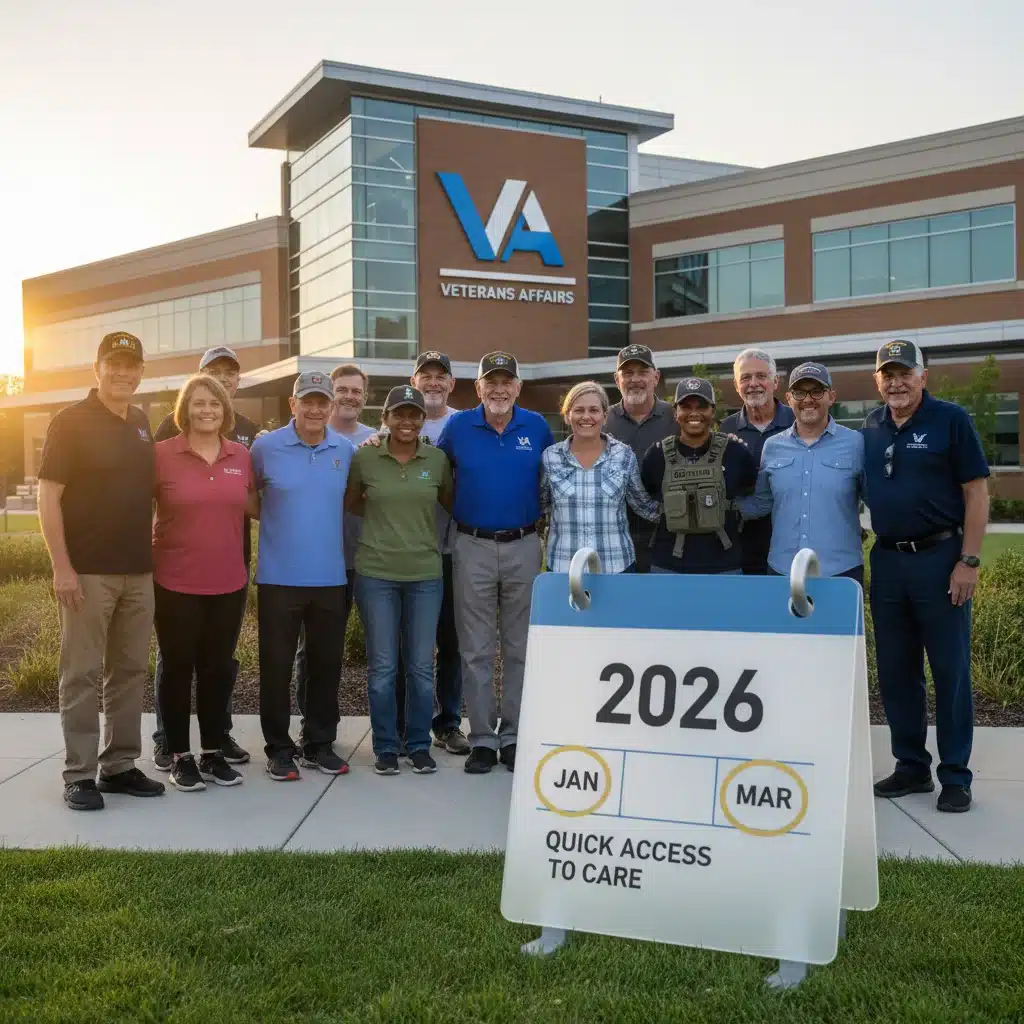
For the brave men and women who have served our nation, access to quality healthcare is not just a privilege, but a fundamental right. As we look ahead to 2026, significant enhancements and new initiatives are being rolled out within the Department of Veterans Affairs (VA) healthcare system. These changes aim to streamline processes, expand services, and ultimately ensure that every veteran receives the comprehensive care they need, faster than ever before. This guide is your essential roadmap to understanding and accessing the new Veterans Healthcare 2026 programs, with a focus on helping you navigate the system and secure your benefits within a three-month timeframe.
The landscape of veterans’ healthcare is constantly evolving, driven by ongoing research, technological advancements, and a deeper understanding of the unique health challenges faced by service members. The year 2026 marks a pivotal moment, with new legislative mandates, increased funding, and a renewed commitment to veteran well-being. Whether you’re a newly discharged service member or a long-time veteran, understanding these updates is crucial for maximizing your healthcare entitlements. Our goal is to demystify the process, providing clear, actionable steps to ensure you can leverage these new programs effectively and efficiently.
Understanding the Core Changes in Veterans Healthcare 2026
The year 2026 brings forth a series of transformative changes designed to enhance the VA healthcare experience. These updates are broad-ranging, touching upon eligibility criteria, service offerings, and the very mechanisms through which veterans interact with the VA system. A primary focus of these reforms is to reduce wait times and expand access to specialized care, particularly in rural areas and for conditions that have historically been underserved.
One of the most significant shifts in Veterans Healthcare 2026 is the emphasis on proactive health management and preventative care. The VA is investing heavily in programs that not only treat existing conditions but also empower veterans to maintain optimal health throughout their lives. This includes expanded mental health services, integrated care models for chronic conditions, and innovative telemedicine options that bring healthcare directly to the veteran’s home.
Key Legislative Updates and Their Impact
Several legislative actions preceding 2026 have laid the groundwork for these new programs. These include measures aimed at expanding presumptive conditions for Agent Orange exposure, burn pit exposure, and other environmental hazards. For veterans affected by these conditions, the process of proving service connection has been simplified, significantly easing the burden of accessing care and benefits. Understanding these legislative changes is the first step in determining your eligibility for new or expanded services.
Moreover, there’s been a substantial push to address the backlog of disability claims and improve the efficiency of the appeals process. While not directly healthcare services, faster processing of claims can indirectly expedite access to healthcare by confirming eligibility and providing financial stability for veterans to pursue necessary treatments. This integrated approach highlights the VA’s commitment to holistic veteran support.
Expansion of Community Care Options
The Community Care program, which allows veterans to receive care from non-VA providers in their local communities under certain circumstances, is also seeing significant enhancements in 2026. The criteria for accessing community care are being refined to ensure veterans have more choices and shorter travel times. This is particularly beneficial for veterans living far from a VA facility or those who require specialized care not readily available within the VA system. Navigating these expanded options requires a clear understanding of the new referral processes and approved provider networks.
Step-by-Step Guide to Accessing New Programs Within 3 Months
Achieving access to your desired Veterans Healthcare 2026 programs within three months requires a systematic approach. This section breaks down the process into manageable steps, from initial eligibility checks to scheduling your first appointment.
Month 1: Eligibility and Documentation
Step 1: Verify Your Eligibility
The first and most critical step is to confirm your eligibility for VA healthcare. While most veterans are eligible, specific programs may have additional requirements. You generally need to have served in the active military, naval, or air service and have been separated under any condition other than dishonorable. Enrollment priority is given to veterans with service-connected disabilities, low incomes, or other specific criteria.
Actionable Tip: Visit the official VA website (VA.gov) or call the VA Health Benefits Call Center to confirm your current eligibility status. If you’re unsure, it’s always best to inquire.
Step 2: Gather Essential Documents
Preparation is key. Before applying, ensure you have all necessary documentation. This typically includes:
- Your DD Form 214, Certificate of Release or Discharge from Active Duty.
- Social Security Number.
- Financial information (previous year’s gross household income, deductible expenses) for income-based eligibility.
- Health insurance information (if applicable).
- Any medical records related to service-connected conditions or other health concerns.
Having these documents readily available will significantly speed up the application process for Veterans Healthcare 2026.
Step 3: Initiate Your Application
You can apply for VA healthcare benefits in several ways:
- Online: The quickest method is often through the VA’s official website (VA.gov) by completing VA Form 10-10EZ, Application for Health Benefits.
- By Mail: Download VA Form 10-10EZ, fill it out, and mail it to the VA Health Eligibility Center.
- In Person: Visit your local VA medical center or clinic and apply with the help of VA staff.
- With Assistance: Veterans Service Organizations (VSOs) like the American Legion, VFW, or Disabled American Veterans (DAV) can provide invaluable assistance with the application process, often at no cost.
Timeline Goal for Month 1: Submit your application within the first two weeks. The VA typically processes applications within a few weeks, sometimes faster for online submissions. Aim to receive your eligibility decision by the end of Month 1.

Month 2: Enrollment and Initial Assessment
Step 4: Confirm Enrollment and Understand Your Priority Group
Once your application is processed, you will receive a notification regarding your enrollment status and assigned priority group. The VA assigns veterans to one of eight priority groups based on factors like service-connected disabilities, income levels, and other specific criteria. Your priority group determines when you are enrolled and how much, if anything, you may have to pay for care.
Understanding your priority group is crucial as it directly impacts your access to certain services and potential co-pays. If you believe you’ve been assigned to an incorrect priority group, you have the right to appeal the decision and provide additional documentation.
Step 5: Schedule Your New Patient Orientation and Initial Health Screening
Upon enrollment, the VA will typically invite you for a new patient orientation and an initial health screening. This is a vital step in accessing Veterans Healthcare 2026. During this appointment, a VA healthcare provider will conduct a comprehensive assessment of your health needs, discuss your medical history, and identify any immediate or long-term care requirements. This is also an opportunity to discuss specific concerns related to new programs, such as expanded mental health services or specialized treatments for presumptive conditions.
Actionable Tip: Be proactive in scheduling this appointment as soon as you receive notification. Delays here can push back your access to care. Prepare a list of all your health concerns, medications, and any questions you have about the new 2026 programs.
Step 6: Explore New Program Offerings
During your initial assessment, inquire specifically about the new Veterans Healthcare 2026 programs that are relevant to your health needs. For example:
- If you have conditions related to toxic exposures, ask about the expanded presumptive conditions and how they apply to your case.
- If you live in a rural area, discuss the enhanced telemedicine options and community care eligibility.
- For mental health concerns, inquire about the expanded counseling, therapy, and support group programs.
The VA staff are there to guide you, but being informed about the new offerings will help you ask the right questions and ensure you receive all applicable benefits.
Timeline Goal for Month 2: Complete your new patient orientation and initial health screening, and have a preliminary care plan established. By the end of this month, you should have a clear understanding of the VA services available to you and be on track for your first treatment appointments.
Month 3: Activating Your Care Plan and Ongoing Support
Step 7: Schedule Follow-Up Appointments and Treatments
With your initial assessment complete and a care plan in place, the third month focuses on actively engaging with the VA healthcare system. Schedule all recommended follow-up appointments, specialist consultations, and treatments. This might include appointments with primary care providers, mental health specialists, physical therapists, or other medical professionals.
Actionable Tip: Utilize My HealtheVet, the VA’s online patient portal, to manage appointments, request prescription refills, and communicate securely with your VA healthcare team. This digital tool is invaluable for efficient healthcare management and is being further integrated with new Veterans Healthcare 2026 initiatives.
Step 8: Understand and Utilize Community Care
If your care plan involves community care, ensure you understand the referral process. The VA must authorize community care before you receive services from a non-VA provider. Your VA healthcare team will typically initiate this referral. Be aware of the specific network providers and ensure your chosen community provider is part of the approved network to avoid unexpected costs.
The expanded community care options under Veterans Healthcare 2026 mean more flexibility, but it’s crucial to follow the proper channels to ensure coverage.
Step 9: Engage with Support Services and Resources
Beyond direct medical care, the VA offers a wealth of support services. These can include:
- Mental Health Resources: Beyond therapy, look into peer support groups, substance use disorder programs, and crisis intervention services.
- Caregiver Support: If you have a caregiver, explore programs designed to support them.
- Benefits Counseling: Regularly check for other benefits you might be eligible for, including disability compensation, education benefits, and housing assistance.
- Veteran Service Organizations (VSOs): Continue to leverage VSOs for ongoing advocacy and information.
These ancillary services are integral to holistic well-being and are often enhanced under the Veterans Healthcare 2026 framework.
Timeline Goal for Month 3: You should be actively receiving care according to your established plan, with all necessary appointments scheduled and a clear understanding of how to access ongoing support and community care options. You have successfully navigated the system and are utilizing the new Veterans Healthcare 2026 programs.

Specific New Healthcare Programs and Services in 2026
Let’s delve deeper into some of the specific new and enhanced programs that are part of Veterans Healthcare 2026. These initiatives are designed to address critical areas of veteran health with innovative solutions.
Enhanced Mental Health and Wellness Initiatives
Recognizing the growing need for mental health support, 2026 sees a significant boost in resources. This includes:
- Expanded Tele-Mental Health Services: Increased availability of virtual counseling and psychiatric appointments, making care more accessible, especially for veterans in remote areas or those with mobility challenges.
- Integrated Behavioral Health: Mental health professionals are being more deeply integrated into primary care teams, allowing for earlier detection and intervention of mental health concerns.
- Trauma-Informed Care Training: All VA staff are receiving enhanced training in trauma-informed care, ensuring a more sensitive and effective approach to veterans with PTSD and other trauma-related conditions.
- Peer Support Networks: Funding for veteran-led peer support programs is increasing, fostering a sense of community and shared experience that is crucial for recovery.
Advanced Chronic Disease Management
For veterans living with chronic conditions such as diabetes, heart disease, or chronic pain, Veterans Healthcare 2026 introduces advanced management strategies:
- Personalized Care Plans: Greater emphasis on individualized treatment plans developed in collaboration with the veteran, focusing on their specific needs and lifestyle.
- Remote Patient Monitoring: Expansion of devices and platforms that allow healthcare providers to monitor vital signs and other health data from a distance, enabling timely interventions and reducing hospital visits.
- Specialized Clinics: Establishment of new specialized clinics for complex chronic conditions, bringing together multidisciplinary teams of experts.
Focus on Women Veterans’ Health
The VA is continuing its commitment to providing gender-specific care for women veterans. 2026 enhancements include:
- Increased Access to Women’s Health Providers: Efforts to recruit and retain more women’s health specialists within the VA system.
- Maternity and Postpartum Care Expansion: Broader coverage and support for maternity care, including mental health support during pregnancy and the postpartum period.
- Gender-Specific Preventative Screenings: Enhanced access to preventative screenings tailored for women’s health needs.
Innovative Rehabilitation Services
Rehabilitation services are also seeing innovation under Veterans Healthcare 2026:
- Adaptive Technologies: Greater availability of cutting-edge adaptive technologies and prosthetics for veterans with physical disabilities.
- Holistic Rehabilitation: Integration of complementary and alternative therapies (e.g., yoga, acupuncture, art therapy) into rehabilitation programs to support overall well-being.
- Vocational Rehabilitation Support: Enhanced programs to help veterans with service-connected disabilities return to work or find new career paths.
Overcoming Potential Hurdles and Maximizing Your Benefits
While the VA is working to streamline processes, navigating any large healthcare system can present challenges. Being prepared and proactive can help you overcome potential hurdles when accessing Veterans Healthcare 2026.
Staying Organized
Maintain a well-organized file (physical or digital) of all your VA-related documents, including application forms, correspondence, appointment confirmations, and medical records. This will be invaluable if you need to refer back to information or appeal a decision.
Effective Communication
Always communicate clearly and concisely with VA staff, whether it’s during an appointment, over the phone, or through My HealtheVet. If you don’t understand something, ask for clarification. Don’t hesitate to voice your concerns or ask for a second opinion if you feel your needs aren’t being met.
Advocacy and Appeals
If your application for benefits is denied, or you disagree with a VA decision, you have the right to appeal. This process can be complex, so it’s highly recommended to seek assistance from a Veterans Service Organization (VSO). They are experts in VA law and can provide free representation and guidance through the appeals process, significantly increasing your chances of a favorable outcome for your Veterans Healthcare 2026 benefits.
Understanding the PACT Act and Its Ongoing Impact
The PACT Act (Sergeant First Class Heath Robinson Honoring our Promise to Address Comprehensive Toxics Act of 2022) has been a monumental piece of legislation, expanding VA healthcare and benefits for veterans exposed to toxic substances. Its full implementation and the rollout of related programs continue into 2026. If you have any history of toxic exposure during service, familiarize yourself with the PACT Act’s provisions. This act significantly broadens presumptive conditions, meaning the VA assumes certain illnesses are linked to military service, making it easier to qualify for healthcare and disability compensation. Many of the new programs in Veterans Healthcare 2026 are direct outgrowths of this landmark legislation.
Leveraging Digital Tools
The VA continues to invest in digital platforms to improve accessibility and efficiency. My HealtheVet is your primary portal for managing your healthcare. Familiarize yourself with its features, including secure messaging, prescription refills, appointment scheduling, and access to your health records. Other VA apps and online resources are also being developed and refined to support Veterans Healthcare 2026 initiatives, so explore what’s available.
Conclusion
The year 2026 represents a significant leap forward in the provision of healthcare for our nation’s veterans. With new programs, expanded services, and a renewed commitment to streamlined access, the Department of Veterans Affairs aims to provide timely, comprehensive, and compassionate care. By understanding the changes, following this step-by-step guide, and proactively engaging with the VA system, you can effectively navigate the landscape of Veterans Healthcare 2026 and ensure you receive the benefits and services you’ve earned and deserve, ideally within a three-month window.
Remember, your service to our country is deeply valued, and accessing quality healthcare is a right you’ve earned. Don’t hesitate to reach out to VA resources, Veterans Service Organizations, and your fellow veterans for support and guidance throughout this process. Your health and well-being are paramount, and the enhanced Veterans Healthcare 2026 programs are designed to support you every step of the way.