Micro-Credentials 2026: Boost Your Career with 3-Month Certifications
The professional world is an ever-evolving landscape, a dynamic ecosystem where the only constant is change. In the face of rapid technological advancements, shifting industry demands, and an increasingly globalized workforce, the traditional models of education and career progression are being reimagined. Gone are the days when a single degree could guarantee a lifelong career path. Today, continuous learning, adaptability, and specialized skills are the true currency of the job market. This is where the concept of 3-month certifications, often referred to as micro-credentials, enters the spotlight, offering a powerful, agile, and incredibly relevant solution for career advancement in 2026 and beyond.
As we navigate further into the 21st century, the demand for highly specific, job-ready skills is skyrocketing. Employers are less concerned with broad theoretical knowledge and more interested in practical competencies that can be immediately applied. This paradigm shift has fueled the rise of micro-credentials, which are short, focused programs designed to equip individuals with targeted skills in a compressed timeframe. These aren’t just fleeting trends; they are foundational elements of the future of work, providing a fast track to upskilling, reskilling, and staying competitive in a rapidly changing economy.
The allure of 3-month certifications lies in their efficiency and direct applicability. Imagine being able to acquire a highly sought-after skill in just twelve weeks, opening doors to new job opportunities, promotions, or even entirely new career paths. This article will delve deep into the phenomenon of micro-credentials, exploring why they are becoming indispensable, what benefits they offer, the leading fields embracing them, and how you can leverage them to supercharge your professional journey in 2026.
The Shifting Landscape: Why Micro-Credentials are Essential for 2026
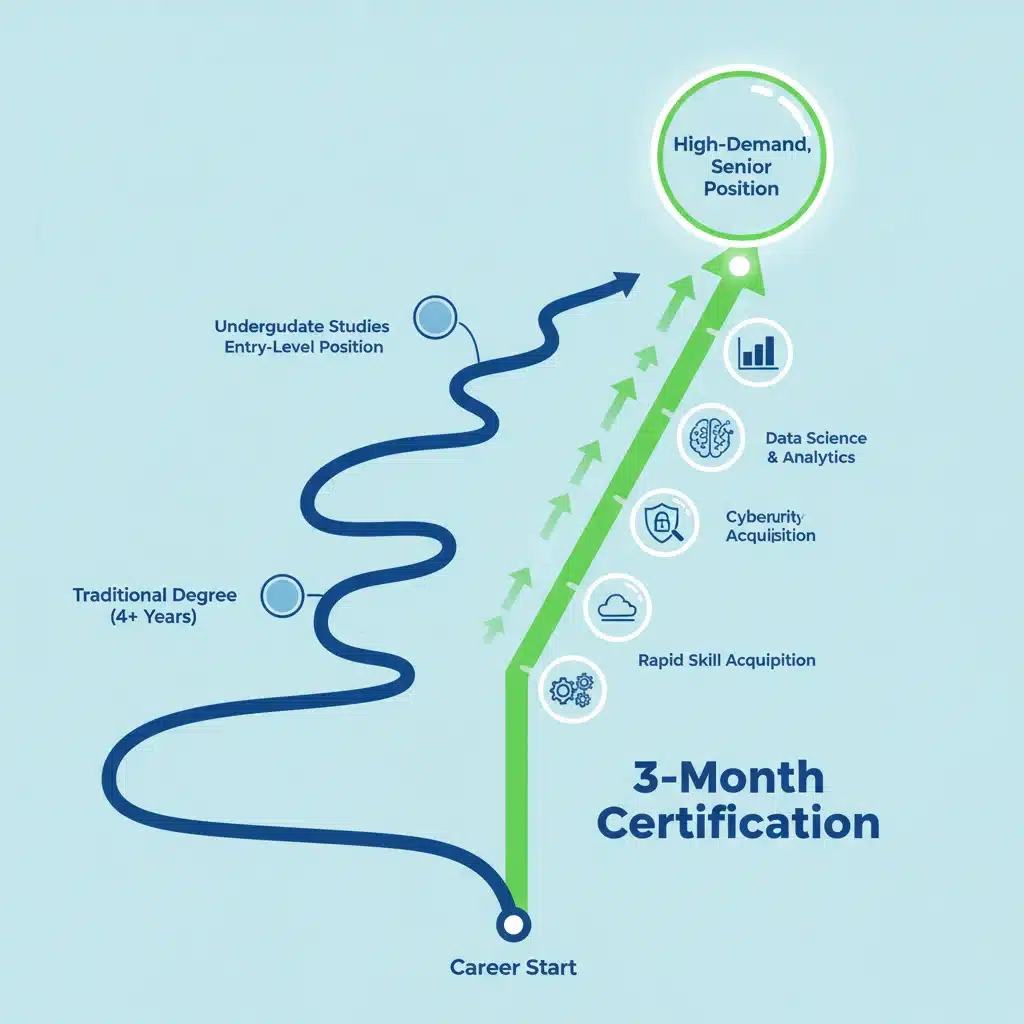
The traditional four-year degree, while still valuable, often struggles to keep pace with the accelerating rate of technological innovation and industry shifts. By the time a student graduates, some of the specific skills learned might already be outdated, or new, more critical skills might have emerged. This ‘shelf life’ of knowledge has created a significant gap that 3-month certifications are perfectly positioned to fill.
In 2026, the job market is characterized by several key trends:
- Rapid Technological Evolution: Fields like Artificial Intelligence, Machine Learning, Data Science, Cybersecurity, and Cloud Computing are not just growing; they are transforming every industry. New tools, platforms, and methodologies emerge constantly.
- Skill Gaps: Many companies struggle to find candidates with the specific, cutting-edge skills required for modern roles. This creates an opportunity for individuals who can quickly acquire and demonstrate these competencies.
- Demand for Agility: The ability to learn new things quickly and adapt to changing environments is paramount. Micro-credentials foster this agility by providing focused, intense learning experiences.
- Remote Work and Global Talent Pools: The rise of remote work has expanded the talent pool globally, increasing competition but also opening up opportunities for individuals with specialized skills, regardless of their geographical location.
- Lifelong Learning Mandate: The concept of a ‘job for life’ has been replaced by a ‘career of continuous learning.’ Professionals are expected to regularly update their skill sets to remain relevant and valuable.
Micro-credentials address these challenges head-on. They provide a surgical approach to education, targeting specific skills that are in high demand, allowing individuals to quickly pivot, specialize, or enhance their existing expertise. The focus on practical application and industry relevance makes these 3-month certifications incredibly attractive to both learners and employers.
Unpacking the Benefits of 3-Month Certifications for Career Growth
The advantages of pursuing 3-month certifications are multifaceted, extending beyond mere skill acquisition to encompass significant career and personal development benefits.
1. Speed and Efficiency: The Fast Track to New Skills
Perhaps the most compelling benefit is the speed at which you can acquire new, job-ready skills. Unlike traditional degrees that can take years, micro-credentials are designed to deliver focused learning outcomes in a matter of weeks. This means you can respond to market demands almost immediately, positioning yourself for new opportunities without a lengthy time commitment.
2. Cost-Effectiveness: A Smarter Investment
Traditional higher education can be prohibitively expensive. 3-month certifications, by their very nature, are significantly more affordable. This reduces the financial barrier to entry for upskilling and reskilling, making advanced education accessible to a broader demographic. It also means a faster return on investment, as you can apply your new skills and potentially earn a higher salary much sooner.
3. Targeted Relevance: Learning What Matters Most
Micro-credentials are often developed in close collaboration with industry experts and employers. This ensures that the curriculum is highly relevant, focusing on the specific tools, technologies, and methodologies that are currently in demand. You learn practical skills that can be immediately applied in a professional setting, rather than spending time on broad theoretical concepts that may not directly contribute to your immediate career goals.
4. Flexibility and Accessibility: Learning on Your Terms
Many 3-month certifications are offered online, providing unparalleled flexibility. This allows professionals to continue working while pursuing their education, balancing their commitments without disruption. The asynchronous nature of many programs means you can learn at your own pace, from anywhere in the world, making them ideal for busy individuals and those in remote locations.
5. Enhanced Employability and Career Mobility
In a competitive job market, specific certifications act as powerful differentiators. Employers recognize the value of these focused skills, viewing certified individuals as proactive, adaptable, and highly competent. Earning 3-month certifications can lead to promotions, salary increases, or a smooth transition into a new career field, significantly boosting your career mobility and overall employability.
6. Bridging Skill Gaps: Reskilling and Upskilling
For those looking to transition into a new industry or advance within their current one, micro-credentials are invaluable. They provide a structured pathway to acquire the necessary skills without committing to a full degree. This is particularly crucial for individuals impacted by automation or industry shifts, offering a viable route to reskill and remain relevant in the workforce.
Top Fields Where 3-Month Certifications are Thriving in 2026
While micro-credentials are gaining traction across numerous sectors, certain industries are particularly fertile ground for these focused learning programs. These are often fields characterized by rapid innovation and a constant need for updated skills.
1. Data Science and Analytics
The ability to collect, analyze, and interpret data is a critical skill in virtually every industry. 3-month certifications in data science often cover topics like Python for data analysis, R programming, SQL, data visualization tools (e.g., Tableau, Power BI), and basic machine learning concepts. These programs are ideal for aspiring data analysts, business intelligence specialists, and even non-technical professionals who need to make data-driven decisions.
2. Artificial Intelligence and Machine Learning
AI and ML are no longer niche technologies; they are at the forefront of innovation. Certifications in this area might focus on specific AI frameworks (TensorFlow, PyTorch), natural language processing (NLP), computer vision, or ethical AI principles. These short programs allow individuals to specialize in a rapidly evolving sub-field of AI, making them highly desirable to tech companies and organizations looking to integrate AI solutions.
3. Cybersecurity
With increasing cyber threats, the demand for skilled cybersecurity professionals is insatiable. 3-month certifications can cover areas such as network security, ethical hacking, incident response, cloud security, or compliance. These programs provide essential, hands-on skills needed to protect digital assets and infrastructure, making graduates immediately valuable in a high-stakes environment.
4. Cloud Computing (AWS, Azure, Google Cloud)
The shift to cloud infrastructure continues unabated. Certifications from major cloud providers like Amazon Web Services (AWS), Microsoft Azure, and Google Cloud Platform (GCP) are highly valued. A 3-month certification might focus on cloud architecture, DevOps on the cloud, serverless computing, or specific cloud security practices, enabling professionals to manage and optimize cloud environments.
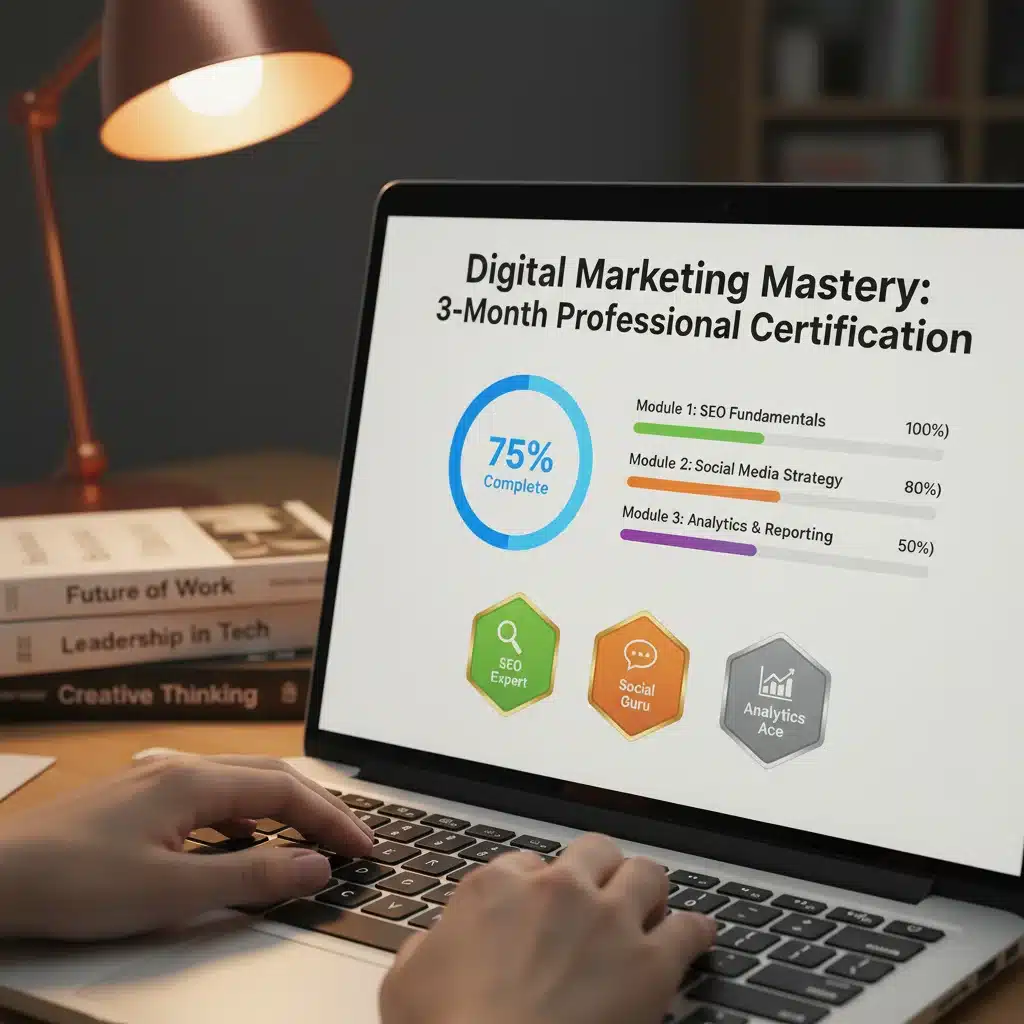
5. Digital Marketing and SEO
In the digital age, effective online presence is crucial for businesses. Micro-credentials in digital marketing can cover search engine optimization (SEO), social media marketing, content marketing, paid advertising (PPC), or analytics. These skills are vital for marketing professionals, small business owners, and anyone looking to enhance their online visibility and reach.
6. Project Management
Efficient project execution is critical for organizational success. While PMP is a comprehensive certification, shorter 3-month certifications can focus on agile methodologies (Scrum, Kanban), project management software (Jira, Asana), or specific aspects of project planning and execution. These programs are beneficial for team leads, aspiring project managers, and even individual contributors who want to manage their tasks more effectively.
7. Web Development and UI/UX Design
The demand for skilled web developers and user experience (UX) designers remains strong. 3-month certifications might teach specific programming languages (JavaScript, Python for web), front-end frameworks (React, Vue), back-end development, or principles of user interface (UI) and user experience (UX) design, enabling rapid entry or specialization in these creative and technical fields.
Choosing the Right 3-Month Certification: What to Consider
With a growing number of providers offering micro-credentials, selecting the right program is critical. Here’s what to look for when considering 3-month certifications:
1. Industry Relevance and Employer Recognition
Research which certifications are highly valued by employers in your target industry. Look for programs developed by reputable institutions, industry leaders, or professional organizations. Check job postings to see which certifications are frequently mentioned.
2. Curriculum and Learning Outcomes
Thoroughly review the curriculum. Does it align with the specific skills you want to acquire? Are the learning outcomes clear and measurable? Look for programs that emphasize hands-on projects, real-world case studies, and practical application.
3. Instructor Expertise
Who are the instructors? Do they have relevant industry experience and expertise in the subject matter? Learning from practitioners can provide invaluable insights and practical knowledge.
4. Learning Format and Flexibility
Consider your learning style and schedule. Do you prefer self-paced online learning, live virtual classes, or a hybrid approach? Ensure the program’s format fits your lifestyle and commitments.
5. Cost and Return on Investment
While generally more affordable than degrees, costs can vary. Evaluate the tuition fees, any additional expenses (e.g., software, materials), and consider the potential return on investment in terms of career advancement and salary increase.
6. Support and Community
Does the program offer student support, career services, or a community forum? A strong support system can significantly enhance your learning experience and networking opportunities.
7. Accreditation and Credibility
While micro-credentials often don’t have traditional academic accreditation, look for providers with a strong reputation for quality and industry partnerships. Some programs might offer pathways to further education or stackable credentials.
Integrating 3-Month Certifications into Your Career Strategy for 2026
Successfully leveraging 3-month certifications requires a strategic approach. It’s not just about collecting badges; it’s about thoughtfully integrating them into your broader career plan.
1. Identify Your Skill Gaps and Career Goals
Start by assessing your current skill set and identifying where you want to be in your career. What skills are missing? What new technologies or methodologies are becoming critical in your field? Use job descriptions for your desired roles as a guide.
2. Stackable Credentials: Building a Comprehensive Skill Set
Many micro-credentials are designed to be ‘stackable.’ This means you can earn several shorter certifications that collectively build towards a more comprehensive skill set or even a larger qualification. This modular approach allows for continuous learning and specialization over time, without the commitment of a single, long program.
3. Showcase Your New Skills Effectively
Once you’ve earned your 3-month certifications, ensure you prominently display them. Update your LinkedIn profile, professional website, and resume. Mention specific projects or case studies you completed during the program. Be prepared to discuss how these new skills directly apply to your target roles.
4. Network with Fellow Learners and Industry Professionals
Many micro-credential programs offer opportunities to connect with peers and instructors. Leverage these networks. Engage in online forums, participate in group projects, and attend virtual events. Networking can lead to mentorship, collaboration, and even job opportunities.
5. Continuous Learning Mindset
The power of 3-month certifications lies in their ability to foster a continuous learning mindset. Embrace the idea that education is an ongoing journey, not a destination. As new technologies emerge, be ready to acquire the next set of relevant skills.
The Future is Now: Micro-Credentials as a Catalyst for Change
The rise of micro-credentials signifies a profound shift in how we approach education and career development. They represent a democratization of specialized knowledge, making high-demand skills accessible to a wider audience and at a faster pace. For individuals, they offer a pathway to increased earning potential, greater job security, and the satisfaction of mastering new challenges.
For employers, embracing candidates with 3-month certifications means access to a highly skilled, agile, and motivated workforce. It means being able to quickly fill critical skill gaps and adapt to market changes with greater efficiency. The traditional hiring model, which often prioritized degrees over demonstrable skills, is giving way to one that values competency and practical expertise, regardless of how it was acquired.
In 2026, the professional who thrives will be the one who is proactive about their learning, who understands the value of targeted skill acquisition, and who is willing to invest in themselves through efficient, effective programs like 3-month certifications. These short, impactful credentials are not just a trend; they are a fundamental component of lifelong learning and a key driver of career success in the modern era.
Whether you’re looking to make a career pivot, climb the corporate ladder, or simply stay ahead of the curve, exploring the world of micro-credentials is a strategic move. The future of work demands continuous evolution, and 3-month certifications offer an unparalleled tool to meet that demand, empowering you to shape your professional destiny with precision and speed.
Embrace the power of focused learning and unlock new possibilities for your career in 2026. The journey to specialized expertise is shorter and more impactful than ever before.