Alert: Major Legislative Push for Infrastructure Spending Bill Totals $1.2 Trillion in Congress
The United States stands on the precipice of a monumental investment in its future. A bipartisan infrastructure spending bill, totaling an staggering $1.2 trillion, is currently navigating the complex legislative pathways of Congress. This ambitious proposal aims to fundamentally reshape the nation’s physical and digital backbone, promising widespread implications for everything from daily commutes to global competitiveness. The discussion surrounding this significant infrastructure spending bill is not just about concrete and steel; it’s about job creation, economic stimulus, environmental resilience, and the very fabric of American society.
For decades, experts and citizens alike have lamented the deteriorating state of American infrastructure. Roads riddled with potholes, aging bridges, unreliable public transit systems, and a persistent digital divide have all underscored the urgent need for comprehensive reform. This proposed $1.2 trillion infrastructure spending bill represents a concerted effort to address these long-standing issues head-on, promising a new era of modernization and efficiency. Understanding the intricacies of this legislation, its potential impacts, and its journey through Congress is crucial for anyone seeking to grasp the future direction of the American economy and its societal landscape.
The Core of the Infrastructure Spending Bill: What It Entails
At its heart, the $1.2 trillion infrastructure spending bill is a multifaceted package designed to tackle a broad spectrum of infrastructure needs. It’s not merely a single project but a comprehensive blueprint for national renewal. The primary focus areas can be broadly categorized into several key sectors, each receiving substantial allocations:
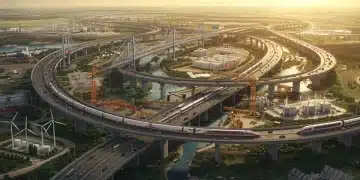
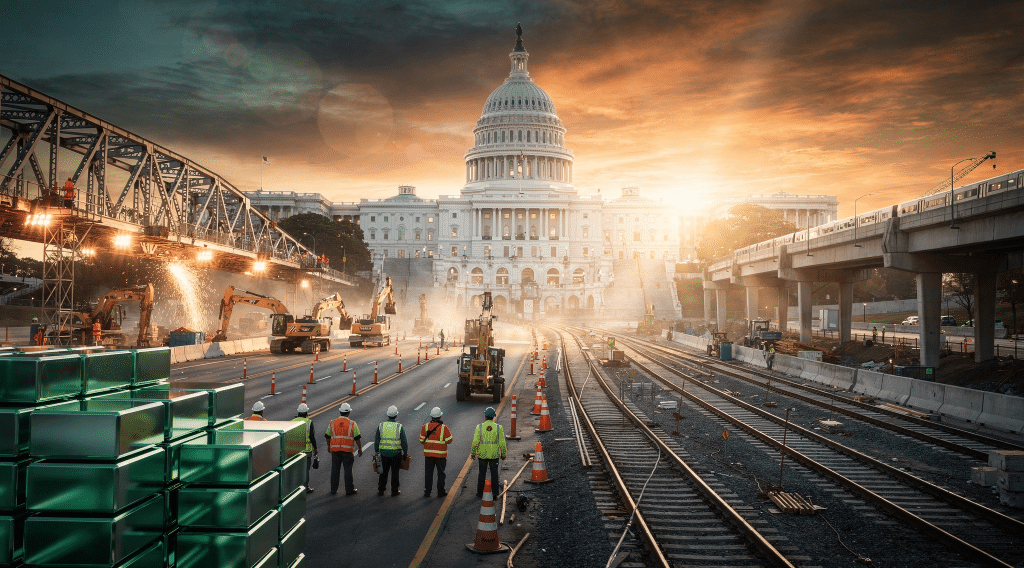
- Roads, Bridges, and Major Projects: A significant portion of the funding is earmarked for repairing and rebuilding the nation’s extensive network of roads and bridges. This includes addressing structural deficiencies, alleviating traffic congestion, and improving safety standards across thousands of miles of highways and countless critical crossings. The goal is to not only fix existing problems but also to build new, resilient infrastructure capable of supporting future growth and climate challenges.
- Public Transit: Modernizing and expanding public transportation systems is another cornerstone of the infrastructure spending bill. This involves upgrading existing subway and bus networks, investing in new rail lines, and making public transit more accessible and efficient for communities nationwide. Improved public transit is expected to reduce carbon emissions, decrease traffic congestion, and provide more equitable access to jobs and services.
- Passenger and Freight Rail: Beyond local transit, the bill also dedicates substantial resources to enhancing intercity passenger rail services and improving freight rail infrastructure. This includes investments in high-speed rail projects and upgrades to existing freight lines, which are vital for the efficient movement of goods across the country, supporting supply chains and economic activity.
- Broadband Internet: In an increasingly digital world, reliable and affordable broadband internet access is no longer a luxury but a necessity. The infrastructure spending bill aims to expand high-speed internet access to millions of unserved and underserved Americans, particularly in rural and low-income areas. This investment is critical for education, healthcare, economic development, and social inclusion.
- Water Infrastructure: Aging water pipes, outdated treatment plants, and contaminated water sources pose significant health and environmental risks. The bill allocates substantial funds to replace lead pipes, improve water treatment facilities, and ensure access to clean, safe drinking water for all communities. This is a critical public health investment that will have long-lasting benefits.
- Power Grid and Clean Energy: The nation’s electrical grid is another area in dire need of modernization. The infrastructure spending bill proposes investments to strengthen the grid against extreme weather events, integrate more renewable energy sources, and accelerate the transition to a clean energy economy. This includes funding for electric vehicle charging stations and grid resilience projects.
- Resilience and Environmental Remediation: Recognizing the growing threat of climate change, the bill also includes provisions for building more resilient infrastructure that can withstand floods, wildfires, and other natural disasters. Additionally, funding is allocated for environmental remediation projects, such as cleaning up Superfund sites and abandoned mines, improving public health and ecological well-being.
Each of these components plays a crucial role in the overarching vision of the infrastructure spending bill: to create a more modern, sustainable, and equitable America. The sheer scale of this investment reflects the magnitude of the challenges it seeks to address and the ambition of its proponents to secure a prosperous future.
Economic Impact and Job Creation: A Detailed Look
One of the most compelling arguments in favor of the $1.2 trillion infrastructure spending bill is its projected economic impact, particularly in terms of job creation and long-term economic growth. Proponents argue that this massive investment will serve as a powerful stimulus, injecting capital into various sectors and creating a ripple effect throughout the economy.
Immediate Job Growth
The most immediate and tangible effect of the infrastructure spending bill is the creation of millions of jobs. Construction projects, by their very nature, are labor-intensive, requiring a vast workforce of engineers, architects, skilled tradespeople, and general laborers. These jobs will not be limited to the construction sector alone; they will also extend to manufacturing (for materials like steel, concrete, and equipment), logistics, and various support services. The White House and independent economic analyses project that the bill could create millions of good-paying jobs over the next decade.
Boosting Economic Productivity
Beyond direct job creation, improved infrastructure has a profound impact on economic productivity. Efficient transportation networks reduce commuting times and shipping costs, making businesses more competitive and supply chains more reliable. Reliable broadband internet fosters innovation, supports remote work, and expands market access for small businesses. A modernized power grid ensures consistent energy supply, reducing disruptions and supporting industrial growth. These improvements translate into higher productivity, which is a key driver of long-term economic growth and increased national wealth.
Furthermore, investments in water infrastructure and environmental remediation improve public health, reducing healthcare costs and increasing workforce participation. When communities have access to clean water and a healthy environment, their residents are more productive and resilient.
Attracting Investment and Enhancing Competitiveness
A nation with robust and modern infrastructure is more attractive to both domestic and foreign investment. Businesses look for stable and efficient operational environments, and top-tier infrastructure provides precisely that. By upgrading its infrastructure, the U.S. can enhance its global competitiveness, drawing in new industries and fostering innovation. This, in turn, leads to further job creation and economic diversification.
Addressing Regional Disparities
The infrastructure spending bill also has the potential to address significant regional economic disparities. By targeting investments in underserved rural areas and economically distressed communities, the bill can help bridge gaps in opportunity and bring much-needed economic activity to regions that have historically been left behind. Expanding broadband access, for instance, can unlock new economic possibilities for rural businesses and residents, fostering entrepreneurship and improving access to education and healthcare.
Long-Term Fiscal Benefits
While the initial cost of the infrastructure spending bill is substantial, proponents argue that the long-term fiscal benefits will outweigh the expenditure. The economic growth generated by improved infrastructure will lead to increased tax revenues, helping to offset the initial investment. Moreover, preventing costly failures of aging infrastructure, such as bridge collapses or widespread power outages, can save billions in emergency repairs and economic losses down the line. Investing now can prevent far greater costs in the future.
In essence, the economic argument for the infrastructure spending bill is rooted in the principle that investing in foundational assets yields significant returns, not just in terms of monetary value but also in human capital, productivity, and overall societal well-being. It is seen as a strategic investment in America’s future prosperity.
The Legislative Journey: Navigating Congress
The path of any major legislative package through the U.S. Congress is notoriously complex, and the $1.2 trillion infrastructure spending bill is no exception. Its journey has been marked by extensive negotiations, political maneuvering, and the delicate balancing of diverse interests. Understanding this process is key to appreciating the efforts involved in bringing such a monumental bill to fruition.
Bipartisan Negotiations
Initially, the concept of a grand infrastructure package faced significant partisan hurdles. However, recognizing the universal need for infrastructure improvements, a bipartisan group of senators worked tirelessly to craft a framework that could garner support from both sides of the aisle. These negotiations were crucial in identifying common ground, compromising on specific provisions, and establishing a funding mechanism that could appease a broad range of political ideologies. The ability to forge a bipartisan consensus on such a substantial infrastructure spending bill is itself a significant achievement in a deeply divided political landscape.
House and Senate Dynamics
Once a bipartisan framework was agreed upon, the bill had to navigate the distinct procedures of the House of Representatives and the Senate. In the Senate, the bill underwent extensive debate, amendments, and ultimately passed with significant bipartisan support. This initial success signaled a strong desire across the political spectrum to advance meaningful infrastructure reform.
The House of Representatives, with its own unique political dynamics and a narrower Democratic majority, presented a different set of challenges. Progressive members advocated for a more expansive package that included social spending initiatives, while moderate Democrats and Republicans focused primarily on traditional infrastructure. The infrastructure spending bill became intertwined with other legislative priorities, leading to delays and intense negotiations to secure enough votes for its passage. The process involved intricate discussions about the scope, funding, and priorities, demonstrating the delicate balance required to unite various factions within each party.
Funding Mechanisms
A critical aspect of any spending bill is its funding. The $1.2 trillion infrastructure spending bill employs a combination of strategies to cover its costs. These include repurposing unspent COVID-19 relief funds, selling off certain assets, user fees, and some adjustments to specific tax provisions. The debate over funding has been one of the most contentious elements, as policymakers strive to ensure fiscal responsibility while delivering on the promise of infrastructure renewal. The chosen funding mechanisms reflect a careful compromise designed to minimize new taxes while still providing substantial investment.
Presidential Support and Implementation
Throughout its legislative journey, the infrastructure spending bill has received strong support from the White House, with the President actively engaging in negotiations and advocating for its passage. Once signed into law, the real work of implementation begins. This involves federal agencies working with state and local governments, private contractors, and various stakeholders to plan, execute, and oversee thousands of projects across the country. The successful implementation of such a massive undertaking will require unprecedented levels of coordination, transparency, and accountability to ensure that funds are used effectively and efficiently.
The legislative journey of the infrastructure spending bill serves as a testament to the complexities of American governance, showcasing the need for compromise, persistence, and a shared vision to address the nation’s most pressing challenges. Its passage signifies a rare moment of bipartisan cooperation on a critical national priority.
Potential Challenges and Criticisms
While the $1.2 trillion infrastructure spending bill has garnered significant support, it is not without its critics and potential challenges. Any undertaking of this magnitude inevitably faces scrutiny regarding its cost, effectiveness, and implementation. Addressing these concerns is vital for the successful execution of the bill’s objectives.
Inflationary Concerns
One of the most frequently raised criticisms revolves around the potential for the massive spending to exacerbate inflationary pressures. With the economy already experiencing higher inflation in certain sectors, some economists and policymakers worry that injecting an additional $1.2 trillion could further drive up prices, particularly for construction materials and labor. Proponents, however, argue that the long-term productivity gains from improved infrastructure will help to mitigate inflationary effects and that the spending is spread out over many years, reducing immediate impact.
Project Delays and Cost Overruns
Infrastructure projects, especially large-scale ones, are notorious for experiencing delays and cost overruns. Bureaucratic hurdles, environmental reviews, permitting processes, and unforeseen technical challenges can all contribute to projects taking longer and costing more than initially projected. Critics express concern that a significant portion of the allocated funds might be absorbed by inefficiencies rather than delivering tangible improvements. Ensuring rigorous oversight, streamlined processes, and effective project management will be crucial to mitigate these risks.
Allocation of Funds and Political Influence
Another area of concern relates to how the funds will be allocated. Questions often arise about the potential for political favoritism, pork-barrel spending, or insufficient attention to the most critical needs. While the bill outlines broad categories for spending, the specific projects and their prioritization will be determined at various levels of government. Ensuring that funds are directed towards projects with the highest economic and societal benefits, rather than political expediency, is a significant challenge. Transparency and accountability in the allocation process will be paramount.
Workforce Shortages
The ambitious scope of the infrastructure spending bill will require a substantial increase in the skilled labor force. There are existing concerns about shortages of qualified workers in construction, engineering, and other trades. Without adequate investment in workforce development, training programs, and apprenticeships, the pace of project execution could be hampered, leading to delays and increased costs. Addressing these workforce challenges proactively is essential for the bill’s success.
Long-Term Maintenance and Sustainability
While the bill focuses heavily on new construction and repairs, there is also the critical issue of long-term maintenance. Building new infrastructure is only one part of the equation; ensuring its ongoing upkeep is equally important to prevent future deterioration. Critics question whether sufficient provisions are in place to guarantee sustainable maintenance funding beyond the initial investment. A robust plan for ongoing operations and maintenance is necessary to safeguard the long-term benefits of the infrastructure spending bill.
These challenges are not insurmountable but require careful planning, robust oversight, and a commitment from all levels of government and stakeholders to overcome. Acknowledging and proactively addressing these potential pitfalls will be key to maximizing the positive impact of this historic infrastructure spending bill.
The Future of American Infrastructure: A Long-Term Vision
The passage and implementation of the $1.2 trillion infrastructure spending bill represent more than just a repair job; they signify a long-term vision for the future of American infrastructure. This legislation is designed to lay the groundwork for a more resilient, sustainable, and technologically advanced nation, capable of meeting the demands of the 21st century and beyond.
Building for Resilience
A significant aspect of this long-term vision is building infrastructure that is more resilient to the impacts of climate change. With increasing frequency and intensity of extreme weather events, from hurricanes and floods to wildfires, the need for robust and adaptable infrastructure has never been greater. The infrastructure spending bill includes provisions for hardening the power grid, elevating roads, protecting coastal communities, and implementing nature-based solutions to mitigate environmental risks. This forward-looking approach aims to reduce future damage and disruptions, saving lives and billions of dollars in recovery costs.
Embracing Innovation and Technology
The bill encourages the adoption of innovative technologies in infrastructure development. This includes smart city technologies, advanced materials, and digital monitoring systems that can improve efficiency, safety, and operational performance. For instance, investments in broadband expansion are not just about connectivity but also about enabling smart grids, intelligent transportation systems, and remote services that leverage technological advancements. This focus on innovation is intended to ensure that America’s infrastructure remains at the forefront of global standards.
Fostering a Green Economy
The infrastructure spending bill is also a critical component of the nation’s transition to a clean energy economy. Investments in electric vehicle charging infrastructure, renewable energy integration into the grid, and public transit expansion all contribute to reducing carbon emissions and combating climate change. This green infrastructure focus aligns with broader environmental goals, creating new industries, and fostering sustainable practices that will benefit future generations. It’s an investment not just in physical assets but in a cleaner, healthier planet.
Enhancing Equity and Access
A core principle underlying the infrastructure spending bill is the commitment to enhancing equity and access for all Americans. By expanding broadband to underserved communities, improving public transit in urban and rural areas, and ensuring clean water access, the bill aims to reduce disparities and create more equitable opportunities. This focus on social equity ensures that the benefits of modernized infrastructure are shared broadly, lifting up communities that have historically been marginalized or neglected.
A Continuous Process of Improvement
Ultimately, the $1.2 trillion infrastructure spending bill should be viewed not as a one-time fix but as a significant step in an ongoing process of infrastructure improvement. The needs of a dynamic economy and an evolving climate will require continuous investment, adaptation, and innovation. This legislation provides a strong foundation, setting a precedent for future commitments to maintaining and upgrading the nation’s vital assets. It’s a testament to the idea that a strong nation requires a strong foundation, both literally and figuratively.
Conclusion: A New Era for American Infrastructure
The $1.2 trillion infrastructure spending bill represents a pivotal moment for the United States. After years of underinvestment and deferred maintenance, Congress has taken a decisive step towards modernizing the nation’s critical infrastructure. This comprehensive legislative package promises not only to repair and rebuild crumbling roads, bridges, and transit systems but also to lay the groundwork for a more resilient, sustainable, and equitable future.
From the immediate economic stimulus and job creation to the long-term benefits of enhanced productivity, global competitiveness, and environmental sustainability, the potential impacts of this infrastructure spending bill are vast and far-reaching. While challenges related to inflation, implementation, and oversight will undoubtedly arise, the bipartisan effort behind this legislation underscores a shared understanding of its importance. As the projects funded by this bill begin to take shape across the country, they will not only improve daily life for millions of Americans but also solidify the nation’s position as a leader in the 21st century. The journey ahead will require continued dedication and collaboration, but the foundation for a revitalized American infrastructure has now been firmly established.