
Understanding the 2026 Changes to Estate Tax Laws in the US: A Financial Planning Alert
The year 2026 looms large on the horizon for many high-net-worth individuals, not just as another calendar year, but as a critical juncture for estate and gift tax planning. The substantial increases in the federal estate and gift tax exemption amounts, ushered in by the Tax Cuts and Jobs Act (TCJA) of 2017, are set to expire. This impending sunset means that without new legislative action, the exemption amounts will revert to their pre-TCJA levels, adjusted for inflation. This shift represents one of the most significant 2026 Estate Tax Changes that individuals and families need to be aware of and proactively plan for.
For those who have meticulously built their wealth, the prospect of a reduced estate tax exemption can be a source of considerable concern. The potential for a larger portion of one’s estate to be subject to federal estate tax necessitates a thorough review of existing estate plans and the implementation of forward-thinking strategies. This comprehensive guide will delve into the specifics of these anticipated 2026 Estate Tax Changes, explore their potential impact, and outline essential planning strategies to help you navigate this complex landscape effectively.
The Tax Cuts and Jobs Act (TCJA) of 2017: A Brief Overview
To fully grasp the implications of the upcoming 2026 Estate Tax Changes, it’s essential to understand the legislation that set the stage: the Tax Cuts and Jobs Act (TCJA) of 2017. This landmark legislation brought about a multitude of changes to the U.S. tax code, significantly impacting individuals and businesses alike. One of its most notable provisions was the dramatic increase in the federal estate, gift, and generation-skipping transfer (GST) tax exemption amounts.
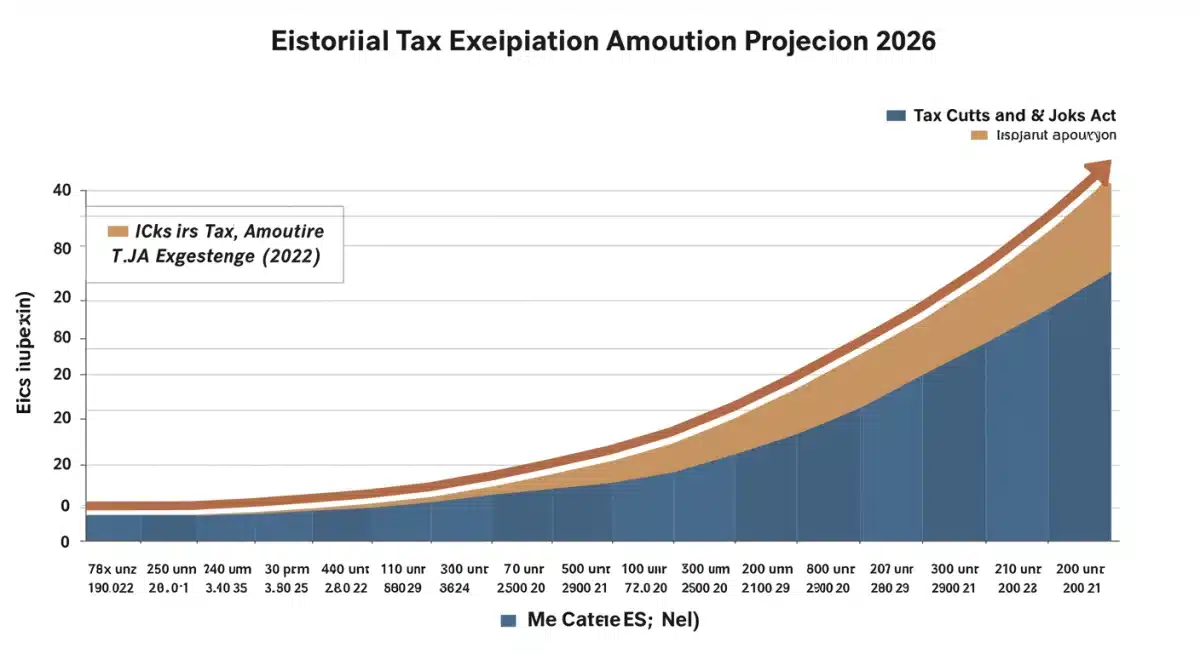
Prior to the TCJA, the basic exclusion amount for federal estate and gift tax purposes was $5 million per individual, indexed for inflation. The TCJA effectively doubled this amount, bringing it to $11.18 million per individual in 2018, and further increasing it with inflation adjustments. For 2023, the exemption stood at $12.92 million per individual, and for 2024, it reached $13.61 million per individual. This unprecedented increase provided a substantial opportunity for many wealthy individuals to transfer significant assets free of federal estate and gift taxes, either during their lifetime or at death.
However, a crucial aspect of the TCJA was its temporary nature concerning these particular provisions. The increased exemption amounts were explicitly set to expire on December 31, 2025. This means that as of January 1, 2026, unless Congress acts to extend or modify these provisions, the exemption amounts will revert to their pre-TCJA levels, adjusted for inflation since 2011. This reversion is the core of the anticipated 2026 Estate Tax Changes and demands immediate attention from anyone whose wealth exceeds or approaches these historical exemption levels.
The Impending Sunset: What Exactly Happens in 2026?
The term "sunset" in tax legislation refers to the expiration of certain provisions, causing the law to revert to its previous state. For the federal estate, gift, and GST tax exemptions, the sunset clause of the TCJA means that on January 1, 2026, the basic exclusion amount will approximately halve. While the exact figure will depend on inflation adjustments up to that point, it is widely expected to fall somewhere in the range of $6 million to $7 million per individual.
This reduction has profound implications. For a married couple, their combined exemption, which currently stands at over $27 million, could drop to approximately $12 million to $14 million. This significant decrease means that many estates that were previously exempt from federal estate tax under the higher TCJA limits will suddenly find themselves subject to it. The federal estate tax rate remains at a top marginal rate of 40%, which can lead to substantial tax liabilities for larger estates.
Understanding the magnitude of these 2026 Estate Tax Changes is the first step in effective planning. It’s not just about the absolute dollar amount of the exemption but also about the strategic opportunities that may be lost if planning is delayed. The window of opportunity to utilize the higher exemption amounts is rapidly closing, making proactive engagement with estate planning professionals more critical than ever.
Who Will Be Most Affected by the 2026 Estate Tax Changes?
While the 2026 Estate Tax Changes will technically affect anyone with an estate, the most significant impact will be felt by high-net-worth individuals and families whose combined assets exceed the anticipated lower exemption amounts. This typically includes:
- Business Owners: Many successful business owners have a significant portion of their wealth tied up in their companies. Without proper planning, the value of their business could push their estate over the lower exemption threshold.
- Real Estate Investors: Individuals with substantial real estate holdings, especially in appreciating markets, may find their estates suddenly exposed to federal estate tax.
- Affluent Families with Intergenerational Wealth: Families accustomed to passing down significant assets across generations will need to re-evaluate their strategies to minimize tax erosion.
- Individuals Who Have Not Utilized Their Current Exemption: Those who have not yet taken advantage of the historically high exemption amounts through lifetime gifting may face a missed opportunity if they wait until after 2025.
It’s crucial to remember that even if your current net worth is below the anticipated 2026 exemption, future appreciation of assets could change your situation. Therefore, a comprehensive review of your financial position and projections is always advisable.
Key Planning Strategies to Prepare for the 2026 Estate Tax Changes
The good news is that there are numerous proactive strategies available to mitigate the impact of the 2026 Estate Tax Changes. The key is to act decisively before the end of 2025. Here are some of the most effective approaches:
1. Maximize Lifetime Gifting
One of the most powerful strategies to reduce your taxable estate is to utilize the current, higher gift tax exemption amount through lifetime gifting. The "use-it-or-lose-it" principle applies here: any portion of the exemption not used by the end of 2025 will effectively be lost when the exemption reverts. The IRS has confirmed that gifts made under the higher exemption amounts will not be clawed back or re-taxed in the future, even if the exemption decreases. This provides a safe harbor for current gifting strategies.
- Outright Gifts: Directly gifting assets to beneficiaries can remove them from your taxable estate.
- Gifts to Trusts: Establishing irrevocable trusts (e.g., Irrevocable Life Insurance Trusts (ILITs), Grantor Retained Annuity Trusts (GRATs), Spousal Lifetime Access Trusts (SLATs)) can be highly effective for transferring wealth while potentially retaining some control or providing for specific beneficiaries.
- Annual Exclusion Gifts: Don’t forget to utilize the annual gift tax exclusion, which allows you to give a certain amount (e.g., $18,000 per donee in 2024) to as many individuals as you wish each year, free of gift tax and without using up your lifetime exemption.
2. Review and Update Existing Estate Documents
Your will, trusts, powers of attorney, and healthcare directives should be reviewed regularly, but the impending 2026 Estate Tax Changes make an immediate review imperative. Clauses related to tax apportionment, marital deductions, and charitable bequests may need adjustment to reflect the new tax landscape. Ensure that your documents align with your current wishes and are optimized for the post-2025 environment.
3. Consider Advanced Gifting Strategies
Beyond simple outright gifts, several sophisticated gifting techniques can be employed:
- Spousal Lifetime Access Trusts (SLATs): A SLAT allows one spouse to make a gift to an irrevocable trust for the benefit of the other spouse, while also potentially benefiting descendants. This strategy uses one spouse’s exemption while providing the other spouse with access to the gifted assets if needed.
- Grantor Retained Annuity Trusts (GRATs): A GRAT allows you to transfer appreciating assets into a trust, retain an annuity payment for a term of years, and then pass the remaining appreciation to beneficiaries gift-tax free. This is particularly effective in a low-interest-rate environment.
- Sales to Intentionally Defective Grantor Trusts (IDGTs): This strategy involves selling assets to an irrevocable trust in exchange for a promissory note. The sale is ignored for income tax purposes, but the assets are removed from your estate for estate tax purposes. Any appreciation above the interest rate on the note passes to beneficiaries free of estate tax.
4. Explore Charitable Giving Strategies
Charitable giving can be a powerful tool for both philanthropic goals and estate tax reduction. Strategies include:
- Charitable Remainder Trusts (CRTs): You transfer assets to a CRT, receive an income stream for a period, and then the remainder goes to charity. You get an income tax deduction, and the assets are removed from your estate.
- Charitable Lead Trusts (CLTs): The charity receives an income stream for a period, and then the remaining assets revert to you or your non-charitable beneficiaries. This can reduce gift or estate taxes on the remainder interest.
- Donor-Advised Funds (DAFs): While not directly reducing your taxable estate, DAFs allow for immediate tax deductions for contributions while granting you advisory privileges over future grants to charities.
5. Utilize Portability (for Married Couples)
Portability allows a surviving spouse to use any unused portion of their deceased spouse’s federal estate tax exemption. While portability is a valuable tool, it does not fully replace proactive planning, especially with the impending reduction in the basic exemption amount. It’s crucial to ensure that the election for portability is properly made on the deceased spouse’s estate tax return (Form 706), even if no tax is due. This preserves the remaining exemption for the surviving spouse.
6. Re-evaluate Life Insurance Needs
Life insurance often plays a critical role in estate planning, providing liquidity to cover estate taxes, equalize inheritances, or provide for dependents. With potentially higher estate tax liabilities after 2025, you might need to increase your life insurance coverage. Owning life insurance within an Irrevocable Life Insurance Trust (ILIT) can ensure that the death benefit is excluded from your taxable estate, further enhancing its tax efficiency.
7. Understand State Estate and Inheritance Taxes
It’s important to remember that federal estate tax is only one piece of the puzzle. Many states also impose their own estate or inheritance taxes, often with much lower exemption thresholds than the federal government. These state-level taxes will continue to apply regardless of federal changes and should be factored into your overall estate plan. The 2026 Estate Tax Changes at the federal level might make state taxes even more prominent in your overall tax burden.
8. Business Succession Planning
For business owners, the 2026 Estate Tax Changes underscore the importance of robust business succession planning. Strategies like buy-sell agreements, recapitalizations, and gifting non-voting shares to younger generations can be critical for transferring ownership while managing tax liabilities and ensuring business continuity. Valuation discounts for certain transfers of business interests can also be leveraged before the landscape potentially shifts.

The "Clawback" Rule and Its Resolution
When the TCJA was enacted, there was significant concern about a potential "clawback." The worry was that if an individual made large gifts under the higher exemption amounts before 2026, and then died when the exemption had reverted to a lower amount, the IRS might attempt to "claw back" the difference and subject it to estate tax. This uncertainty caused some hesitation in maximizing lifetime gifts.
However, in November 2019, the Treasury Department and the IRS issued final regulations confirming that there will be no clawback. This means that if you make gifts using your full, higher exemption amount before the end of 2025, those gifts will not be subject to additional estate tax even if the exemption amount is lower at your death. This clarification provides a significant green light for individuals to confidently utilize the current, generous exemption amounts for lifetime transfers.
The Role of Professional Advice
Navigating the complexities of estate tax law, especially with impending 2026 Estate Tax Changes, is not a do-it-yourself endeavor. The stakes are high, and mistakes can be costly. Engaging a team of experienced professionals is paramount:
- Estate Planning Attorney: Essential for drafting and reviewing wills, trusts, and other legal documents, ensuring they comply with current law and your objectives.
- Financial Advisor: Can help assess your overall financial picture, project future asset growth, and integrate estate planning with your investment strategy.
- Tax Advisor/CPA: Crucial for understanding the tax implications of various strategies, ensuring compliance, and optimizing tax efficiency.
These professionals can work collaboratively to develop a tailored estate plan that considers your unique circumstances, financial goals, and philanthropic wishes, while strategically addressing the 2026 Estate Tax Changes.
Potential for Legislative Action (or Inaction)
While the current law dictates the sunset of the TCJA provisions on December 31, 2025, it’s important to acknowledge the possibility of future legislative action. Congress could choose to extend the higher exemption amounts, modify them, or enact entirely new tax legislation. However, relying on potential future changes is a risky strategy. The prudent approach is to plan based on current law and the anticipated 2026 Estate Tax Changes. If Congress does act, your plan can always be adjusted. But if they don’t, you will have already taken steps to protect your wealth.
The Urgency of Planning Before 2026
The window of opportunity to take full advantage of the current, historically high federal estate and gift tax exemption amounts is closing rapidly. The "use-it-or-lose-it" nature of these exemptions before the 2026 Estate Tax Changes makes proactive planning not just advisable, but imperative for anyone with a net worth approaching or exceeding the anticipated lower exemption thresholds. Delaying action could mean missing out on significant tax savings and potentially exposing a larger portion of your estate to federal taxes.
The process of comprehensive estate planning takes time. It involves detailed discussions about your assets, family dynamics, charitable intentions, and risk tolerance. It also requires the careful drafting and execution of complex legal documents. Given the approaching deadline, starting these conversations and implementing strategies now is critical. Don’t wait until the last minute; engage with your team of advisors today to ensure your legacy is protected against the impending 2026 Estate Tax Changes.
Conclusion: Secure Your Legacy Against 2026 Estate Tax Changes
The 2026 Estate Tax Changes represent a significant shift in the landscape of federal estate and gift taxation. The sunset of the enhanced exemption amounts provided by the TCJA will likely lead to a substantial reduction in the amount of wealth that can be transferred free of federal estate tax. For high-net-worth individuals, this means a potential increase in tax liabilities and a compelling need to revisit and revise existing estate plans.
By understanding the implications of these changes and implementing proactive strategies such as maximizing lifetime gifting, reviewing and updating estate documents, utilizing advanced trusts, and engaging with expert advisors, you can effectively mitigate the impact of the 2026 Estate Tax Changes. The time to act is now. Secure your legacy, protect your wealth, and ensure your wishes are honored by taking decisive steps in your estate planning journey before the end of 2025.