Global Supply Chain Disruptions: Impact on US Retail Prices & Q4 Inflation
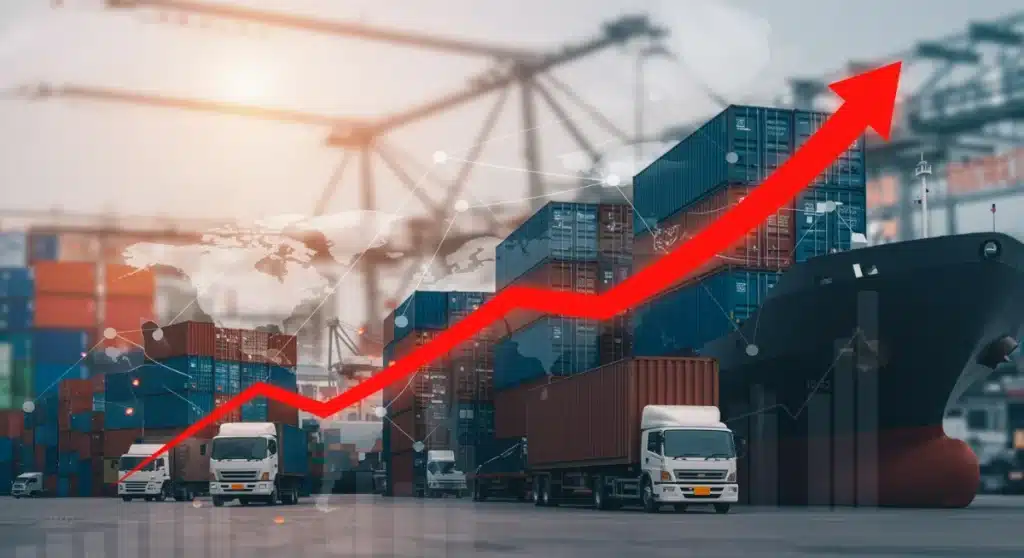
The global economy has been a rollercoaster of challenges and adaptations over the past few years, with perhaps no single factor exerting as much influence as the intricate web of our global supply chains. These complex systems, designed for efficiency and cost-effectiveness, have been repeatedly tested by unforeseen events, leading to significant repercussions across various sectors. One of the most tangible and immediate effects for the average consumer has been the noticeable surge in retail prices. This article delves into a detailed analysis of how recent global supply chain disruptions have directly contributed to a substantial 7% increase in US retail prices during the fourth quarter, examining the underlying causes, the ripple effects on businesses and consumers, and what the future might hold for this critical economic indicator. Understanding the dynamics of supply chain prices is crucial for anyone seeking to navigate the current economic landscape.
The Anatomy of Global Supply Chain Disruptions
To comprehend the impact on supply chain prices, it’s essential to first grasp the nature of the disruptions themselves. The global supply chain is a delicate ecosystem, where a disturbance in one part can create a domino effect across the entire system. Recent years have seen an unprecedented confluence of factors contributing to this instability. The initial shockwaves from the global pandemic in early 2020 led to widespread factory closures, labor shortages, and a dramatic shift in consumer demand. Lockdowns and restrictions halted production in key manufacturing hubs, particularly in Asia, creating an immediate deficit in goods.
Compounding these initial challenges were subsequent waves of outbreaks, which continued to intermittently shut down ports, factories, and transportation networks. The ‘just-in-time’ inventory management systems, once hailed for their efficiency, proved vulnerable when faced with such unpredictable delays. Companies that relied on minimal stock to reduce warehousing costs suddenly found themselves without critical components or finished products, leading to production bottlenecks and delays.
Beyond the direct health crisis, geopolitical tensions, natural disasters, and even seemingly minor incidents like the blockage of the Suez Canal by the Ever Given container ship, have all played their part in exacerbating the fragility of global logistics. These events have not only delayed shipments but also increased the cost of transportation, insurance, and labor, all of which ultimately feed into the final retail price.
Understanding the 7% Surge in US Retail Prices in Q4
The 7% increase in US retail prices during the fourth quarter is not an isolated incident but rather a culmination of these prolonged and multifaceted supply chain issues. This figure represents a significant jump, far exceeding historical averages and putting considerable pressure on household budgets. Several mechanisms explain how supply chain disruptions translate into higher consumer costs.
Increased Input Costs
One of the most direct impacts is the rise in input costs for manufacturers. When factories face shutdowns or reduced capacity, the cost of raw materials and components often increases due to scarcity. Furthermore, the cost of energy, particularly oil and natural gas, which are crucial for manufacturing and transportation, has seen significant volatility. These elevated input costs are then passed down the value chain, eventually reaching the consumer.
Higher Transportation and Logistics Expenses
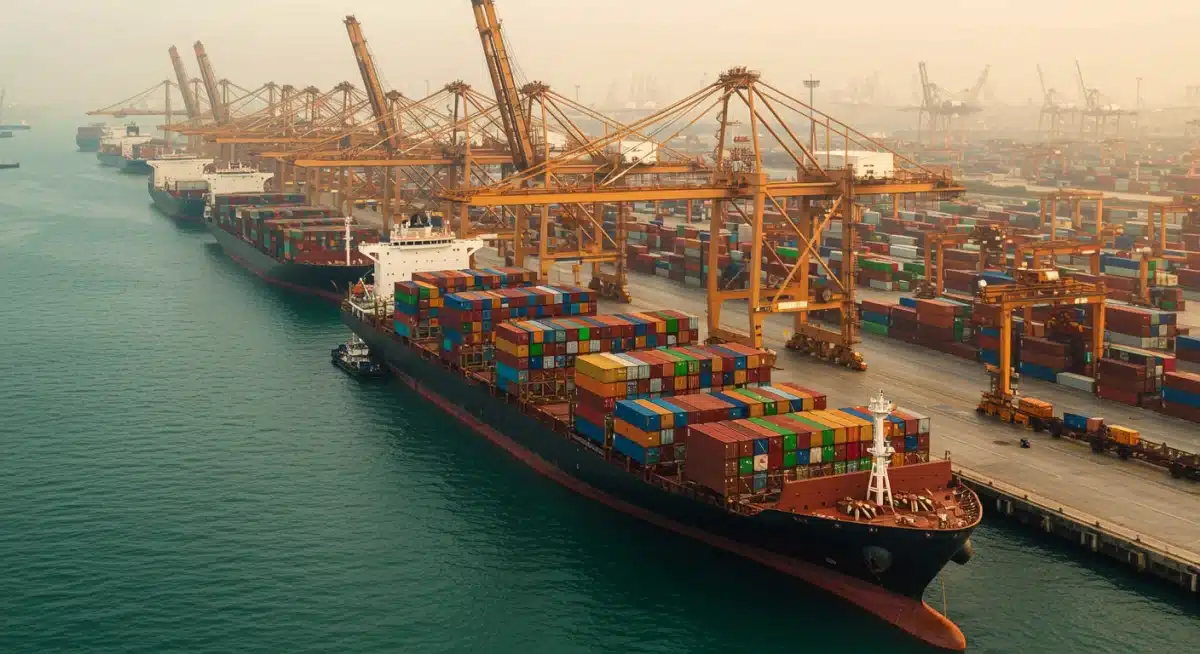
Shipping costs have skyrocketed. The cost of a 40-foot shipping container from Asia to the US, for example, has at times increased by several hundred percent compared to pre-pandemic levels. This is due to a shortage of available containers, port congestion leading to longer waiting times, and a scarcity of labor for loading, unloading, and trucking. These exorbitant freight costs are a major contributor to the inflated supply chain prices seen in retail.
Labor Shortages and Wage Increases
Labor shortages across various segments of the supply chain, from factory workers to truck drivers and warehouse staff, have also played a crucial role. Companies have had to offer higher wages and incentives to attract and retain employees, adding another layer of cost to production and distribution. This ‘wage-price spiral’ can further entrench inflationary pressures.
Inventory Scarcity and Demand-Pull Inflation
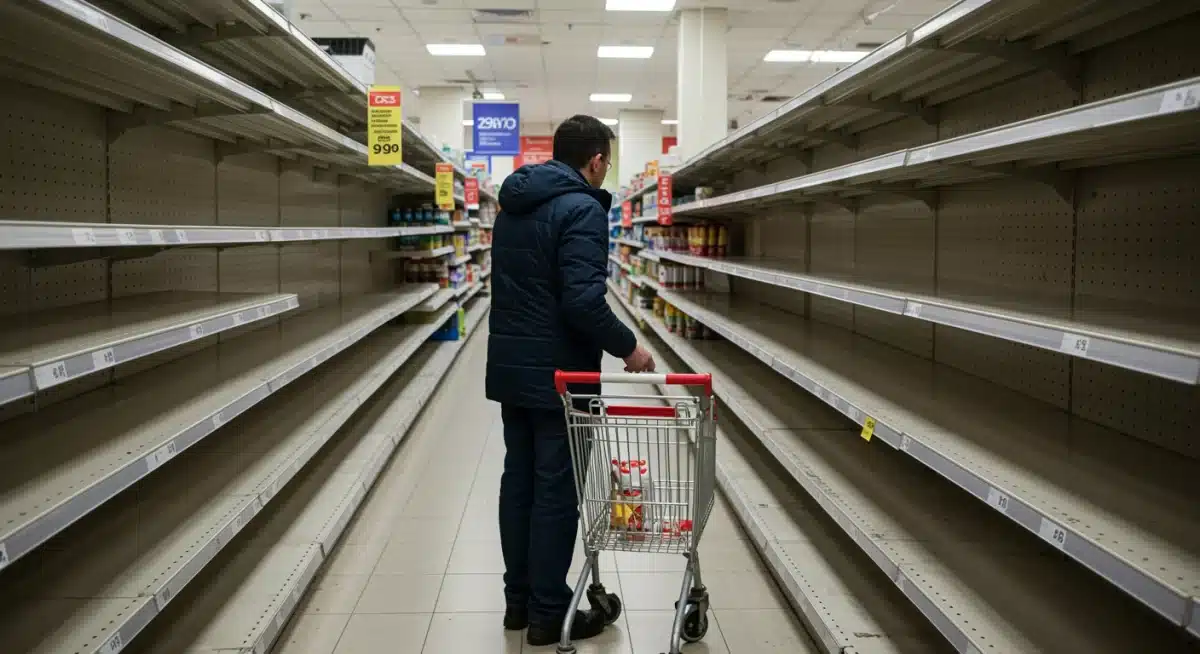
With goods being delayed or in short supply, retailers often have less inventory on hand. When demand remains strong, or even increases due to pent-up consumer spending, this scarcity allows retailers to raise prices without fear of losing customers. This phenomenon, known as demand-pull inflation, is amplified by the limited availability of products caused by supply chain bottlenecks. Consumers, eager to purchase certain items, are often willing to pay a premium, further driving up supply chain prices.
Sectoral Impact: Where Consumers Feel It Most
While the 7% increase is an aggregate figure, the impact has not been uniform across all retail sectors. Certain industries have been disproportionately affected due to their reliance on complex global supply chains, specific raw materials, or just-in-time manufacturing processes.
Electronics and Technology
The electronics sector has been particularly vulnerable, largely due to the global semiconductor shortage. Everything from smartphones and laptops to automobiles and home appliances relies heavily on these chips. Delays in semiconductor production have led to significant backlogs, pushing up prices for consumers and making many popular tech products difficult to find. The intricate global manufacturing process for these components makes them highly susceptible to disruptions.
Automotive Industry
Similar to electronics, the automotive industry has faced severe production cuts due to chip shortages. This has led to fewer new cars on dealer lots, driving up prices for both new and used vehicles. The ripple effect extends to parts and repairs, making car ownership more expensive. The global nature of automotive parts sourcing means that even a small disruption can have widespread consequences.
Apparel and Footwear
Fashion and footwear brands often rely on manufacturing hubs in Asia, particularly in countries that have experienced significant pandemic-related shutdowns. Delays in production, coupled with increased shipping costs, have led to higher prices for clothing and shoes. Retailers have also had to contend with longer lead times, making it challenging to respond quickly to changing fashion trends.
Home Goods and Furniture
The surge in demand for home improvements and furnishings during the pandemic, combined with disruptions in the supply of raw materials like lumber, metals, and fabrics, has led to substantial price increases in this sector. Shipping large, bulky items also incurs higher freight costs, further contributing to elevated supply chain prices.
The Consumer’s Perspective: Navigating Higher Prices
For the average American household, the 7% increase in retail prices in Q4 translates directly into a reduction in purchasing power. Everyday necessities, from groceries to gasoline, have become more expensive, forcing consumers to make difficult choices about their spending. The impact is particularly acute for lower-income households, who spend a larger proportion of their income on essential goods and services.
Budgeting Challenges
Households are finding their budgets stretched thin, necessitating careful financial planning. Discretionary spending may be reduced, and savings rates could be affected. The psychological impact of consistently rising prices, often referred to as ‘inflation anxiety,’ can also influence consumer confidence and spending habits.
Shift in Purchasing Habits
Consumers are adapting by seeking out sales, opting for store brands over national brands, or delaying non-essential purchases. There’s also a growing trend towards repairing existing items rather than replacing them, especially for durable goods. The search for value and affordability becomes paramount when supply chain prices are on an upward trajectory.
Impact on Small Businesses
Small businesses are often hit harder by rising supply chain prices than larger corporations. They typically have less bargaining power with suppliers, fewer resources to absorb increased costs, and less flexibility to adjust their pricing without alienating their customer base. Many small businesses have had to choose between raising prices, reducing profit margins, or even scaling back operations.
Business Strategies in a Disrupted Environment
In response to the volatile supply chain landscape and rising supply chain prices, businesses are adopting a range of strategies to mitigate risks and maintain profitability. These strategies often involve significant investments and a rethinking of traditional operational models.
Diversification of Suppliers
Many companies are moving away from single-source reliance and actively diversifying their supplier base. This involves sourcing from multiple regions or even bringing some production closer to home (nearshoring or reshoring) to reduce vulnerability to disruptions in any single geographic area. While this can increase initial costs, it offers greater resilience.
Increased Inventory Holding
The ‘just-in-time’ model is being re-evaluated, with many businesses opting to hold larger buffer stocks of raw materials and finished goods. While this increases warehousing costs, it provides a safety net against unexpected delays and helps ensure product availability, thus stabilizing supply chain prices for their customers.
Technology Adoption and Data Analytics
Investing in advanced supply chain management software, AI-driven forecasting tools, and real-time tracking systems is becoming crucial. These technologies provide greater visibility into the supply chain, allowing businesses to anticipate potential disruptions, optimize routes, and make more informed decisions to manage costs and maintain efficient operations.
Strategic Partnerships and Collaboration
Companies are forging stronger relationships with their logistics partners, suppliers, and even competitors to share resources, information, and best practices. Collaborative efforts can lead to more robust and responsive supply chains, helping to collectively address the challenges posed by fluctuating supply chain prices.
The Road Ahead: What to Expect
The question on everyone’s mind is when, or if, supply chain prices will stabilize and potentially decline. While the situation remains dynamic, several factors will influence the trajectory of retail prices in the coming quarters.
Easing of Congestion
There are some signs of easing congestion at major ports, and shipping rates, while still elevated, have shown some moderation from their peaks. Increased investment in port infrastructure and a gradual return to normal operating capacities could help alleviate some of the pressure on transportation costs.
Labor Market Dynamics
The resolution of labor shortages remains a critical factor. As more people return to the workforce and supply chain roles become more attractive, wage pressures might ease, contributing to a stabilization of production and distribution costs. However, demographic shifts and changing worker expectations could present ongoing challenges.
Geopolitical Stability
The global geopolitical landscape continues to be a source of uncertainty. Any new conflicts, trade disputes, or policy changes could introduce fresh disruptions to supply chains, potentially reigniting inflationary pressures on supply chain prices. Stability is key to predictable and efficient global trade.
Consumer Demand Trends
Consumer spending patterns will also play a significant role. If demand remains robust despite higher prices, businesses may continue to pass on increased costs. Conversely, a slowdown in consumer spending due to economic tightening could force retailers to absorb more costs or even reduce prices to stimulate sales. Understanding the elasticity of demand for various products is crucial for businesses.
Government and Policy Interventions
Governments worldwide are exploring policies to strengthen supply chain resilience, from investing in domestic manufacturing to streamlining customs procedures and promoting international cooperation. Such interventions, if effective, could help reduce the likelihood and severity of future disruptions, thereby influencing the long-term trend of supply chain prices.
Conclusion: Adapting to a New Normal
The 7% surge in US retail prices during Q4 serves as a stark reminder of the profound and far-reaching impact of global supply chain disruptions. This increase is a complex interplay of elevated input costs, soaring transportation expenses, labor market pressures, and shifts in consumer demand. While businesses are actively adapting through diversification, increased inventory, and technological adoption, consumers are grappling with reduced purchasing power and adjusting their spending habits.
The future of supply chain prices remains uncertain, heavily dependent on the resolution of ongoing logistical bottlenecks, the stabilization of labor markets, and the broader geopolitical and economic environment. What is clear, however, is that the era of seamlessly efficient and perpetually low-cost global supply chains may be behind us. Both businesses and consumers must prepare for a ‘new normal’ characterized by greater volatility, a renewed focus on resilience over pure efficiency, and a continued need for adaptability in the face of evolving global challenges. Monitoring these trends will be essential for economic stability and planning in the years to come.