Maximizing K-12 Educational Grants for US Families in 2026

Securing K-12 educational grants in 2026 is crucial for U.S. families seeking to alleviate financial burdens and enhance their children’s academic opportunities, requiring proactive research and meticulous application strategies to unlock available funding.
Navigating the landscape of educational funding can often feel overwhelming, yet for U.S. families, understanding how to effectively secure and utilize grants for K-12 students is more critical than ever. This comprehensive guide aims to demystify the process of Maximizing Educational Grants for K-12 Students in 2026: A Comprehensive Guide for U.S. Families, providing actionable insights and resources to ensure your child’s educational journey is well-supported.
Understanding the K-12 Grant Landscape in 2026
The year 2026 brings new opportunities and, potentially, new challenges in the realm of educational funding for K-12 students across the United States. Grants are non-repayable funds, making them an invaluable resource for families aiming to cover tuition, school supplies, extracurricular activities, and specialized programs. These grants originate from various sources, each with its own criteria and application process. Staying informed about these diverse funding streams is the first step towards successfully securing support for your child’s education.
It’s important to recognize that the educational grant landscape is dynamic, influenced by federal policies, state budgets, and philanthropic priorities. Families should be prepared to adapt their search strategies to reflect these evolving conditions. Early preparation and a thorough understanding of the types of grants available will significantly improve your chances of success.
Federal and State Grant Programs
At the federal level, various initiatives aim to support K-12 education, often channeled through state education agencies. These programs typically target specific needs, such as supporting students from low-income backgrounds, those with disabilities, or those excelling in particular subjects. State-level grants often complement federal efforts, sometimes offering broader eligibility or focusing on local educational priorities. Researching your specific state’s department of education website is crucial.
- Federal Programs: Often focus on equity and access, supporting schools in high-need areas or specific student populations.
- State Programs: May include scholarships, tuition assistance for private schools, or grants for specific educational services.
- Local Initiatives: School districts and local foundations sometimes offer grants for students within their jurisdiction.
Understanding the distinctions between federal, state, and local programs is key to identifying which grants are most relevant to your family’s circumstances. Each level of government and philanthropy has unique objectives, leading to a wide array of opportunities.
The conclusion for this section is that the K-12 grant landscape is rich and multifaceted, requiring families to be diligent in their research. By understanding the various sources and their specific focuses, families can begin to strategically identify potential funding opportunities for their children’s education in 2026.
Identifying Eligibility and Application Requirements
Once you begin exploring the vast array of K-12 educational grants, the next critical step is to meticulously identify the eligibility criteria and understand the application requirements for each. This stage is paramount, as meeting all specified conditions is non-negotiable for a successful application. Grants are often highly competitive, and even minor discrepancies or omissions can lead to disqualification.
Eligibility criteria can vary widely, encompassing factors such as academic performance, financial need, geographic location, ethnic background, and even future career aspirations. It is essential to read every guideline carefully, making sure your student genuinely qualifies before investing time in the application process.
Common Eligibility Factors
Most grant programs are designed to address specific needs or promote particular outcomes, which dictates their eligibility requirements. Financial need is a predominant factor for many grants, especially those aimed at supporting access to quality education for underserved populations. Academic merit also plays a significant role in grants that reward excellence and potential.
- Financial Need: Often determined by family income, household size, and existing financial obligations.
- Academic Performance: GPA requirements, standardized test scores, or specific achievements in certain subjects.
- Residency: Many state or local grants require students to reside within a specific area.
- Extracurricular Involvement: Participation in community service, sports, arts, or leadership roles.
Beyond these, some grants target specific demographics, such as students from particular cultural backgrounds, those with disabilities, or children of military personnel. Always check if your family fits into any specialized categories, as these grants often have less competition.
The application process itself can be intensive, often requiring a collection of documents, essays, and letters of recommendation. Starting early allows ample time to gather all necessary materials and ensures a polished, complete submission. Pay close attention to deadlines, as late applications are almost universally rejected.
In conclusion, thoroughly understanding and meeting the eligibility and application requirements is fundamental to maximizing your chances of securing K-12 educational grants. A systematic approach to reviewing criteria and preparing documents will streamline the process and prevent common pitfalls.
Strategic Grant Searching and Resource Utilization
With a foundational understanding of the grant landscape and eligibility, the next phase involves strategic searching and effective utilization of available resources. The internet offers a wealth of information, but knowing where to look and how to filter through the noise is crucial. A targeted approach will save time and increase the likelihood of finding grants that align perfectly with your student’s profile and needs.
Beyond general search engines, specialized databases and platforms are designed specifically for educational funding. These resources often provide filters that allow families to narrow down options by grade level, academic focus, geographic location, and other pertinent criteria. Leveraging these tools can transform a daunting search into a manageable task.
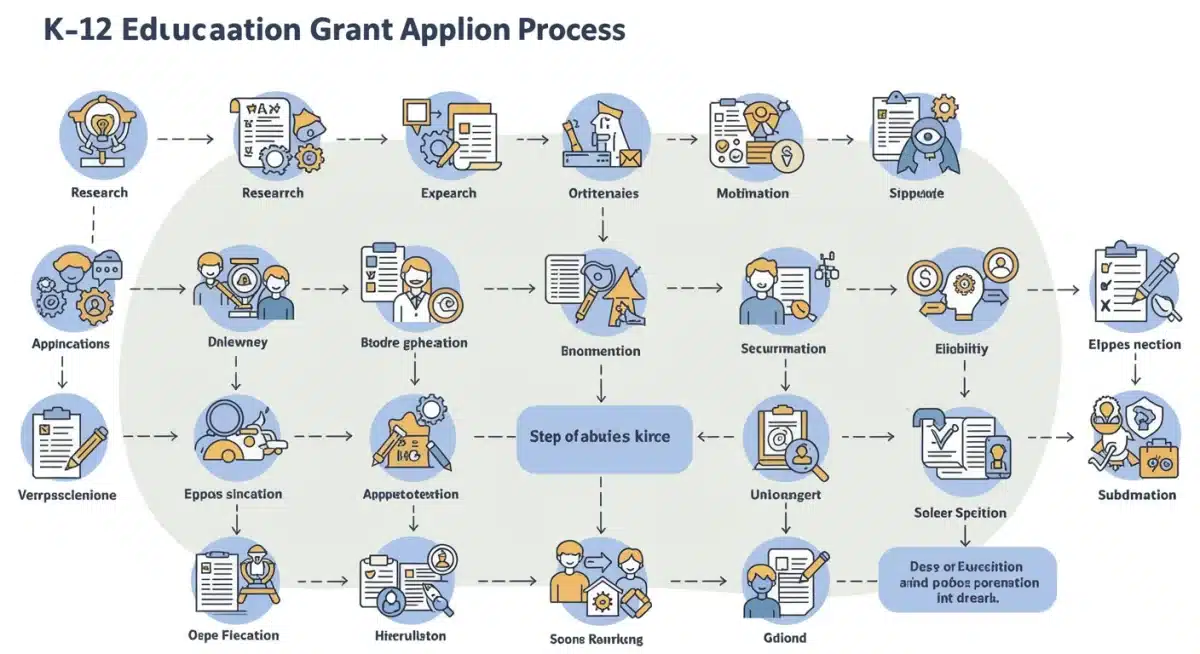
Consider starting your search with organizations that have a proven track record in educational philanthropy. Many foundations and non-profits are dedicated to supporting K-12 students, and their websites often list current grant opportunities and application instructions.
Key Search Resources
Several platforms and institutions are excellent starting points for your grant search. These resources compile information from various sources, making it easier to discover relevant opportunities without having to visit countless individual websites. It’s advisable to create accounts on these platforms and set up alerts for new grants that match your criteria.
- Official Government Websites: State Departments of Education and the U.S. Department of Education often list federal and state programs.
- Non-profit Organizations: Foundations dedicated to education, such as the Gates Foundation or local community foundations.
- School Counselors and Financial Aid Offices: These professionals often have access to grant databases and local opportunities.
- Online Scholarship Databases: Websites like Fastweb, Scholarship.com, and College Board offer extensive lists of grants and scholarships, many of which extend to K-12.
Networking within your community can also yield valuable leads. Talk to other parents, teachers, and school administrators, as they might be aware of local grants or unique funding opportunities not widely advertised online. Personal connections can sometimes open doors to information that is otherwise hard to find.
In conclusion, strategic grant searching involves utilizing a combination of online databases, official government sources, non-profit organizations, and local community networks. Being proactive and systematic in your search will significantly enhance your ability to discover and apply for relevant K-12 educational grants.
Crafting a Compelling Grant Application
A strong application is often the deciding factor in securing an educational grant. It’s not enough to simply meet the eligibility criteria; you must also present your student’s case in a compelling and articulate manner. Grant committees review numerous applications, and yours needs to stand out. This requires attention to detail, clarity, and a genuine representation of your student’s potential and needs.
The narrative components of an application, such as essays and personal statements, are particularly important. These sections allow your student’s personality, aspirations, and challenges to shine through, giving the committee a more holistic view beyond just academic transcripts. Encourage your child to reflect deeply on their experiences and articulate why they deserve the grant.
Essential Application Components
While specific requirements vary, most grant applications share common elements that demand careful preparation. Each component serves a purpose, contributing to the overall impression your application makes. Ensuring that every part is polished and accurate is vital.
- Personal Statement/Essay: A well-written essay that highlights your student’s unique qualities, academic goals, and how the grant will impact their educational journey.
- Letters of Recommendation: Secure letters from teachers, counselors, or mentors who know your student well and can speak to their strengths and character.
- Academic Transcripts: Official records demonstrating academic performance and course history.
- Financial Documentation: Proof of income, tax returns, and other financial statements to verify financial need.
- Activity List/Resume: A comprehensive list of extracurricular activities, community service, awards, and work experience.
Proofreading is non-negotiable. Typos, grammatical errors, or incomplete sections can reflect poorly on the applicant. If possible, have multiple people review the application before submission. A fresh pair of eyes can catch mistakes that you might have overlooked.
The conclusion for this section emphasizes that a compelling grant application is a meticulous endeavor that goes beyond simply filling out forms. By focusing on strong narratives, accurate documentation, and thorough proofreading, families can significantly enhance their student’s chances of securing K-12 educational grants.
Maximizing Grant Impact and Management
Securing an educational grant is a significant achievement, but the process doesn’t end there. Effectively managing and maximizing the impact of the grant funds is equally important to ensure they serve their intended purpose: enhancing your child’s K-12 education. Proper management involves understanding the terms of the grant, budgeting wisely, and utilizing the funds in a way that provides the greatest benefit.
Many grants come with specific stipulations regarding how the funds can be used. It’s crucial to adhere to these guidelines to avoid any potential issues. Misuse of funds could lead to future disqualification from other grant programs or even require repayment of the grant. Transparency and accountability are key in grant management.
Strategic Fund Utilization
Beyond simply covering tuition, grants can be strategically deployed to open up new educational opportunities for your K-12 student. Think about how the funds can be used to address specific academic needs, foster talents, or provide experiences that might otherwise be out of reach. A well-thought-out plan can significantly amplify the grant’s impact.
- Academic Support: Tutoring, specialized learning materials, or educational software.
- Extracurricular Enrichment: Participation fees for clubs, sports, music lessons, or art programs.
- Educational Travel: Funds for school trips, educational tours, or cultural immersion programs.
- Technology and Supplies: Laptops, tablets, scientific calculators, or art supplies necessary for academic success.
Consider the long-term benefits of how the grant is used. Investing in resources that build foundational skills or foster a passion can have a lasting positive effect on your child’s academic trajectory. Regular communication with the grant provider, if required, and maintaining meticulous records of expenditures are also best practices.
In conclusion, managing and maximizing the impact of K-12 educational grants involves careful adherence to terms, strategic budgeting, and thoughtful allocation of funds. By doing so, families can ensure that these valuable resources contribute significantly to their child’s educational growth and development.
Future Outlook and Sustaining Educational Support
As we look towards 2026 and beyond, the landscape of K-12 educational grants will continue to evolve. Staying informed about emerging trends, policy changes, and new funding initiatives is vital for families committed to sustaining educational support for their children. The proactive approach taken today will lay the groundwork for continued success in securing future grants.
Economic shifts, legislative priorities, and philanthropic focus areas can all influence the availability and nature of educational grants. Families should cultivate a habit of ongoing research and engagement with educational funding resources. Building a network of informed contacts, including school counselors and financial aid advisors, can provide invaluable foresight into future opportunities.
Preparing for Future Grant Cycles
The application process for grants is often cyclical, meaning that if your student receives a grant one year, there might be opportunities to renew or apply for different grants in subsequent years. Maintaining strong academic records, active community involvement, and a clear articulation of educational goals will always be beneficial for future applications.
- Maintain Academic Excellence: Strong grades and continued academic growth enhance eligibility for merit-based grants.
- Document Achievements: Keep a running record of all extracurricular activities, awards, and community service.
- Build Relationships: Foster positive relationships with teachers and mentors who can provide strong letters of recommendation.
- Stay Informed: Regularly check grant databases and educational news for new opportunities and policy changes.
Consider creating a dedicated folder or digital system to organize all grant-related documents, deadlines, and communications. This organized approach will streamline future applications and ensure you never miss an opportunity. Proactive planning is the cornerstone of sustained educational financial support.
The conclusion for this section emphasizes that sustaining educational support through grants requires a forward-thinking approach. By staying informed, preparing diligently, and maintaining strong academic and personal profiles, families can continue to access vital funding for their K-12 students well into the future.
| Key Point | Brief Description |
|---|---|
| Grant Landscape | Diverse sources (federal, state, private) and evolving criteria for K-12 funding in 2026. |
| Eligibility & Requirements | Careful review of financial need, academic merit, and specific criteria is essential for successful applications. |
| Application Strategy | Craft compelling essays, gather strong recommendations, and proofread meticulously for competitive advantage. |
| Fund Management | Utilize funds strategically for academic support, enrichment, and technology while adhering to grant terms. |
Frequently Asked Questions About K-12 Educational Grants
In 2026, K-12 educational grants range from federal and state programs focusing on low-income students or specific educational needs to private foundation grants for academic merit, arts, or STEM. Local community organizations and school districts also offer specialized grants, often tailored to specific geographic areas or student demographics.
To find K-12 educational grants, start by checking your state’s Department of Education website and local school district resources. Online scholarship databases like Fastweb and Scholarship.com also list K-12 opportunities. Additionally, inquire with school counselors, local community foundations, and non-profit organizations dedicated to education.
Common documents for K-12 grant applications include academic transcripts, proof of financial need (e.g., tax returns), personal essays or statements, and letters of recommendation from teachers or mentors. Some grants may also require a list of extracurricular activities, awards, or specific project proposals. Always check individual grant requirements.
While financial need is a significant factor for many K-12 educational grants, it is not always the sole criterion. Many grants are merit-based, recognizing academic excellence, artistic talent, athletic achievement, or leadership skills. Others target specific demographics or interests, regardless of income. Researching various grant types is key.
Families can maximize a K-12 educational grant’s impact by strategically allocating funds to cover essential academic expenses like tuition and books, while also investing in enrichment activities such as tutoring, specialized programs, or educational technology. Adhering strictly to grant terms and maintaining clear financial records are crucial for responsible management.
Conclusion
Successfully navigating the complex world of K-12 educational grants in 2026 is an endeavor that requires diligence, strategic planning, and a thorough understanding of available resources. By proactively researching opportunities, meticulously preparing applications, and wisely managing awarded funds, U.S. families can unlock significant financial support. This not only eases the burden of educational costs but also empowers students to pursue their academic and personal potential, ensuring a brighter future for the next generation.