Unlock Hidden Savings: Top 3 Underutilized Employee Benefits for 2026

In an increasingly competitive job market, companies are constantly seeking innovative ways to attract and retain top talent. Beyond salary, employee benefits packages have become a crucial differentiator, offering a wide array of perks designed to enhance employees’ well-being, financial security, and professional growth. However, a surprising number of these valuable offerings remain largely untapped. Many employees are either unaware of the full scope of their benefits or simply don’t know how to effectively utilize them. For 2026, there are three particularly significant underutilized employee benefits that, if leveraged correctly, could put over $500 back into your pocket annually. This article delves into these hidden gems, providing actionable insights on how to identify, understand, and maximize your workplace perks for substantial personal savings.
Understanding your employee benefits is not just about taking advantage of freebies; it’s about smart financial planning and optimizing your overall compensation. Companies invest heavily in these programs, and their underutilization represents a missed opportunity for both employees and employers. For employees, it means leaving money on the table or failing to access resources that could significantly improve their quality of life. For employers, it means a lower return on investment for their benefits programs and potentially less engaged, less healthy, or less skilled employees. As we look towards 2026, the landscape of employee benefits continues to evolve, with a greater emphasis on holistic well-being, flexibility, and personalized support. Yet, the core challenge remains: bridging the gap between available benefits and actual employee utilization. Let’s explore the top three underutilized employee benefits for 2026 and how you can make them work for you.
The Power of Understanding Your Employee Benefits
Before diving into the specifics of underutilized employee benefits, it’s crucial to emphasize the importance of truly understanding your entire benefits package. Many employees glance over the benefits guide during onboarding and then file it away, forgetting the wealth of resources available to them. This oversight can lead to significant financial disadvantages. Your benefits package is a complex tapestry of offerings, ranging from health insurance and retirement plans to more nuanced perks like wellness programs, professional development opportunities, and even discounts on everyday purchases. Each component is designed to address a specific need or enhance a particular aspect of your life.
To effectively leverage your benefits, start by thoroughly reviewing all the documentation provided by your HR department. Don’t hesitate to ask questions. HR professionals are there to help you navigate these often-complex offerings. Many companies also provide online portals or dedicated benefits specialists who can offer personalized guidance. Make it a point to revisit your benefits annually, especially during open enrollment periods, as offerings can change from year to year. Understanding the fine print can uncover benefits you didn’t even know existed, or reveal new ways to optimize the ones you’re already using. This proactive approach is the first step toward unlocking the full potential of your underutilized employee benefits and realizing substantial savings in 2026 and beyond.
Beyond the direct financial implications, understanding your benefits also contributes to overall job satisfaction and a sense of security. Knowing that your employer supports your health, financial future, and personal growth can significantly reduce stress and improve your work-life balance. It transforms your compensation from a mere salary figure into a comprehensive support system. This foundational knowledge is essential for identifying and capitalizing on the specific underutilized employee benefits we will discuss next.
1. Enhanced Financial Wellness Programs: Beyond the Basics
Financial wellness programs have been gaining traction for years, but in 2026, they are evolving to offer more sophisticated and personalized tools that are often overlooked. Many employees think of these programs as just basic retirement planning or a brief seminar on budgeting. However, the modern iteration of financial wellness goes much deeper, providing resources that can directly translate into hundreds of dollars in savings and improved financial stability. These are perhaps the most significant of the underutilized employee benefits.
Personalized Financial Coaching and Planning
One of the most valuable, yet frequently ignored, aspects of enhanced financial wellness programs is access to personalized financial coaching or planning services. Many employers now offer free or heavily subsidized sessions with certified financial planners. These experts can help you with a wide range of financial goals, from creating a personalized budget and managing debt to planning for major life events like buying a home, saving for college, or even navigating complex investment decisions. The cost of independent financial advice can be substantial, often ranging from hundreds to thousands of dollars per year. By utilizing your employer’s program, you could be saving a significant amount while gaining invaluable expertise.
Consider a scenario where you’re struggling with credit card debt. A financial coach can help you devise a repayment strategy, negotiate lower interest rates, and identify areas where you can cut expenses. Or perhaps you’re a young professional looking to make your first major investment. A planner can guide you through the options, explain the risks, and help you set up a diversified portfolio. The long-term savings and wealth accumulation from sound financial advice can far exceed the immediate $500 target. Yet, many employees shy away from these services, either due to a perceived lack of time, an assumption that their finances aren’t ‘complex enough,’ or simply being unaware of the depth of the offering. Make 2026 the year you take advantage of this expert guidance.
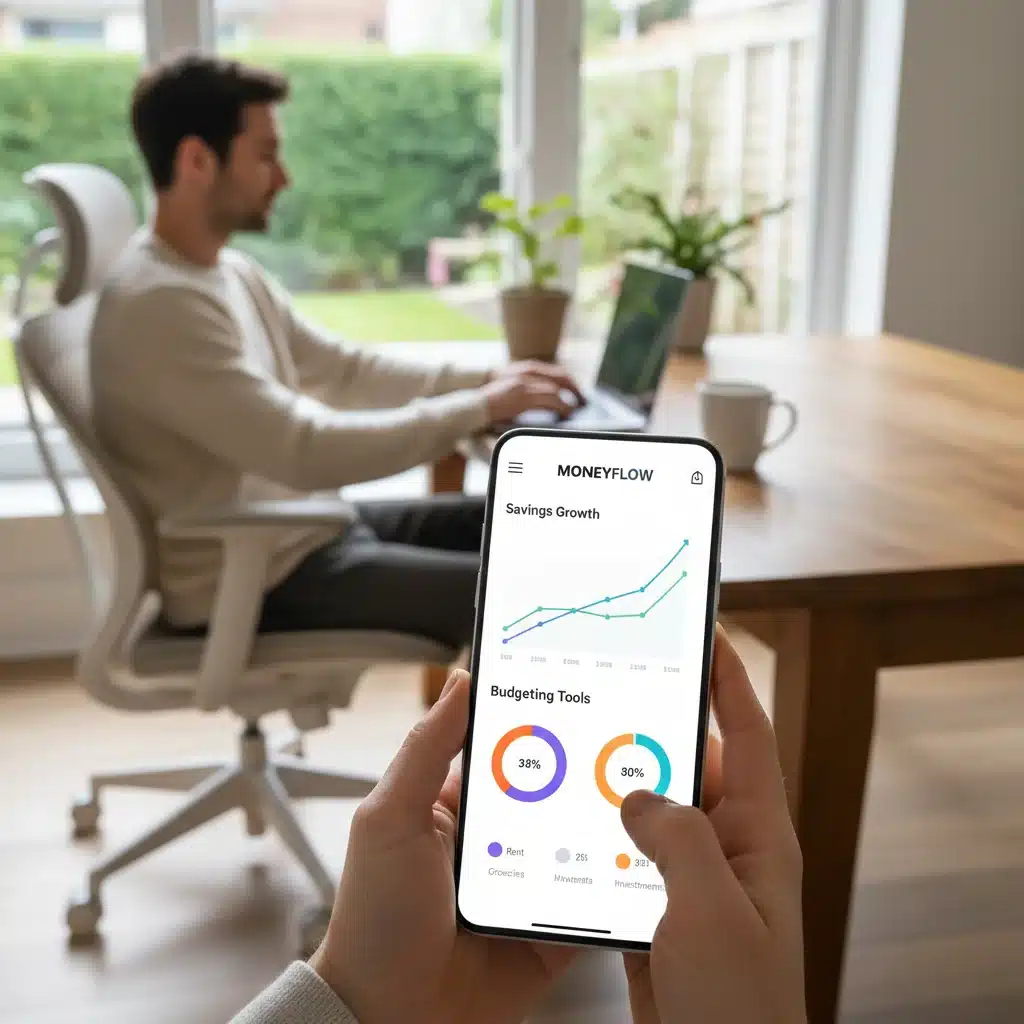
Advanced Budgeting Tools and Debt Management Resources
Beyond individual coaching, many financial wellness programs now integrate with or provide access to advanced budgeting tools and debt management resources. These aren’t just generic spreadsheets; they often include premium subscriptions to financial tracking apps, credit monitoring services, and platforms that help automate savings and debt repayment. While you might pay a monthly fee for these services independently, your employer might be covering the cost, making them one of the prime underutilized employee benefits.
For example, a premium budgeting app might offer features like automatic categorization of expenses, personalized spending insights, and goal-setting capabilities. If your employer provides access to such a tool, you could easily save $5-15 per month, or $60-180 annually, just on subscription fees. More importantly, the discipline and insights gained from using these tools can lead to much larger savings by helping you identify unnecessary expenditures and optimize your spending habits. Similarly, access to credit monitoring and identity theft protection services, often bundled with these programs, can prevent costly financial mishaps in the future.
The collective benefit of these tools, combined with personalized coaching, can easily exceed the $500 annual savings target. It’s about empowering you with the knowledge and resources to take control of your financial future. Don’t let these sophisticated financial tools sit idle; explore what your employer offers and start integrating them into your daily financial routine.
2. Comprehensive Mental Health and Well-being Support
While mental health support has gained significant recognition, the breadth and depth of these programs in 2026 are still widely underutilized. Many employees are aware of Employee Assistance Programs (EAPs), but they often don’t realize the full spectrum of services available, nor do they fully appreciate the financial and personal relief these services can provide. This category represents another critical area of underutilized employee benefits that can save you money and significantly improve your quality of life.
Expanded Therapy and Counseling Services
Beyond basic EAP consultations, many employers are now offering expanded access to therapy and counseling services, often with little to no out-of-pocket cost. This can include a set number of free therapy sessions, subsidized access to a network of mental health professionals, or even virtual therapy platforms. The cost of private therapy can range from $100 to $250 per session, making employer-provided options an incredible financial relief. Even just a few sessions can lead to substantial savings.
Mental health challenges, if left unaddressed, can have profound impacts on both personal well-being and professional productivity. Stress, anxiety, and burnout are prevalent in today’s fast-paced work environment. Access to professional support can help employees develop coping mechanisms, manage stress, and address underlying issues, leading to improved focus, better decision-making, and enhanced overall health. Yet, stigma, lack of awareness, or simply not knowing how to access these services often prevents employees from utilizing them. In 2026, make it a priority to investigate your company’s mental health offerings. Even if you feel you don’t ‘need’ it, proactive mental health care can be as important as physical health check-ups.
Mindfulness and Stress Reduction Programs
Another often- overlooked component of well-being support comprises mindfulness and stress reduction programs. These can include subscriptions to meditation apps, access to virtual yoga or fitness classes, workshops on stress management techniques, and even quiet spaces or designated ‘recharge’ rooms within the workplace. While these might not seem to have a direct financial impact, the long-term benefits are substantial. Chronic stress can lead to various health issues, resulting in medical costs, lost productivity, and decreased quality of life.
Many popular mindfulness apps charge monthly or annual subscription fees, typically ranging from $10 to $70 per year. If your employer offers a free subscription, that’s immediate savings. More importantly, consistent engagement with these programs can lead to better sleep, reduced anxiety, and improved emotional regulation. These benefits, in turn, can reduce the need for costly medical interventions down the line, improve your overall health, and boost your energy levels, contributing to a more fulfilling personal and professional life. Think of these as preventative health measures that save you money and enhance your well-being in the long run.
The financial impact of comprehensive mental health support extends beyond direct therapy costs. By fostering a healthier mental state, employees are less likely to experience burnout, absenteeism, or decreased productivity, all of which have indirect financial consequences. Investing your time in these underutilized employee benefits is an investment in your long-term health and financial stability.
3. Professional Development and Upskilling Opportunities
In a rapidly evolving job market, continuous learning is not just a luxury; it’s a necessity. Many employers recognize this and offer extensive professional development and upskilling opportunities, yet these remain significantly underutilized. Employees often assume these benefits are only for senior management or require extensive time commitments. However, in 2026, these programs are more flexible and accessible than ever, representing a golden opportunity to enhance your career and save considerable money on education and training expenses.
Tuition Reimbursement and Certification Programs
Perhaps the most direct financial benefit in this category is tuition reimbursement. Many companies offer to pay for a significant portion, if not all, of tuition costs for courses, degrees, or certifications relevant to your role or career path. The cost of a single professional certification can range from a few hundred to several thousand dollars. A single course at a university can easily exceed $1,000. If your employer covers these costs, you are looking at substantial savings, far surpassing the $500 annual target.
Yet, many employees fail to take advantage of this because they either don’t know it exists, don’t believe they qualify, or are intimidated by the application process. It’s crucial to check your company’s policy on tuition reimbursement. Understand the eligibility criteria, the maximum reimbursement amount, and any service agreements required after completion. Investing in your education not only saves you money but also makes you more valuable to your current employer and more marketable in the broader job market. This is one of the most impactful underutilized employee benefits for long-term career growth and financial gain.
Access to Online Learning Platforms and Workshops
Beyond formal tuition reimbursement, a growing number of companies provide free access to premium online learning platforms like Coursera for Business, LinkedIn Learning, Udemy Business, or specialized industry training portals. Individual subscriptions to these platforms can cost anywhere from $20 to $50 per month, or $240 to $600 annually. If your employer offers this for free, you’re looking at immediate savings.
These platforms offer thousands of courses covering a vast array of topics, from technical skills like data analytics and coding to soft skills like leadership, communication, and project management. Moreover, many companies also host internal workshops, seminars, and guest speaker events designed to upskill employees. These are often free and provide direct access to experts within your field or company. Attending just a few of these workshops can provide valuable insights and networking opportunities that would otherwise cost money at external conferences or training events.
The beauty of these resources is their flexibility. Many online courses can be completed at your own pace, fitting around your work and personal life. By continuously learning and acquiring new skills, you not only boost your career prospects but also increase your earning potential over time. Don’t let these free educational opportunities pass you by. They are among the most powerful underutilized employee benefits for career advancement and financial well-being.

Maximizing Your Benefits: A Proactive Approach
To truly unlock the potential of these underutilized employee benefits and save over $500 annually in 2026, a proactive and strategic approach is essential. It’s not enough to simply know these benefits exist; you need to actively engage with them. Here’s a roadmap to help you:
1. Conduct a Comprehensive Benefits Audit
Set aside dedicated time to review your entire benefits package. Gather all relevant documents, login to your HR portal, and explore every tab and link. Look for the fine print, eligibility requirements, and any deadlines. Create a checklist of all available benefits, categorizing them by type (health, financial, professional development, lifestyle, etc.). This audit will serve as your personal benefits inventory, highlighting what’s available and what you might be missing.
2. Prioritize Based on Your Needs and Goals
Once you have a clear picture of all your benefits, identify which ones align with your personal and professional goals for 2026. Are you looking to improve your financial literacy? Then focus on financial wellness programs. Are you feeling stressed or overwhelmed? Explore mental health support. Do you want to advance your career? Look into professional development and tuition reimbursement. Prioritizing will help you focus your efforts and maximize the impact of your chosen underutilized employee benefits.
3. Engage with HR and Benefits Specialists
Don’t be afraid to ask questions. Your HR department and any dedicated benefits specialists are your best resources. Schedule a meeting or send an email to clarify any uncertainties you have. They can provide personalized advice, guide you through enrollment processes, and even suggest benefits you might not have considered. Many companies also host benefits fairs or information sessions; make it a point to attend these to learn directly from providers and experts.
4. Create an Action Plan with Deadlines
For each benefit you plan to utilize, create a concrete action plan. This might include: ‘Schedule a financial coaching session by end of Q1,’ ‘Enroll in online Python course by March,’ or ‘Sign up for company mindfulness workshop in April.’ Setting deadlines will help you stay accountable and ensure you actually take advantage of these opportunities. Integrate these actions into your regular calendar or to-do list.
5. Track Your Savings and Progress
Keep a record of the financial savings and personal improvements you achieve by utilizing your benefits. This could be direct savings (e.g., tuition costs covered, subscription fees avoided) or indirect (e.g., reduced medical expenses due to wellness programs, increased earning potential from new skills). Seeing the tangible impact will reinforce the value of your efforts and motivate you to continue leveraging your underutilized employee benefits.
Conclusion: Your Path to Greater Financial Well-being in 2026
The notion that employee benefits are simply a ‘nice-to-have’ is outdated. In 2026, they are integral components of your total compensation and powerful tools for personal and professional growth. The three categories we’ve explored – enhanced financial wellness programs, comprehensive mental health and well-being support, and professional development and upskilling opportunities – represent some of the most significant underutilized employee benefits that could collectively save you over $500 annually, and often much more.
By taking a proactive approach to understanding and utilizing these resources, you’re not just saving money; you’re investing in your future. You’re improving your financial literacy, safeguarding your mental health, and enhancing your career prospects. Don’t let valuable perks go to waste simply because you’re unaware or unsure of how to access them. Make it a priority in 2026 to delve deep into your benefits package, ask questions, and create a plan to leverage every available resource. Your bank account, your well-being, and your career will thank you for it. The power to transform your financial outlook and overall quality of life lies within your current employment – it’s time to unlock it.