Disability Insurance 2026: Secure Up to 70% Income if Incapacitated

Disability Insurance 2026: Essential Protections and How to Secure Up to 70% of Your Income if Incapacitated
Life is unpredictable. While we often plan for retirement, education, and even unforeseen medical emergencies, one critical aspect often gets overlooked: the potential inability to work due to illness or injury. This is where Disability Insurance 2026 becomes an indispensable part of your financial planning. Imagine a scenario where you’re unable to perform your job for an extended period. How would you cover your mortgage, utilities, groceries, and other essential living expenses? For many, the answer is a stark reality check: without a steady income, financial stability can quickly crumble. This comprehensive guide will delve into the nuances of disability insurance in 2026, helping you understand its importance, the types available, and how to secure a policy that can replace a significant portion of your income, often up to 70%, when you need it most.
The Unseen Threat: Why Disability Insurance is More Crucial Than You Think
Many people associate disability with severe accidents, but the reality is far broader. The Council for Disability Awareness reports that more than one in four of today’s 20-year-olds will become disabled before reaching retirement age. Furthermore, the leading causes of long-term disability claims are not accidents, but illnesses like cancer, heart disease, and musculoskeletal disorders (e.g., back pain, arthritis). These conditions can strike anyone, regardless of age, profession, or lifestyle. Without adequate protection, a disability can lead to significant financial strain, depleting savings, incurring debt, and jeopardizing long-term financial goals.
In 2026, the economic landscape continues to evolve, making personal financial resilience more important than ever. While social safety nets like Social Security Disability Insurance (SSDI) exist, they often provide only a basic level of income replacement and have stringent eligibility requirements and waiting periods. Relying solely on these programs can leave a significant gap in your income, especially if you have a higher earning capacity. This is precisely why private Disability Insurance 2026 is a cornerstone of a robust financial strategy.
Understanding the Financial Impact of Disability
Consider the ripple effect of a lost income due to disability:
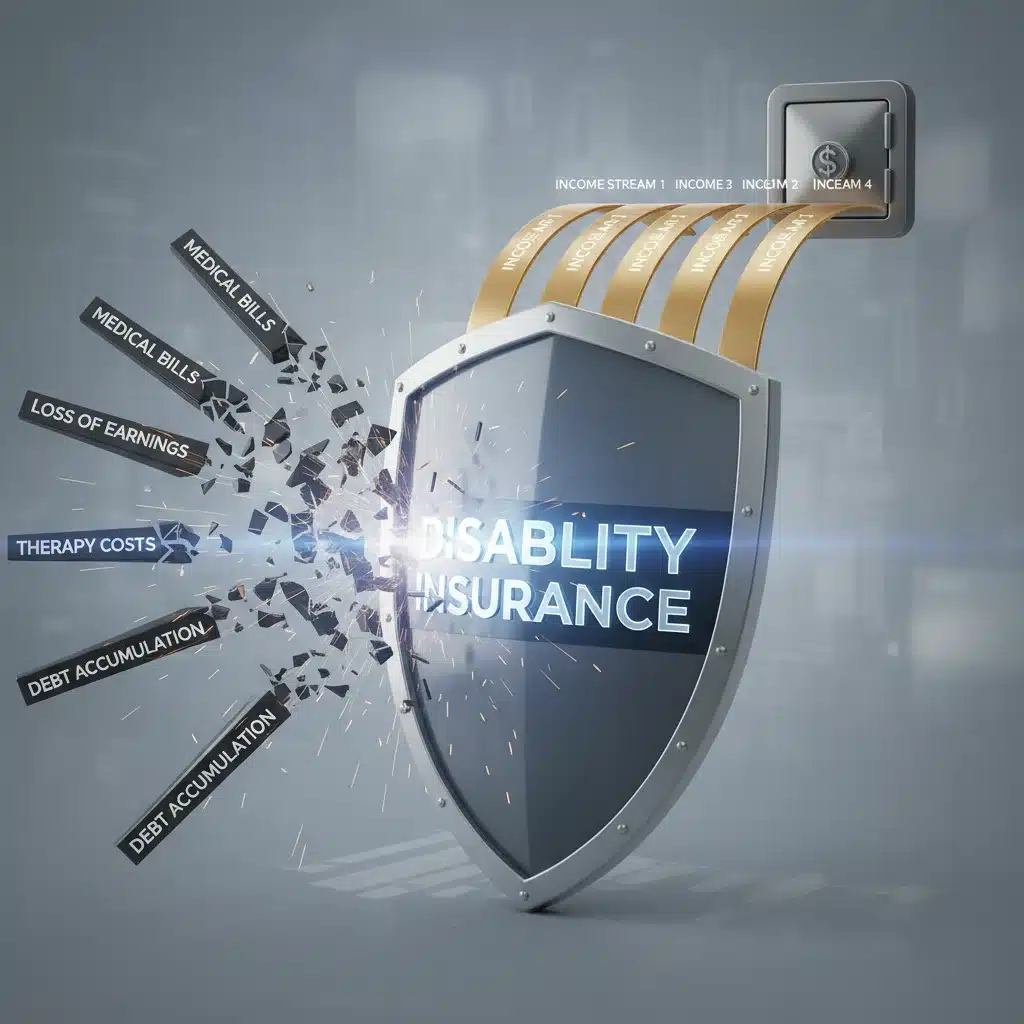
- Loss of Primary Income: This is the most immediate and obvious impact. Without your regular paycheck, how will you meet your financial obligations?
- Increased Medical Expenses: Depending on the nature of your disability, you might face ongoing medical treatments, rehabilitation, specialized equipment, and medication costs, even with health insurance.
- Depletion of Savings: Many individuals resort to dipping into their emergency funds, retirement savings, or even college funds to cover living expenses, jeopardizing their future financial security.
- Debt Accumulation: Without sufficient income, credit card debt or loans might become necessary to bridge the financial gap, leading to a cycle of debt.
- Impact on Dependents: If you have a family, your disability directly affects their financial well-being and future prospects.
By securing Disability Insurance 2026, you create a financial safety net that ensures a portion of your income continues, allowing you to focus on recovery without the added stress of financial ruin.
Types of Disability Insurance 2026: Finding Your Fit
Disability insurance isn’t a one-size-fits-all product. There are various types, each designed to address different needs and durations of disability. Understanding these distinctions is key to selecting the right policy for your circumstances.
1. Short-Term Disability (STD) Insurance
Short-Term Disability insurance typically covers a portion of your income for a shorter period, usually ranging from a few weeks to a few months, often up to six months. It’s designed to bridge the gap for temporary disabilities, such as recovery from surgery, a broken limb, or maternity leave. Many employers offer STD as part of their benefits package. If not, individual policies are available but less common than individual long-term policies.
Key Features of STD:
- Benefit Period: Typically 3-6 months.
- Waiting Period (Elimination Period): Usually 0-14 days before benefits begin.
- Income Replacement: Often replaces 50-70% of your gross income.
- Cost: Generally less expensive than LTD due to the shorter benefit period.
2. Long-Term Disability (LTD) Insurance
Long-Term Disability insurance is arguably the more critical of the two, as it protects against disabilities that prevent you from working for an extended period, potentially for years or even until retirement. This is the type of policy most people refer to when discussing comprehensive Disability Insurance 2026. LTD policies are available through employers or can be purchased individually.
Key Features of LTD:
- Benefit Period: Can be 2 years, 5 years, 10 years, or until age 65 or 67.
- Waiting Period (Elimination Period): Typically 30, 60, 90, or 180 days. This period must pass before you start receiving benefits.
- Income Replacement: Usually replaces 50-70% of your gross income.
- Cost: More expensive than STD due to the longer potential benefit period.
3. Group vs. Individual Disability Insurance
You can obtain disability insurance through two main avenues:
- Group Policies (Employer-Sponsored): Many employers offer group STD and LTD policies as part of their employee benefits. These are often more affordable, and sometimes the employer pays a portion or all of the premiums. However, group policies may offer less comprehensive coverage, the benefits might be taxable if the employer pays the premiums, and the policy is tied to your employment.
- Individual Policies: Purchased directly from an insurance company, individual policies offer more customization, stronger definitions of disability, and portability (you keep it even if you change jobs). Premiums are typically paid with after-tax dollars, meaning benefits are usually tax-free. For higher earners or those seeking more robust coverage, an individual policy is often recommended, even if you have group coverage.
Key Definitions and Terms in Disability Insurance 2026
Navigating the world of disability insurance requires understanding specific terminology. These definitions can significantly impact how and when you receive benefits.
Definition of Disability: Own Occupation vs. Any Occupation
This is perhaps the most critical distinction in a disability policy:
- Own Occupation: This is the most protective definition. It means you are considered disabled if you cannot perform the substantial duties of your specific occupation, even if you could perform another job. For example, a surgeon who loses fine motor skills in their hand would be considered disabled under an ‘own occupation’ policy, even if they could still teach medicine.
- Any Occupation: This definition is more restrictive. You are considered disabled only if you cannot perform the duties of any occupation for which you are reasonably suited by education, training, or experience. Using the surgeon example, if they could still teach, they might not be considered disabled under an ‘any occupation’ policy.
- Modified Own Occupation: A hybrid that might pay benefits if you can’t perform your own occupation and are not working in another occupation.
For most professionals, an ‘own occupation’ definition is highly desirable, though it comes at a higher premium. It ensures that your specialized skills are protected.
Benefit Period
This is the maximum length of time you can receive benefits once you become disabled and the waiting period has passed. Common benefit periods for LTD include 2 years, 5 years, 10 years, or until age 65 or 67.
Elimination Period (Waiting Period)
This is the period of time you must be disabled before benefits begin to be paid. It’s similar to a deductible in health insurance. Common elimination periods for LTD are 90 or 180 days. A longer elimination period usually results in lower premiums.
Benefit Amount
This is the percentage of your gross income the policy will replace, typically ranging from 50% to 70%. Insurers usually cap this to prevent moral hazard and ensure you have an incentive to return to work.
Choosing the Right Disability Insurance 2026 Policy: What to Consider
Selecting the ideal Disability Insurance 2026 policy involves evaluating several factors tailored to your personal and professional situation.
1. Your Income and Financial Obligations
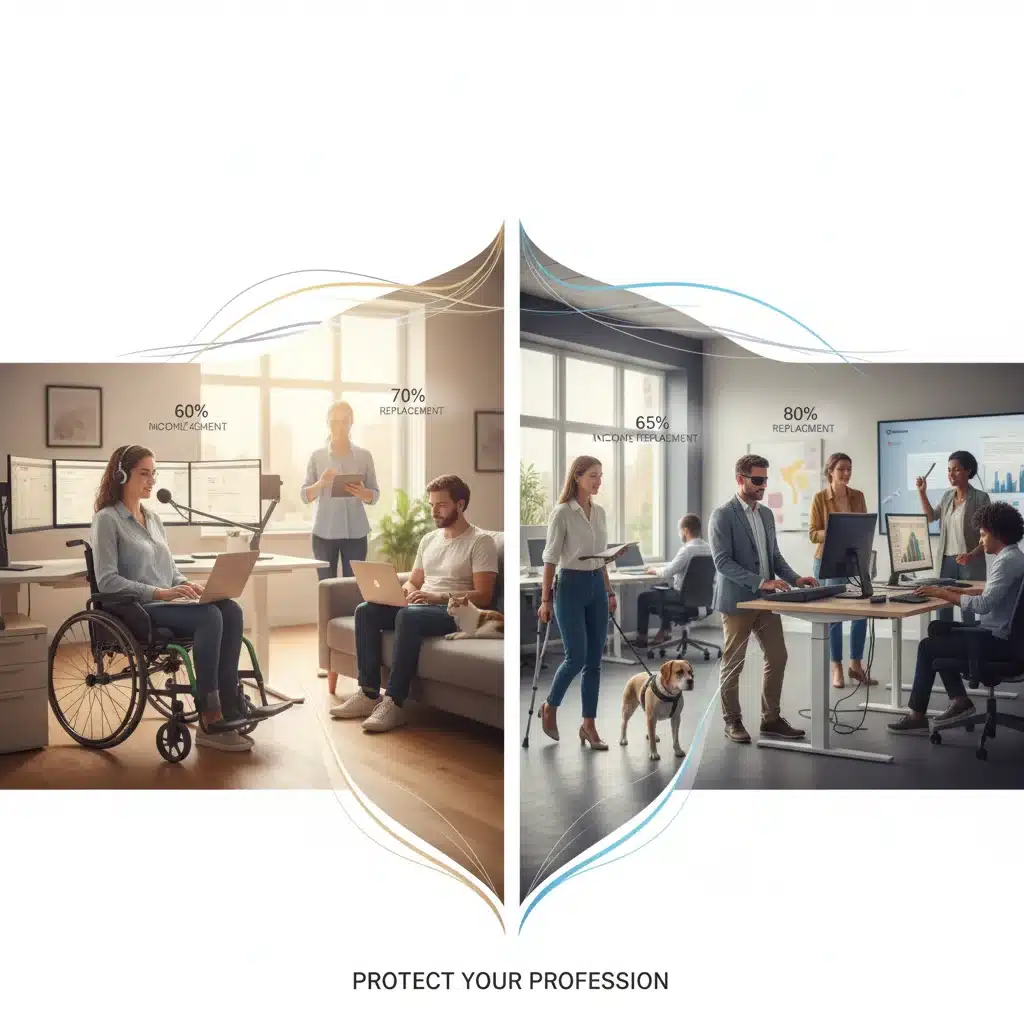
Calculate your essential monthly expenses (mortgage/rent, utilities, food, debt payments, insurance premiums). This will help you determine how much income replacement you truly need. Aim for a policy that covers your core living costs, ideally replacing 60-70% of your gross income.
2. Your Occupation
Your profession significantly impacts your premiums and the availability of certain policy features. High-risk occupations (e.g., construction workers, certain medical professionals) may face higher premiums or more limited coverage options than lower-risk office jobs. The ‘own occupation’ definition is particularly vital for specialized professions.
3. Age and Health
The younger and healthier you are when you apply, the lower your premiums will generally be. Pre-existing conditions can lead to exclusions or higher rates, so it’s always best to secure coverage when you are in good health.
4. Policy Riders and Features
Riders are optional add-ons that enhance your policy’s coverage. Key riders to consider for Disability Insurance 2026 include:
- Future Increase Option (FIO) or Guaranteed Insurability Rider: Allows you to increase your coverage amount in the future without additional medical underwriting, useful as your income grows.
- Cost of Living Adjustment (COLA) Rider: Adjusts your benefit payments for inflation once you are on claim.
- Partial or Residual Disability Rider: Pays a partial benefit if you can work part-time but not full-time, or if you return to work but earn less due to your disability.
- Non-Cancelable and Guaranteed Renewable: This is the strongest guarantee. The insurer cannot cancel your policy or raise your premiums as long as you pay them on time.
- Return of Premium Rider: Returns a percentage of premiums paid if you never make a claim, though this significantly increases policy cost.
5. Elimination Period and Benefit Period
Align these with your financial situation. If you have a robust emergency fund, you might opt for a longer elimination period (e.g., 180 days) to lower premiums. The benefit period should align with how long you’d need income if you were unable to work until retirement.
The Application Process for Disability Insurance 2026
Applying for disability insurance involves a few steps:
- Gather Information: You’ll need details about your income, occupation, medical history, and financial obligations.
- Shop Around: Work with an independent insurance broker who can compare quotes and policies from multiple carriers. This is crucial for finding the best coverage at the most competitive price for Disability Insurance 2026.
- Underwriting: The insurance company will review your application, medical records, and potentially require a medical exam. They assess your risk profile.
- Policy Issuance: If approved, you’ll receive your policy documents. Review them carefully to ensure all details are correct.
Maximizing Your Benefits and Understanding Limitations
While Disability Insurance 2026 provides crucial protection, it’s important to understand its nuances and limitations to maximize its value.
Coordination of Benefits
If you have multiple sources of disability income (e.g., group LTD from work and an individual policy), your policies may have provisions for coordinating benefits. This means the individual policy might reduce its payout if your combined benefits exceed a certain percentage of your pre-disability income. Be sure to understand how your policies interact.
Taxation of Benefits
The taxability of disability benefits depends on who paid the premiums:
- If you pay premiums with after-tax dollars (common for individual policies), your benefits are generally tax-free.
- If your employer pays the premiums (common for group policies), your benefits are usually taxable as income.
- If you and your employer share the premium cost, the benefits will be partially taxable.
This is an important consideration when determining how much coverage you need to maintain your lifestyle.
Exclusions and Limitations
Like all insurance, disability policies have exclusions. Common exclusions include disabilities arising from:
- War or act of war
- Self-inflicted injuries
- Committing a felony
- Pre-existing conditions (though some policies cover them after a waiting period)
Always read your policy document carefully to understand what is and isn’t covered.
The Future of Disability Insurance 2026 and Beyond
As we move further into the 21st century, the nature of work is changing, and so are the risks associated with it. The rise of the gig economy, remote work, and increasing awareness of mental health challenges are all factors influencing the disability insurance landscape. Insurers are continuously adapting their products to meet these evolving needs. For instance, some policies are beginning to offer more robust coverage for mental health conditions, which were historically harder to claim for.
Technological advancements are also playing a role, with some insurers using data analytics to offer more personalized policies and streamline the claims process. Staying informed about these trends can help you make more informed decisions about your Disability Insurance 2026 strategy. Regularly reviewing your policy, especially after significant life events like marriage, having children, or a salary increase, ensures your coverage remains adequate and aligned with your current financial situation.
Conclusion: Protecting Your Most Valuable Asset
Your ability to earn an income is likely your most valuable asset. Without it, all your financial plans – from daily living to long-term goals – can be derailed. Disability Insurance 2026 isn’t just another insurance policy; it’s a fundamental safeguard for your financial well-being and peace of mind. By understanding the types of policies available, the key terms, and what factors to consider, you can make an informed decision to protect yourself and your loved ones from the financial devastation that a long-term illness or injury can bring.
Don’t wait until it’s too late. Proactively assess your needs, compare options, and secure the disability insurance coverage that ensures you can maintain your lifestyle and focus on recovery, should the unexpected happen. Investing in disability insurance is investing in your future resilience.