2026 Housing Market Forecast: National Home Prices Projected to Rise 5%
The housing market is a dynamic entity, constantly influenced by a myriad of economic, social, and demographic factors. As we look ahead to 2026, prognostications suggest a steady, albeit moderate, appreciation in home values across the United States. The national median home prices are projected to experience a notable 5% rise, a figure that provides both reassurance and key insights for prospective buyers, current homeowners, and investors alike. This comprehensive analysis will delve into the intricate details of the 2026 housing market forecast, dissecting the forces at play and offering a nuanced understanding of what lies ahead.
Understanding the 2026 Housing Market Landscape
Forecasting the future of real estate is an exercise in complex data analysis and economic modeling. Several reputable sources, including leading financial institutions and real estate analytics firms, are converging on a similar outlook for the 2026 housing market. The consensus points towards a continued, albeit slower, growth trajectory compared to the frenzied pace observed in the immediate post-pandemic era. This anticipated 5% increase in national median home prices signifies a return to more sustainable growth, fostering a healthier environment for long-term investment and homeownership.
Key Drivers of the 2026 Housing Market Forecast
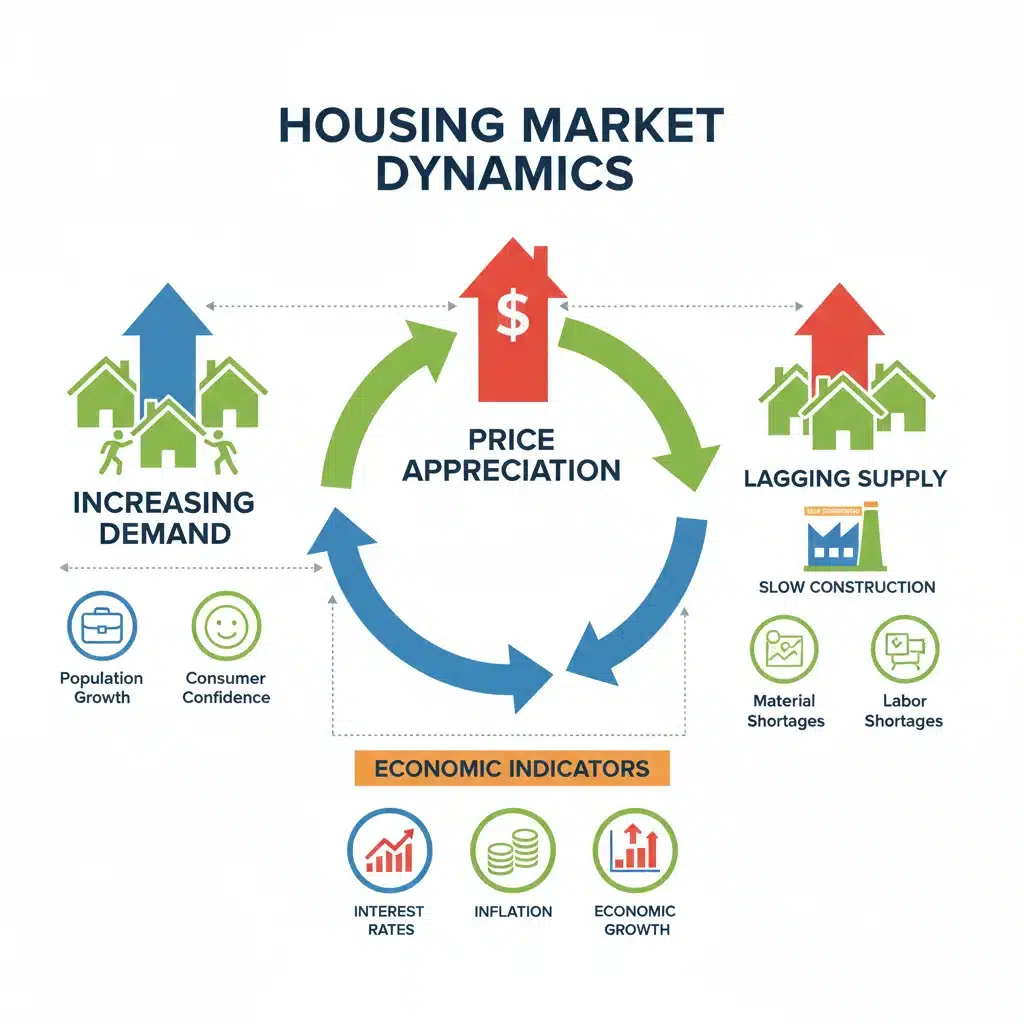
To fully grasp the implications of this forecast, it’s essential to understand the underlying drivers. The housing market is a delicate ecosystem, and its health is determined by the interplay of several critical factors:
- Economic Growth and Employment: A robust economy with low unemployment rates typically fuels housing demand. When people feel secure in their jobs and have disposable income, they are more likely to invest in homeownership. The projected economic stability leading into 2026 is a significant pillar supporting the forecast of rising home prices. Continued job creation and wage growth contribute directly to buyer confidence and purchasing power.
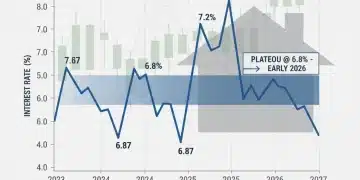
- Interest Rates and Mortgage Trends: Mortgage rates are arguably one of the most influential factors in housing affordability. While rates have fluctuated in recent years, the expectation for 2026 is that they will remain relatively stable or potentially see slight adjustments, but not to the extent that would significantly deter buyers. The cost of borrowing directly impacts monthly mortgage payments, and favorable rates can unlock homeownership for a broader segment of the population.
- Supply and Demand Dynamics: The fundamental economic principle of supply and demand holds true for real estate. A persistent shortage of available homes for sale, coupled with sustained buyer demand, inevitably drives prices upward. While new construction is ongoing, it often struggles to keep pace with population growth and household formation. The existing housing stock, coupled with new builds, will continue to dictate the balance.
- Demographic Shifts: Generational shifts, particularly the large millennial cohort entering their prime home-buying years, continue to exert upward pressure on demand. Additionally, population migration patterns, influenced by factors like remote work opportunities and affordability, are reshaping demand in various regions. These demographic forces are long-term trends that will continue to shape the 2026 housing market and beyond.
- Inflationary Pressures: While central banks aim for stable inflation, its presence can impact construction costs, labor, and materials, which in turn affect the final price of new homes. Moderate inflation can also contribute to a general increase in asset values, including real estate.
Regional Variations in Home Price Appreciation
It’s crucial to remember that the 5% national median home price increase is an average. The real estate market is inherently local, and different regions will experience varying levels of appreciation. Factors such as local job markets, population growth, housing inventory, and land availability will play a significant role in determining specific regional outcomes.
Areas Expected to Outperform
Certain metropolitan areas and states are consistently identified as potential outperformers in the 2026 housing market. These often include:
- Sun Belt States: States like Florida, Texas, Arizona, and the Carolinas continue to attract significant inward migration due to favorable climates, lower costs of living (relative to coastal metros), and growing job markets. This sustained demand, often outstripping supply, is likely to lead to above-average price growth.
- Emerging Tech Hubs: Cities that are becoming new centers for technology and innovation, often offering a more affordable alternative to traditional tech hubs, are seeing increased demand. These areas benefit from a young, affluent workforce and significant investment.
- Suburban and Exurban Areas: The trend of remote and hybrid work has continued to make suburban and exurban areas more attractive. Buyers are often seeking more space, better schools, and a higher quality of life, driving demand and prices in these communities.
Areas with More Moderate Growth or Potential Slowdown
Conversely, some regions might experience more moderate growth or even localized slowdowns. These could include:
- Overheated Markets: Some markets that saw explosive growth in recent years might experience a cooling period as affordability becomes a major constraint and buyers face increasingly stretched budgets.
- Regions with Outward Migration: Areas experiencing a net outflow of population due to economic challenges or a high cost of living might see less robust demand and, consequently, more subdued price appreciation.
- Markets with High Inventory: Localities where new construction has significantly increased the housing supply without a corresponding surge in demand could see a more balanced market, leading to slower price growth.
Implications for Buyers in the 2026 Housing Market
For prospective homebuyers, the 2026 housing market forecast presents a mixed bag of opportunities and challenges. The projected 5% increase means that waiting indefinitely might result in higher prices, yet a more stable market could offer less intense competition than in previous years.
Strategies for Prospective Buyers:
- Start Early and Get Pre-Approved: Understanding your budget and securing pre-approval for a mortgage is paramount. This not only gives you a clear financial picture but also strengthens your offer when you find the right home.
- Be Flexible with Location: Exploring slightly less competitive neighborhoods or exurban areas might offer more affordable options and better value for money. The growing acceptance of remote work provides greater flexibility in this regard.
- Consider All Housing Types: Don’t limit your search to single-family homes. Townhouses and condominiums can offer excellent entry points into homeownership, especially in pricier markets.
- Focus on Long-Term Investment: With a projected 5% increase, the 2026 housing market still offers good prospects for long-term appreciation. View your home purchase as a multi-year investment rather than a short-term gain.
- Work with a Knowledgeable Agent: A local real estate agent can provide invaluable insights into specific market conditions, help you navigate the buying process, and identify opportunities that might not be immediately obvious.
Implications for Sellers in the 2026 Housing Market
Current homeowners considering selling will likely find the 2026 housing market favorable, though perhaps not as frenzied as the peak years. The 5% appreciation suggests continued equity growth, making it a good time to capitalize on their investment.
Strategies for Sellers:
- Price Competitively: While prices are rising, overpricing can deter potential buyers. A well-researched, competitive price based on comparable sales will attract more interest and potentially lead to quicker sales.
- Enhance Curb Appeal and Home Value: Small improvements can make a big difference. Focus on repairs, decluttering, painting, and landscaping to make your home stand out. Professional staging can also significantly impact buyer perception.
- Be Prepared for Negotiations: The 2026 housing market is likely to be more balanced, meaning sellers might encounter more negotiation than in recent years. Being prepared to compromise on certain aspects can facilitate a smoother transaction.
- Understand Local Market Nuances: What sells quickly in one neighborhood might sit longer in another. Your real estate agent can provide critical data on local inventory, days on market, and buyer preferences.
- Time Your Sale Strategically: If you are also buying a new home, carefully plan the timing of your sale and purchase to minimize stress and financial overlap.
The Role of Economic Indicators and Global Events
The health of the housing market is inextricably linked to broader economic conditions. Several key indicators will continue to influence the 2026 housing market:
- Gross Domestic Product (GDP): Sustained GDP growth indicates a healthy economy, which typically translates to stronger housing demand and higher prices.
- Inflation Rates: While moderate inflation can contribute to asset appreciation, runaway inflation can lead to higher interest rates and reduced purchasing power, negatively impacting affordability.
- Unemployment Rates: Low unemployment provides job security and income stability, crucial factors for homeownership.
- Consumer Confidence: When consumers are optimistic about the economy and their personal financial situation, they are more likely to make significant purchases like a home.
- Global Economic Stability: International events, geopolitical tensions, and global economic shifts can have ripple effects on domestic markets, including real estate. While the 5% forecast is based on current projections, unforeseen global events could introduce volatility.
Monitoring these indicators will provide a clearer picture of potential shifts and adjustments in the 2026 housing market trajectory.
Technological Advancements and Their Impact
Technology continues to reshape the real estate industry, and its influence will be even more pronounced in the 2026 housing market.
- Virtual Tours and AI: Advanced virtual tours, 3D renderings, and AI-powered property search tools are becoming standard, allowing buyers to explore homes remotely and efficiently. This broadens the market reach for sellers and streamlines the initial stages of home discovery for buyers.
- Blockchain and Digital Transactions: While still in nascent stages for mainstream real estate, blockchain technology promises to enhance security and transparency in property transactions, potentially simplifying the closing process.
- Smart Home Technology: Homes equipped with smart technology for energy efficiency, security, and convenience are increasingly appealing to buyers, adding value and potentially influencing pricing.
- Data Analytics: Real estate professionals are leveraging big data and advanced analytics to gain deeper insights into market trends, predict future movements, and personalize client experiences. This data-driven approach will refine forecasts for the 2026 housing market.
The Evolving Role of Affordability
Despite the projected 5% increase in home prices, affordability remains a critical concern for many prospective buyers. The gap between income growth and home price appreciation has widened in many areas, creating barriers to entry for first-time buyers.
Addressing Affordability Challenges:
- Government Programs: Federal, state, and local governments may continue to offer first-time homebuyer assistance programs, down payment assistance, and favorable loan terms to help bridge the affordability gap.
- Innovative Financing: Lenders are exploring new financing models and mortgage products designed to cater to diverse financial situations, potentially making homeownership more accessible.
- Mixed-Use Development: Encouraging the development of mixed-use communities and diverse housing types (e.g., smaller homes, ADUs, co-living spaces) can increase supply and offer more varied price points.
- Focus on Sustainable Growth: Policymakers and developers are increasingly focusing on sustainable urban planning and development to create more affordable housing options while managing growth.

Expert Opinions and Long-Term Outlook
Leading economists and real estate analysts largely agree on the trajectory of the 2026 housing market, expecting a more normalized and sustainable growth phase. While the explosive growth of the pandemic era is likely behind us, the underlying demand for housing remains strong.
Many experts point to the continued shortage of housing inventory as a key factor sustaining price appreciation. Even with increased construction, years of underbuilding have created a significant deficit that will take time to resolve. This structural imbalance, combined with demographic tailwinds, forms the foundation for the projected 5% rise.
The long-term outlook for real estate remains positive, with housing generally considered a sound investment that builds equity over time. The 2026 housing market, with its anticipated moderate growth, reinforces this perspective, offering a more predictable environment for both homeowners and investors.
Conclusion: Navigating the 2026 Housing Market
The 2026 housing market is poised for a period of steady growth, with national median home prices projected to rise by 5%. This forecast is a testament to the enduring strength of the housing market, driven by a combination of economic stability, demographic shifts, and persistent supply-demand imbalances. While regional variations will undoubtedly exist, the overall picture suggests a healthy environment for real estate investment and homeownership.
For buyers, preparedness, flexibility, and a long-term perspective will be key to success. For sellers, understanding local market conditions and presenting a competitive property will maximize returns. As always, staying informed about economic indicators and working with experienced real estate professionals will provide the best guidance in navigating this evolving landscape. The journey through the 2026 housing market promises to be one of continued opportunity and measured growth.