Decoding 2026 Inflation: Strategies to Protect Your Investments
In the dynamic world of finance, foresight is not just a virtue but a necessity. As we inch closer to 2026, investors, economists, and policymakers alike are keenly observing macroeconomic indicators to decipher the 2026 inflation outlook. The specter of inflation, a silent wealth eroding force, looms large, making it imperative for individuals to strategize how to protect their investment portfolios. This comprehensive guide will delve into the anticipated inflationary landscape of 2026, explore the underlying causes, and, most importantly, equip you with three robust strategies to safeguard your hard-earned assets.
Understanding the nuances of future inflation is crucial for proactive financial planning. The global economy is a complex web of interconnected factors, from geopolitical tensions and supply chain disruptions to monetary policies and technological advancements. Each of these elements plays a significant role in shaping the trajectory of inflation. By dissecting these factors, we can build a more informed picture of what 2026 might hold and how best to navigate its challenges.
The lessons learned from recent inflationary periods are invaluable. The post-pandemic surge in prices, driven by unprecedented fiscal stimulus, supply-side shocks, and shifts in consumer demand, served as a stark reminder of inflation’s potential impact. While central banks have been actively working to tame inflation, the path to price stability is rarely linear. Therefore, adopting a forward-looking perspective and preparing for various scenarios is paramount for any astute investor.
The Current Economic Climate: Setting the Stage for the 2026 Inflation Outlook
Before we project into 2026, it’s essential to understand the current economic climate and the forces shaping it. Inflation, at its core, is a sustained increase in the general price level of goods and services in an economy over a period of time. When the price level rises, each unit of currency buys fewer goods and services; consequently, inflation reflects a reduction in the purchasing power per unit of money – a loss of real value in the medium of exchange and unit of account within the economy.
Global Supply Chains and Geopolitical Risks
The fragility of global supply chains, exposed during the pandemic, continues to be a significant inflationary pressure. Any disruption, whether from natural disasters, geopolitical conflicts, or trade disputes, can lead to increased production costs and, subsequently, higher consumer prices. The ongoing geopolitical tensions in various parts of the world, for instance, have a direct impact on energy prices and the availability of critical raw materials, both of which are major drivers of inflation. As we approach 2026, the resilience and diversification of these supply chains will be critical in mitigating inflationary shocks.
Monetary and Fiscal Policies
Central banks worldwide have been engaged in aggressive monetary tightening cycles to combat inflation. Raising interest rates aims to cool down economic activity by making borrowing more expensive, thereby reducing demand. However, the lagged effects of these policies mean that their full impact might still be unfolding. Simultaneously, government fiscal policies, including spending programs and taxation, also play a role. Excessive government spending, if not offset by increased productivity, can inject too much money into the economy, contributing to inflationary pressures. The delicate balance between monetary tightening and fiscal support will heavily influence the 2026 inflation outlook.
Labor Market Dynamics
A tight labor market, characterized by low unemployment rates and rising wages, can also fuel inflation. When businesses struggle to find workers, they often offer higher wages to attract and retain talent. These increased labor costs are then typically passed on to consumers through higher prices for goods and services. The evolution of labor force participation rates, immigration policies, and automation will be key determinants of wage growth and, by extension, inflation in the coming years. Understanding these dynamics is crucial for grasping the full picture of the 2026 inflation outlook.
Forecasting the 2026 Inflation Outlook: Key Indicators to Watch
Predicting the future is inherently challenging, but by monitoring specific economic indicators, we can make educated guesses about the 2026 inflation outlook. These indicators provide valuable insights into the underlying health and direction of the economy.
Consumer Price Index (CPI) and Producer Price Index (PPI)
The Consumer Price Index (CPI) is the most widely used measure of inflation, tracking the average change over time in the prices paid by urban consumers for a market basket of consumer goods and services. The Producer Price Index (PPI), on the other hand, measures the average change over time in the selling prices received by domestic producers for their output. Movements in the PPI can often signal future changes in the CPI, as increased production costs eventually filter down to consumers.
Inflation Expectations
Inflation expectations are a critical, often self-fulfilling, component of actual inflation. If consumers and businesses expect prices to rise in the future, they may adjust their spending and pricing behaviors accordingly, leading to actual price increases. Central banks closely monitor various measures of inflation expectations, including surveys of consumers and businesses, and inflation-indexed bond yields. Anchored inflation expectations are essential for maintaining price stability.
Commodity Prices
Prices of key commodities such as oil, natural gas, agricultural products, and industrial metals have a significant impact on inflation. Fluctuations in these prices can quickly translate into higher costs for businesses and consumers. Monitoring global commodity markets, including supply and demand dynamics, geopolitical influences, and weather patterns, provides valuable clues about potential inflationary pressures.
Exchange Rates
The value of a nation’s currency relative to others can also affect inflation. A weaker domestic currency makes imports more expensive, contributing to inflation, while a stronger currency makes imports cheaper, potentially dampening inflationary pressures. Global trade balances and capital flows influence exchange rates, making them an important indicator to watch for the 2026 inflation outlook.
Strategy 1: Diversification and Asset Allocation for Inflation Protection
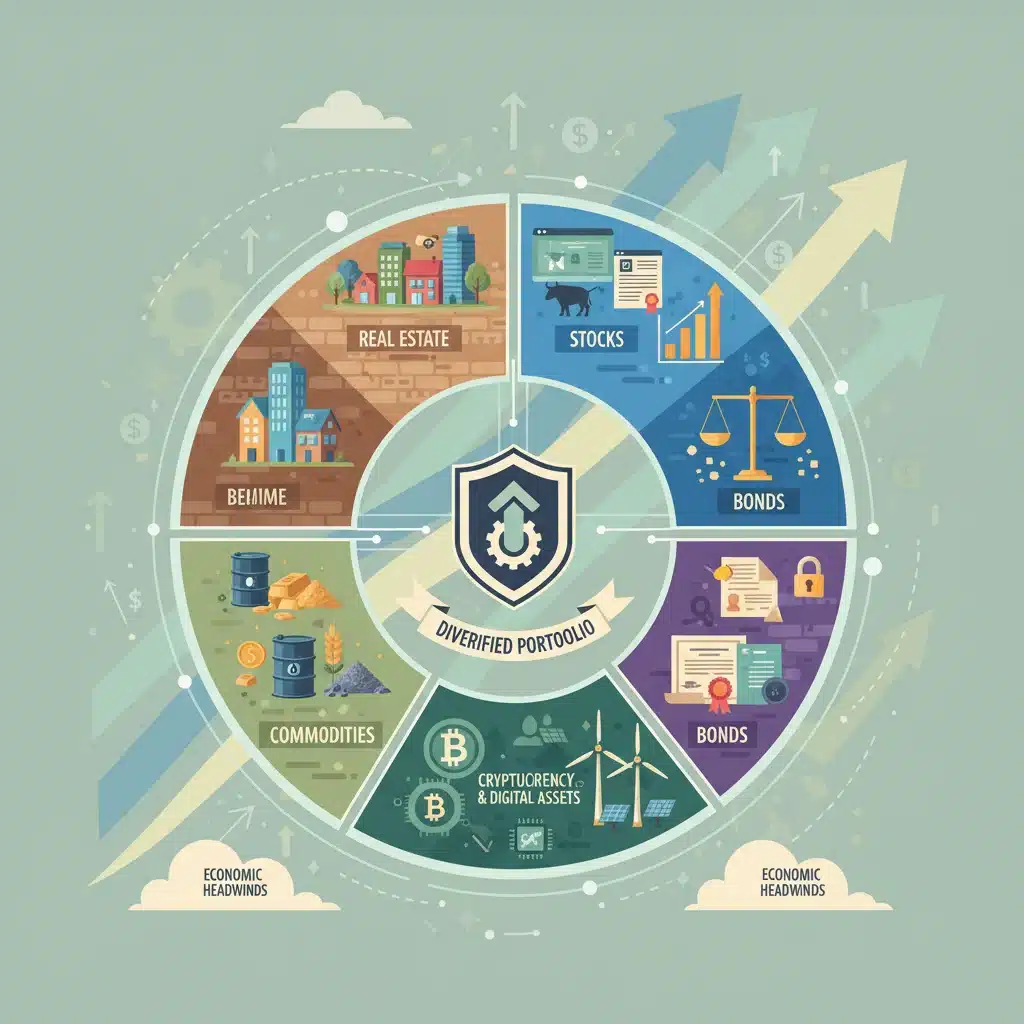
The first and arguably most fundamental strategy to protect your investment portfolio against inflation is robust diversification and strategic asset allocation. This isn’t just about spreading your investments across different companies, but across different asset classes that behave differently during inflationary periods.
Real Assets: A Traditional Hedge
Real assets, such as real estate, commodities, and infrastructure, have historically performed well during inflationary times. Their value tends to rise with inflation, as they represent tangible goods that become more expensive to produce or replace. For example, real estate, both residential and commercial, can offer rental income that adjusts with inflation and property values that appreciate. Commodities like gold, silver, oil, and agricultural products often serve as a direct hedge against rising prices, as their demand increases when currency deprecates.
Inflation-Protected Securities (TIPS)
Treasury Inflation-Protected Securities (TIPS) are government bonds designed to protect investors from inflation. The principal value of TIPS adjusts with the Consumer Price Index (CPI), meaning that as inflation rises, so does the principal value of your investment. This adjustment ensures that your purchasing power is preserved. While their returns might be lower than other assets during periods of low inflation, they offer invaluable protection when inflation accelerates, making them a crucial component for a resilient portfolio aiming to withstand the 2026 inflation outlook.
Equities with Pricing Power
Not all stocks are created equal when it comes to inflation. Companies with strong pricing power – those that can raise their prices without significantly impacting demand – tend to perform better. These often include businesses with strong brands, essential products or services, or those operating in oligopolistic markets. Examples might be certain consumer staples, healthcare companies, or technology firms with dominant market positions. Researching companies with high-profit margins and low sensitivity to input costs can be a wise move.
Strategy 2: Income-Generating Investments and Cash Flow Optimization
Inflation erodes the purchasing power of future cash flows. Therefore, focusing on investments that generate current income and optimizing your cash flow can be an effective counter-strategy. This approach helps offset the rising cost of living and potentially provides capital for reinvestment.
Dividend-Paying Stocks
Companies that consistently pay and, ideally, grow their dividends can provide a steady stream of income that helps combat inflation. Look for companies with a history of increasing dividends, strong financial health, and sustainable business models. These are often mature companies in stable industries that can generate consistent profits even during economic fluctuations. Reinvesting these dividends can also compound your returns over time.
Real Estate Investment Trusts (REITs)
REITs are companies that own, operate, or finance income-generating real estate. They allow individuals to invest in large-scale portfolios of income-producing real estate. REITs typically pay out a significant portion of their taxable income to shareholders annually, offering attractive dividend yields. As real estate values and rental incomes tend to rise with inflation, REITs can provide both income and capital appreciation, making them a good fit for an inflation-hedged portfolio. They are an excellent way to gain exposure to real estate without the direct management responsibilities.
Alternative Investments with Inflation Linkage
Consider exploring alternative investments that have a direct or indirect link to inflation. This could include private equity investments in infrastructure projects, which often have inflation-indexed revenue streams, or certain types of private credit that can adjust interest rates based on prevailing economic conditions. While these investments often come with higher risk and liquidity constraints, they can offer unique diversification benefits and inflation protection for sophisticated investors. As we approach the 2026 inflation outlook, the appeal of such alternatives may grow.
Strategy 3: Debt Management and Financial Flexibility
While often overlooked in discussions about investment portfolios, effective debt management and maintaining financial flexibility are critical components of an inflation protection strategy. High inflation can significantly impact the cost of borrowing and the real value of savings.
Minimize Variable-Rate Debt
During periods of rising inflation and interest rates, variable-rate debt becomes more expensive. Mortgages, credit card balances, and personal loans with adjustable rates can see their payments increase, putting a strain on your budget. Prioritizing the reduction or refinancing of variable-rate debt into fixed-rate options can provide stability and predictability in your financial obligations, insulating you from future interest rate hikes that often accompany inflationary environments.
Maintain an Emergency Fund
An adequately funded emergency fund is always important, but even more so during inflationary periods. Unexpected expenses can feel even more burdensome when prices are rising. Having readily accessible cash in a high-yield savings account or money market fund can prevent you from having to sell investments at inopportune times or incur high-interest debt. While cash loses some purchasing power to inflation, the liquidity it provides is invaluable.
Consider Inflation-Indexed Annuities
For those nearing or in retirement, inflation-indexed annuities can offer a layer of protection. These annuities provide a stream of income that increases over time, typically tied to a measure of inflation like the CPI. This ensures that your purchasing power in retirement is maintained, rather than being eroded by rising living costs. While they may offer lower initial payouts, the long-term security they provide against inflation can be highly beneficial.

Navigating the Unknown: Adapting Your Portfolio to the 2026 Inflation Outlook
The future is never entirely predictable, and the 2026 inflation outlook will undoubtedly present its own unique challenges and opportunities. The key to successful investing in such an environment is not to set it and forget it, but to maintain a flexible and adaptable approach to your portfolio management. Regular review and rebalancing are paramount.
Stay Informed and Consult Experts
Economic conditions are constantly evolving. Staying informed about global economic trends, central bank policies, and geopolitical developments is crucial. Read reputable financial news, follow economic analyses from trusted institutions, and consider subscribing to expert commentaries. For personalized advice, consulting with a qualified financial advisor is highly recommended. An advisor can help you tailor these strategies to your specific financial situation, risk tolerance, and long-term goals, ensuring your portfolio is robustly prepared for the 2026 inflation outlook.
Review and Rebalance Regularly
Your investment portfolio should not be static. Market conditions change, and so should your asset allocation. Periodically review your portfolio’s performance against your objectives and the prevailing economic climate. If certain asset classes have grown significantly, they might now represent a larger portion of your portfolio than intended, potentially exposing you to more risk. Rebalancing involves selling some of your outperforming assets and buying more of your underperforming ones to restore your desired asset allocation. This disciplined approach helps manage risk and ensures your portfolio remains aligned with your inflation protection strategy.
Consider a Long-Term Perspective
While the focus here is on the 2026 inflation outlook, it’s vital to maintain a long-term perspective. Short-term market fluctuations and economic uncertainties can be unsettling, but successful investing often involves looking beyond immediate challenges. Inflation, while a serious concern, is one of many factors that will influence your portfolio over decades. By focusing on fundamental investment principles, such as diversification, quality assets, and consistent savings, you can build wealth that withstands various economic cycles, including periods of elevated inflation.
The Psychology of Investing in an Inflationary Environment
Beyond the technical strategies, the psychological aspect of investing during inflationary times cannot be overstated. Fear and anxiety can lead to impulsive decisions that are detrimental to long-term financial health. Maintaining a disciplined mindset is as important as any asset allocation strategy.
Avoid Panic Selling
When inflation fears are high, or markets become volatile, there’s a temptation to panic sell assets, especially those perceived as vulnerable. However, market timing is notoriously difficult, and selling during downturns often locks in losses and prevents participation in subsequent recoveries. Trusting your well-researched strategy and staying invested through the cycles is usually the more prudent path.
Focus on Quality and Value
In uncertain times, the quality of your investments becomes even more critical. Companies with strong balance sheets, consistent earnings, and competitive advantages are better positioned to weather economic storms, including inflationary pressures. Similarly, focusing on value – buying assets that are trading below their intrinsic worth – can provide a margin of safety and potential for long-term appreciation, irrespective of short-term inflation trends.
Educate Yourself Continuously
The more you understand about economics, inflation, and investment strategies, the less fear will dictate your decisions. Continuous learning empowers you to make informed choices and adapt your approach as new information emerges. This ongoing education is an investment in your financial literacy and resilience, preparing you not just for the 2026 inflation outlook, but for a lifetime of sound financial management.
Conclusion: Proactive Steps for a Resilient Portfolio
The 2026 inflation outlook presents a complex but navigable landscape for investors. While uncertainties abound, a proactive and well-thought-out strategy can significantly mitigate risks and even uncover opportunities. By understanding the underlying drivers of inflation, monitoring key economic indicators, and implementing the three core strategies – diversification and asset allocation, income-generating investments, and prudent debt management – you can build a resilient investment portfolio designed to preserve and grow your wealth.
Remember, financial planning is an ongoing journey, not a destination. Regular reviews, continuous learning, and, when necessary, professional guidance will ensure your portfolio remains aligned with your goals and responsive to the evolving economic environment. The aim is not just to survive inflation but to thrive despite it, securing your financial future for years to come. Take these insights and apply them to your financial planning today, ensuring you are well-prepared for whatever the future, including the 2026 inflation outlook, may bring.